Artwork
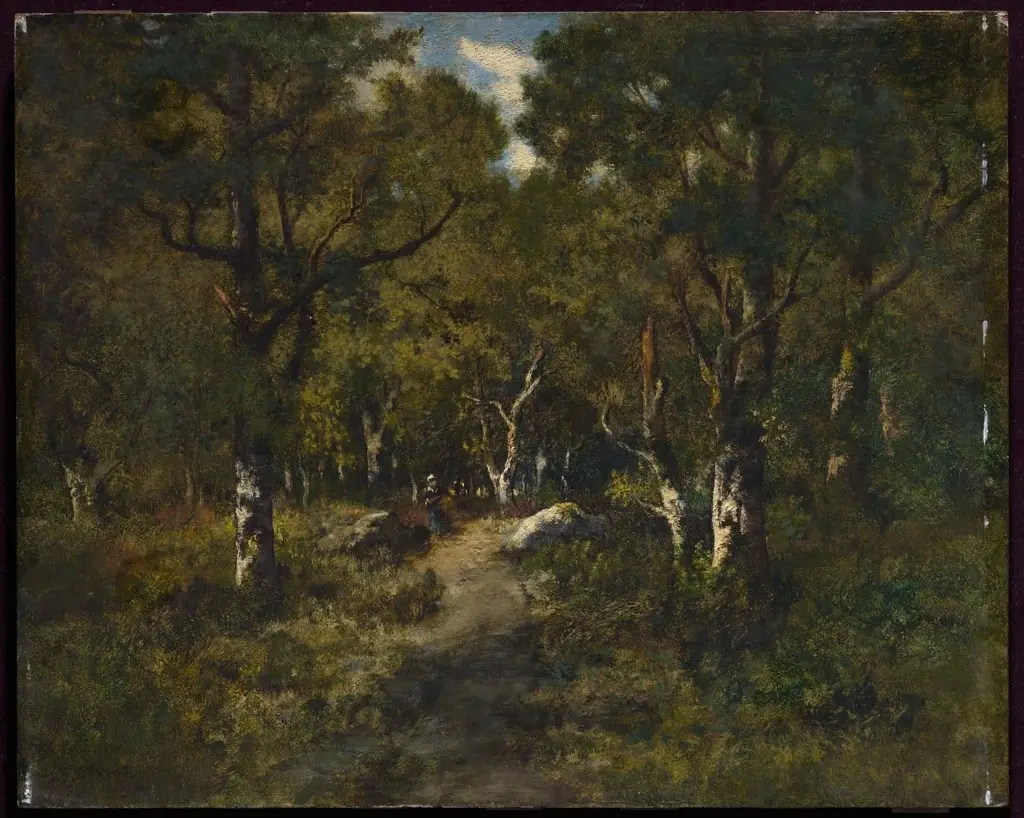
The Edge of the Woods at Monts-Girard, Fontainebleau Forest
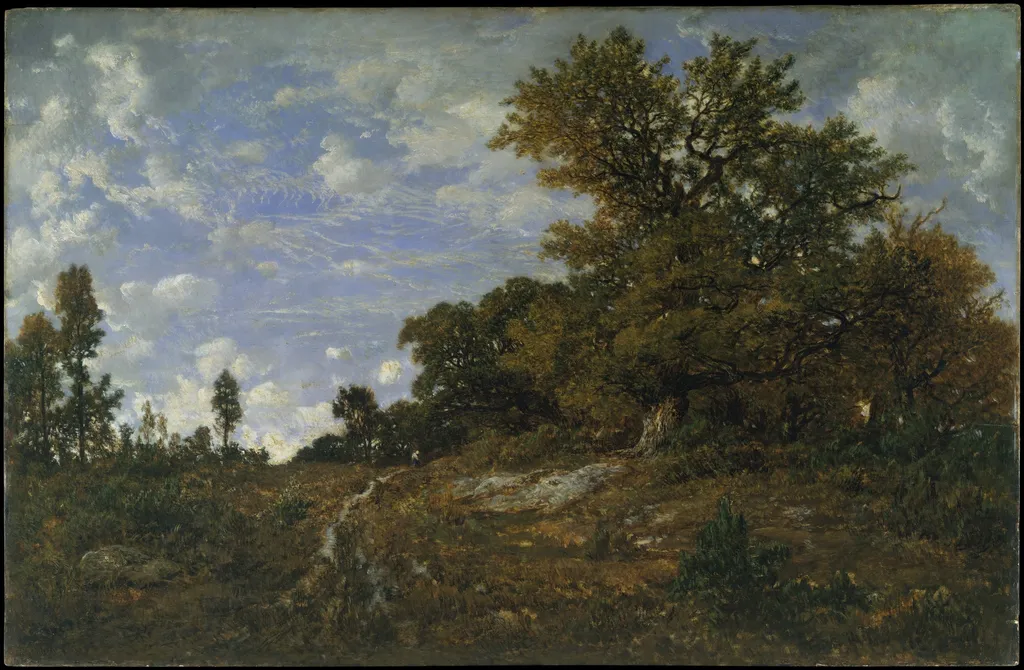
The Edge of the Woods at Monts-Girard, Fontainebleau Forest is an oil painting by the Academic Art artist Théodore Rousseau. It dates from 1852 and is held in the collection of the Metropolitan Museum of Art.
About this work
Technique & Style
The medium and support combination of oil on panel is characteristic of Théodore Rousseau's approach to Fontainebleau subjects during this period.
Created in 1852, The Edge of the Woods at Monts-Girard, Fontainebleau Forest is executed in oil paint on a panel support. The work measures 80 cm in height and 121.9 cm in width. Classified as a landscape painting within the academic art movement, the piece depicts a dense forest scene featuring trees.
The medium and support combination of oil on panel is characteristic of Théodore Rousseau's approach to Fontainebleau subjects during this period. The painting is currently held in the collection of the Metropolitan Museum of Art.
History & Provenance
Théodore Rousseau executed The Edge of the Woods at Monts-Girard, Fontainebleau Forest in 1852 as an oil painting on panel. The work depicts a landscape within the Fontainebleau Forest and measures 80 by 121.9 cm. The piece is currently held in the collection of the Metropolitan Museum of Art. No specific details regarding the original commission or the intermediate ownership chain prior to the museum's acquisition are recorded in the available sources.
Context
The Edge of the Woods at Monts-Girard, Fontainebleau Forest (1852) exemplifies mid-19th-century French landscape painting. Executed in oil on panel, the work portrays a dense forest scene typical of Rousseau's fascination with the Fontainebleau terrain. As part of the Metropolitan Museum of Art's collection, it reflects the institution's holdings in academic landscape art of the period.
Later scholarship positions this painting as an early example of the naturalistic detail that prefigures subsequent plein-air developments in French painting.
Overview
Théodore Rousseau, a prominent figure of the Barbizon school, completed The Edge of the Woods at Monts-Girard, Fontainebleau Forest in 1852. This oil painting exemplifies his dedication to landscape subjects, capturing a specific view within the renowned Fontainebleau Forest. The work is now part of the collection at The Metropolitan Museum of Art, representing a key example of 19th-century French naturalism.
Subject & Meaning
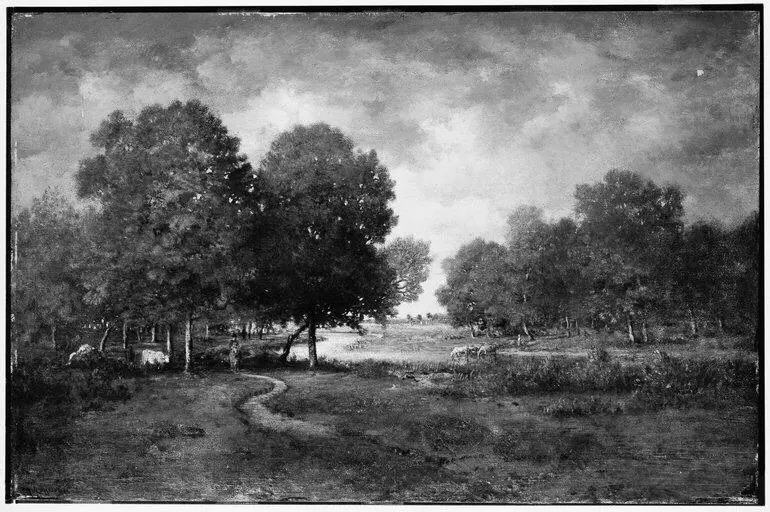
The painting presents a tranquil scene from the Fontainebleau Forest, featuring a winding dirt path that recedes into the distance. Tall, robust trees with dense foliage dominate the composition, their branches extending towards a bright, cloud-strewn sky. Rousseau meticulously rendered the varied textures of the ground, from verdant shrubs to scattered dry leaves, highlighting the interplay of light and shadow within the natural environment. This approach reflects his commitment to depicting nature with specificity.
Own this work as a print
Artist & collection
Artist
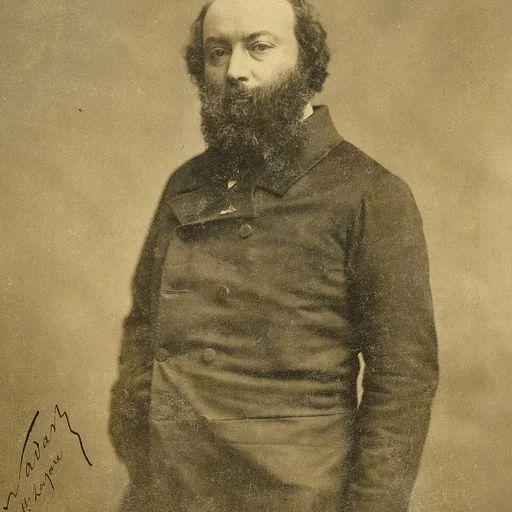
Étienne Pierre Théodore Rousseau (French pronunciation:; 15 April 1812 – 22 December 1867) was a French painter of the Barbizon school.

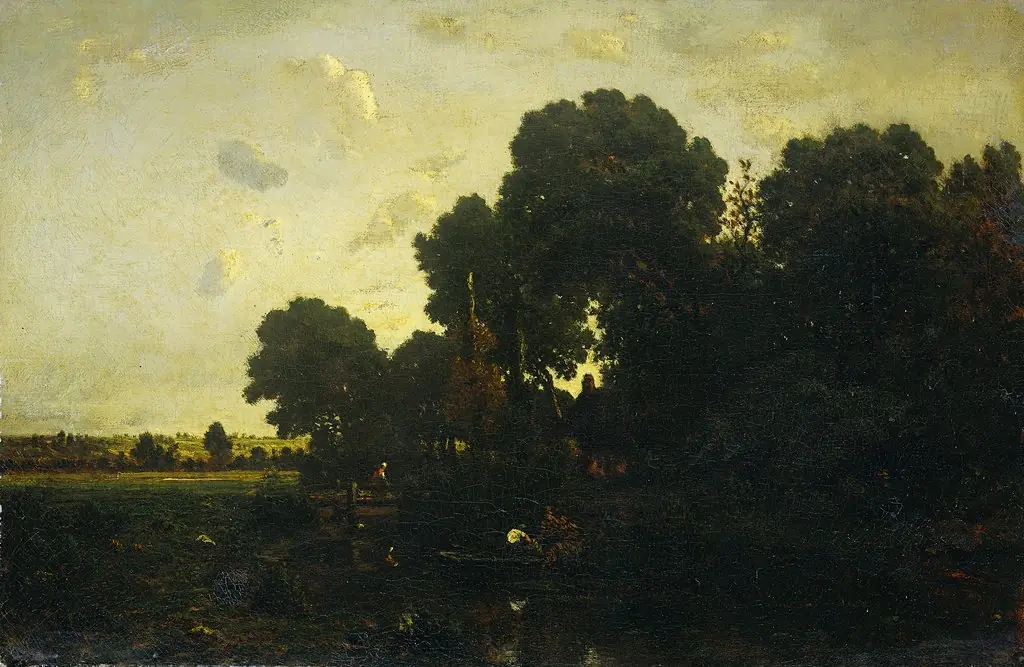
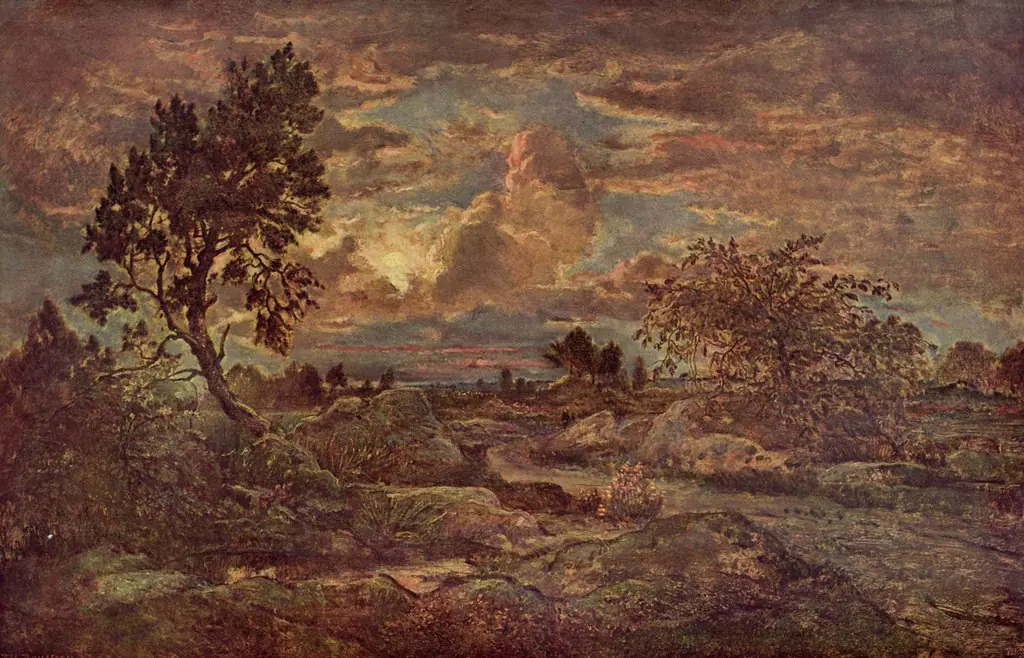
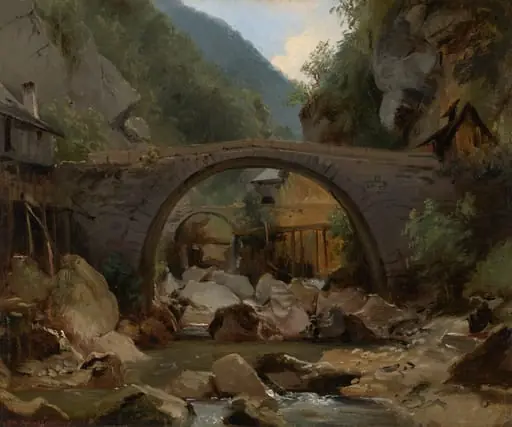
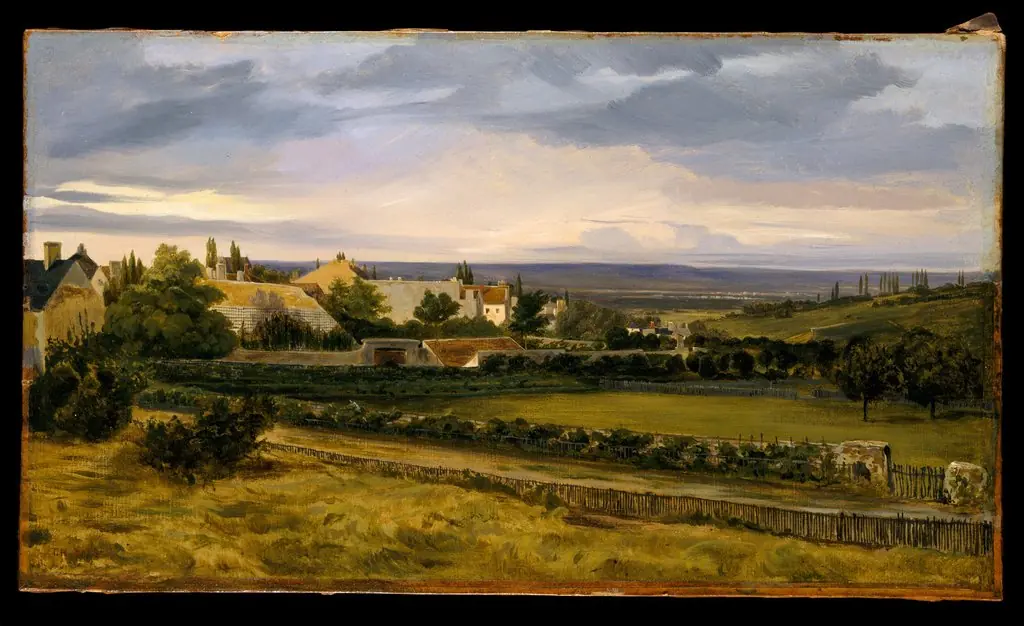
- The Forest of Fontainebleau
 The Edge of the Forest at Les Monts-Girard, Fontainebleau
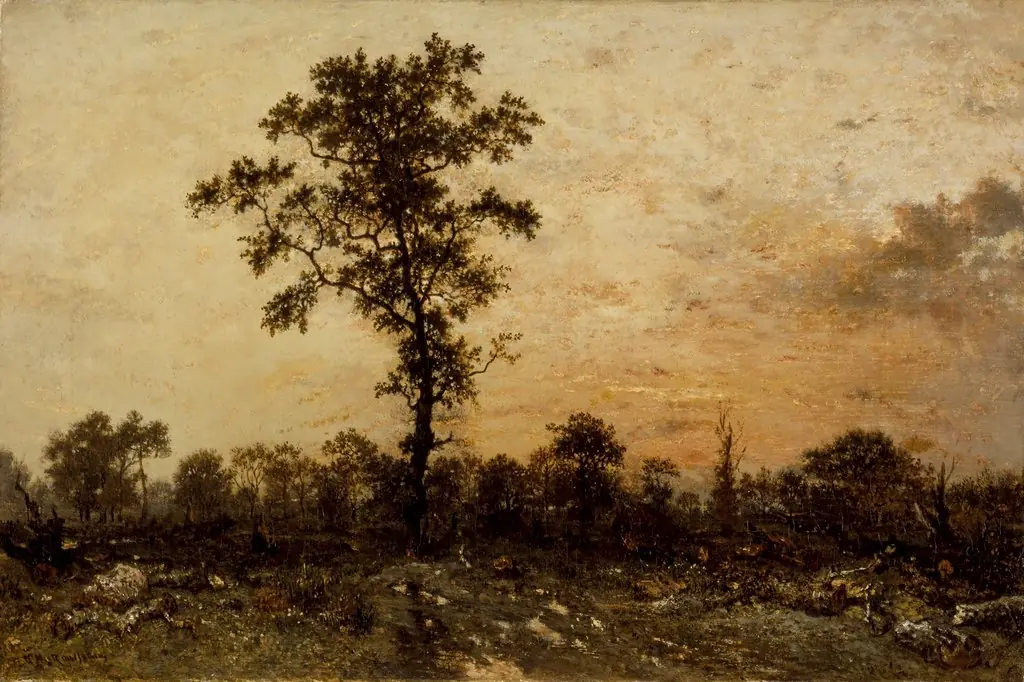 Edge of the Forest, Sun Setting
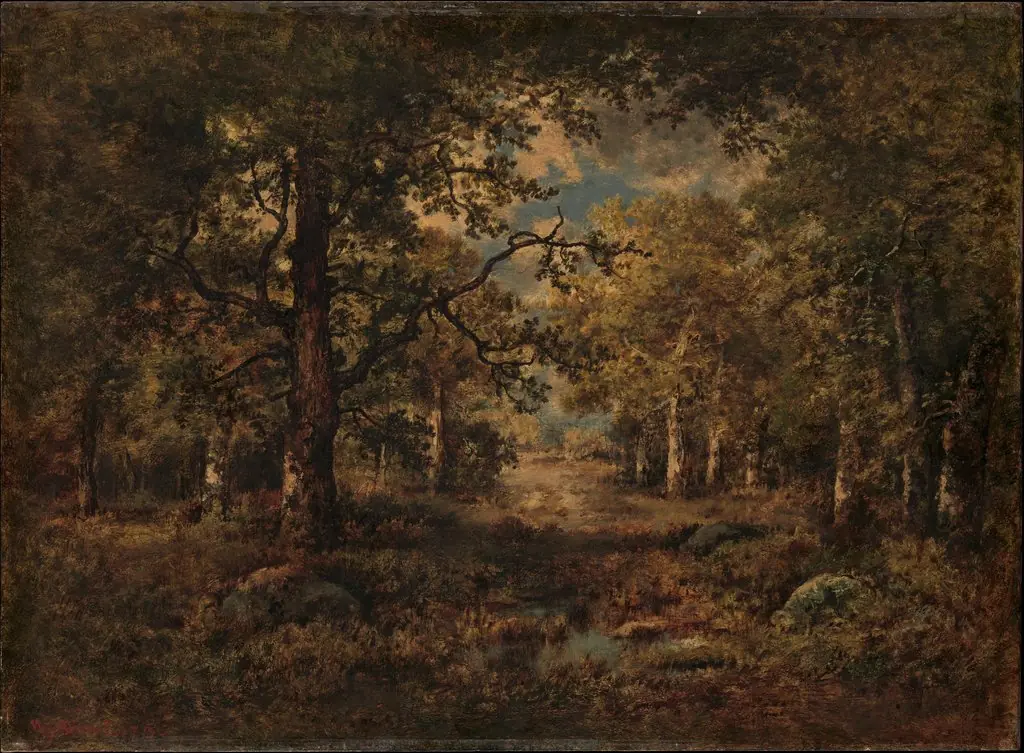 A Vista through Trees: Fontainebleau
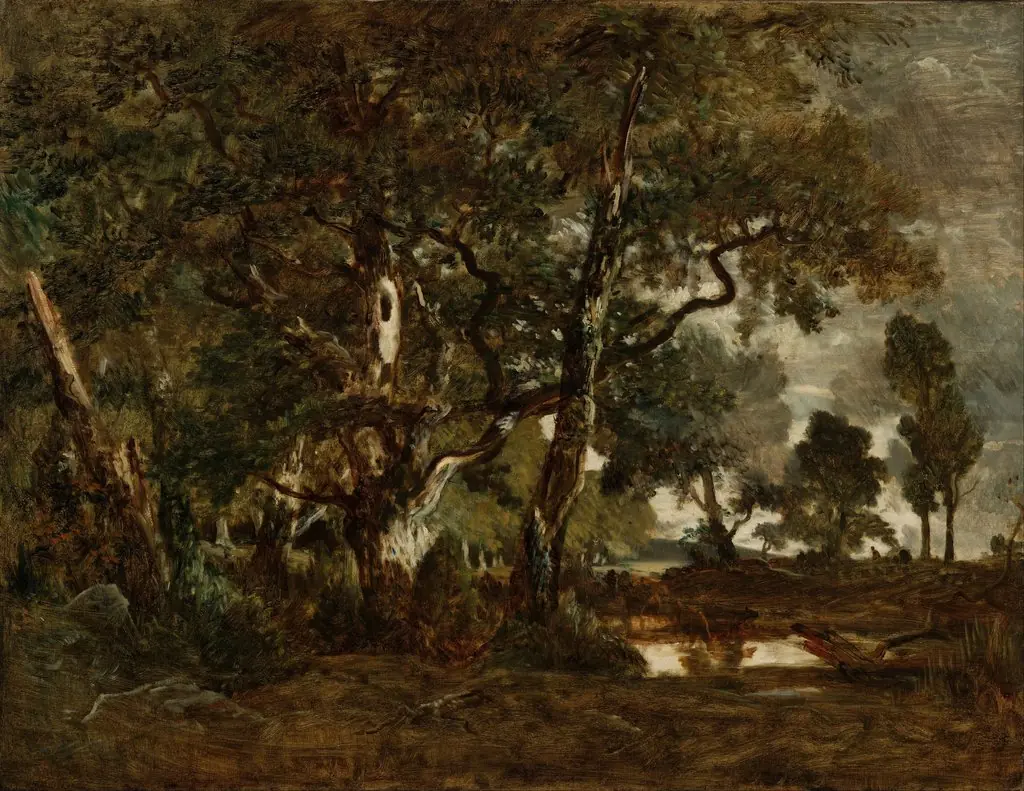 Forest of Fontainebleau, Cluster of Tall Trees Overlooking the Plain of Clair-Bois at the Edge of Bas-Bréau
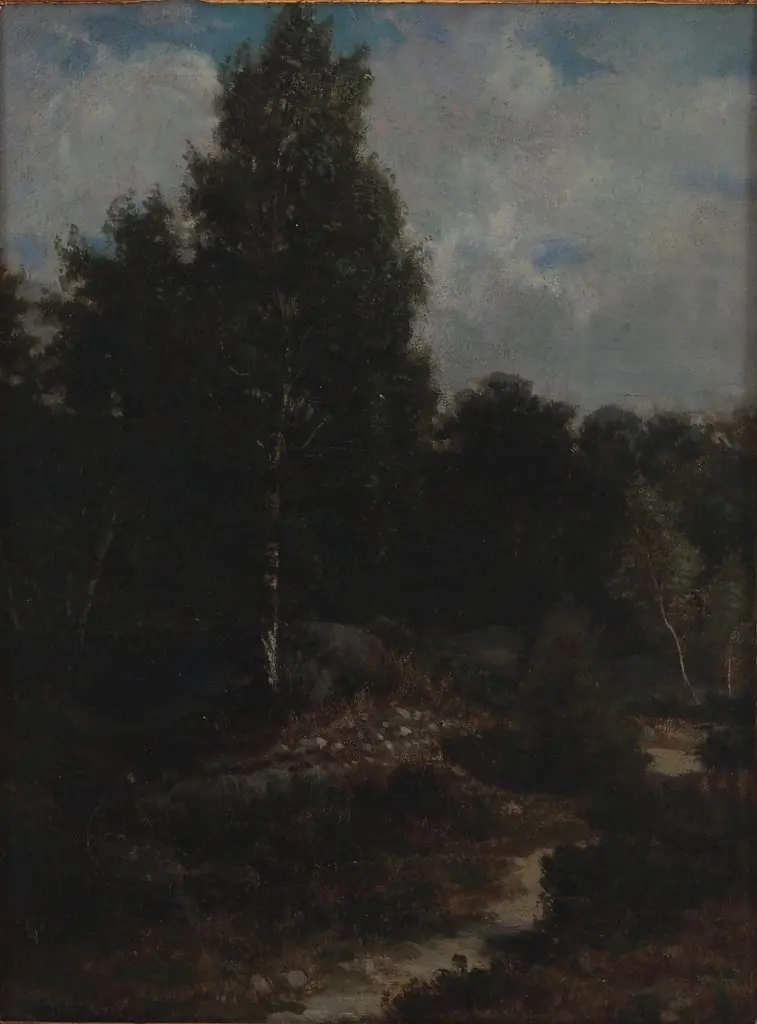 Fontainebleau Woods
 Path through the Forest near Fontainebleau
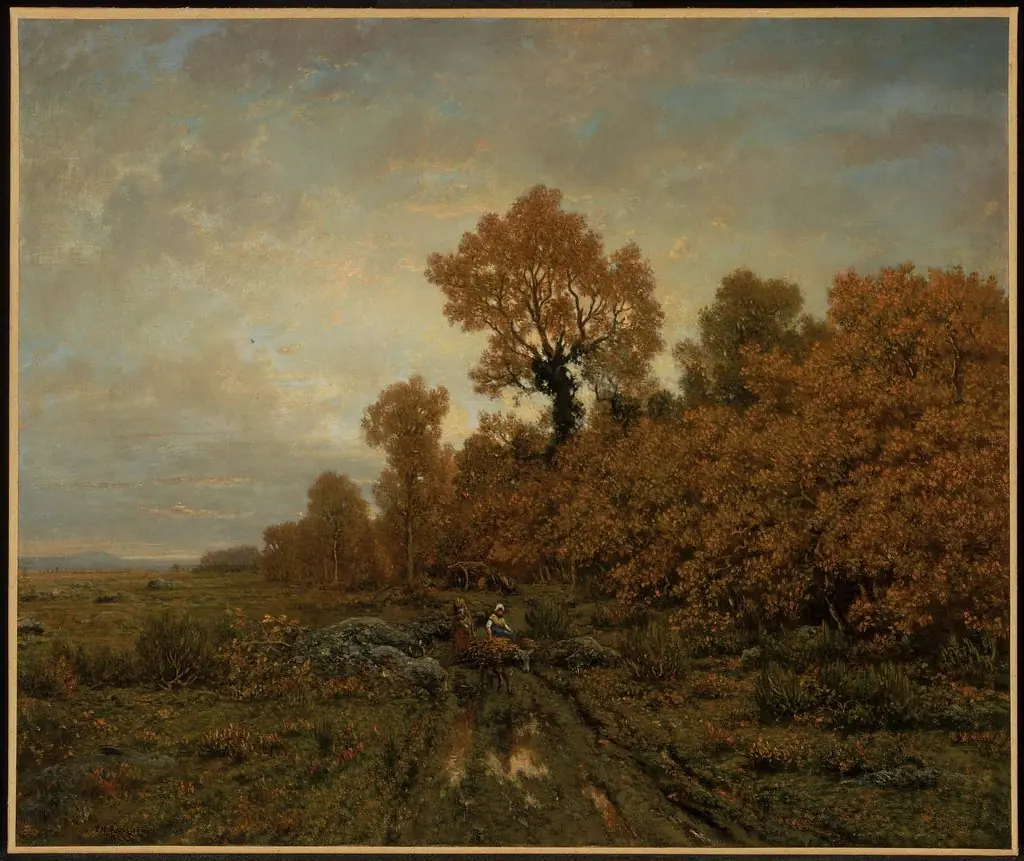 Gathering Wood in the Forest of Fontainebleau