Artwork
Gustavus Adolphus Rollins
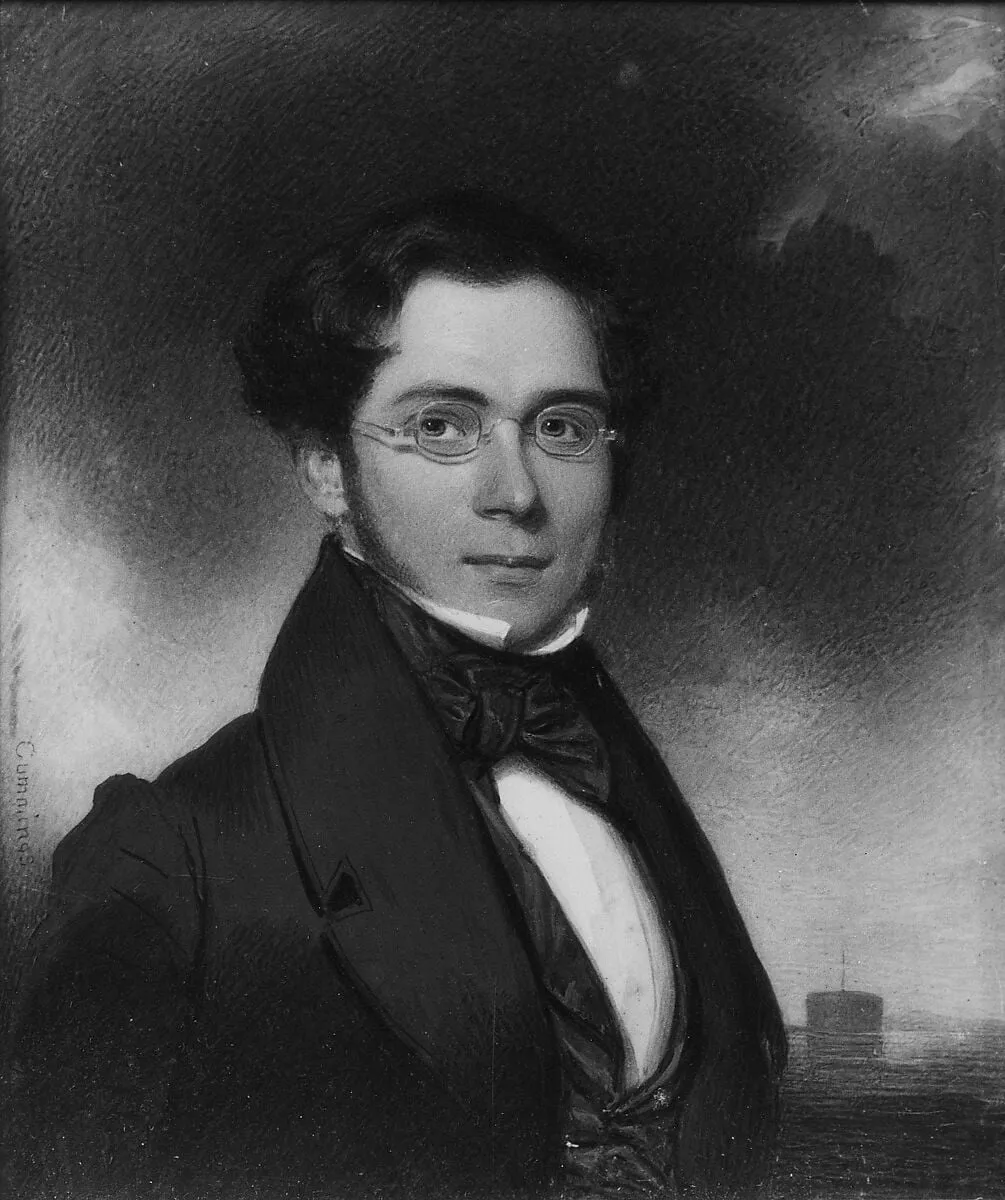
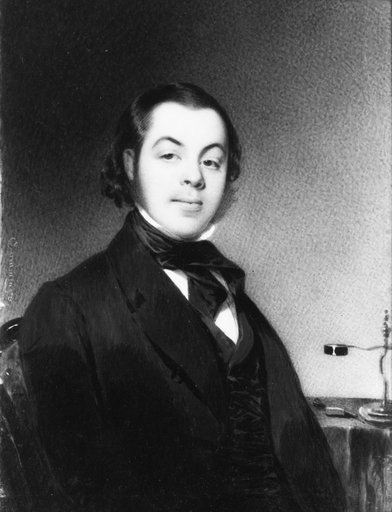
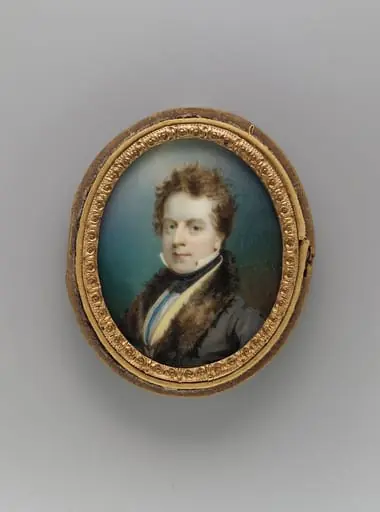
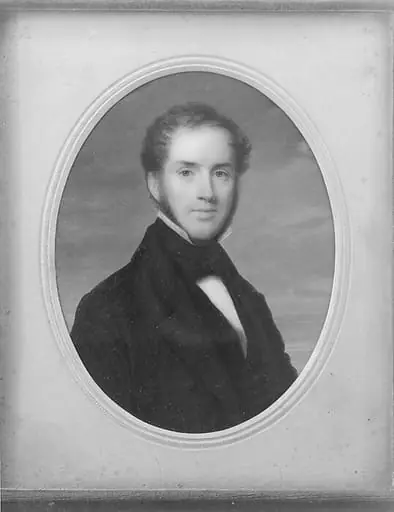
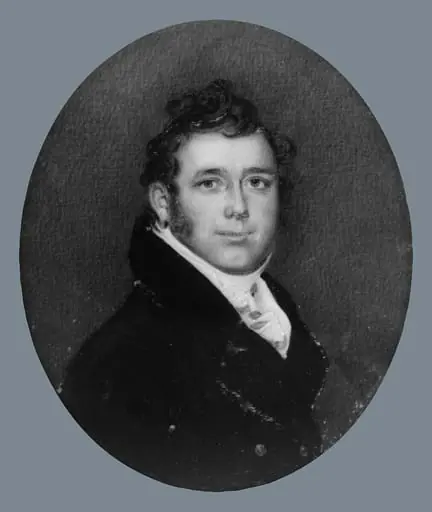
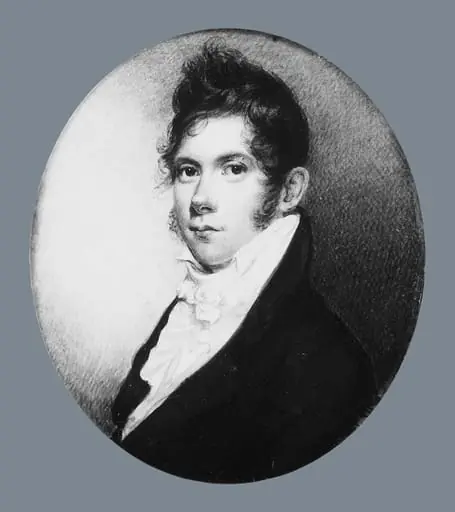
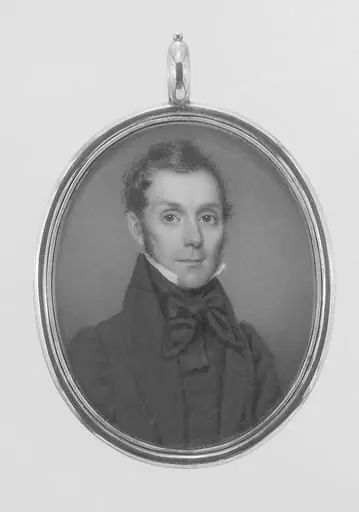
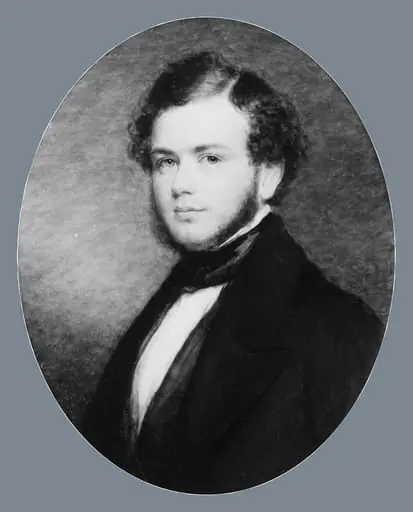
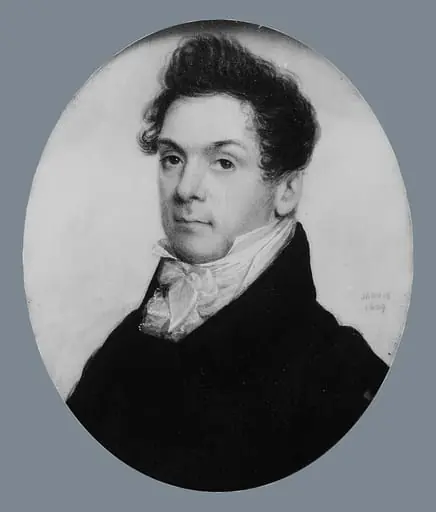
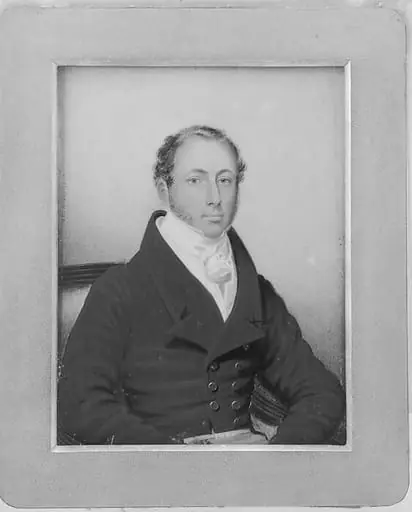
Gustavus Adolphus Rollins is a watercolor painting by the American Folk Art artist Thomas Seir Cummings. It dates from 1835 and is held in the collection of the Metropolitan Museum of Art.
About this work
History & Provenance
The painting is classified within the museum's portrait genre and is recognized as an early 19th-century American artwork.
Gustavus Adolphus Rollins is a watercolor portrait on ivory painted in 1835 by American artist Thomas Seir Cummings. The work was produced as a likeness of the sitter and later entered the collection of the Metropolitan Museum of Art, where it has been displayed in The American Wing. Its creation is documented in contemporary records as a portrait commissioned to capture the appearance of Rollins, and the piece has remained in the museum's custody since its acquisition, maintaining its original dimensions of approximately 7.3 by 6 cm. The painting is classified within the museum's portrait genre and is recognized as an early 19th-century American artwork.
Context
Thomas Seir Cummings' 1835 watercolor portrait of Gustavus Adolphus Rollins, housed in the Metropolitan Museum of Art's American Wing, exemplifies early American portraiture that blends neoclassical technique with emerging national identity. As a work by Cummings, a prominent 19th-century miniaturist and genre painter, it reflects the period's fascination with individual accomplishment and the growing prestige of portraiture among the young republic's elite. The refined draftsmanship and subtle characterization are indicative of Cummings' role in shaping a distinct American visual language, positioning the piece within broader narratives of American art's development during the antebellum era.
Overview
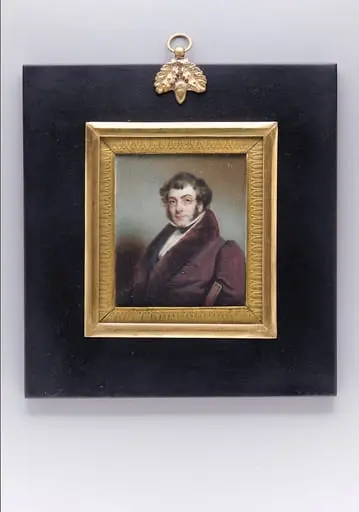
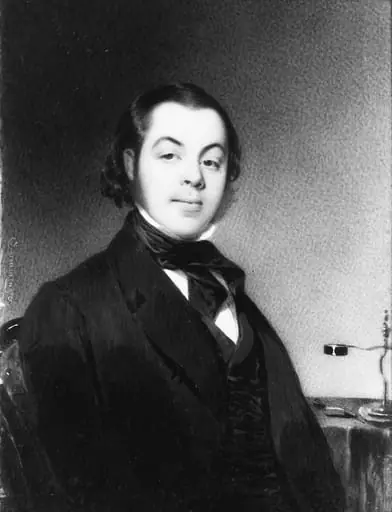
This intimate watercolor on ivory, titled Gustavus Adolphus Rollins, was created by Thomas Seir Cummings around 1835. It presents a portrait of a man, likely the sitter himself, depicted in a dark suit with his gaze directed forward. The artwork's diminutive scale, characteristic of miniatures from the period, allows for a close, personal viewing experience, emphasizing the subject's softly illuminated features.
Technique & Style
Cummings executed this piece using watercolor on ivory, a common medium for portrait miniatures during the 19th century. Artists meticulously applied thin, transparent layers of paint, known as glazing, to build up complexions and achieve subtle gradations of tone. This technique allowed for exceptional precision, rendering details such as the delicate shadow beneath the subject's jawline without revealing individual brushstrokes, contributing to the portrait's refined appearance.
Artist & collection