Artwork
Venus Arming a Warrior, possibly Johan Maurits at the Forge of Vulcan
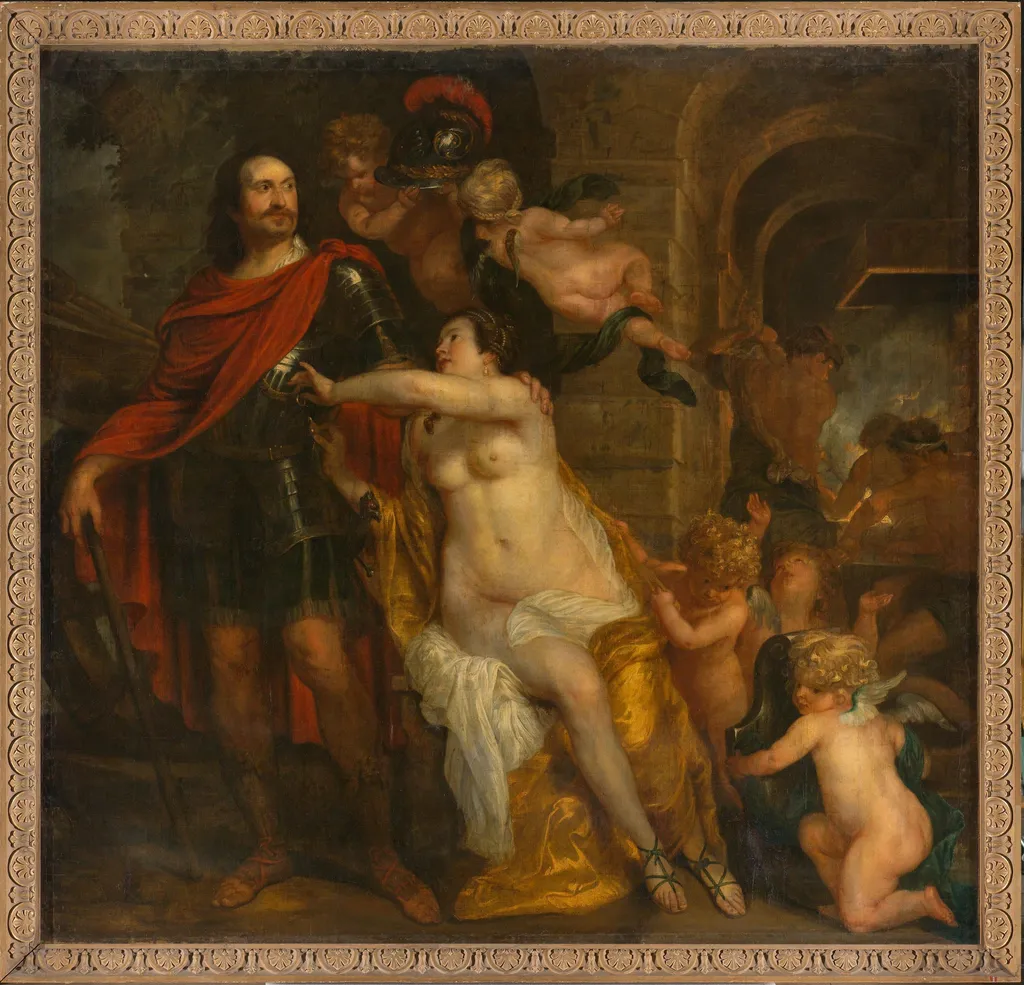
Venus Arming a Warrior, possibly Johan Maurits at the Forge of Vulcan is an unspecified painting by the Baroque artist Thomas Willeboirts Bosschaert. It dates from 1644 and is held in the collection of the Rijksmuseum.
About this work
Subject & Meaning
The painting depicts Venus, the goddess of love, in the act of arming a warrior, likely representing the allegorical theme of love preparing for conflict.
The painting depicts Venus, the goddess of love, in the act of arming a warrior, likely representing the allegorical theme of love preparing for conflict. The work functions as an allegory, a genre common in Baroque art, where mythological figures convey moral or political ideas. Its subject draws on classical mythology to explore themes of desire and warfare, reflecting the symbolic use of Venus as both a promoter of peace and a catalyst for strife. The composition aligns with the artistic trends of the Flemish Baroque, emphasizing dynamic movement and rich detail characteristic of the period.
History & Provenance
Thomas Willeboirts Bosschaert painted Venus Arming a Warrior, possibly depicting Johan Maurits at the Forge of Vulcan, around 1644. The work is classified as an allegorical painting. It is held in the collection of the Louvre in Paris, which lists it under its inventory.
The painting has been exhibited in several institutions, including the Musée des Augustins in Toulouse and the Musée des Beaux-Arts de Rouen, as documented in public collection records.
The work was part of a decorative program commissioned for the Oranjezaal at Huis ten Bosch, reflecting its cultural significance during the Dutch Golden Age.
Context
Thomas Willeboirts Bosschaert, a Flemish Baroque painter active in the mid-17th century, created Venus Arming a Warrior around 1644, reflecting the allegorical genre common in his oeuvre. His artistic development occurred within the vibrant Antwerp art scene, where he trained under Gerard Seghers and collaborated with prominent figures such as Peter Paul Rubens, Jan Fyt, and Frans Snyders, contributing to major decorative projects including the Torre de la Parada series for Philip IV of Spain and the Oranjezaal decorations for Amalia von Solms. The work aligns with his broader practice of mythological allegories influenced by Van Dyck’s style and the decorative trends of Flemish Baroque art.
Scholarly assessments, including those by Heinrich and Baudouin, situate his output within the trajectory of Flemish Baroque painting, emphasizing his role in the transmission of Rubensian and Van Dyckian influences among contemporaries. His participation in guild activities, teaching at least nine pupils, and competition with Cornelis Schut for a major altarpiece commission illustrate his professional standing. The painting’s attribution to him remains subject to ongoing study, but its stylistic and contextual placement underscores his significance within the network of 17th-century Flemish artists engaged in both devotional and ornamental painting.
Own this work as a print
Artist & collection
Artist
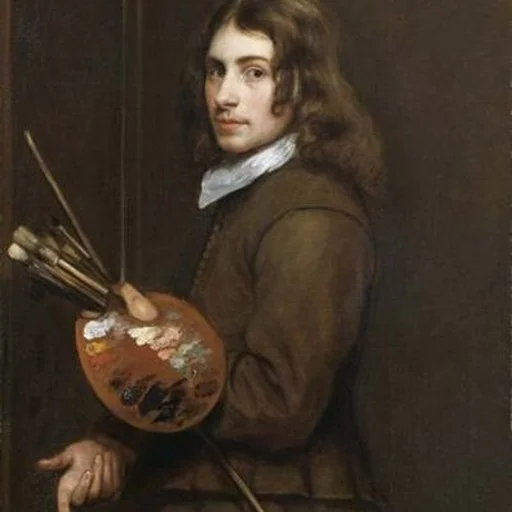
Thomas Willeboirts Bosschaert (1613–1654) was an artist, born in Bergen op Zoom.

- Allegorical depiction of Mars (Friedrich Wilhelm, elector of Brandenburg?) receiving the weapons of Venus (Louisa Henrietta, countess of Nassau?) and Vulcan
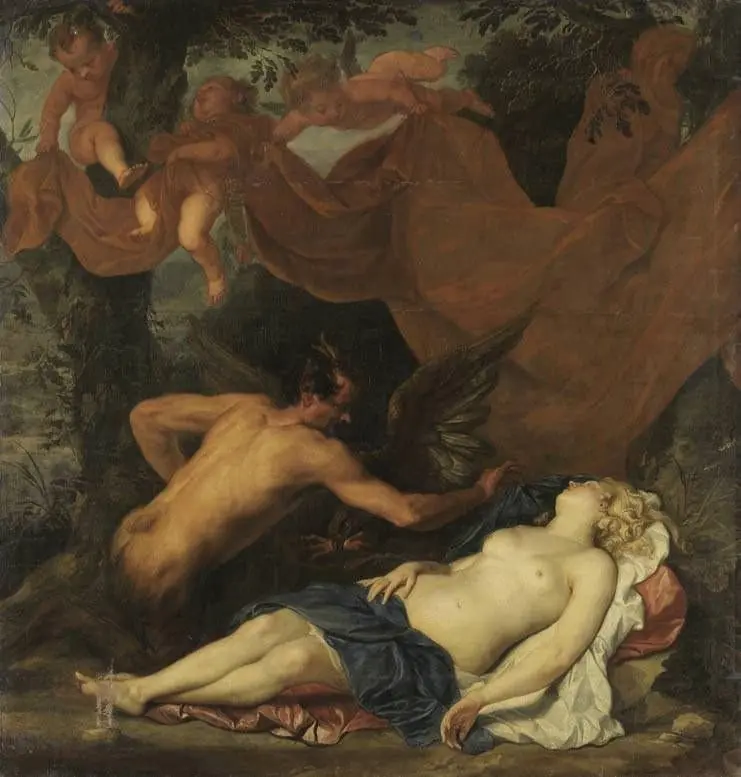 Jupiter and Antiope
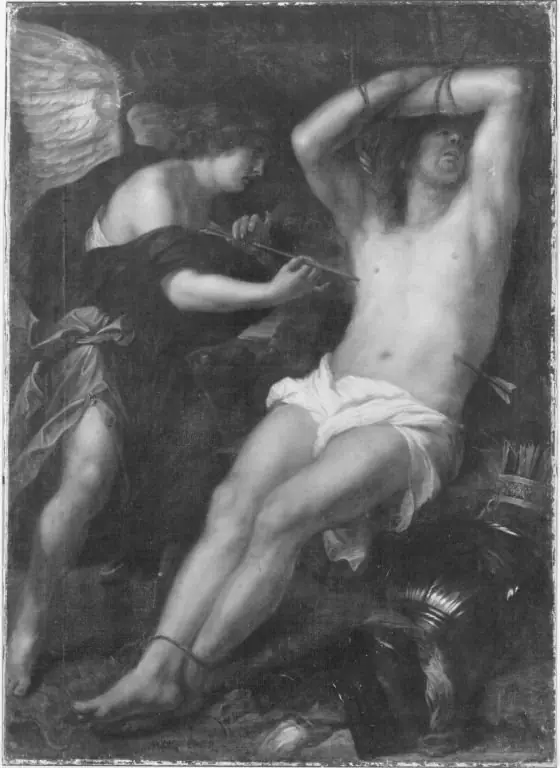 Hl. Sebastian
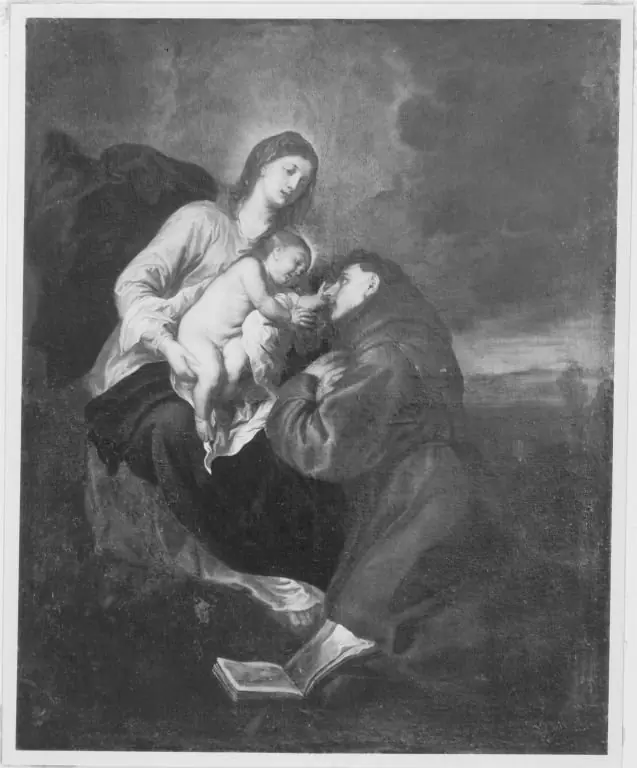 Vision des hl. Antonius von Padua
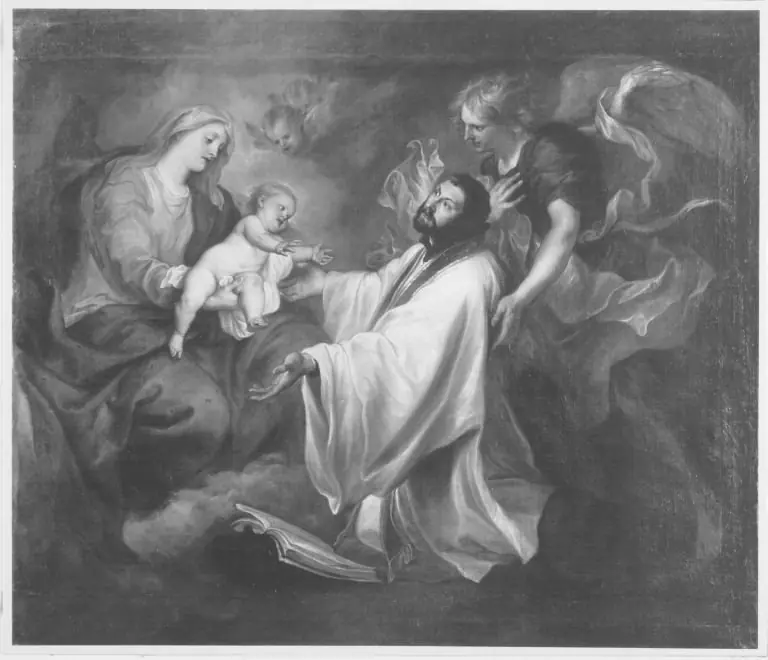 Hl. Cajetan
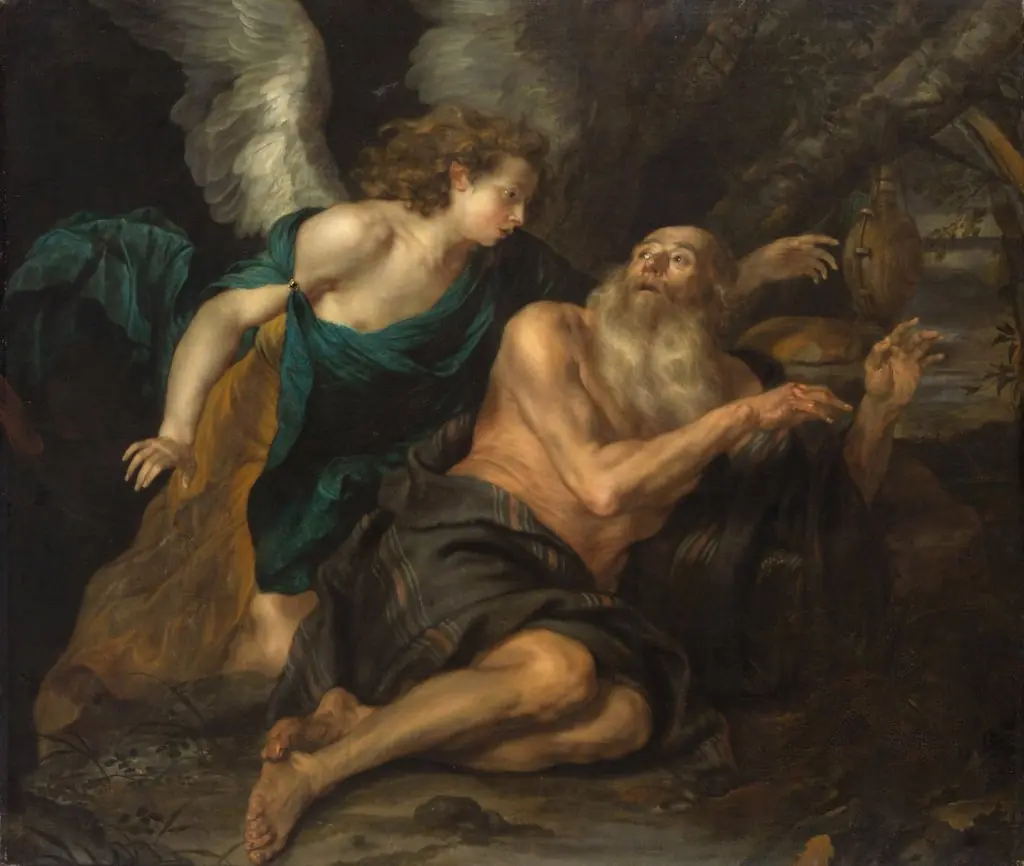 The prophet Elijah awakened by the angel on Mount Horeb (I Kings 19:5-6)
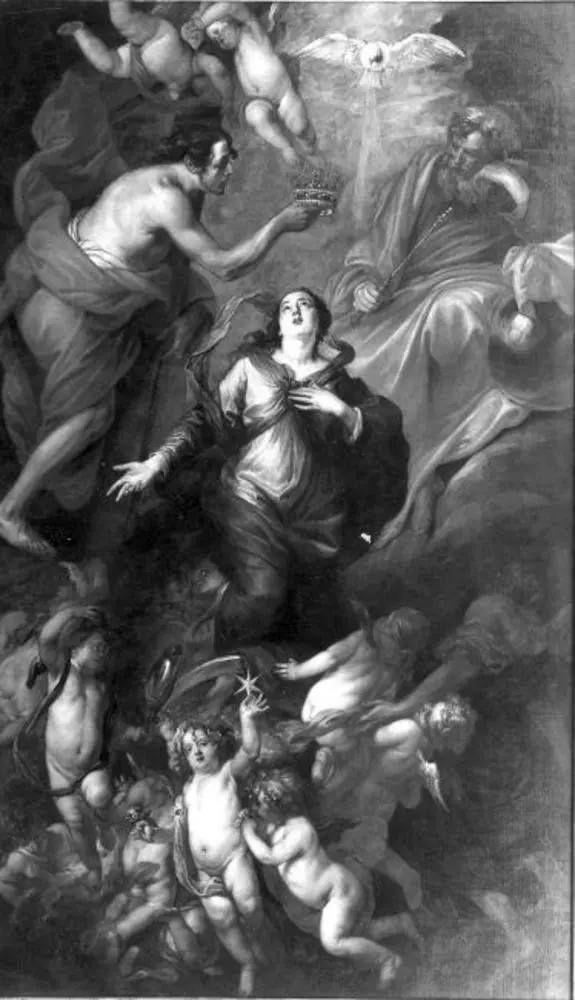 Coronation of Mary
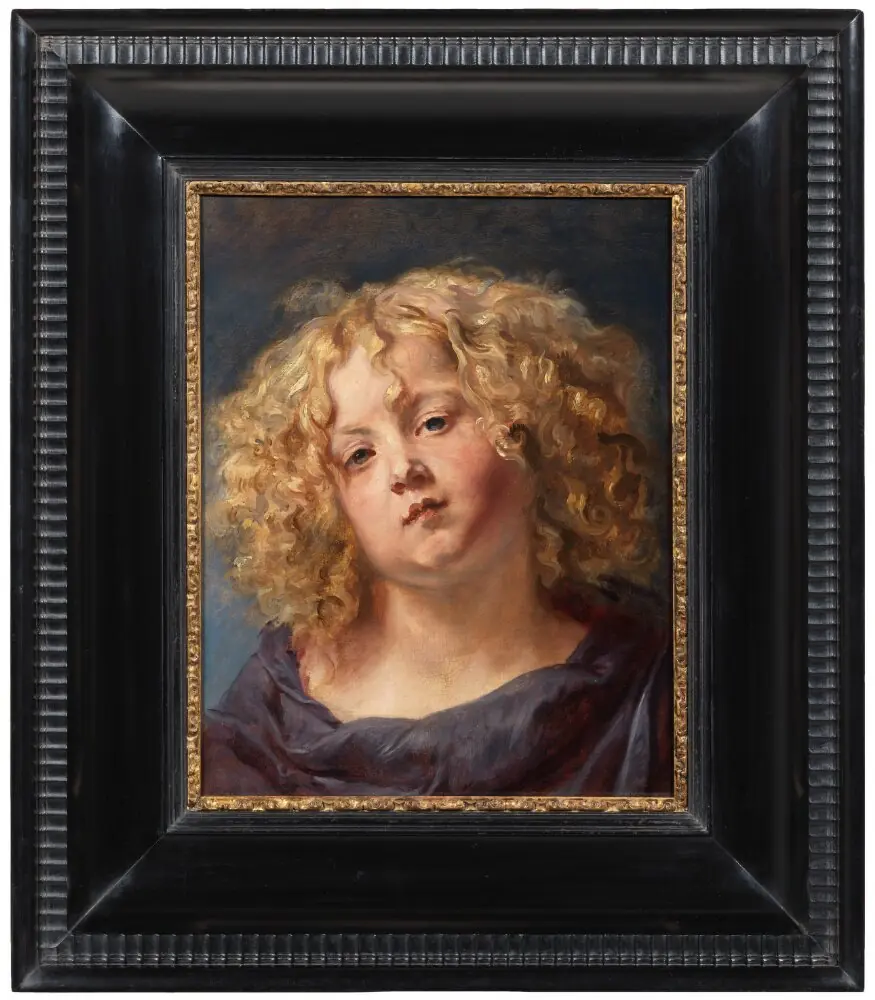 Study of a Boy's Head
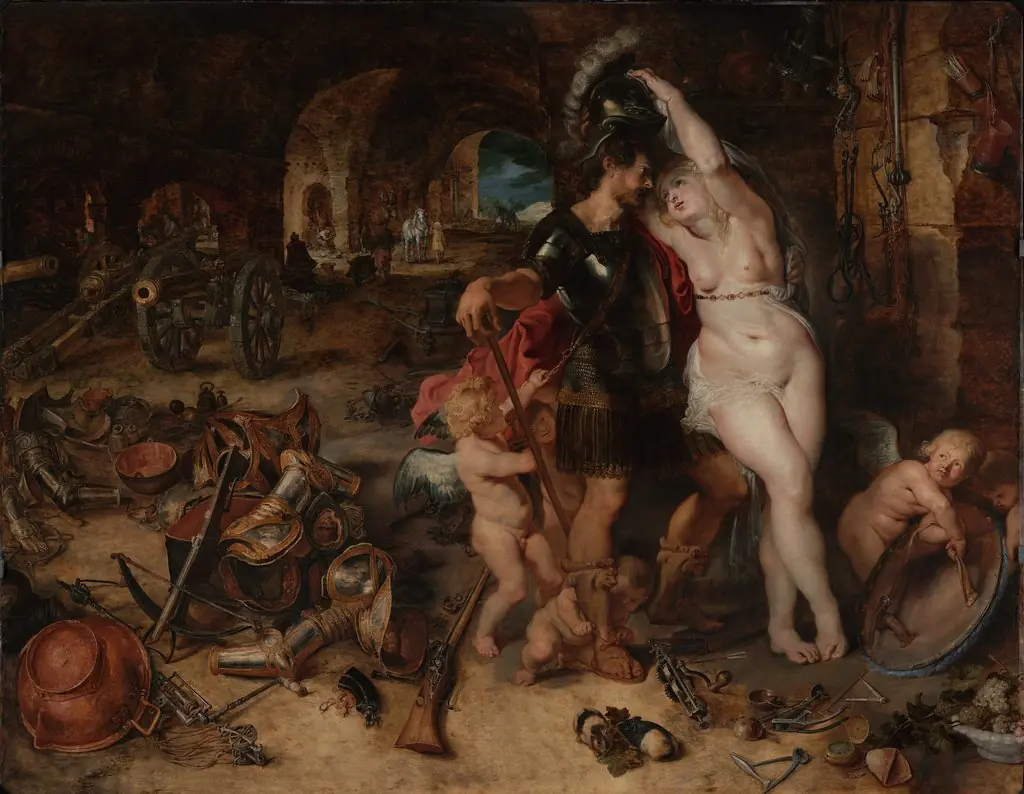 The Return from War: Mars Disarmed by Venus
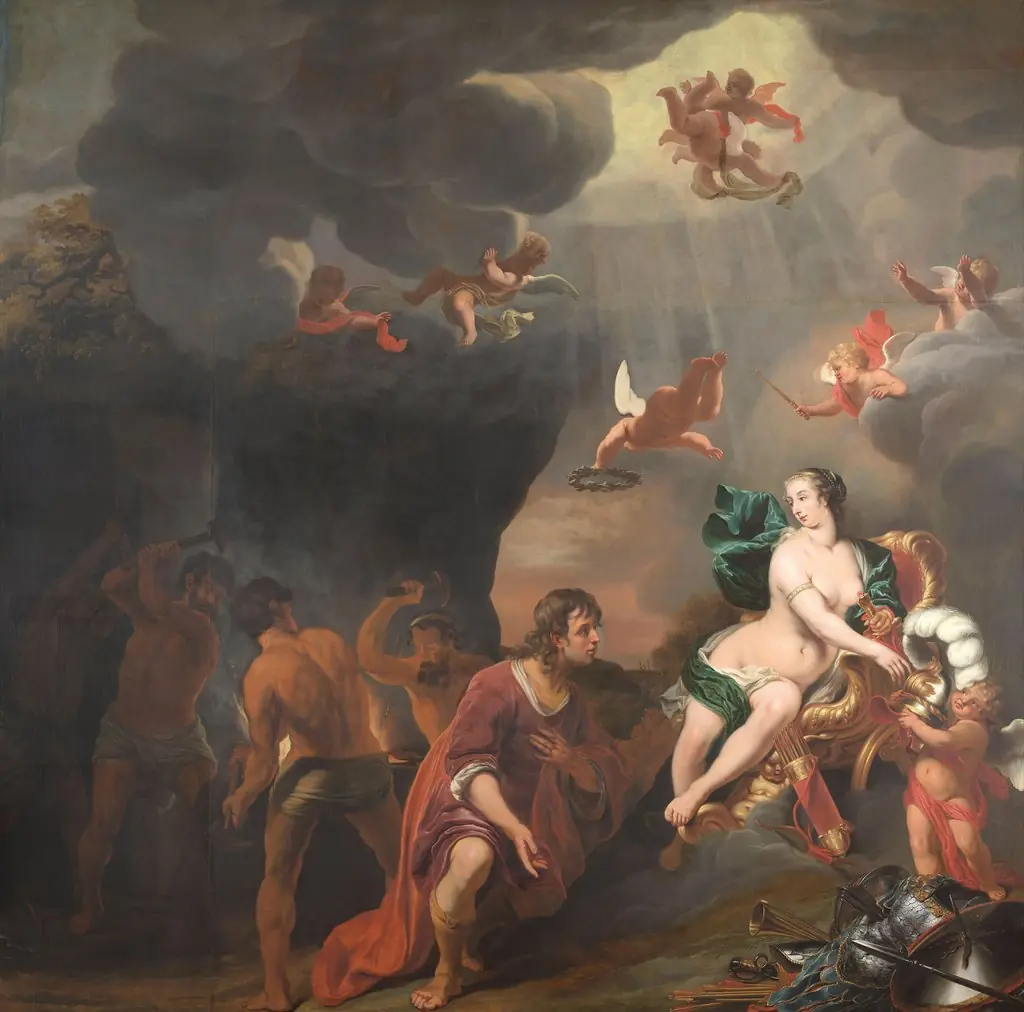 Achilles ontvangt van Thetis een nieuwe wapenrusting uit de smidse van Vulcanus
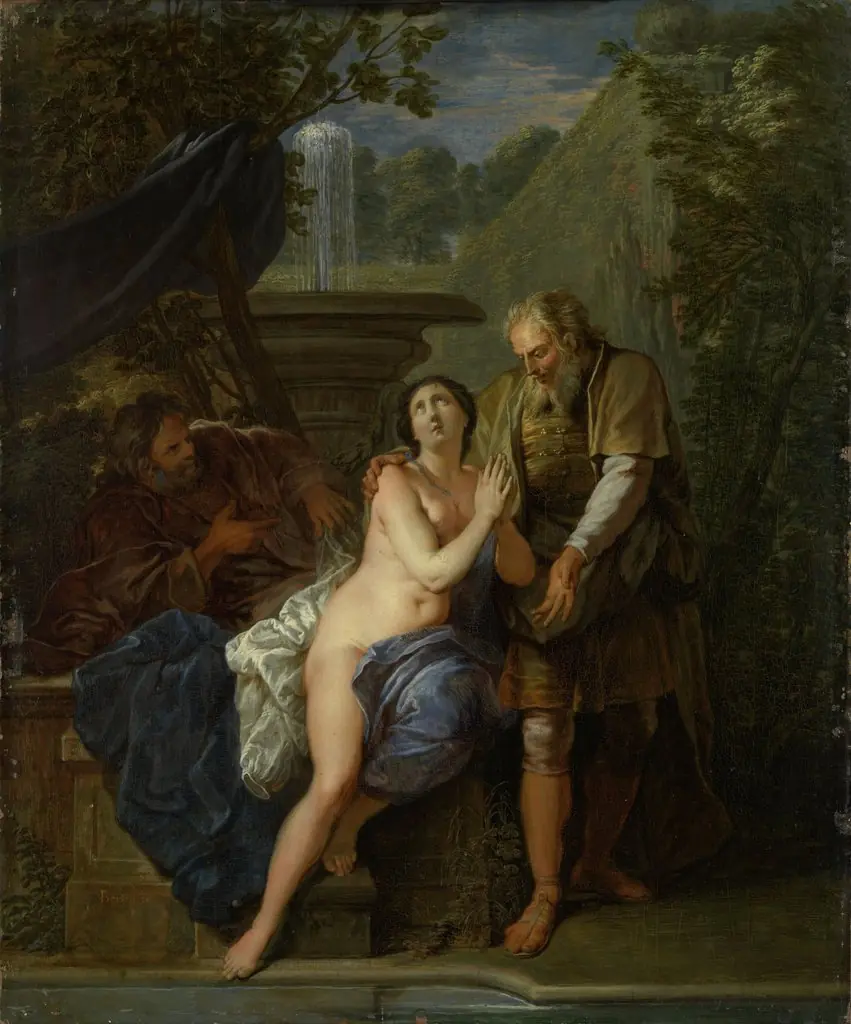 Susanna and the Elders
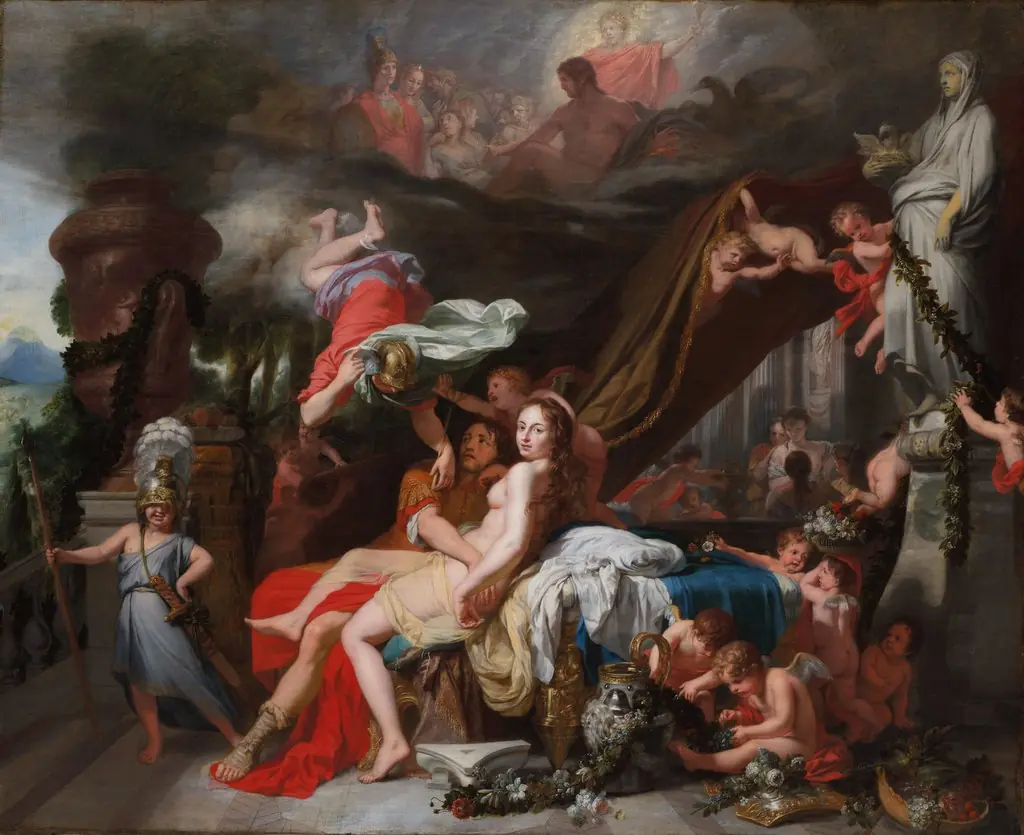 Hermes Ordering Calypso to Release Odysseus
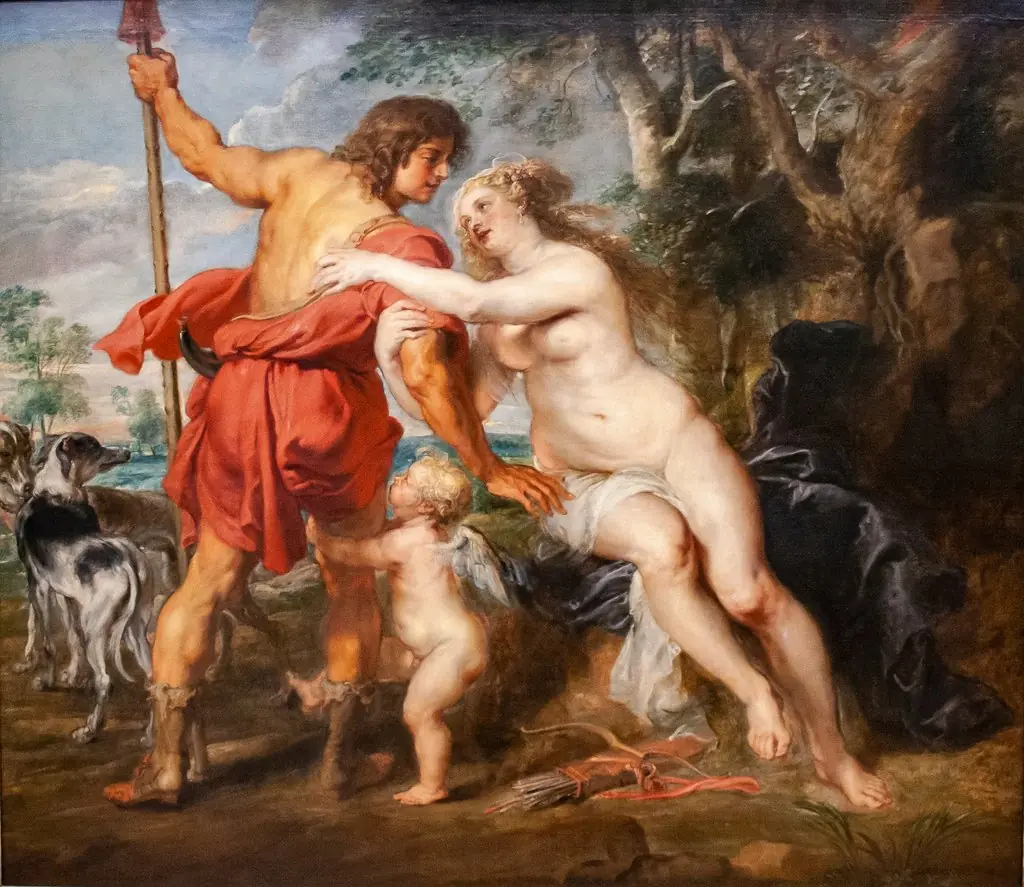 Venus and Adonis
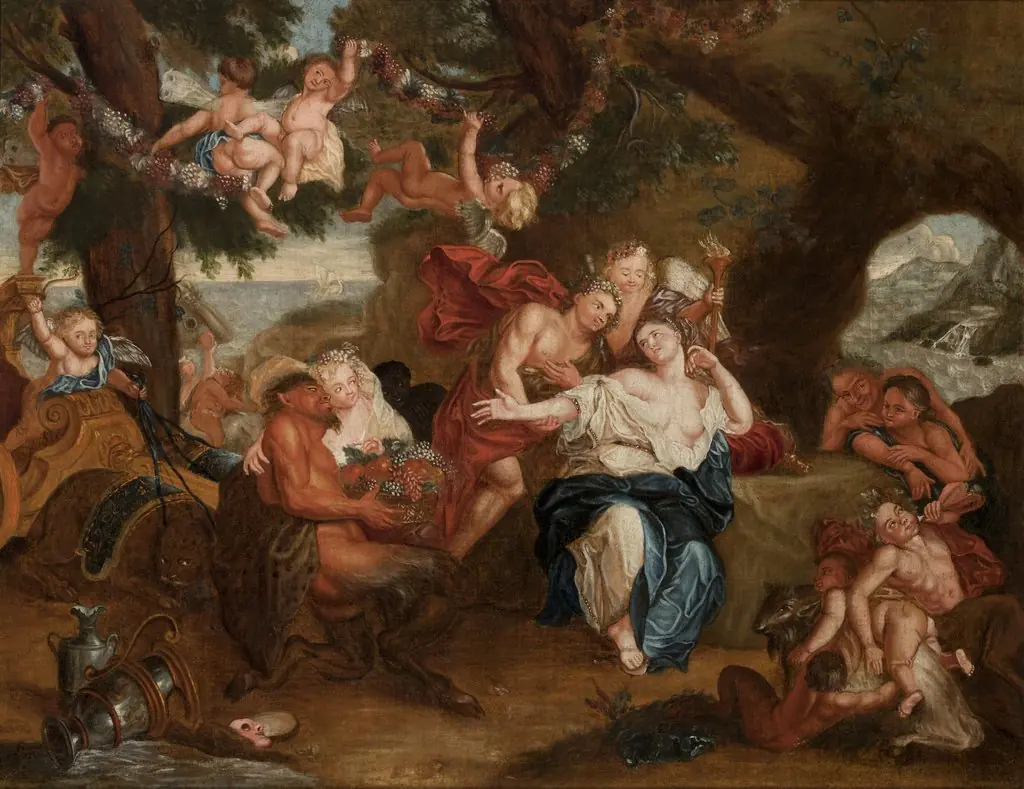 Bacchus and Ariadne on the Island of Naxos
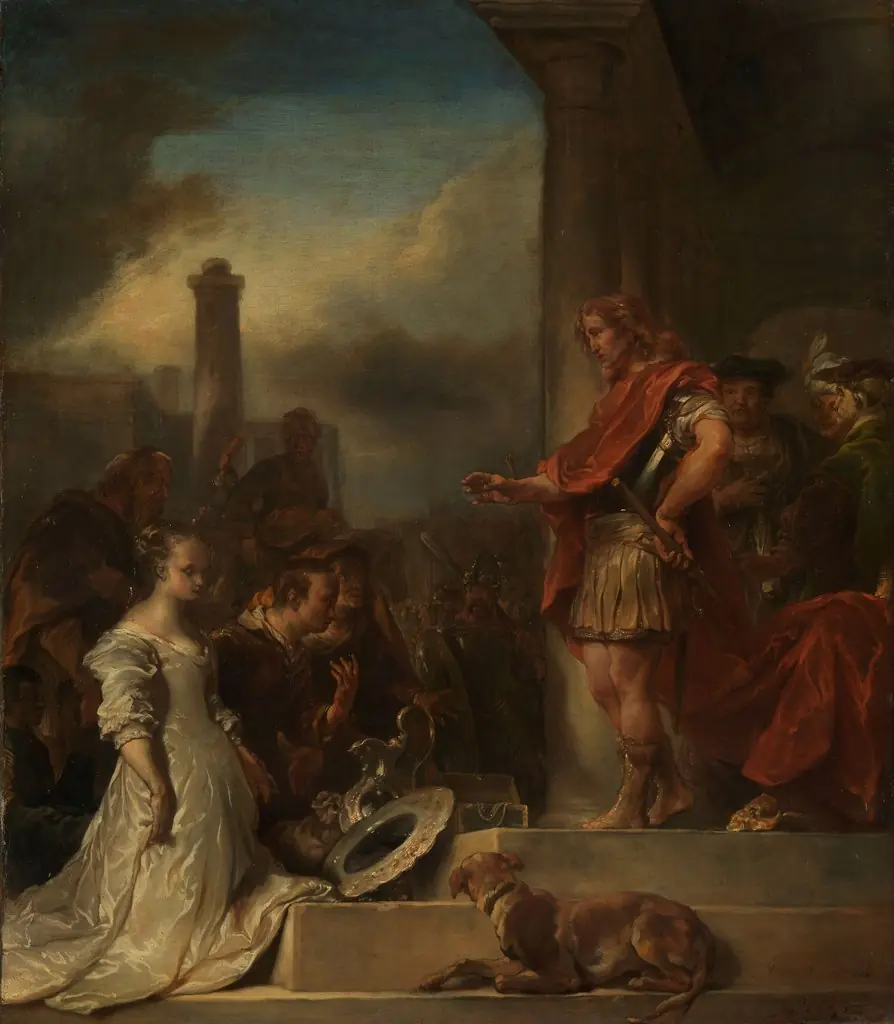 The continence of Scipio
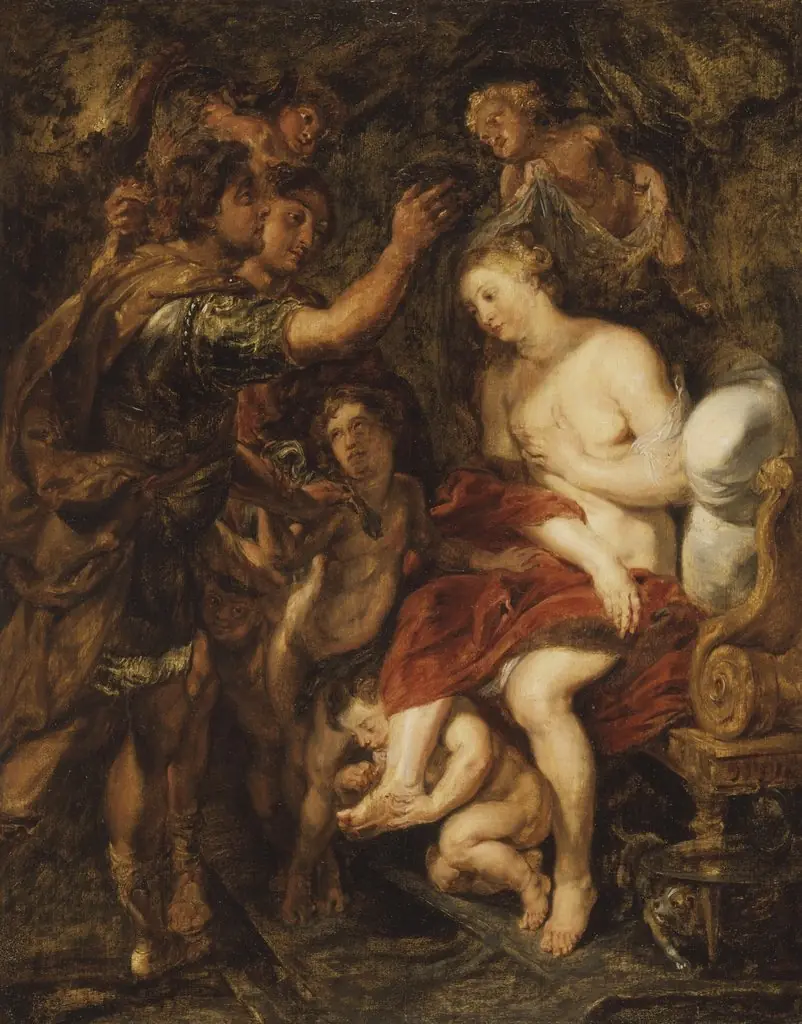 The Crowning of Roxana
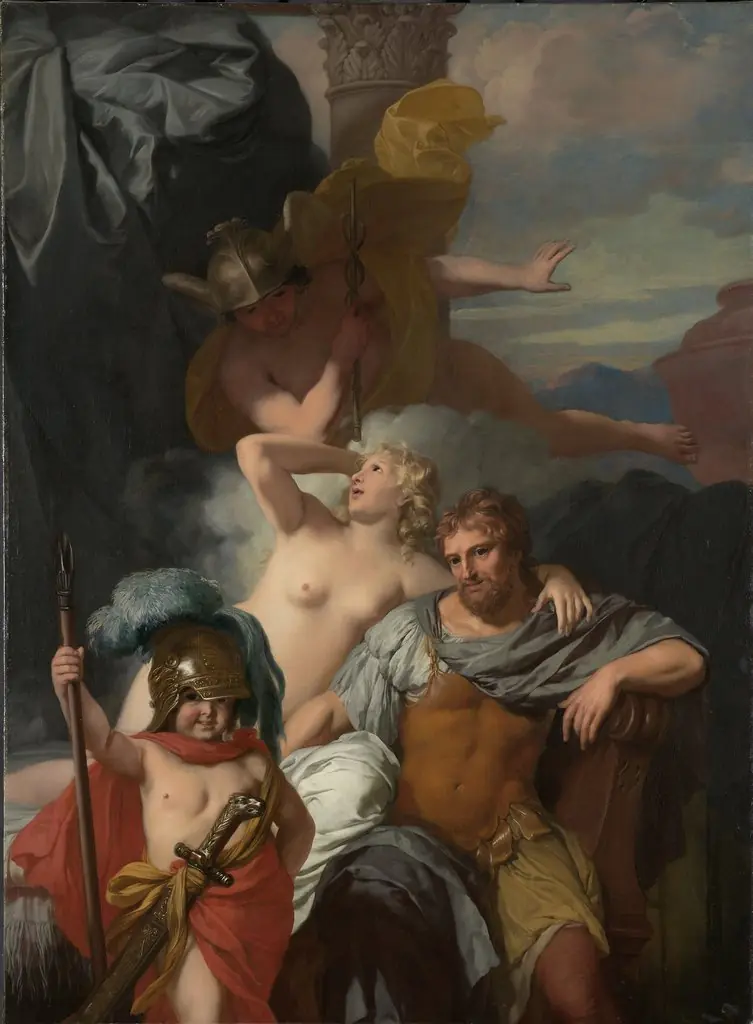 Mercury Ordering Calypso to Release Odysseus