Artwork
Portrait of the Venetian Painter Giovanni Bellini (?)
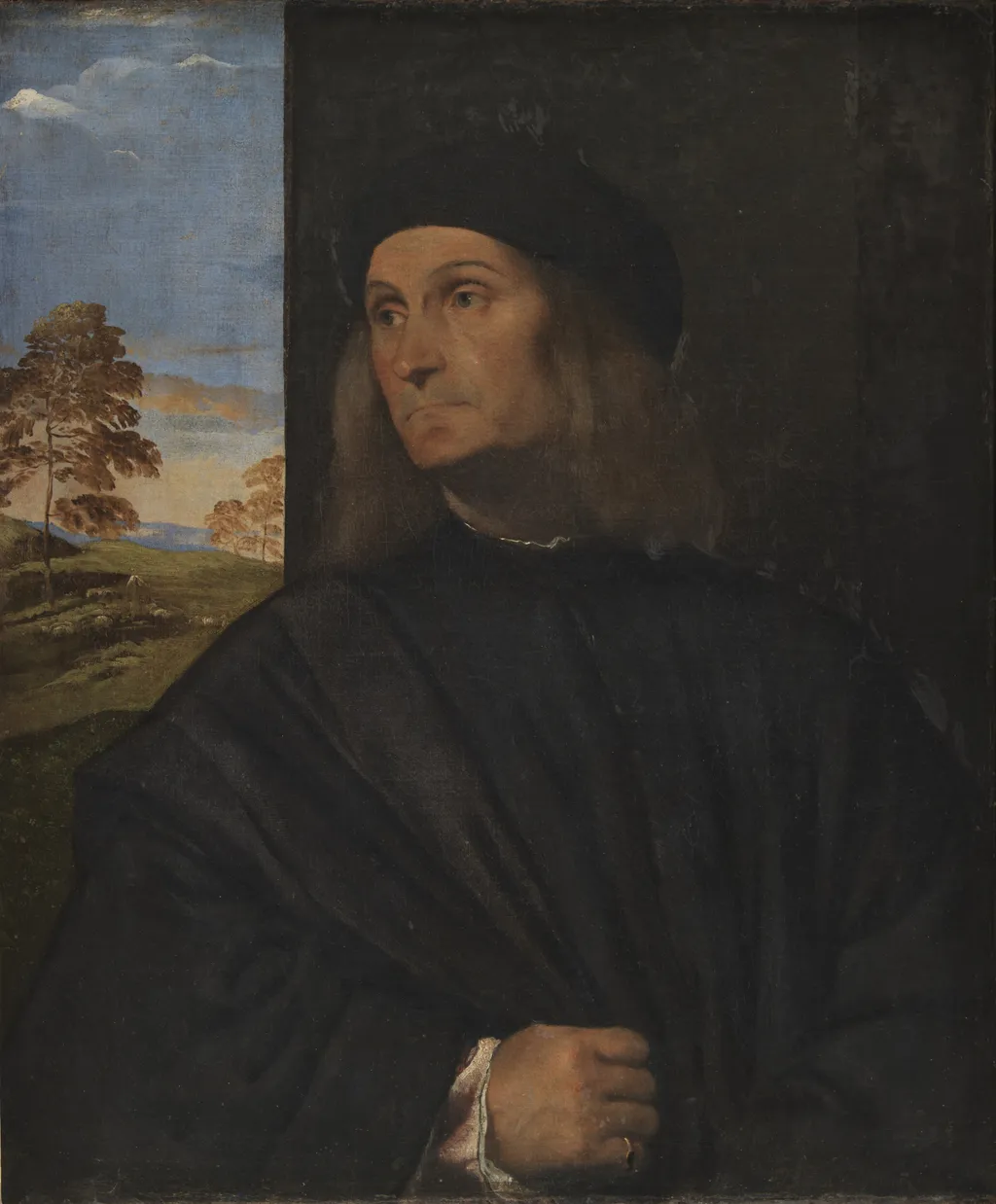
Portrait of the Venetian Painter Giovanni Bellini (?) is an oil painting by the High Renaissance artist Titian. It dates from 1511 and is held in the collection of the Statens Museum for Kunst.
About this work
Subject & Meaning
The young Titian may have intended the portrait to demonstrate his talent and secure official commissions from the city.
The painting depicts a half-length man whose face turns toward an unseen interlocutor, while his body is angled in the opposite direction, an innovative posture that introduces a dynamic element into the traditionally static Venetian portrait format. The identification of the sitter as Giovanni Bellini, Titian's old master, was first proposed in 1987 by Jürgen Rapp, who based his argument on a resemblance to a medal and a drawing of the Venetian painter. Because this identification remains uncertain, the man could alternatively be a member of the confraternity of Saint Anthony of Padua, the work is also known as Portrait of a Man.
The subject wears black, the official costume of the highest classes of the Venetian Republic. To the left, a window, a typical motif in Venetian portraiture, opens onto a luminous rural landscape with a shepherd and his flock, a pastoral reference alluding to Bellini's own role in introducing such landscape compositions into Venetian art. The young Titian may have intended the portrait to demonstrate his talent and secure official commissions from the city.
Technique & Style
The portrait was executed in oil on canvas, measuring approximately 80 cm by 66 cm, and is dated to 1511. The work belongs to the High Renaissance Venetian school and exemplifies Titian's early portraiture, employing a half-length figure set against a dark interior with a window that reveals a bright rural landscape. The sitter's gaze turns away from an unseen interlocutor while his body faces the opposite direction, creating a dynamic tension unusual for the period.
This compositional device echoes motifs introduced by Giovanni Bellini, linking the piece to Venetian portrait tradition. The painting's handling of light and color reflects the vibrant palette characteristic of Venetian art.
History & Provenance
Dated by various sources to 1511 or circa 1514, this oil painting is considered an early work by Titian, potentially created to demonstrate his talent for official commissions. The identification of the sitter as Giovanni Bellini was first proposed in 1987 by Jürgen Rapp, though the subject remains uncertain and the work is also known as Portrait of a Man.
The painting's documented history begins in a Swedish collection in 1828. It was subsequently owned by the painter Johann Dominik Bossi (also called Domenico Bossi) and the Swedish count Gustaf Trolle-Bonde. In 1912, the Ny Carlsberg Glyptotek purchased the work for 70,000 kronen.
Since 1922, it has been held on loan by the Statens Museum for Kunst in Copenhagen. The specific inventory or accession number is not recorded in the consulted sources.
Context
Attributed almost unanimously to Titian, this early work (c. 1511–1514) represents a pivotal moment in the artist's development and the Venetian school. The painting is widely discussed for its innovative composition, where the sitter's body and gaze face opposite directions, introducing dynamic movement to the traditionally static portraiture of the era. While the museum identifies the subject as Giovanni Bellini, Titian's former master, this remains a hypothesis; some scholars suggest the figure could be a member of the Brotherhood of Saint Anthony of Padua or simply an unidentified man.
The inclusion of a luminous rural landscape visible through a window reflects a compositional element Bellini helped introduce to Venetian art. Art historical analysis often links this piece to Titian's The Concert, noting shared stylistic traits as the young artist sought to demonstrate his capability for official civic commissions.
Overview
Titian’s oil portrait, executed in 1511, presents the Venetian painter Giovanni Bellini. The work is part of the High Renaissance corpus and is currently in the collection of the Statens Museum for Kunst.
Own this work as a print
Artist & collection
Artist
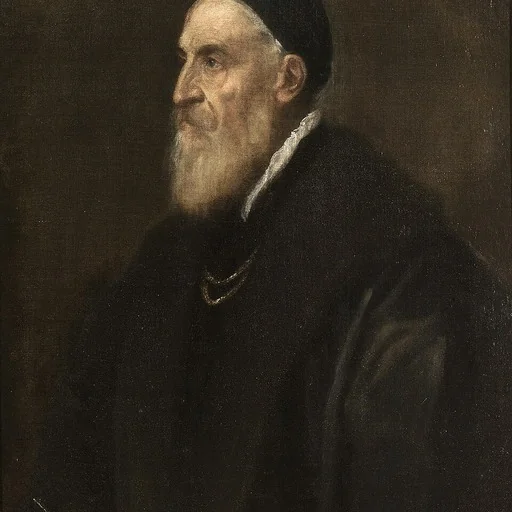
Tiziano Vecellio (Italian:; c. 1488/1490 – 27 August 1576), Latinized as Titianus, hence known in English as Titian ( TISH-ən), was an Italian Renaissance painter. The most important artist of Renaissance Venetian…

 Portrait of a Man
 Portrait of a Young Man
 Portrait of a young man in red garment
 Portrait of a Man
 Portrait of a Young Man
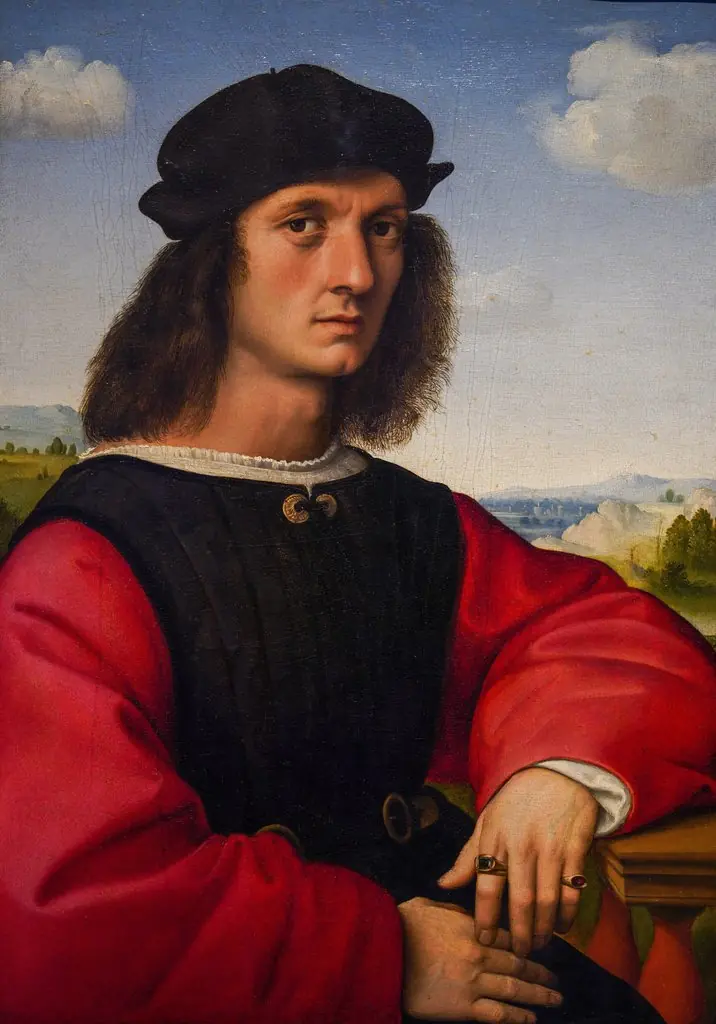 Portrait of Agnolo Doni
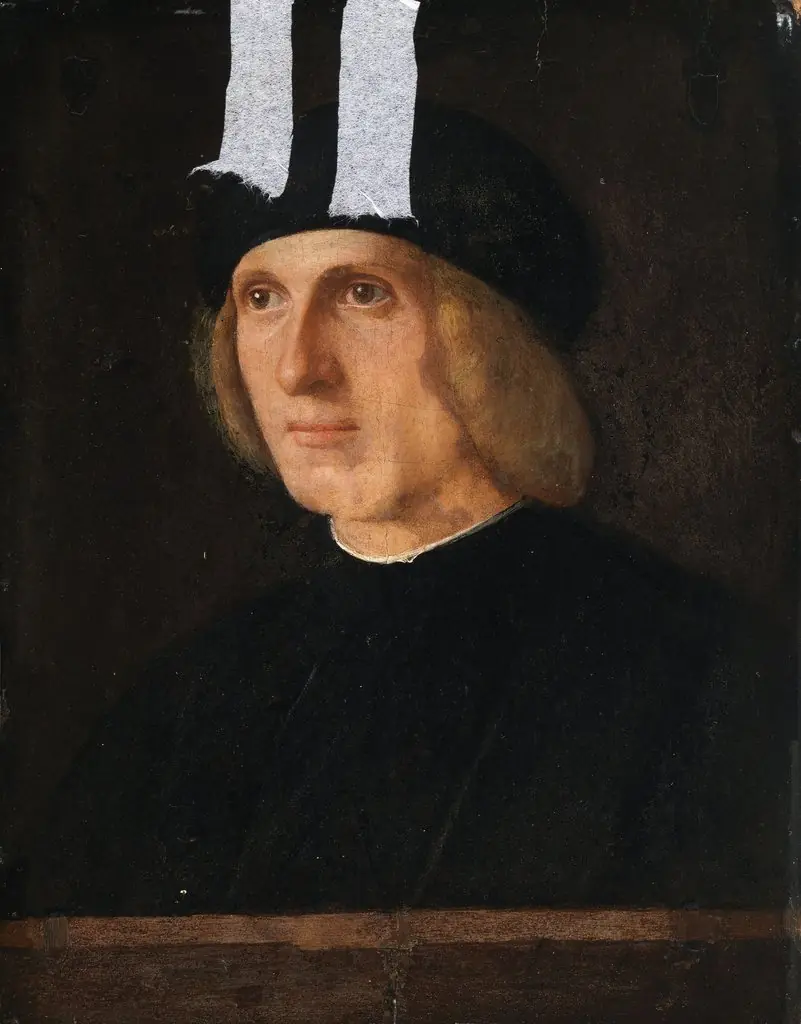 Head of a Gentleman
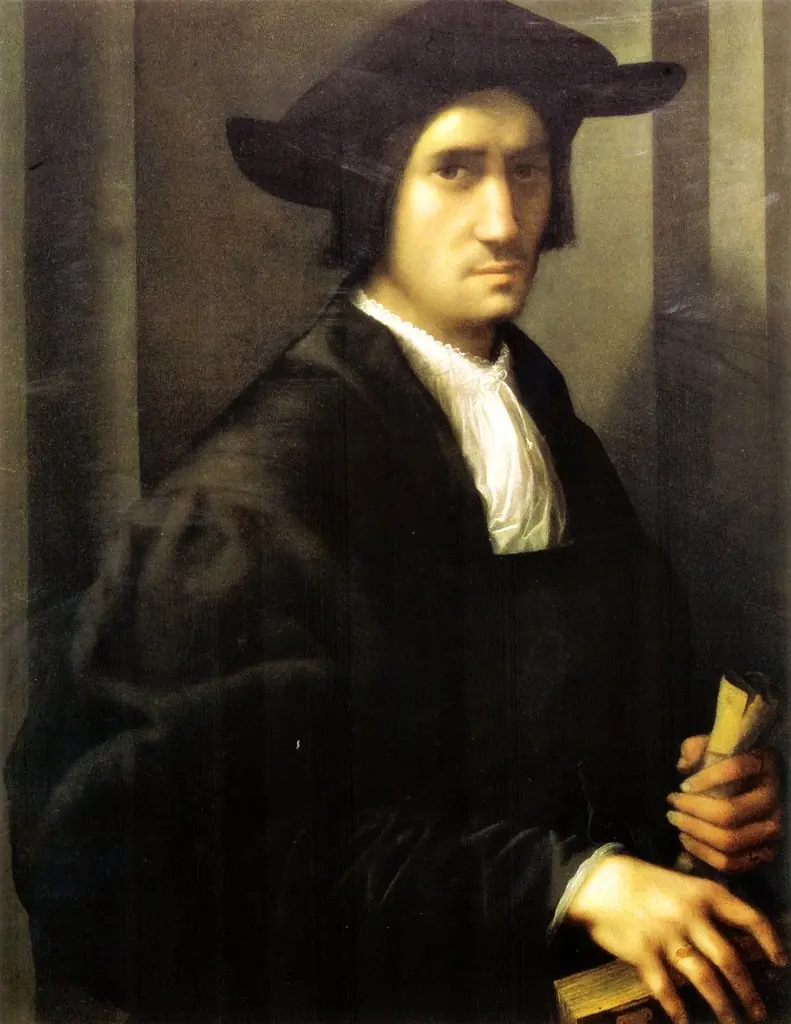 Portrait of a Young Man in Black
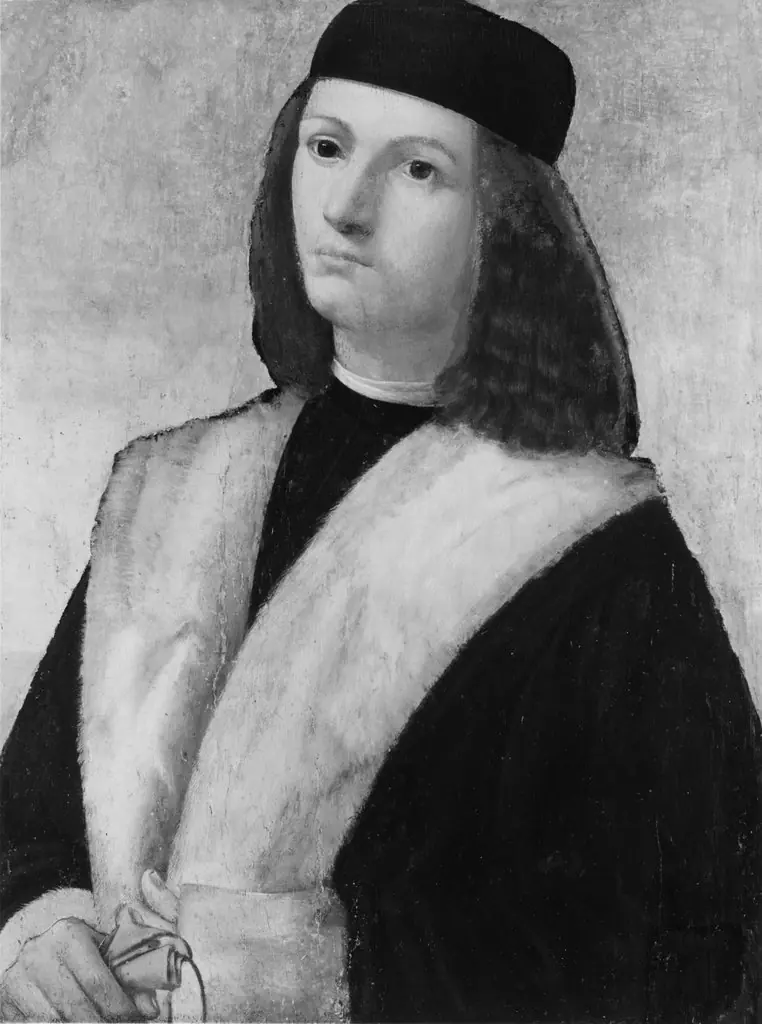 Portrait of a Young Man with Fur Collar
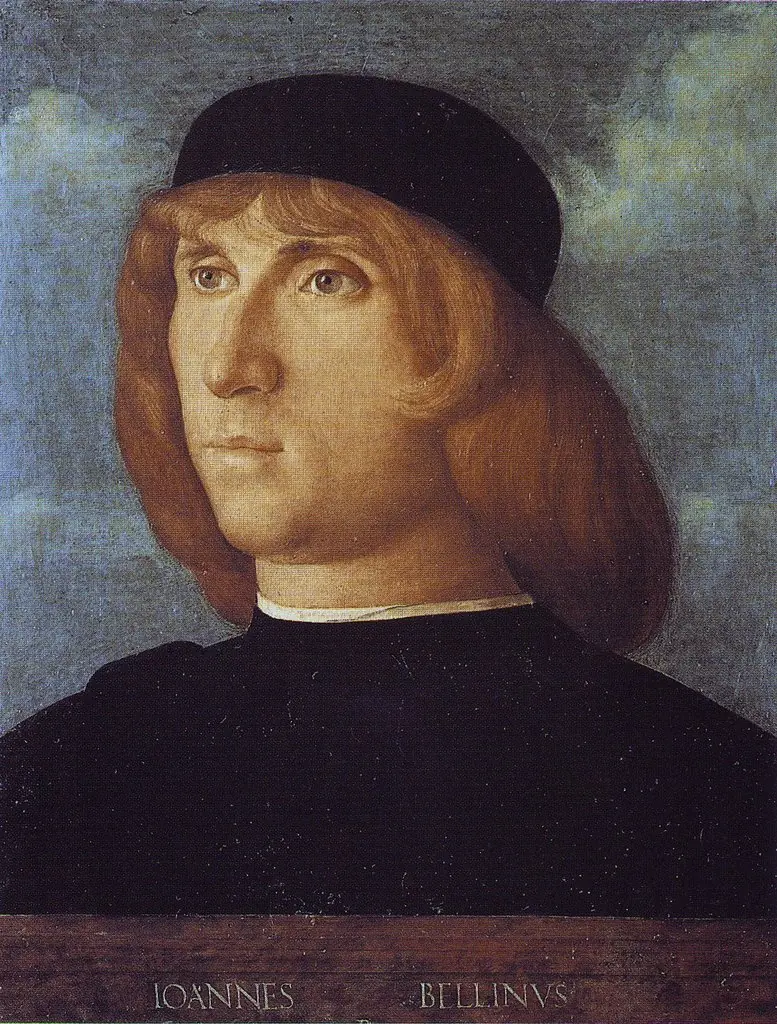 Portrait of a man
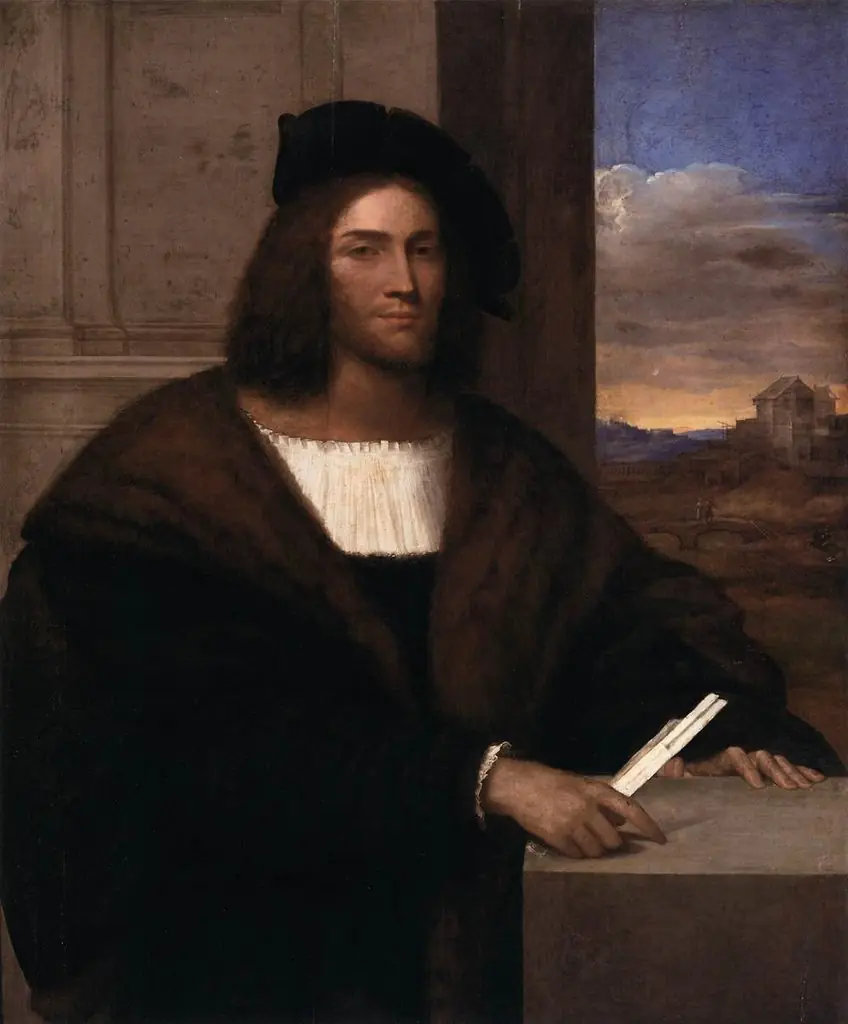 Portrait of a Man
- Portrait of the Venetian Painter Giovanni Bellini (?)