Artwork
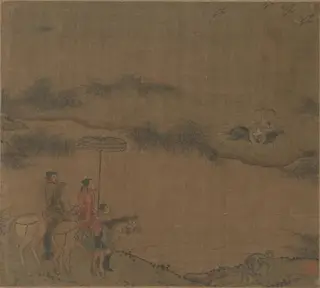
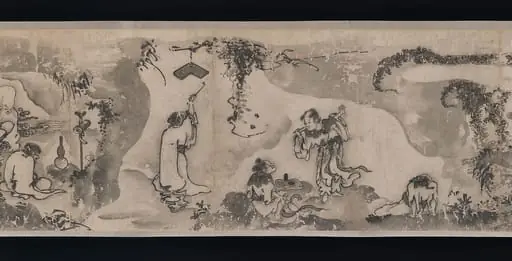
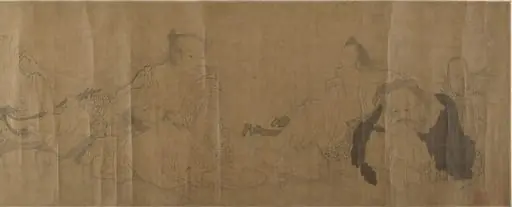
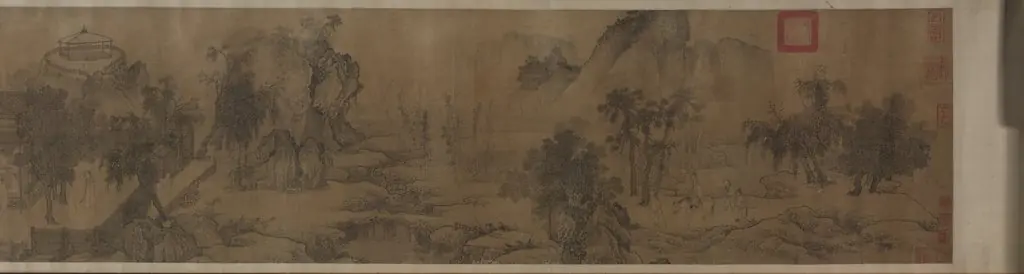
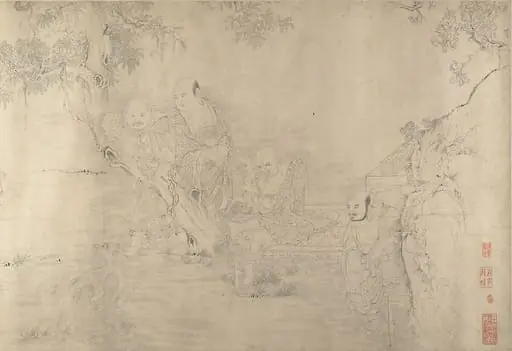
明 /清 佚名 李公麟 偽款 龍王請齋圖 卷|Buddhist luohans crossing the sea to the palace of the dragon king
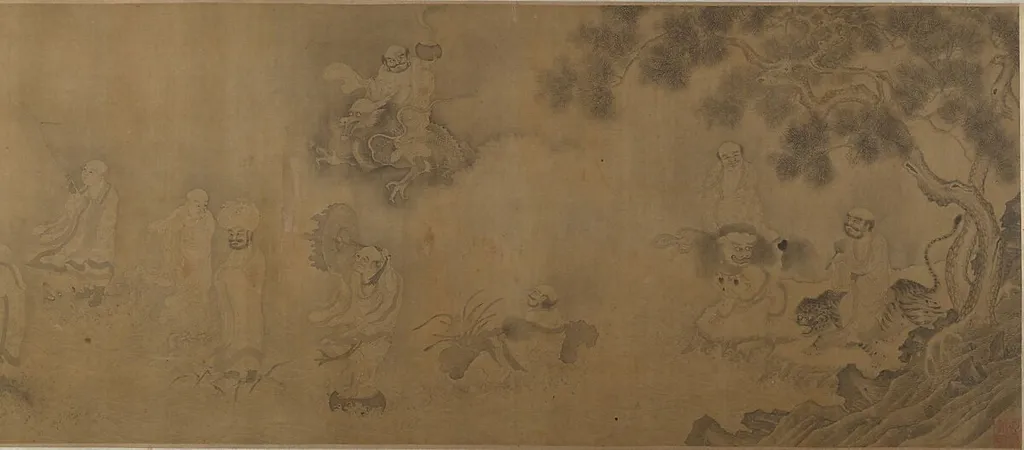
明 /清 佚名 李公麟 偽款 龍王請齋圖 卷|Buddhist luohans crossing the sea to the palace of the dragon king is an ink painting. It dates from 1600 and is held in the collection of the Metropolitan Museum of Art.
- Accession no.
- 18.25.1
- Credit line
- Rogers Fund, 1918
About this work
Technique & Style
The choice of ink on silk as the primary medium and support aligns with traditional Chinese painting practices of the Ming or Qing dynasties.
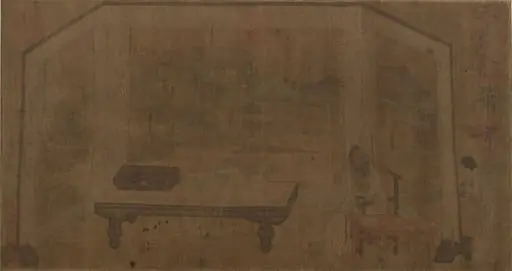
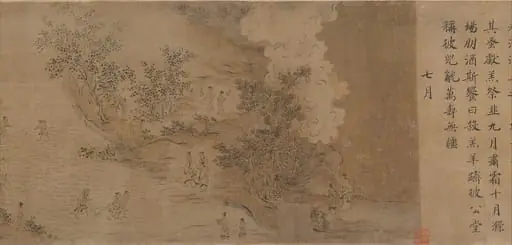
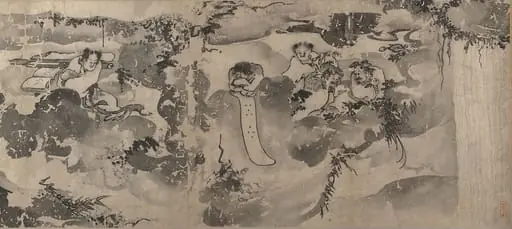
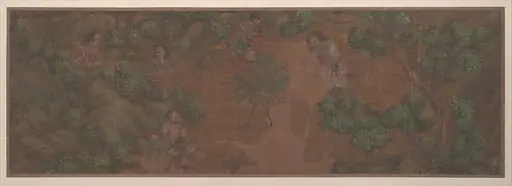
Executed circa 1600 in China, this work is a handscroll painted with ink on silk. As a religious piece attributed to an anonymous artist, it depicts Buddhist luohans traversing the sea toward the dragon king's palace. The composition features figures alongside mythical and real animals, specifically dragons, lions, and tigers.
The choice of ink on silk as the primary medium and support aligns with traditional Chinese painting practices of the Ming or Qing dynasties. The format as a handscroll dictates a continuous narrative viewing experience, unrolling horizontally to reveal the journey of the subjects. While specific handling conditions or current conservation status are not detailed in the available records, the material construction relies on the flexibility and texture of silk to carry the monochromatic ink washes and line work characteristic of the period's religious iconography.
History & Provenance
Created in China around 1600, this handscroll painted in ink on silk is attributed to an unknown artist, despite bearing a spurious signature of the Song dynasty master Li Gonglin. The work, which illustrates Buddhist luohans traversing the sea to visit the Dragon King, entered the collection of the Metropolitan Museum of Art. No specific details regarding its original commission, intermediate ownership history, or the precise circumstances of its creation beyond its approximate date and place of origin are provided in the available records.
Overview
This handscroll, titled Buddhist Luohans Crossing the Sea to the Palace of the Dragon King, is an ink on silk painting from the Ming or Qing dynasty. Its anonymous creator depicted a vibrant narrative, illustrating a journey of Buddhist holy figures across a dynamic ocean. The artwork's detailed execution and lively subject matter offer insight into religious painting traditions of the period.
Subject & Meaning
The scroll portrays a significant Buddhist narrative, showing luohans, enlightened disciples of the Buddha, undertaking a perilous sea voyage. Their destination is the aquatic palace of the Dragon King, a powerful deity in Buddhist and Daoist cosmology. The scene is enlivened by a menagerie of creatures, including formidable lions, mythical dragons, and powerful tigers, emphasizing the extraordinary nature of the journey.
Artist & collection