Artwork
宋/明? 佚名 仿王齊翰 挑耳圖 卷|Library Scene
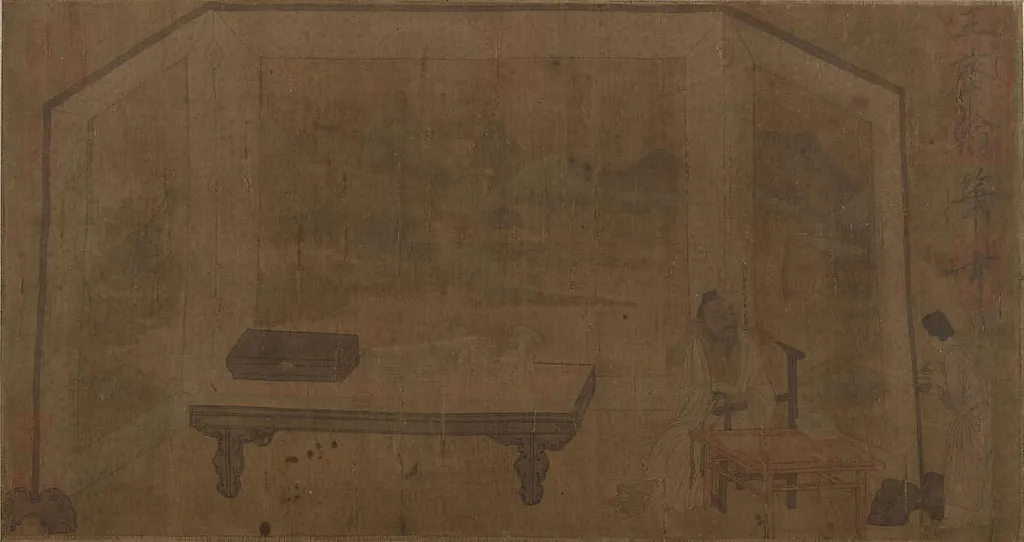
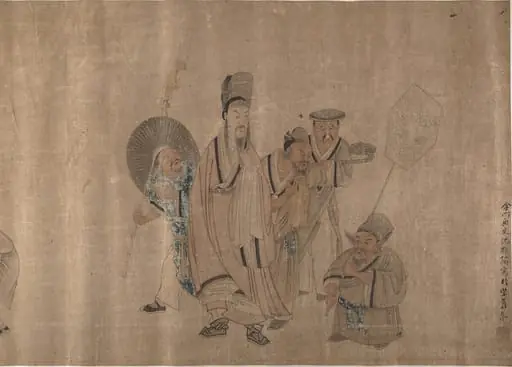
宋/明? 佚名 仿王齊翰 挑耳圖 卷|Library Scene is an ink painting by the Song dynasty painting artist After Wang Qihan. It dates from 1000 and is held in the collection of the Metropolitan Museum of Art.
About this work
Subject & Meaning
The presence of books and the interior space conveys a cultured, literate environment, emphasizing the value placed on learning and the exchange of knowledge.
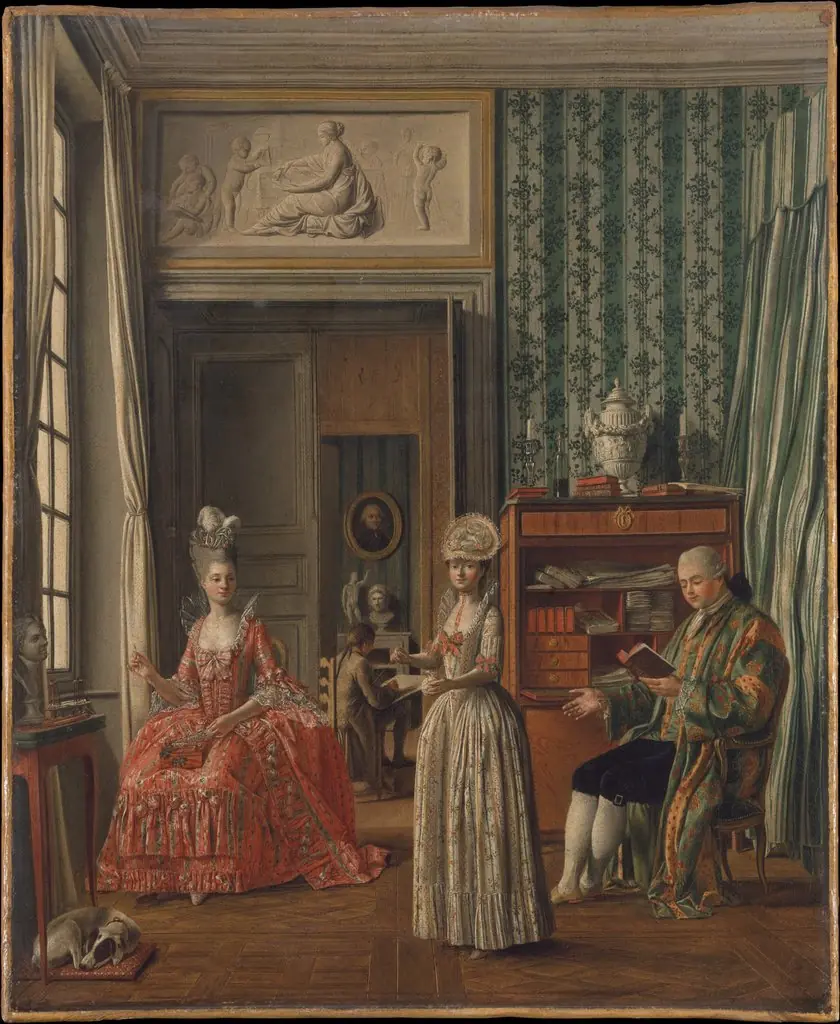
The handscroll depicts a library interior in which a man and a woman are seated at a table surrounded by books. The arrangement of figures, table, and volumes suggests a scene of reading, study, or scholarly conversation within a domestic setting. The presence of books and the interior space conveys a cultured, literate environment, emphasizing the value placed on learning and the exchange of knowledge.
History & Provenance
The handscroll is attributed to an anonymous painter working after Wang Qihan and is dated to circa 1000, placing its creation in the Song dynasty of China. It is executed in ink and color on silk as a genre scene depicting a library interior. According to the museum record, the work is part of the collection of the Metropolitan Museum of Art in New York, where it is currently housed. No further details about earlier ownership, commission, or specific acquisition are provided in the sources.
Overview
This handscroll, titled Library Scene (挑耳圖), is an ink and color painting on silk, attributed to an anonymous artist working during the Song or Ming dynasty. It presents a domestic interior, notable for being among the earliest known Chinese artworks to specifically depict a private library. The piece offers a glimpse into scholarly life and quiet contemplation within a personal setting.
Technique & Style
Executed in ink and color on silk, the artwork demonstrates a meticulous attention to detail in its depiction of ordinary life. The artist rendered the scene with a careful hand, capturing subtle elements such as the play of light across the books. This approach results in an honest and understated portrayal, prioritizing a faithful representation of the domestic setting over grandiosity.
Context
Dating from either the Song or Ming dynasty, this handscroll holds significance as one of the earliest surviving Chinese artworks that explicitly features a private library. Its detailed depiction of a personal collection of books provides valuable insight into the intellectual and domestic culture of the period, reflecting the growing importance of private scholarship and literary pursuits.
Artist & collection

 明/清 佚名 舊傳郭煕 關山行旅圖 卷|Traveling amid Mountains
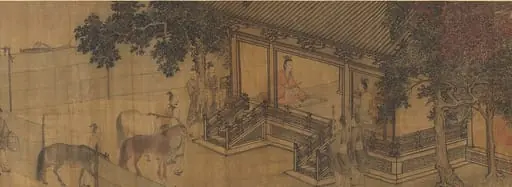 南宋 傳 李唐 晉文公復國圖 卷|Duke Wen of Jin Recovering His State
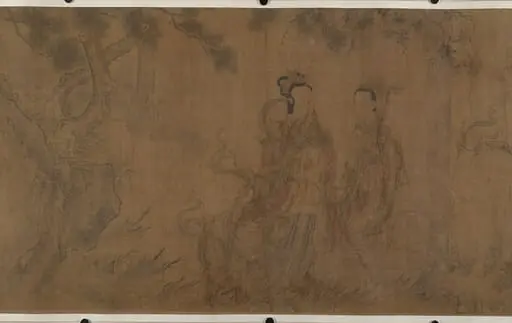 元? 佚名 仿李公麟 屈原九歌圖 卷|The Nine Songs: Illustrations to the poems of Qu Yuan (343–277 B.C.)
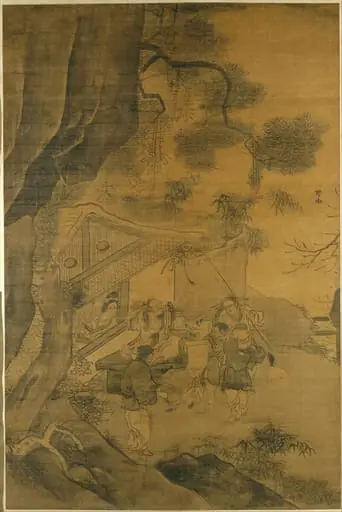 明 張路 觀畫圖 軸|Studying a painting
 Untitled
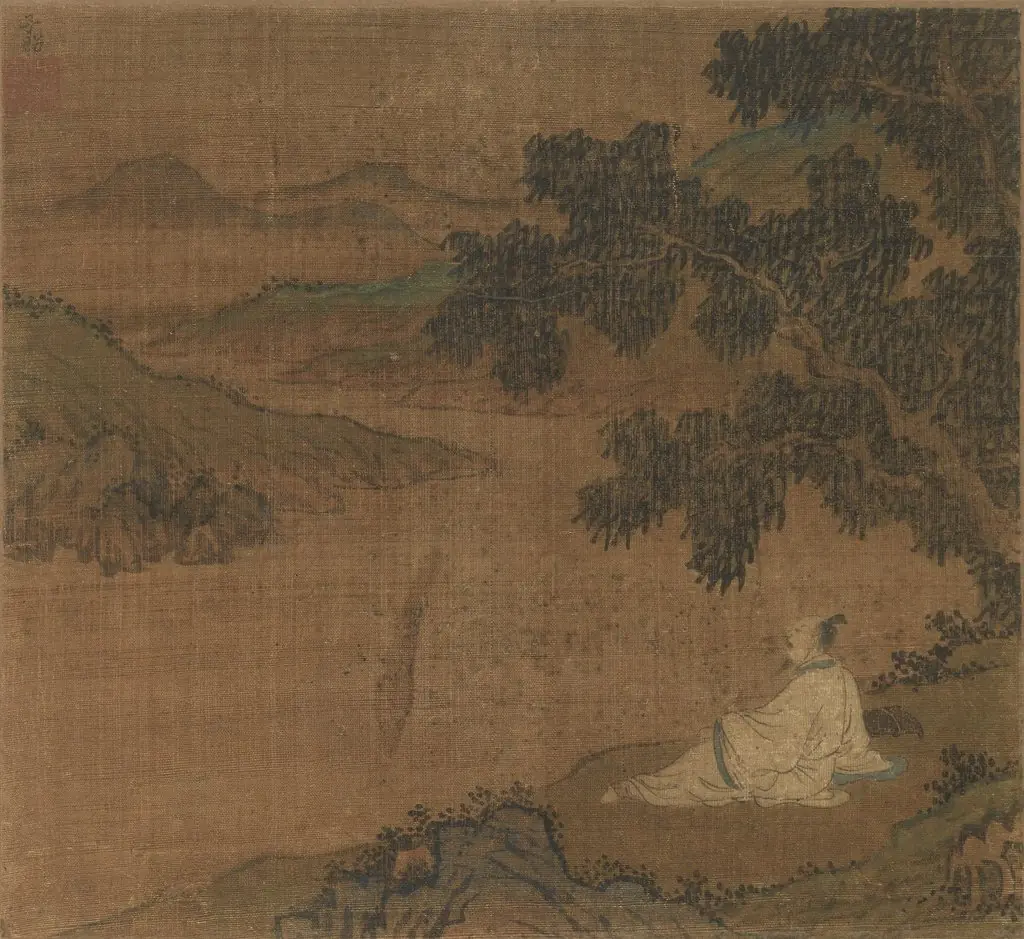 Man on a Hillside under a Tree Overlooking a River
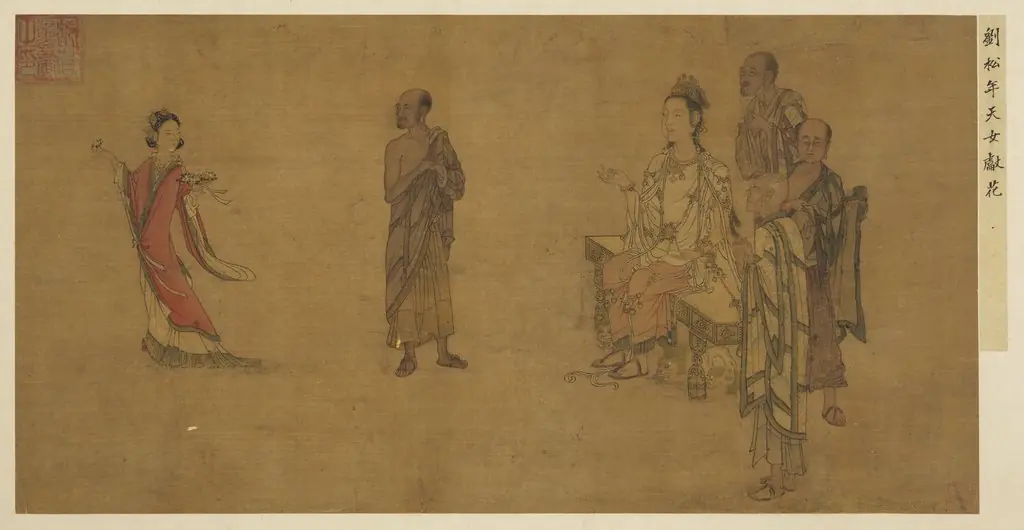 名繪集珍 冊 宋劉松年天女獻花
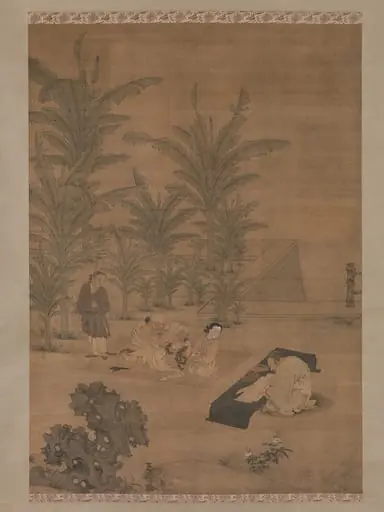 明 杜堇 伏生授經圖 軸|The Scholar Fu Sheng Transmitting the Book of Documents
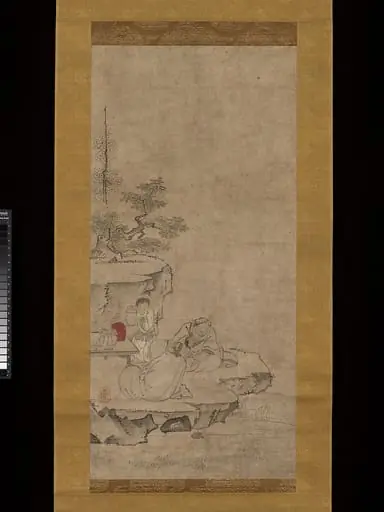 Untitled
 Untitled