Artwork
Edward Kelley, Alchemist, Friend of Dr. John Dee
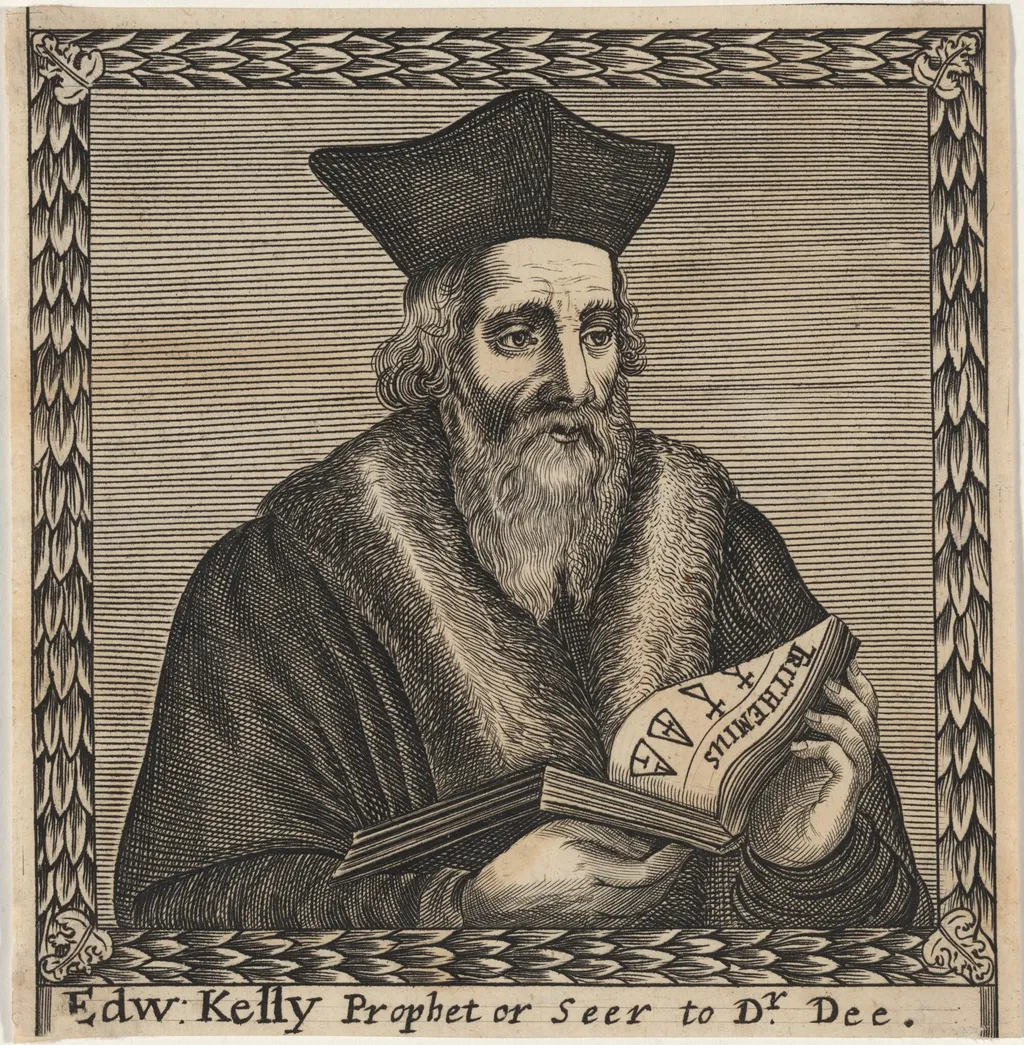
Edward Kelley, Alchemist, Friend of Dr. John Dee is an ink print by the Romanticist artist Unknown 19th Century. It dates from 1850 and is held in the collection of the National Gallery of Art. The print is a black‑and‑white engraving portraying Edward Kelley, a 16th‑century figure associated with the alchemist John Dee.
About this work
Overview
The print is a black‑and‑white engraving portraying Edward Kelley, a 16th‑century figure associated with the alchemist John Dee. He appears bearded, wearing a tall, pointed hat, and holds a circular object inscribed with enigmatic symbols. The composition is framed by a decorative border of foliage and swirling motifs, typical of the period’s illustrative style.
Subject & Meaning
The inscription at the bottom identifies Kelley as "Prophet or Seer to Dr. Dee," underscoring his reputed role as a mystic and medium for occult knowledge. The round object he cradles likely represents a talisman, stone, or book linked to alchemical or prophetic practices, reinforcing his connection to esoteric pursuits.
Technique & Style
Executed through fine cross‑hatching, the engraving builds tonal variation with closely spaced parallel lines, creating depth in the figure’s face, clothing, and the surrounding ornamentation. The linear border and stylized foliage demonstrate the printmaker’s reliance on decorative motifs to frame the central portrait.
History & Provenance
The work originates from the late 16th or early 17th century, a period when prints of notable occult personalities circulated among scholarly and courtly circles. While the specific engraver remains unidentified, the image reflects contemporary interest in documenting figures linked to the burgeoning field of natural philosophy and alchemy.
Context
Edward Kelley’s collaboration with John Dee attracted both fascination and suspicion in Elizabethan England, where alchemy, astrology, and prophetic claims intersected with political and scientific discourse. Prints such as this served to disseminate visual representations of such controversial figures, reinforcing their mythic status.
Legacy
The engraving contributes to the visual record of Kelley’s historical persona, influencing later artistic depictions of alchemists and occultists. Its use of cross‑hatching exemplifies early modern print techniques that would inform subsequent generations of illustrators and historians studying the period’s esoteric culture.
Artist & collection

Artist

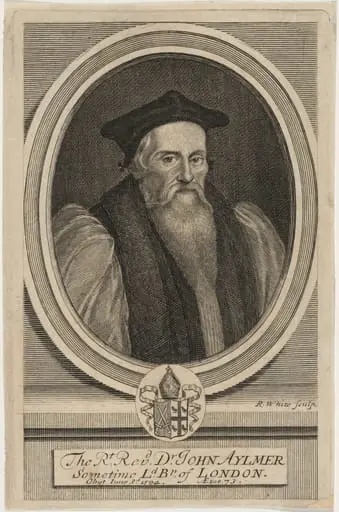 John Aylmer, D.D., Bishop of London, Preceptor to Lady Jane Grey
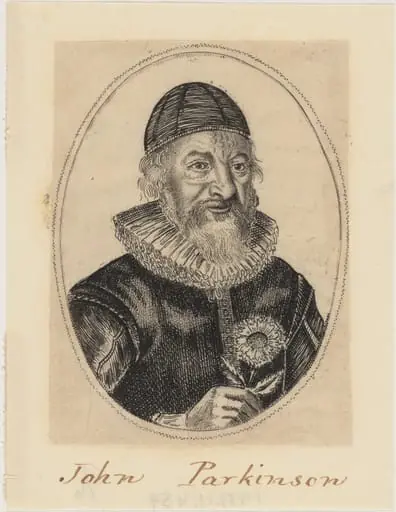 John Parkinson, Apothecary and Herbalist to James I
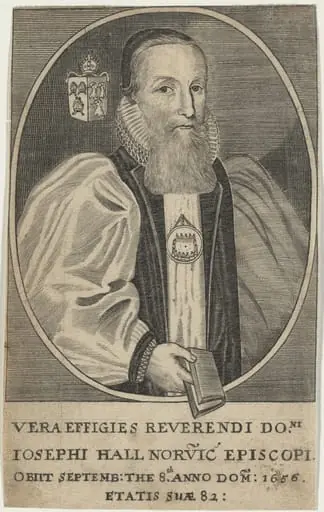 Joseph Hall, Bishop of Norwich
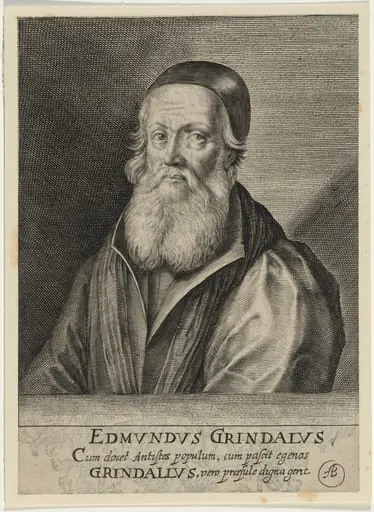 Edmund Grindal, Archbishop of Canterbury
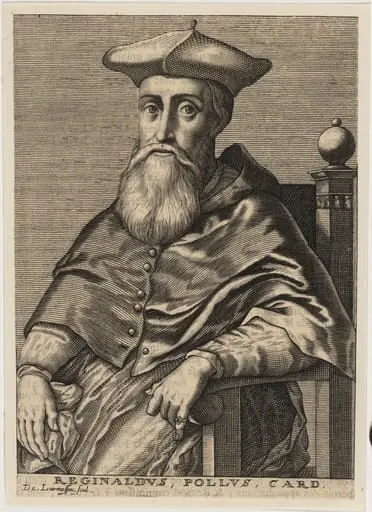 Cardinal Reginald Pole, Archbishop of Canterbury
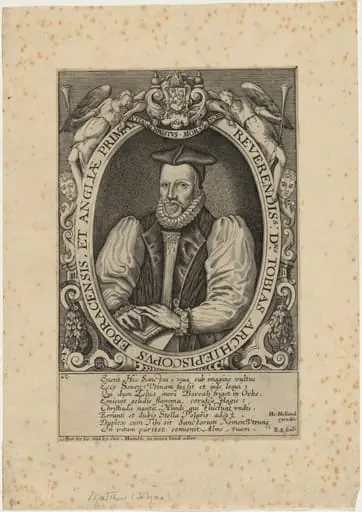 Tobias Matthew, D.D., Archbishop of York
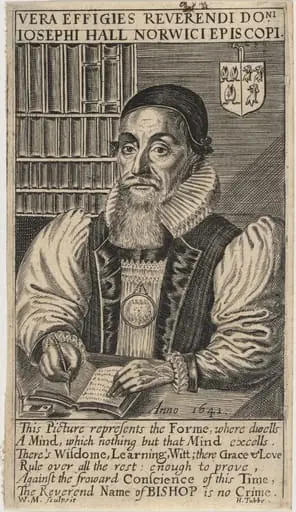 Joseph Hall, Bishop of Norwich
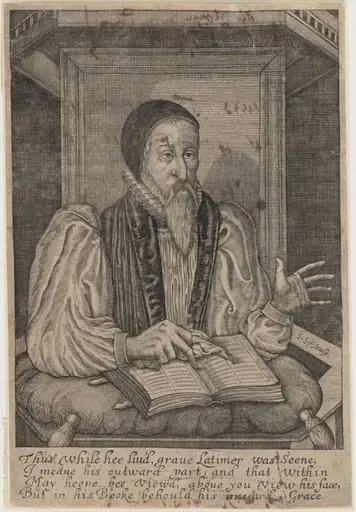 Hugh Latimer, Bishop of Worcester
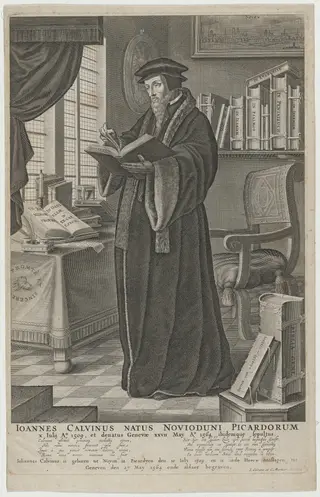 John Calvin
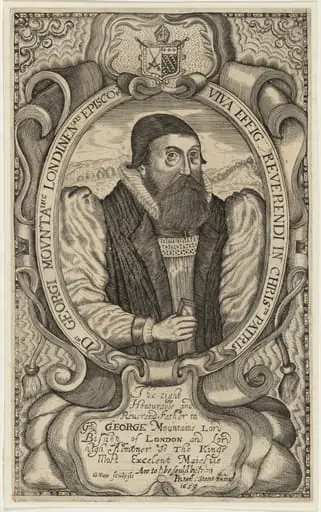 George Montaigne, Archbishop of York
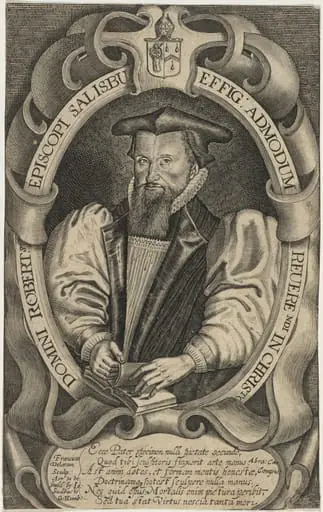 Domini Robertus, Episcopi Salisbury (Robert Abbot, Bishop of Salisbury)
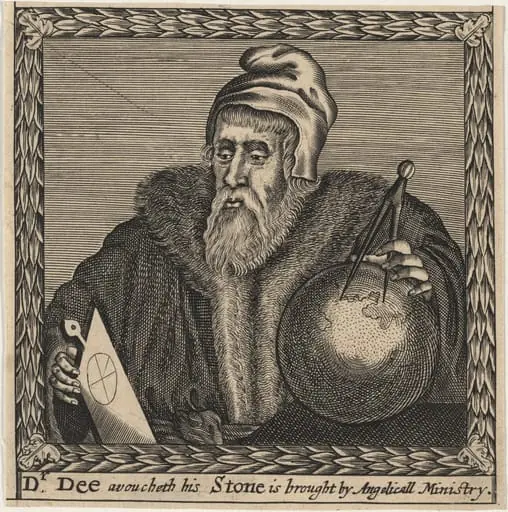
- John Dee, Astrologer