Artwork
Frederick Henry of Orange With Two Maps
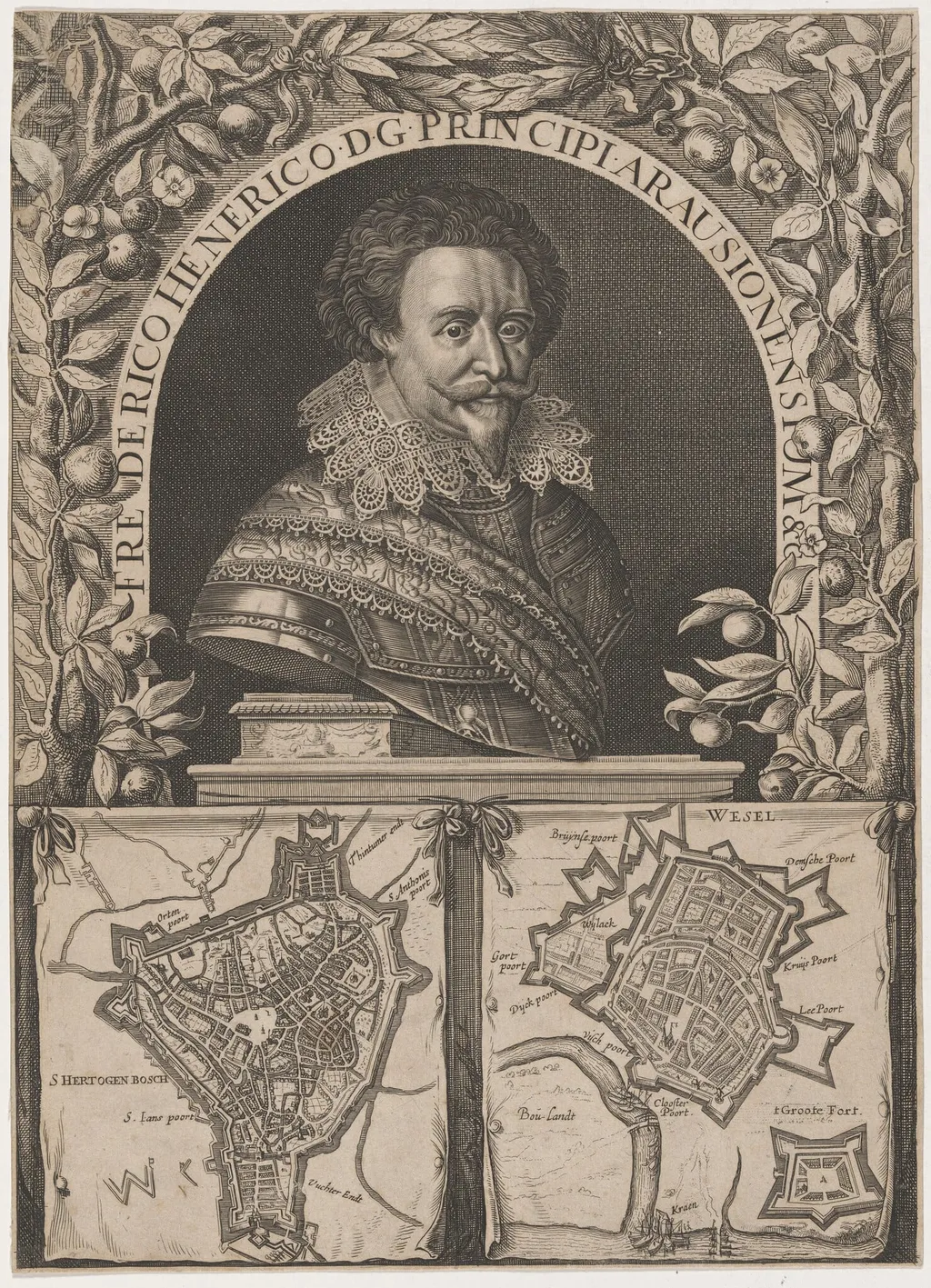
Frederick Henry of Orange With Two Maps is an ink print by the Romanticist artist Unknown 19th Century. It dates from 1850 and is held in the collection of the National Gallery of Art. This engraving depicts Frederick Henry, Prince of Orange, in formal military attire, positioned above two detailed maps.
About this work
Overview
This engraving depicts Frederick Henry, Prince of Orange, in formal military attire, positioned above two detailed maps. The composition blends portraiture with symbolic cartography, emphasizing his role as a leader connected to territorial knowledge and governance. The background includes natural elements like leaves and fruit, reinforcing themes of abundance and stewardship.
Subject & Meaning
Frederick Henry is portrayed not merely as a nobleman but as a ruler whose authority is tied to strategic understanding of land. The two maps suggest his involvement in territorial administration and military planning during the Dutch Revolt. The inclusion of fruit and foliage may allude to prosperity under his leadership, blending personal power with civic responsibility.
Technique & Style
Executed as an engraving, the work relies on fine linear detail to render texture in armor, fabric, and cartographic elements. The figures are rendered with precision, while the maps are rendered with topographical accuracy, reflecting the technical skill of printmakers of the period. The composition is symmetrical and hierarchical, directing attention to the prince’s gaze and the maps below.
History & Provenance
Created in the early 17th century, the engraving was likely produced to commemorate Frederick Henry’s leadership during the Dutch struggle for independence. It circulated among political and military elites as a visual affirmation of his authority. The artist remains unidentified, though the style aligns with Dutch engravers active in The Hague or Amsterdam during his reign.
Context
This print emerged during a period when the Dutch Republic was consolidating its identity through visual culture. Portraits of leaders often incorporated symbols of knowledge and control, maps, books, armor, to legitimize governance. Unlike later Romantic ideals, this work reflects the rational, civic-minded aesthetics of the Dutch Golden Age, not emotional or dramatic expression.
Legacy
The engraving exemplifies how political authority was visually codified in the early modern Netherlands. While not widely known today, it contributes to a broader understanding of how cartography and portraiture intersected in state propaganda. Its preservation in institutional collections underscores its role as a historical document of leadership and territorial identity.
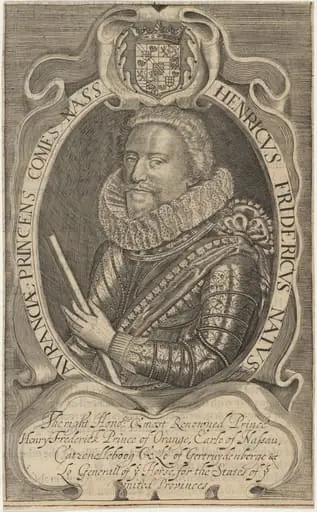
Artist & collection

Artist

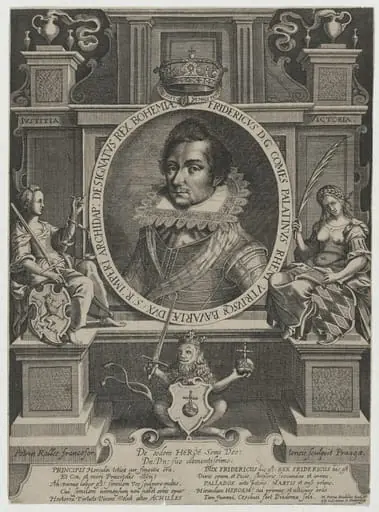 Frederick V, King of Bohemia
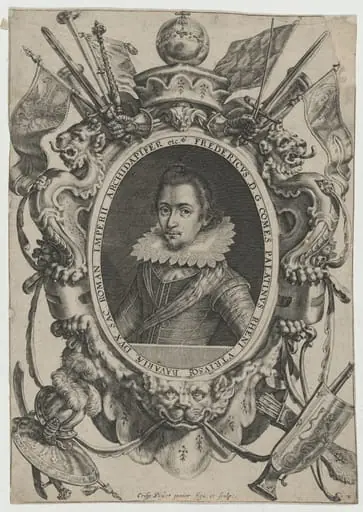 Frederick V, Elector Palatine, King of Bohemia
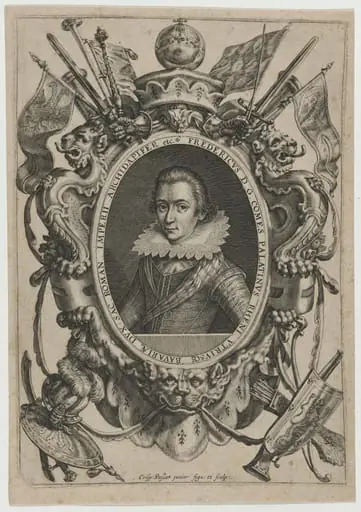 Frederick V, Elector Palatine, King of Bohemia
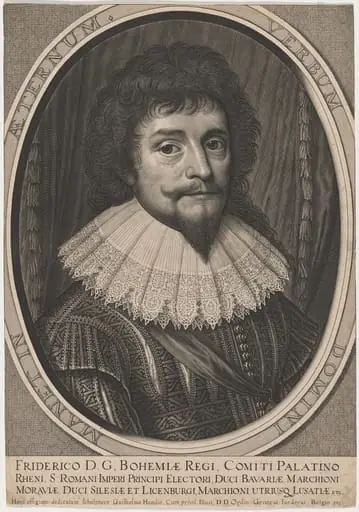 Frederick of Bohemia
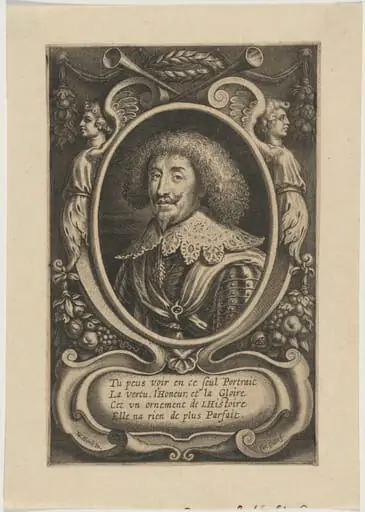 Portrait of Man in Oval with Decoration of Winged Figures
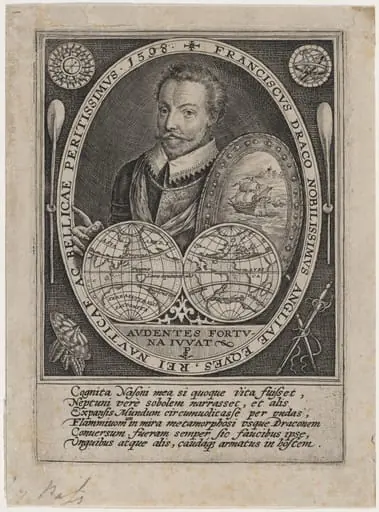 Francis Drake
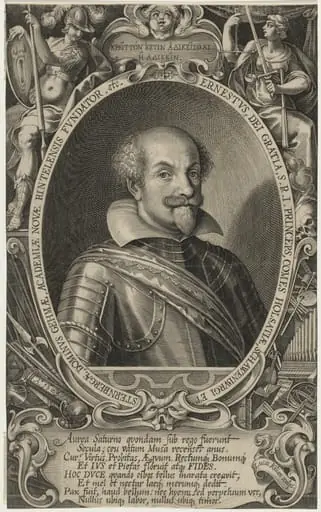 Ernest of Holstein, Schawenburg and Sternberg, Prince of Holy Roman Empire
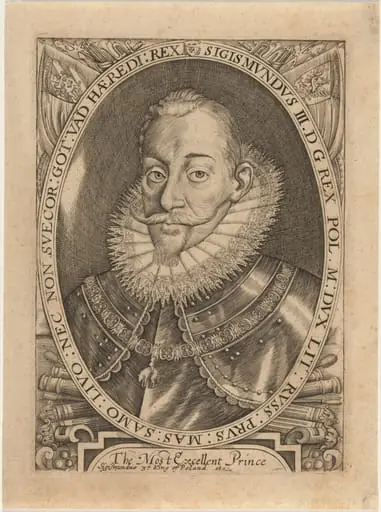 Sigismund III, King of Poland and Sweden