Artwork
A composite elephant ridden by a prince - 17th century
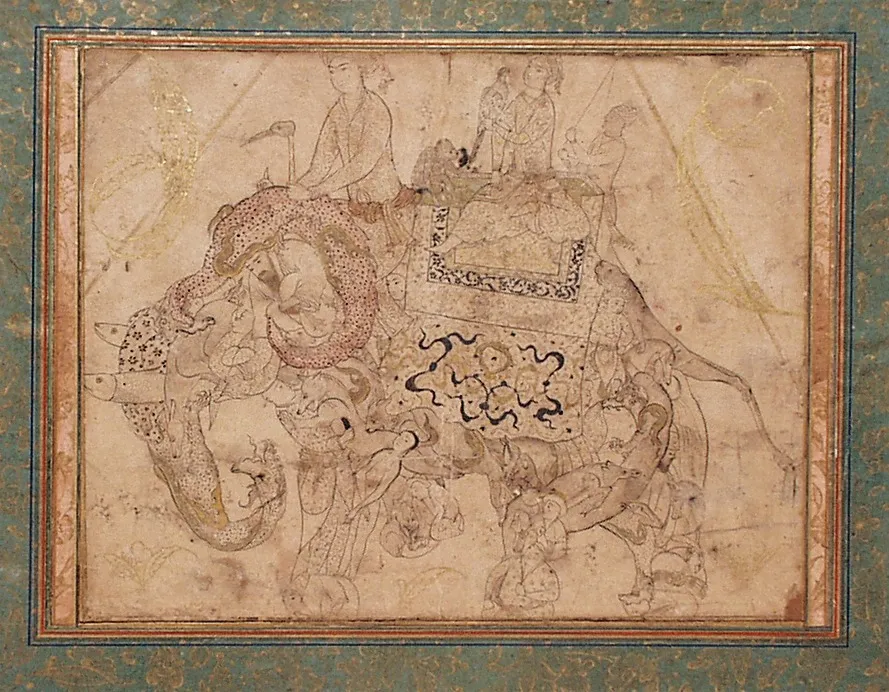
A composite elephant ridden by a prince - 17th century is an unspecified painting by Unknown. It dates from 9 and is held in the collection of the Los Angeles County Museum of Art. This 17th-century painting depicts a prince mounted on an imaginary elephant composed of anatomical elements from multiple animals.
About this work
Overview
This 17th-century painting depicts a prince mounted on an imaginary elephant composed of anatomical elements from multiple animals.
This 17th-century painting depicts a prince mounted on an imaginary elephant composed of anatomical elements from multiple animals. The composition centers on the figure and creature, set against a subdued background that enhances their prominence. The work reflects a tradition of symbolic imagery in South Asian court art, where fantastical forms conveyed power and prestige rather than naturalistic accuracy.
Subject & Meaning
The prince, dressed in regal attire and holding a staff, represents authority, while the composite elephant, part lion, part horse, part elephant, symbolizes idealized strength and divine favor. Such hybrid creatures were not meant to be literal but served as metaphors for sovereignty, blending traits of revered animals to elevate the ruler’s status beyond the natural world.
Technique & Style
The painting employs fine brushwork and delicate color gradations to render textures of fabric, skin, and tusks with precision. The muted background isolates the figures, directing focus to intricate details like the elephant’s curved tusk and the prince’s ornate garments. This refined approach aligns with courtly painting traditions that valued subtlety and controlled composition over dramatic expression.
History & Provenance
The artist remains unidentified, as was common in many regional courts where workshops produced works under royal patronage without individual attribution. Likely created in a princely studio in western or central India, the piece reflects the artistic conventions of its time, where royal imagery was standardized across generations of painters serving noble households.
Context
During the 17th century, Indian courts fostered painting traditions that blended indigenous styles with Persian influences. Composite animals appeared frequently in illustrated manuscripts and portraits, serving as visual metaphors for the ruler’s dominion over nature and the supernatural. This work fits within a broader corpus of courtly imagery emphasizing symbolic rather than observational realism.
Legacy
Though attributed to no single hand, the painting contributes to an enduring visual language of Indian court art. Its hybrid forms and ceremonial tone influenced later regional styles and continue to inform scholarly understanding of how power was visually constructed in pre-colonial India, preserving a tradition where imagination served political and spiritual expression.
Artist & collection









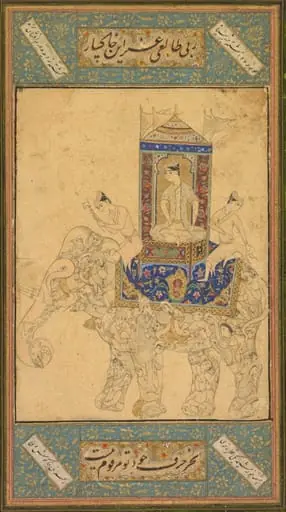
- A prince riding a composite elephant
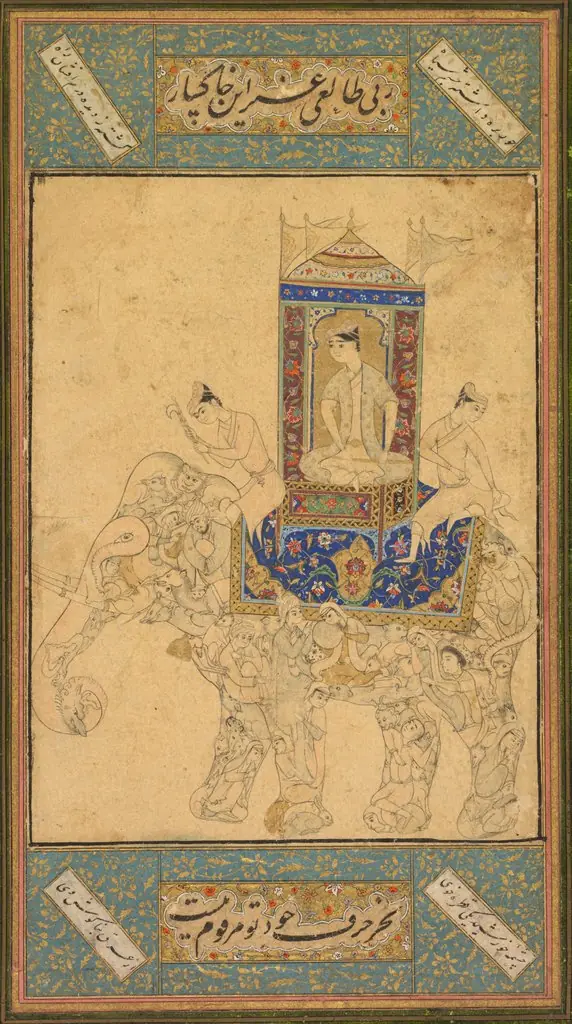 A prince riding a composite elephant
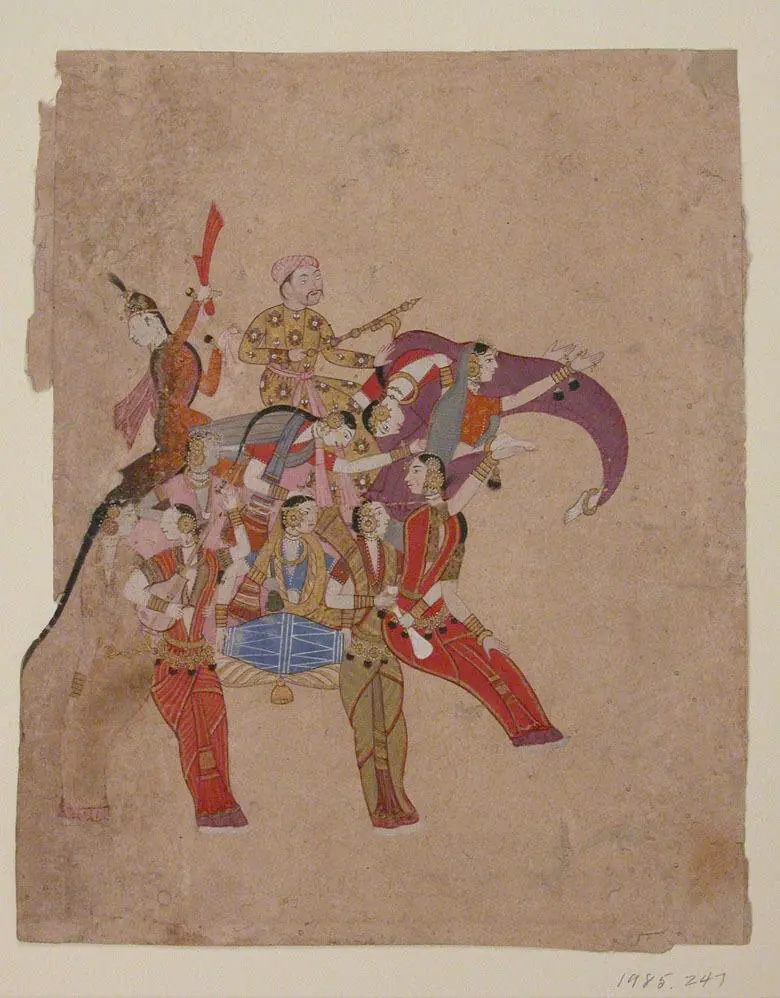 Composite Elephant - Deccan Painting Early 17th Century
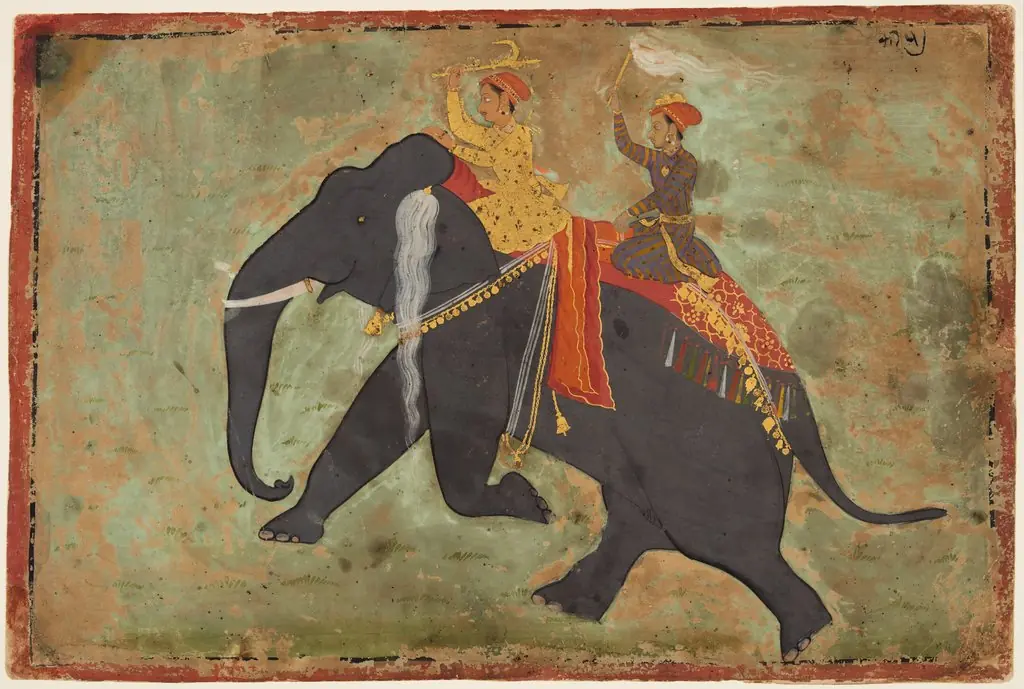 Prince Amar Singh (1672–1710) Drives His Own Elephant
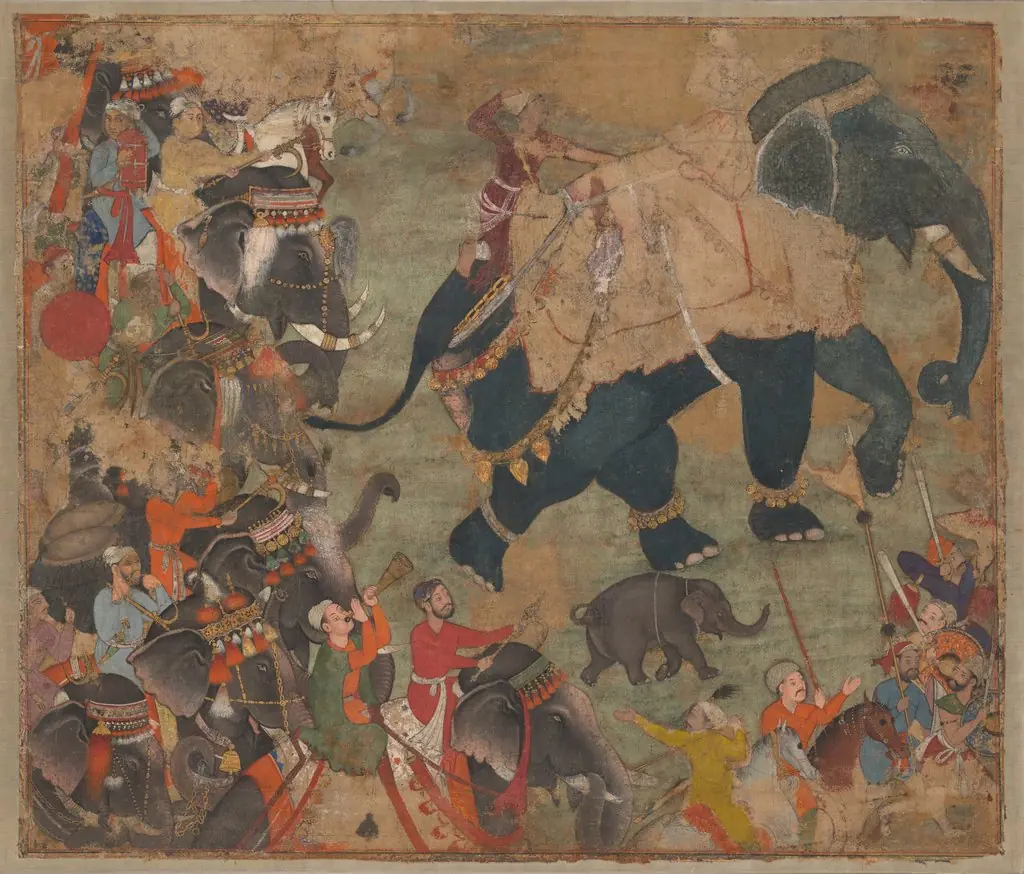 A Prince Riding an Elephant in Procession
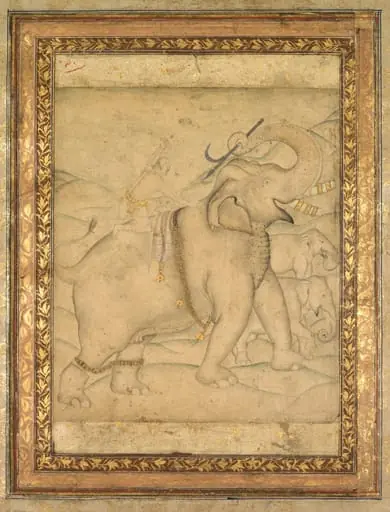 Portrait of Emperor Jahangir Riding an Elephant
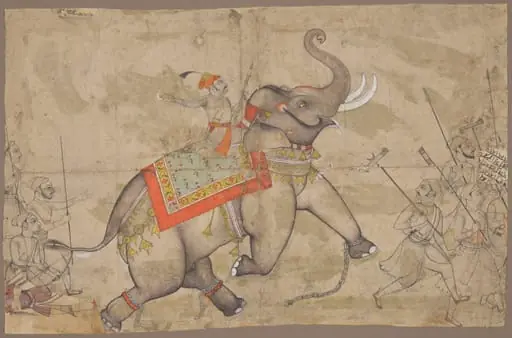 A Raja on an Elephant
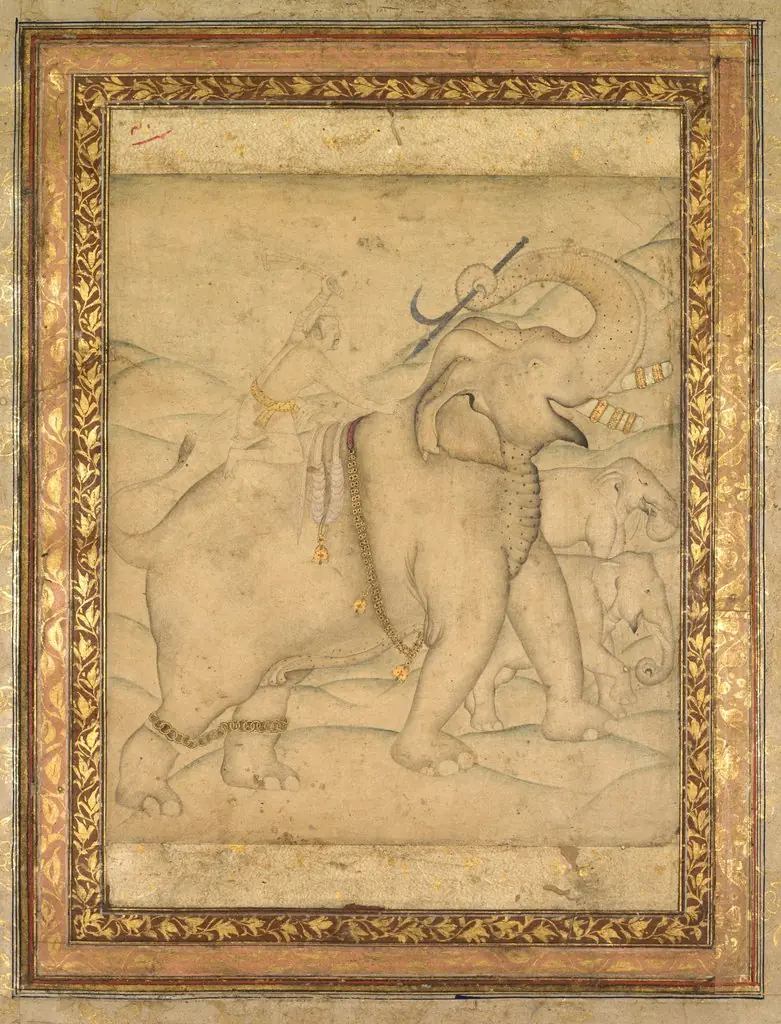 Portrait of Emperor Jahangir Riding an Elephant
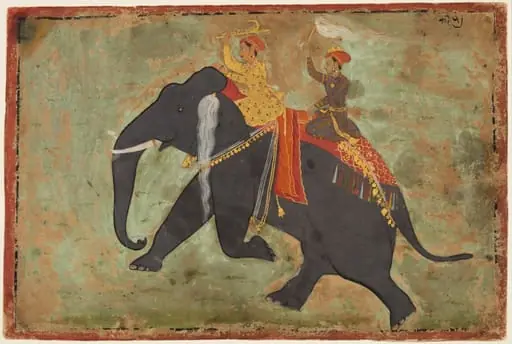 Prince Amar Singh (1672–1710) Drives His Own Elephant
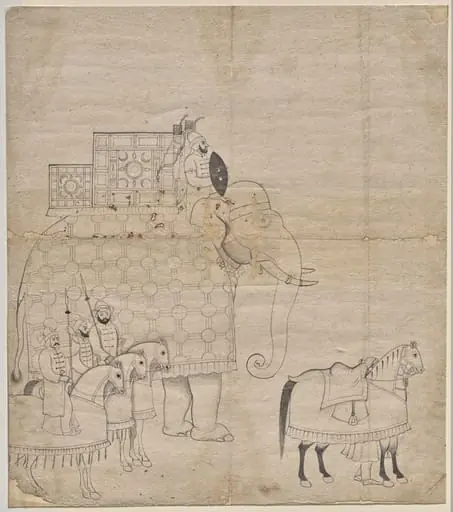 Caparisoned Elephant and Horses