Artwork
Adoration of the Magi from Seven Scenes from the Life of Christ
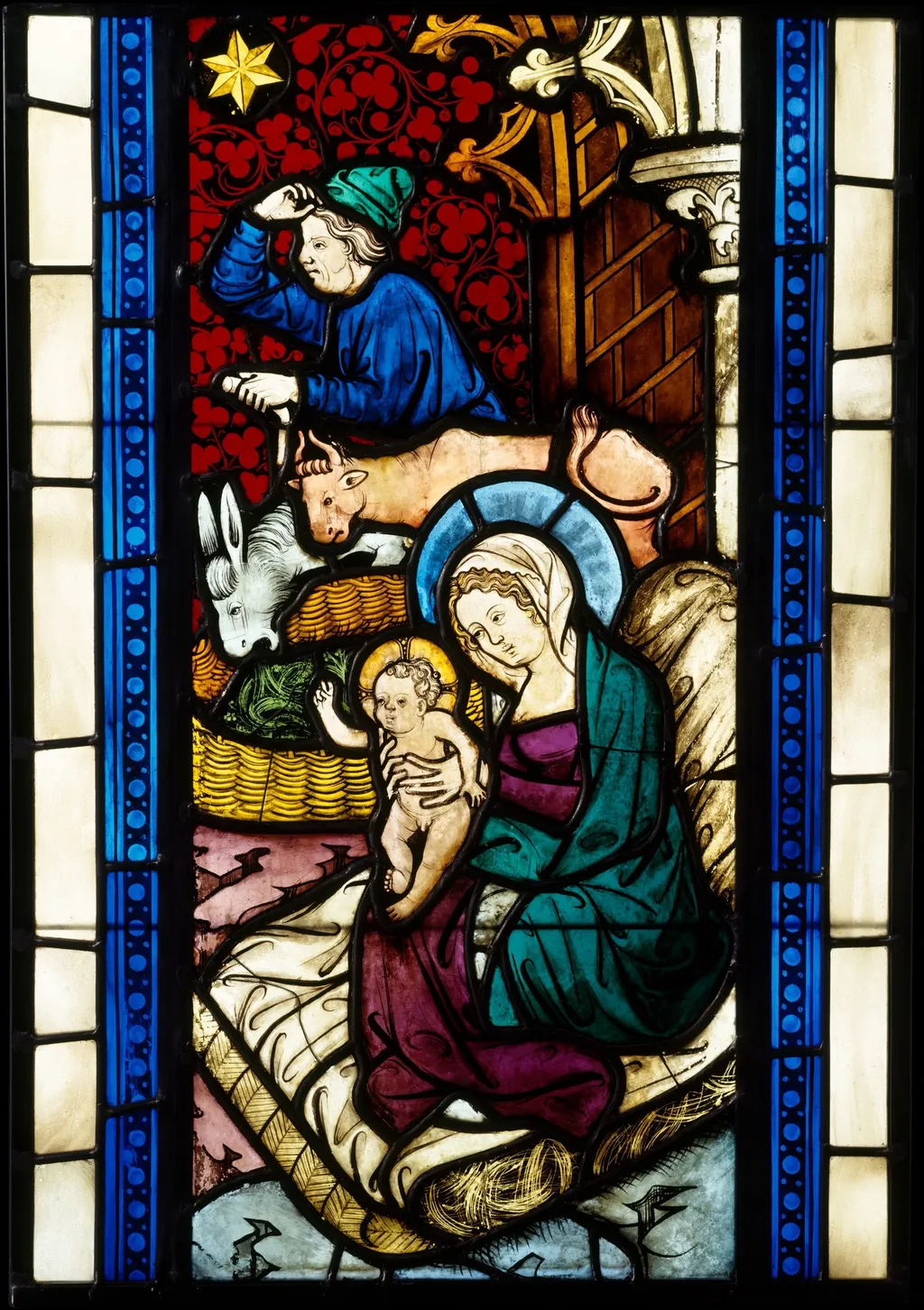
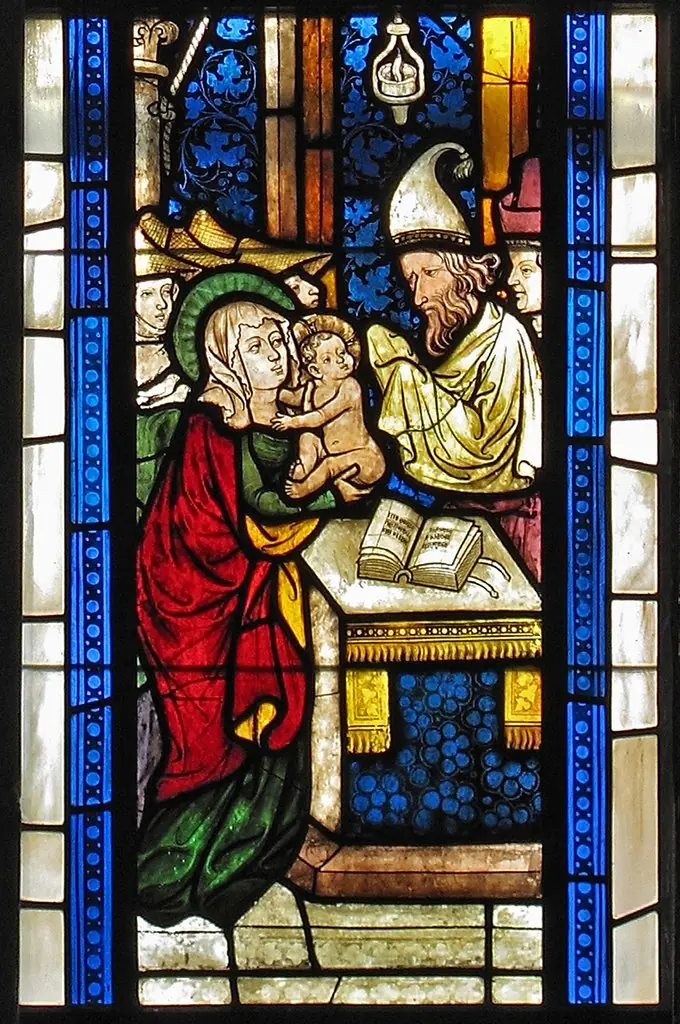
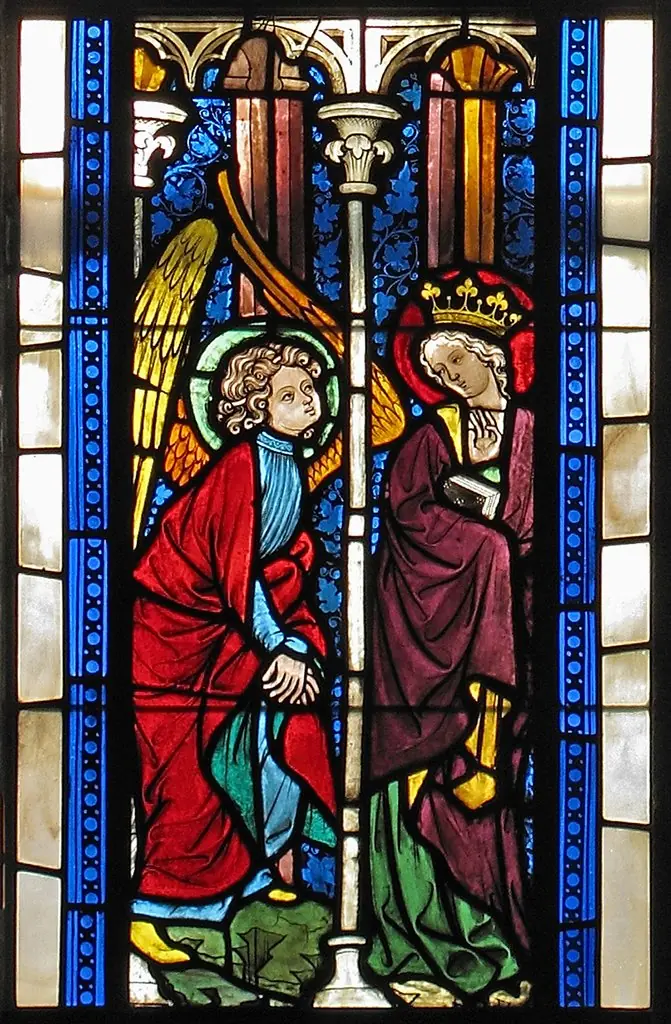
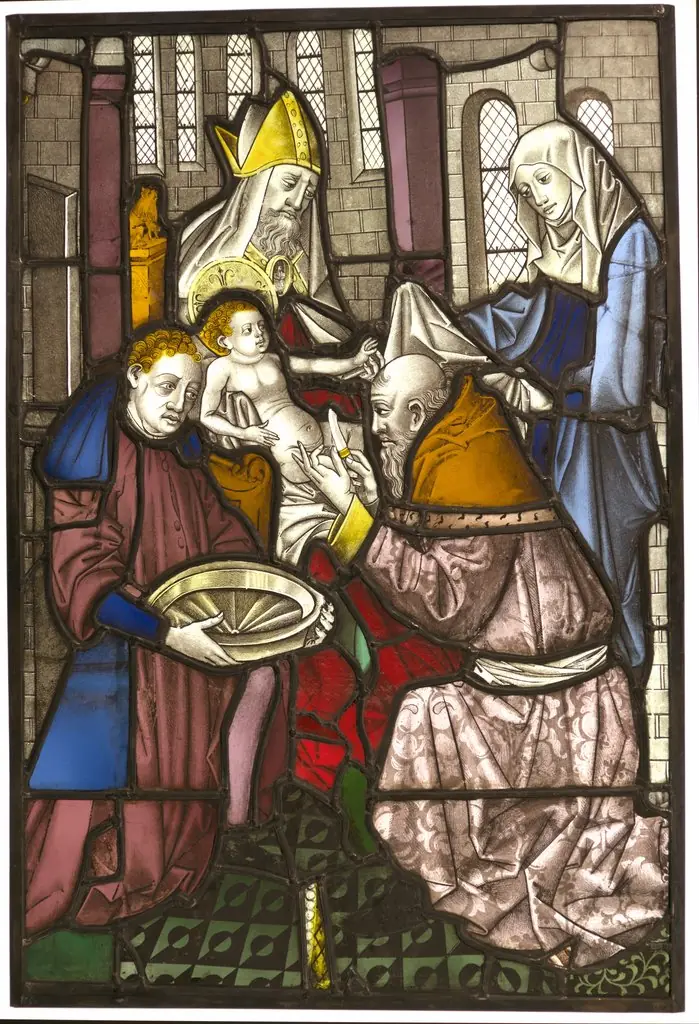
Adoration of the Magi from Seven Scenes from the Life of Christ is an unspecified painting. It dates from 1396 and is held in the collection of the Metropolitan Museum of Art. This stained-glass panel, titled Adoration of the Magi, is one component of a larger series known as Seven Scenes from the Life of Christ.
About this work
Subject & Meaning
The composition emphasizes the recognition of Christ’s divinity by the Gentile kings, a theme that underscores the universal scope of salvation.
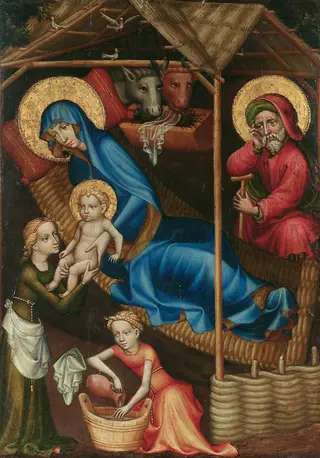
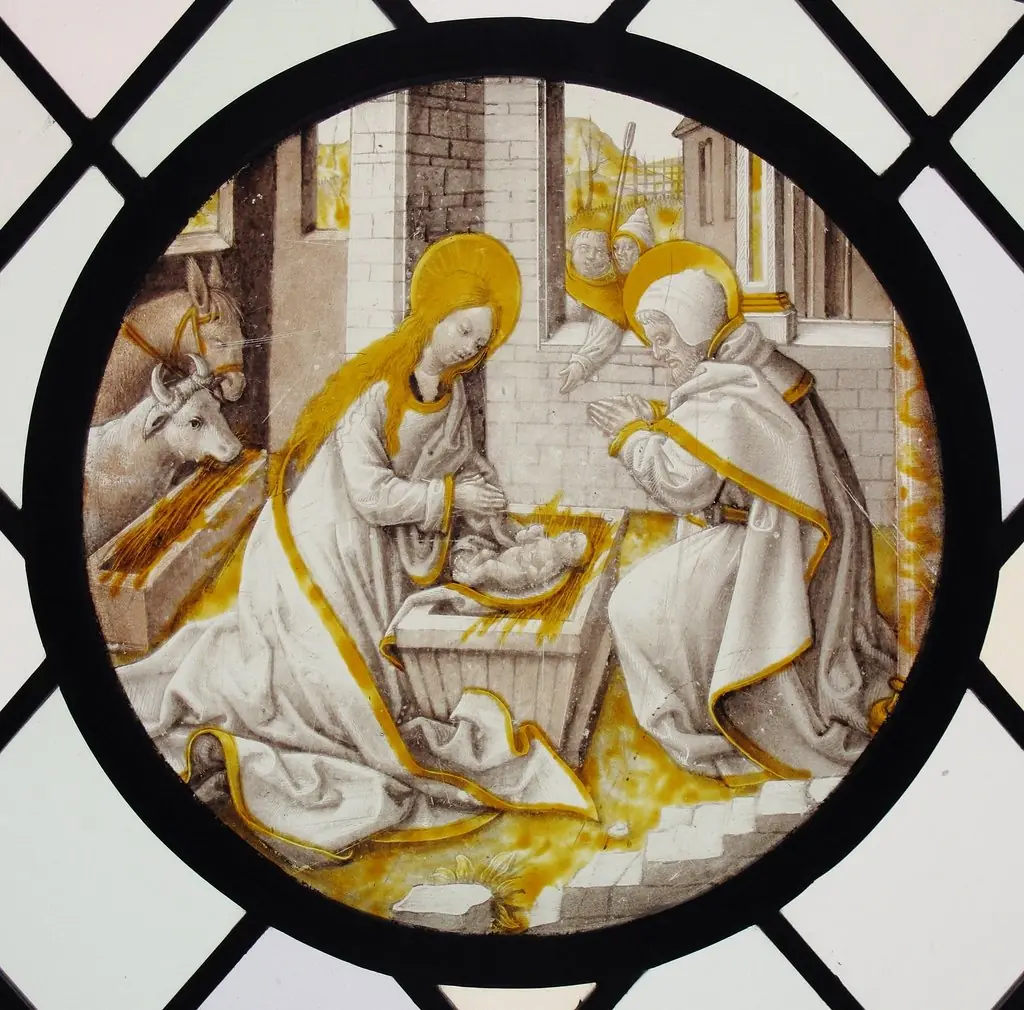
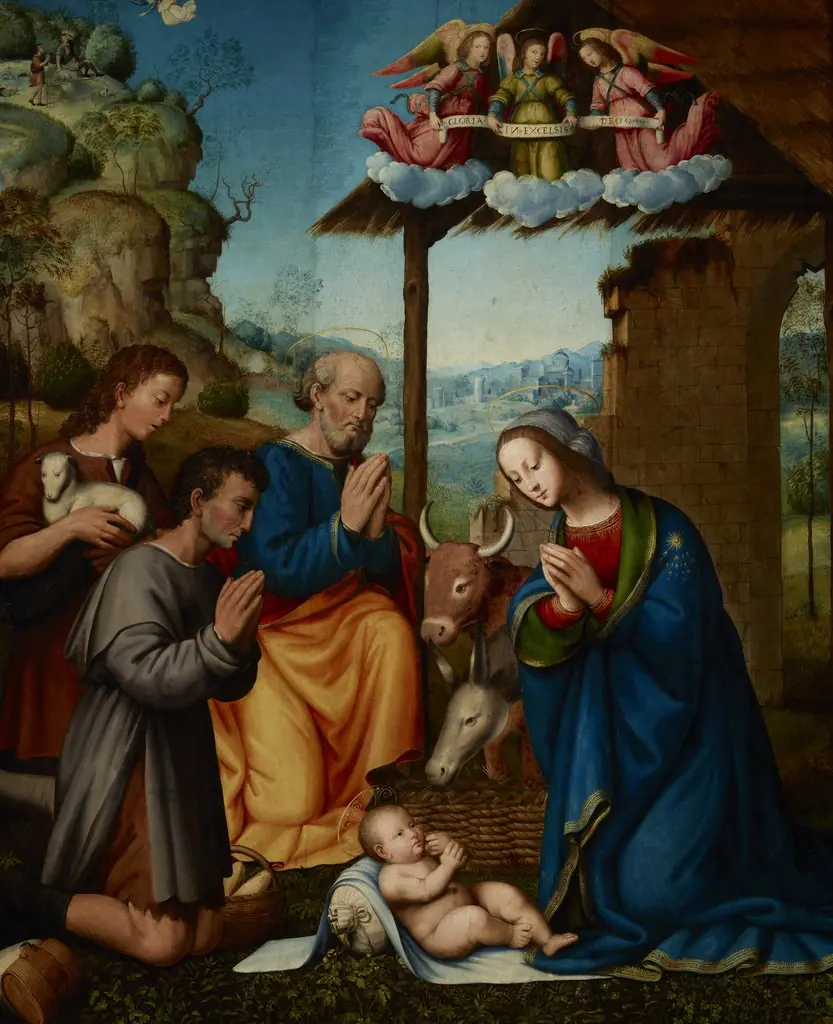
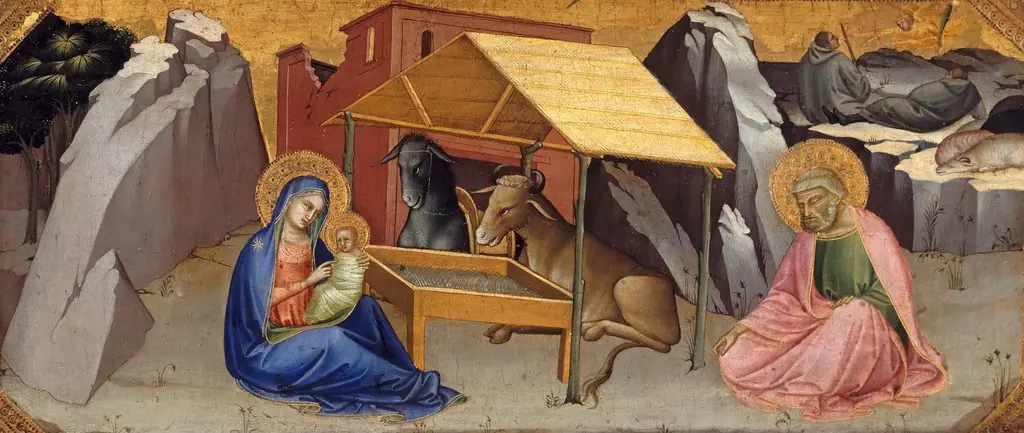
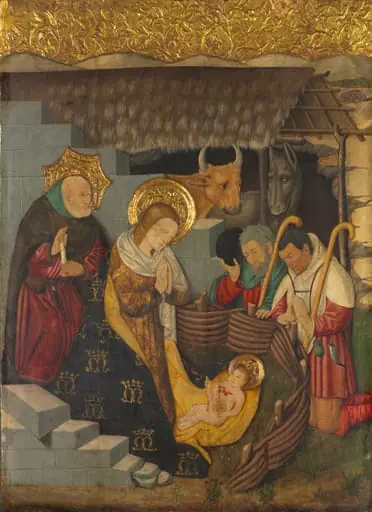
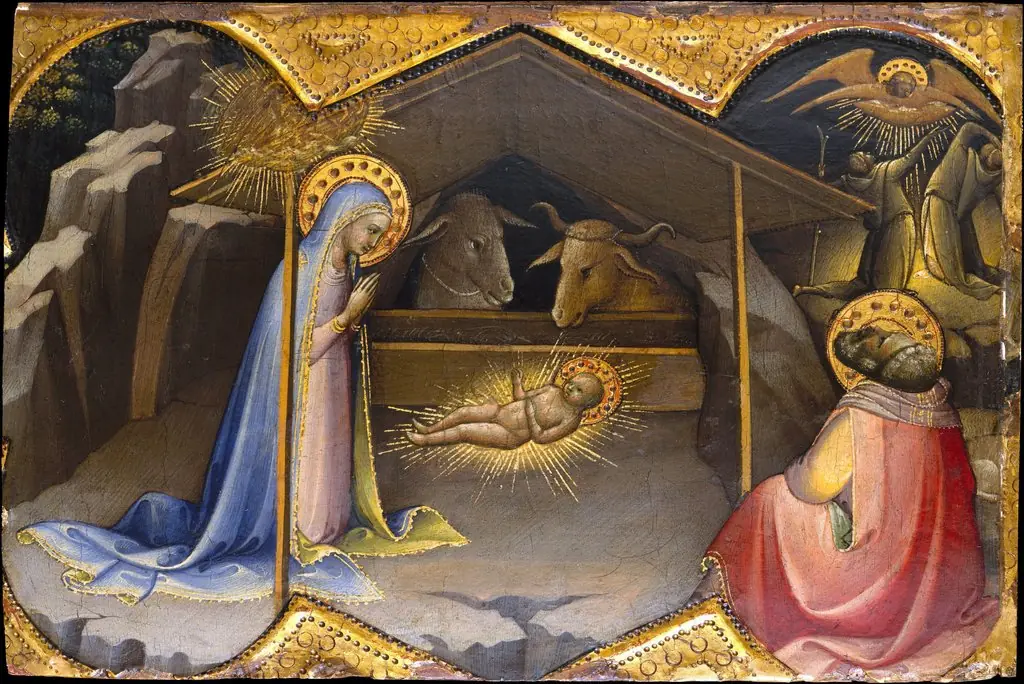
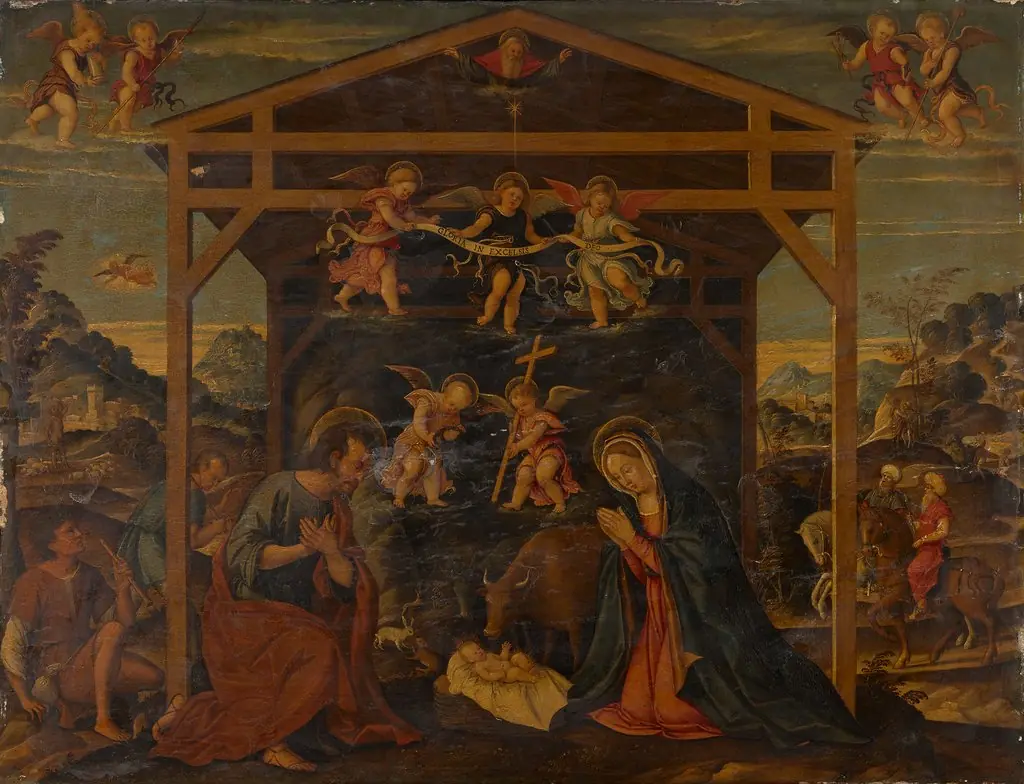
The painting illustrates the biblical episode of the Magi’s adoration of the infant Christ, situated within a cycle of the Life of Christ. It brings together the Holy Family, the infant Jesus, and the visiting Magi, while accompanying figures include a donkey and oxen, traditional symbols of humility and sacrifice. The composition emphasizes the recognition of Christ’s divinity by the Gentile kings, a theme that underscores the universal scope of salvation.
By placing the scene in a domestic setting, the work connects the sacred narrative to everyday life, reflecting medieval devotional practices that highlighted the humanity of the Holy Family.
History & Provenance
The panel titled Adoration of the Magi from Seven Scenes from the Life of Christ was created in 1390 by an anonymous artist. Originally part of a larger cycle depicting seven scenes from the life of Christ, this religious painting focuses on the adoration of the Magi alongside the Christ Child, the Holy Family, and animals including an ox and a donkey. The work entered the collection of the Metropolitan Museum of Art in New York, where it is currently held under the accession number 1986.285.2.
While the specific commissioning patron and the precise circumstances of its initial creation remain undocumented in available records, the piece is firmly dated to the year 1390. Its attribution to an anonymous hand reflects the common practice of the period where individual artists of such devotional works were not always recorded by name.
The painting Adoration of the Magi, created circa 1390 as part of the series Seven Scenes from the Life of Christ, is held in the collection of the Metropolitan Museum of Art in New York. The institution acquired the work in 1986, assigning it the accession number 1986.285.2. While the piece is attributed to an anonymous artist within the museum's records, its primary historical documentation focuses on its inclusion in this major American encyclopedic museum.
The provided sources confirm its current location and acquisition details but do not list specific past exhibitions or loan history for this individual panel.
Context
The work titled Adoration of the Magi from Seven Scenes from the Life of Christ is a 1390 religious painting attributed to an anonymous hand and housed in the Metropolitan Museum of Art. Its subject belongs to the main narrative of the Magi’s visit to the infant Christ, forming part of a larger series depicting the Life of Christ. As a religious artwork in the Met’s collection, it exemplifies late‑medieval devotional painting and provides insight into the artistic conventions of anonymous workshop practice in the early 15th century.
Scholars cite its iconography, Christ Child, donkey, oxen, and Holy Family, as indicative of devotional focus in contemporary ecclesiastical contexts.
Overview
This stained-glass panel, titled Adoration of the Magi, is one component of a larger series known as Seven Scenes from the Life of Christ. The artwork portrays a pivotal moment from the Nativity narrative, rendered with vibrant hues. It offers a glimpse into medieval religious art, illustrating a key biblical event through the medium of colored glass.
Technique & Style
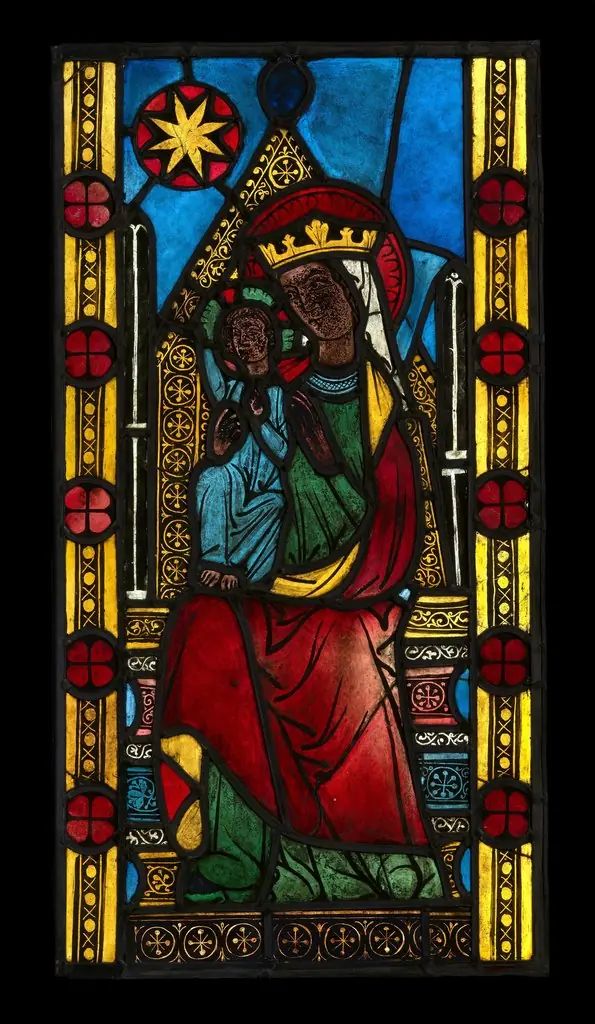
Crafted from stained glass, the panel utilizes a palette of strong, distinct colors such as greens, blues, and golds. These bold tones are employed to delineate the figures and elements, making them prominent within the composition. The interplay of light through the colored glass would have created a luminous effect, characteristic of medieval ecclesiastical art, designed to enhance the spiritual experience for viewers.
Artist & collection