Artwork
Allegorical Representation of the Birth of William Frederick, Prince of Orange-Nassau, later King William I
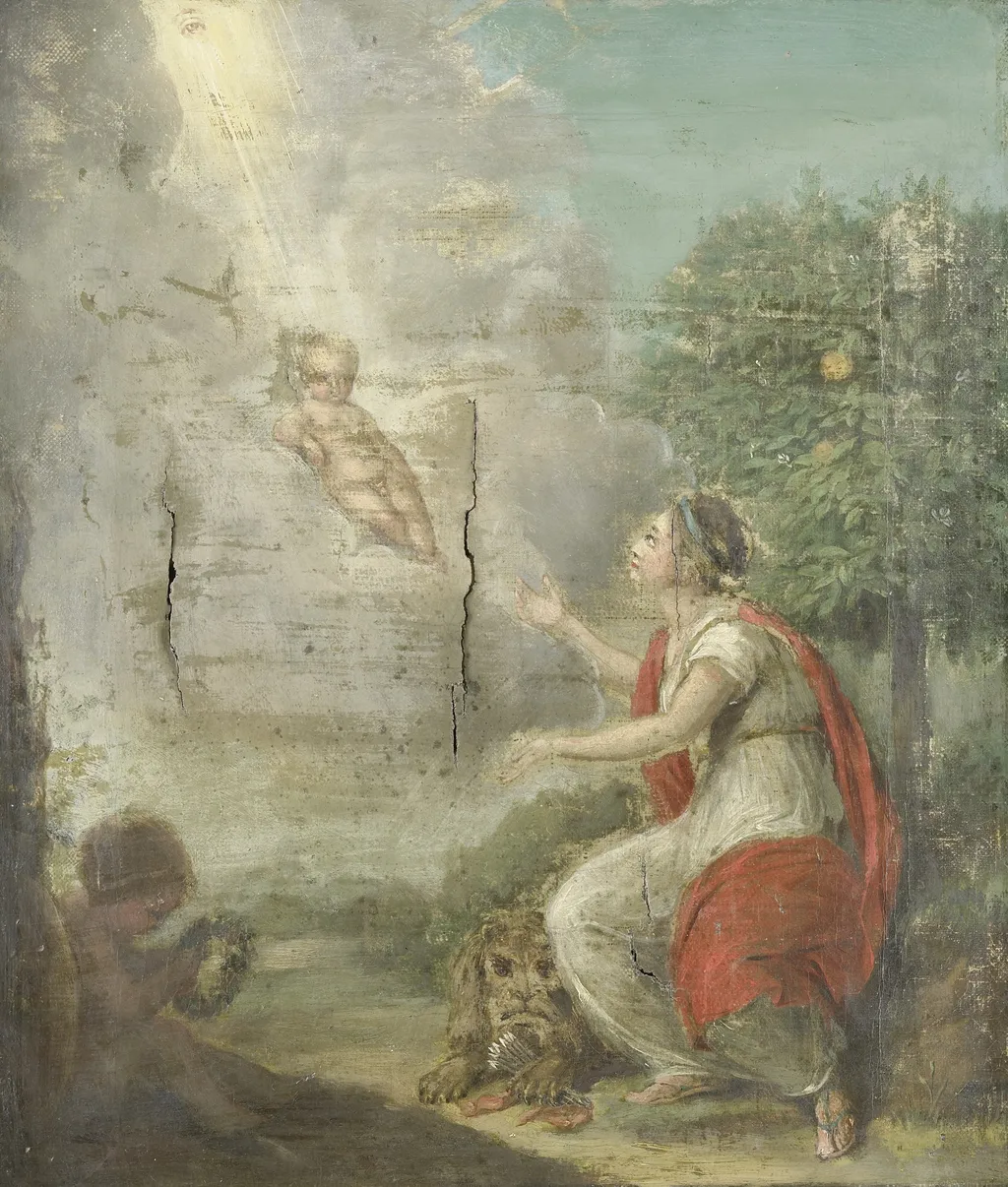
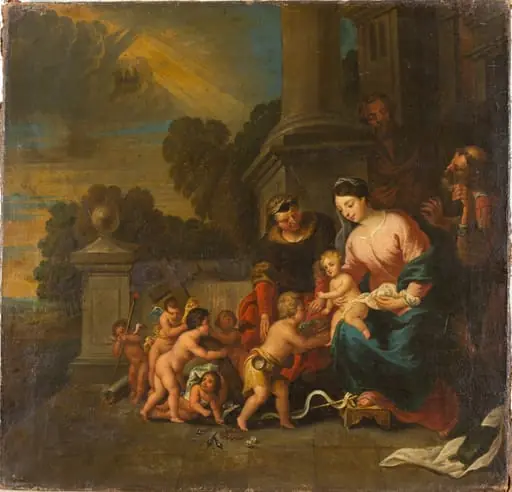
Allegorical Representation of the Birth of William Frederick, Prince of Orange-Nassau, later King William I is an oil painting by the Rococo painting artist Unknown. It dates from 1772 and is held in the collection of the Rijksmuseum. This oil painting depicts the birth of William Frederick, Prince of Orange-Nassau, later King William I, in an allegorical scene.
About this work
Subject & Meaning
Executed in oil on canvas in 1772, the work functions as a visual manifesto of the nascent Dutch Republic’s aspirations under its new monarch.
The painting allegorically portrays the birth of William Frederick, Prince of Orange‑Nassau, who later became King William I, celebrating his arrival as a symbol of Dutch prosperity and patriotic hope. Rich iconography includes personifications of Liberty and Plenty alongside traditional emblems of the House of Orange, reinforcing notions of liberty, unity, and royal destiny. Executed in oil on canvas in 1772, the work functions as a visual manifesto of the nascent Dutch Republic’s aspirations under its new monarch.
The allegory combines classical motifs with contemporary national symbols, underscoring the prince’s role as a unifying figure destined to lead the nation toward independence and stability. The composition’s balance of allegorical figures and heraldic references communicates both personal triumph and collective optimism for the future of the Netherlands.
The Rijksmuseum holds the piece in its collection, reflecting its significance within Dutch cultural heritage.
Technique & Style
The painting is executed in oil on canvas, a standard medium for Dutch allegorical works of the late eighteenth century. Its compact dimensions (36.3 cm high, 28.5 cm wide) suit an interior display, typical of cabinet pictures from the Northern Low Countries. Stylistically, the composition employs a restrained palette and smooth handling, consistent with academic conventions of the period.
The allegorical figures are rendered with careful modeling, their poses and drapery conveying classical ideals filtered through a contemporary Dutch idiom. The overall finish suggests a work intended for private contemplation rather than large-scale public display.
History & Provenance
Allegory of the Birth of Prince William Frederick of Orange-Nassau, later King William I, was commissioned as a state portrait allegory and executed in oil on canvas in the Northern Netherlands in 1772. The work entered the collection of the Rijksmuseum, where it remains on public display.
The painting is held in the collection of the Rijksmuseum, as recorded in its Wikidata entry. The work is catalogued as an anonymous allegorical oil on canvas, dated 1772, and measures 36.3 cm in height by 28.5 cm in width. No specific inventory or accession number is provided in the available sources, and no exhibition history is documented.
The available records do not supply an accession identifier or any record of past exhibitions for the work.
Context
The painting was created in the Northern Low Countries in 1772 as an oil on canvas allegory, reflecting the late 18th-century Dutch tradition of symbolic representation tied to political narratives. It entered the Rijksmuseum collection shortly after its creation and remains part of their holdings. Scholars have analyzed its role in advancing allegorical personification techniques within Dutch neoclassicism, situating it within broader debates on republican iconography during the Batavian Republic era.
Legacy
The painting served as a visual endorsement of the House of Orange during the late 18th century, reinforcing the dynastic narrative of the Dutch Republic. Its allegorical composition was widely reproduced in prints, spreading the image of William Frederick as a youthful, divinely favored leader. Contemporary accounts praised its allegorical clarity, and the work influenced later portraiture of the Dutch royal family.
The piece remained in the Rijksmuseum collection, where it was displayed as an emblem of national heritage, shaping public perception of the monarchy's origins.
Overview
This oil painting depicts the birth of William Frederick, Prince of Orange-Nassau, later King William I, in an allegorical scene. The artwork features a seated woman holding a baby, accompanied by a putto and other figures, rendered in a soft and blended style.
Artist & collection









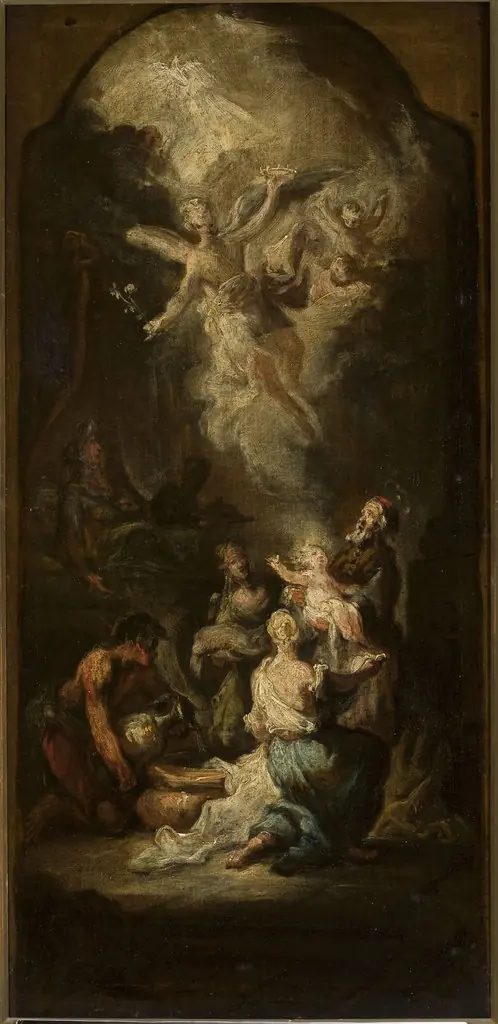 Nativity of St. John
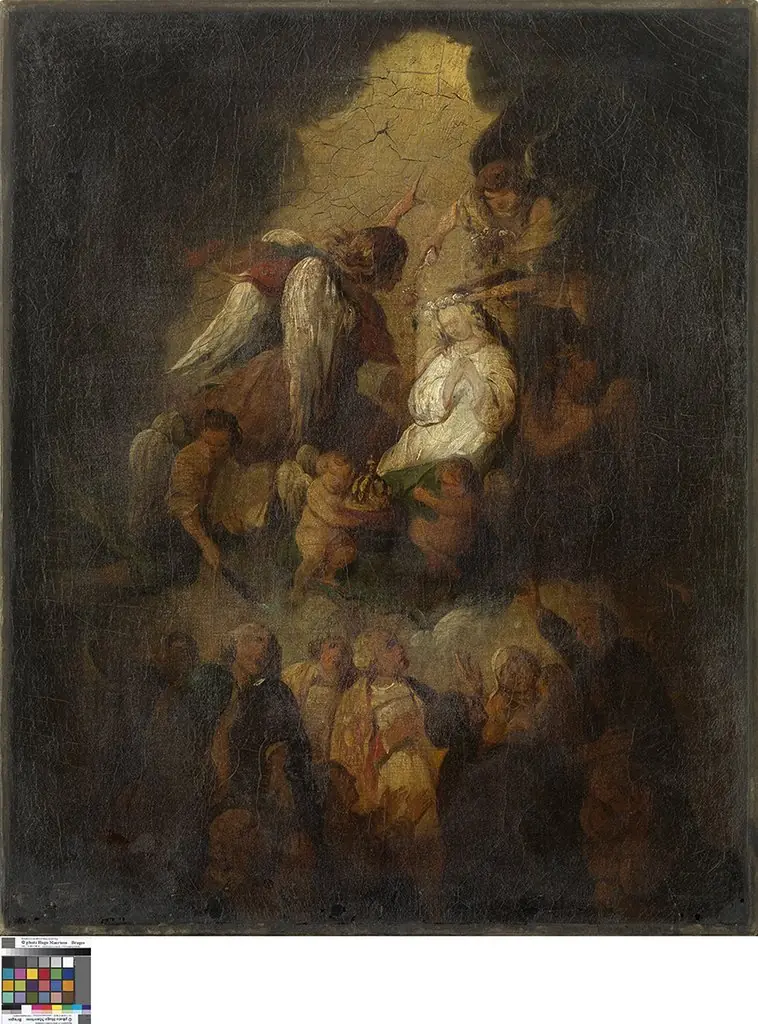 Verheerlijking van een vrouwelijke heilige
 Virgin Mary with baby Jesus
 Education of Mary
 Saint Isidore ploughing, sketch
 Putti with a Festoon
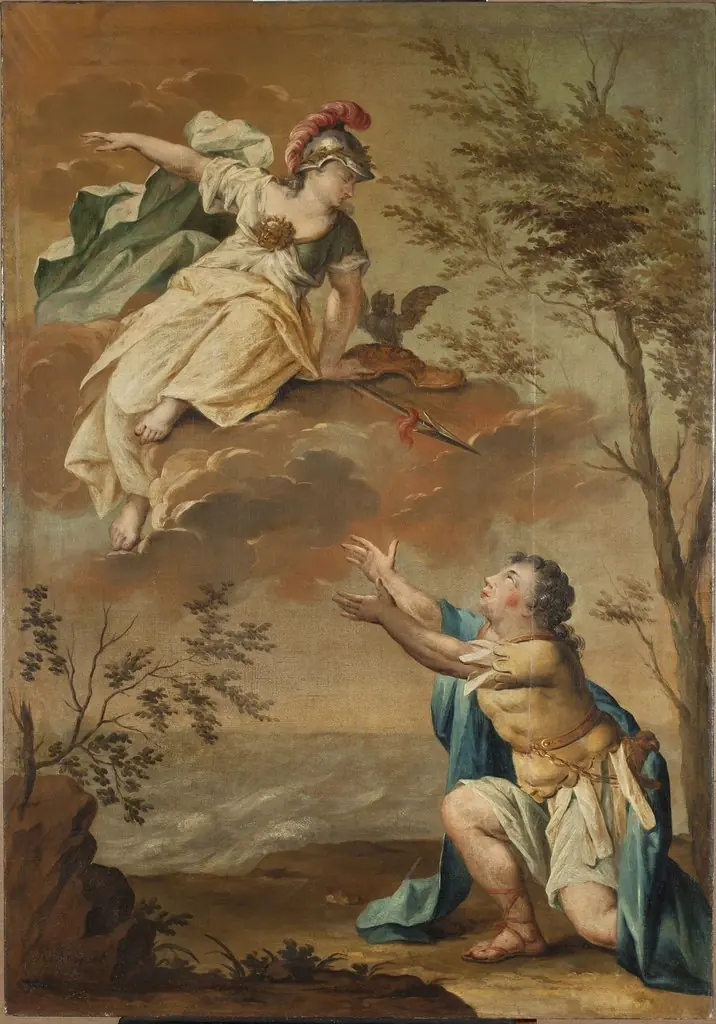 Athena and Odysseus
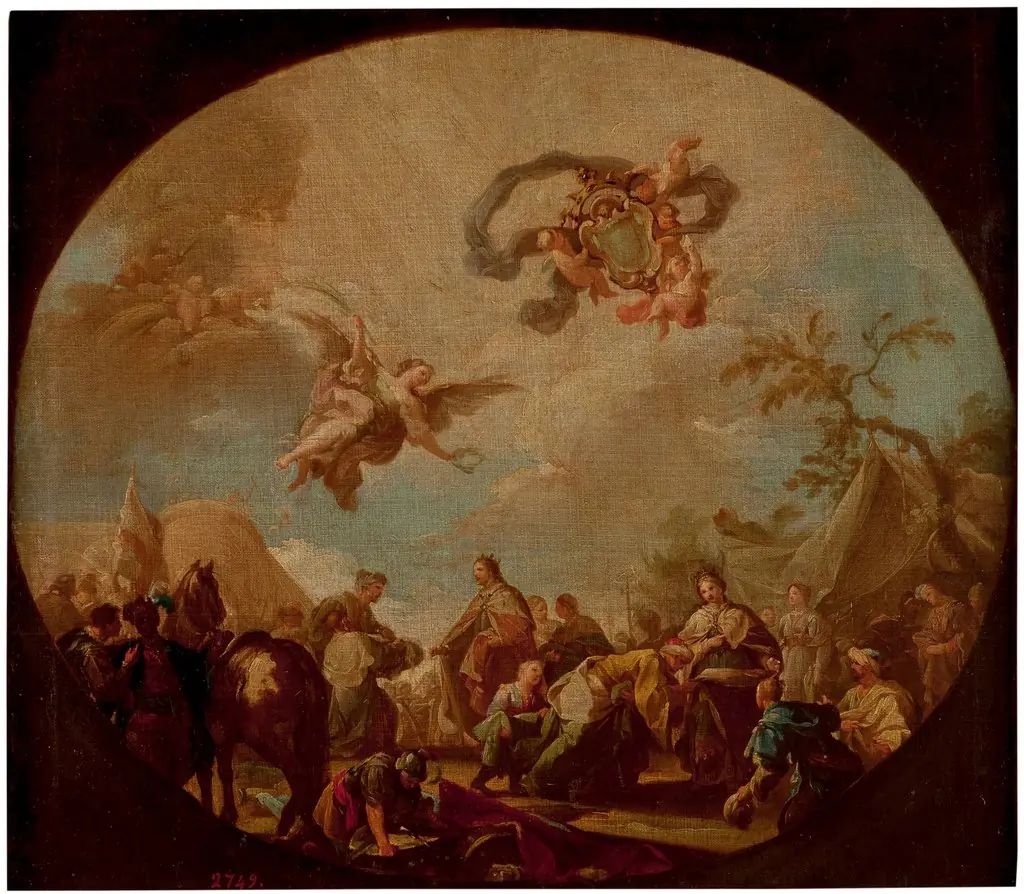 La Rendición de Granada
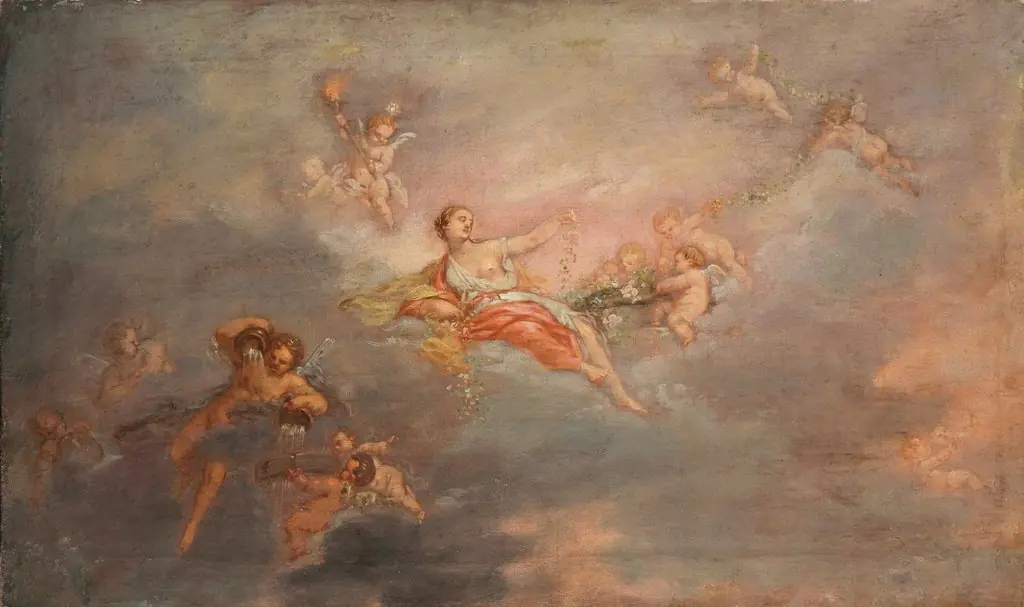 Der Morgen / Aurora blumenstreuend
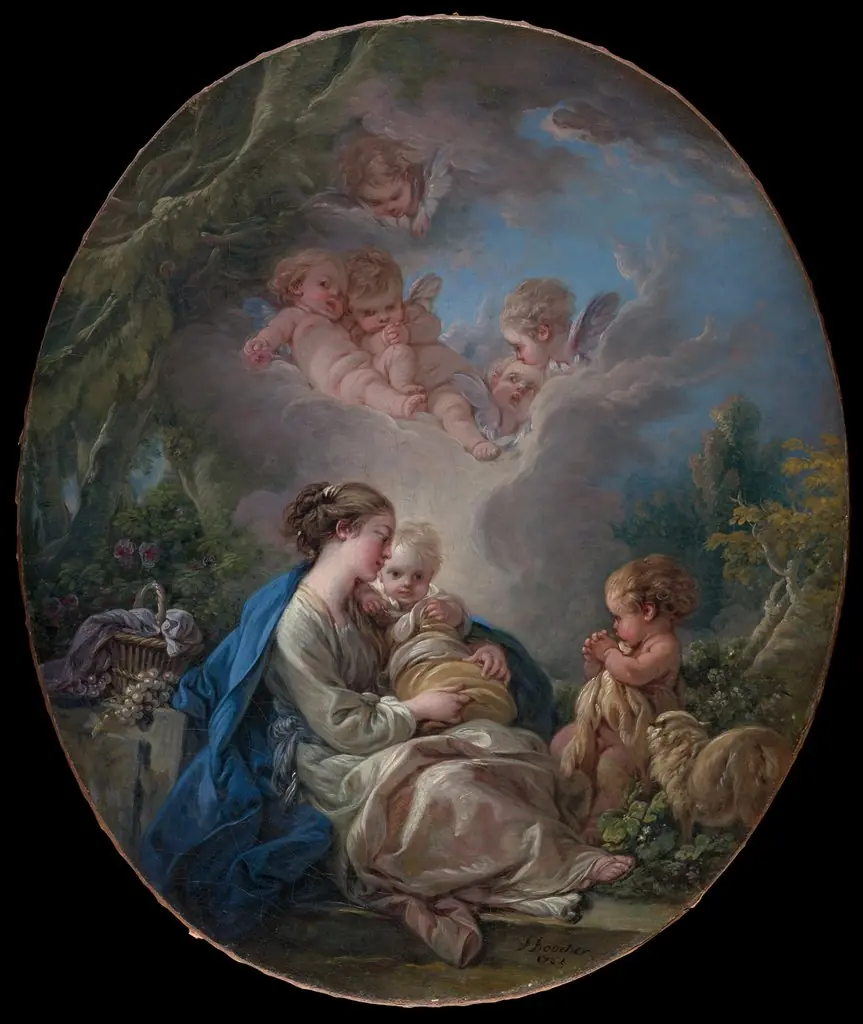 Virgin and Child with the Young Saint John the Baptist and Angels
 Heilige Familie
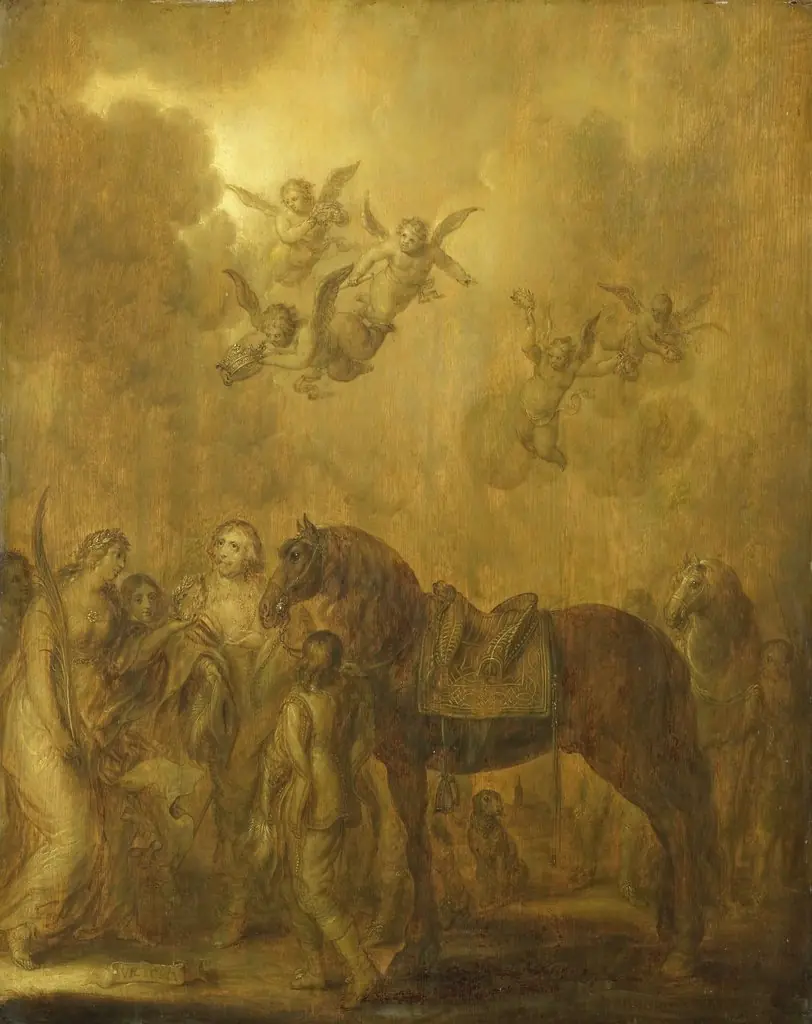
- Allegory of the stadholdership of Prince Frederik Hendrik of Orange