Artwork
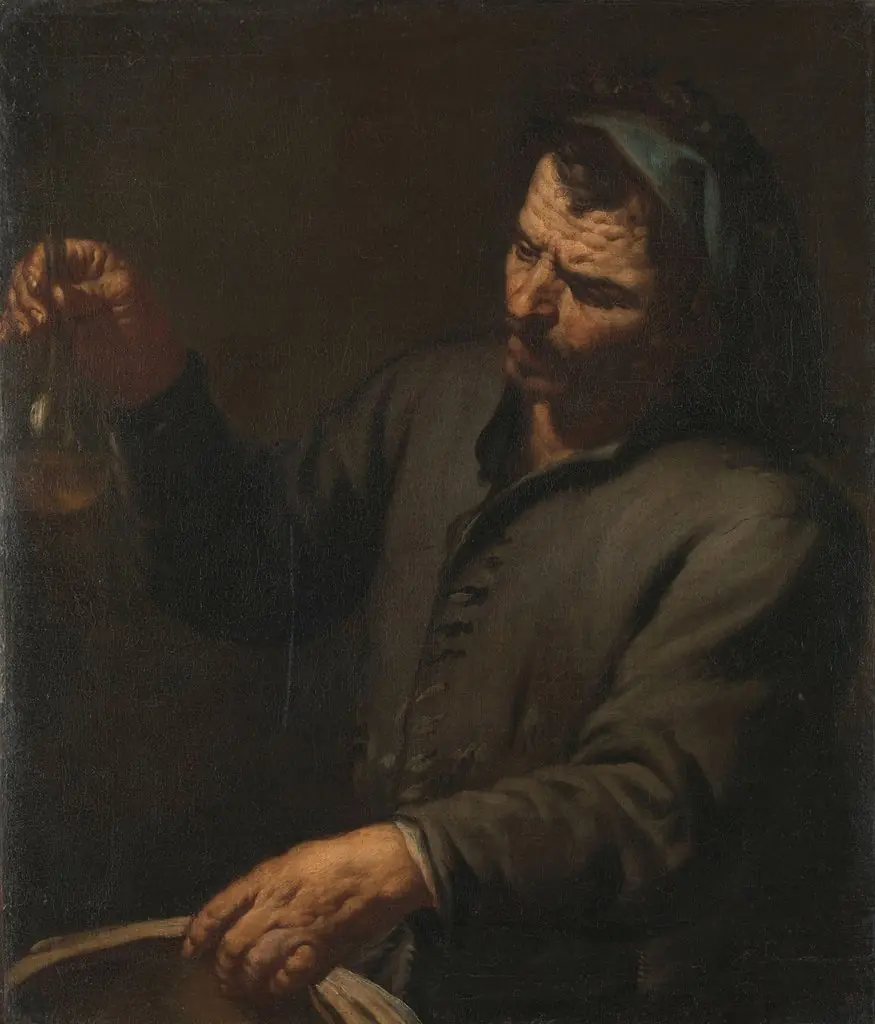
Allegory of Taste
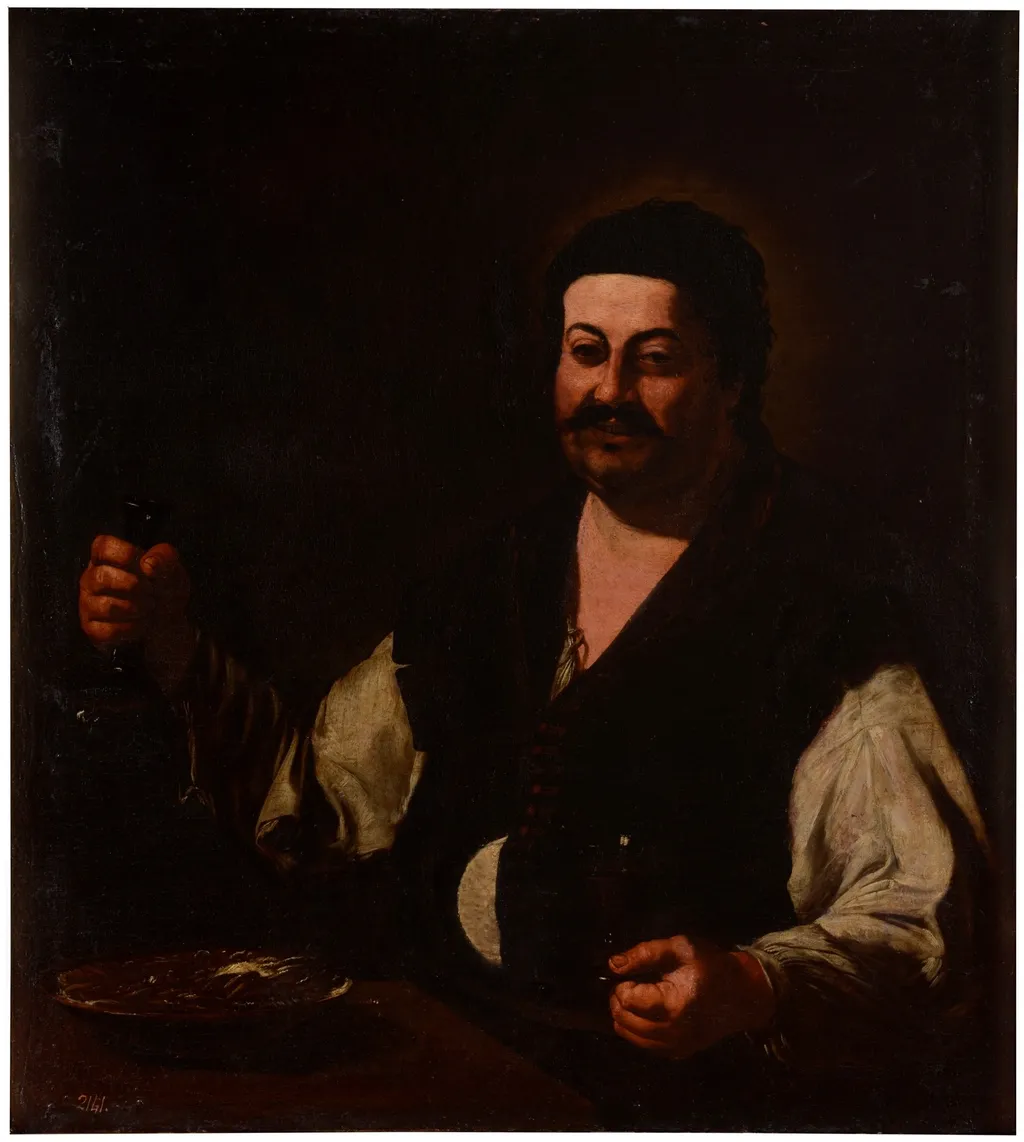
Allegory of Taste is an oil painting by the Early Baroque Italian artist Unknown. It dates from 1601 and is held in the collection of the Museo del Prado.
About this work
Subject & Meaning
This allegory aligns with the broader tradition of personifying the five senses in visual art, using wine as a direct attribute to denote the faculty of taste.
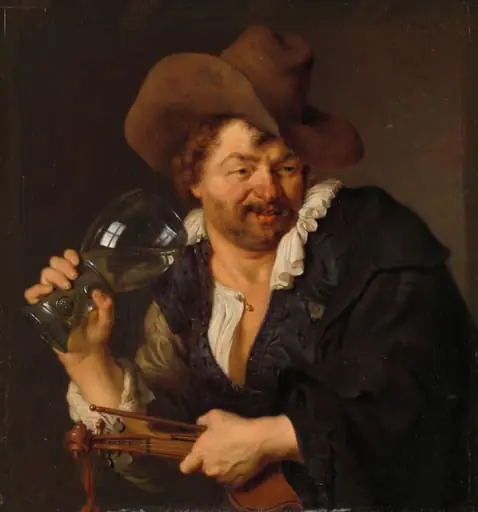
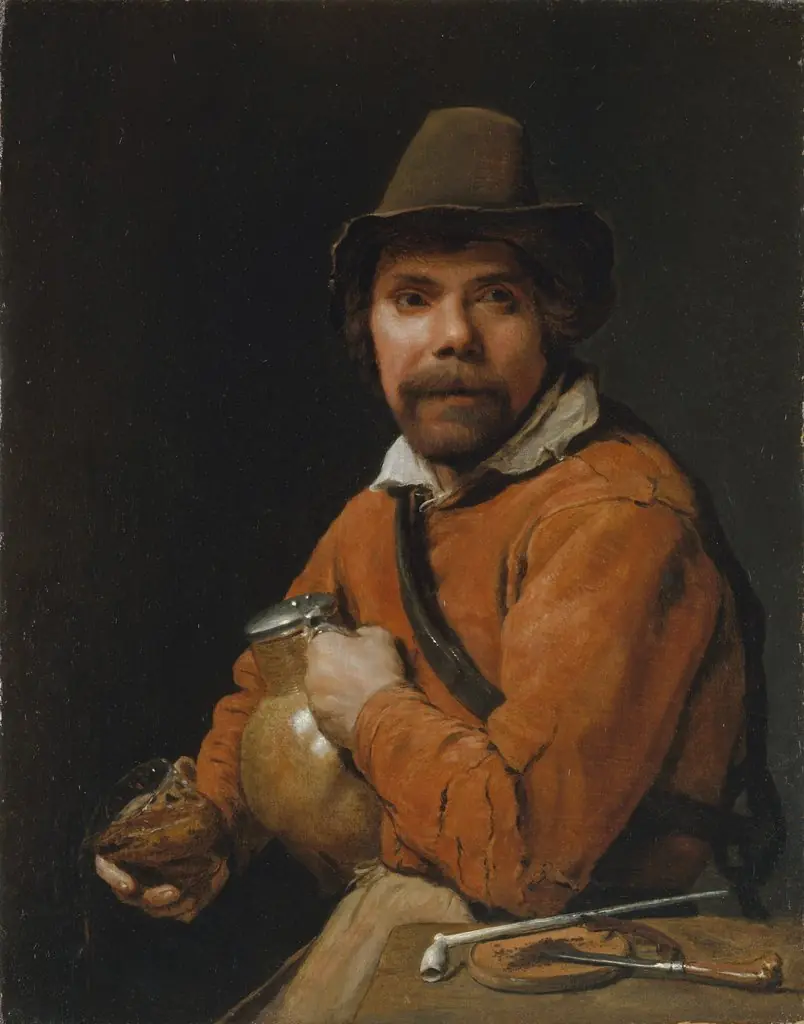
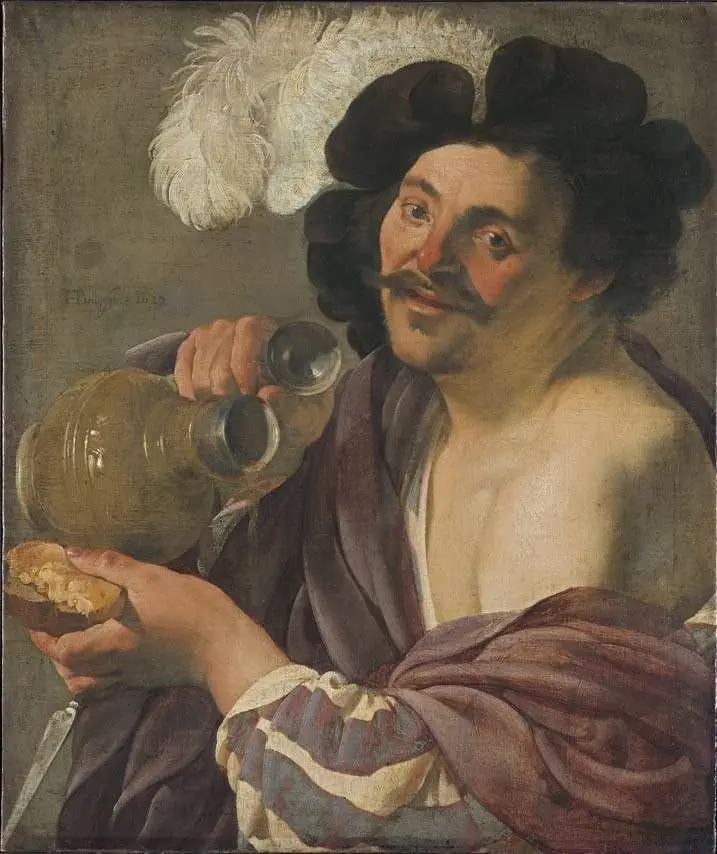
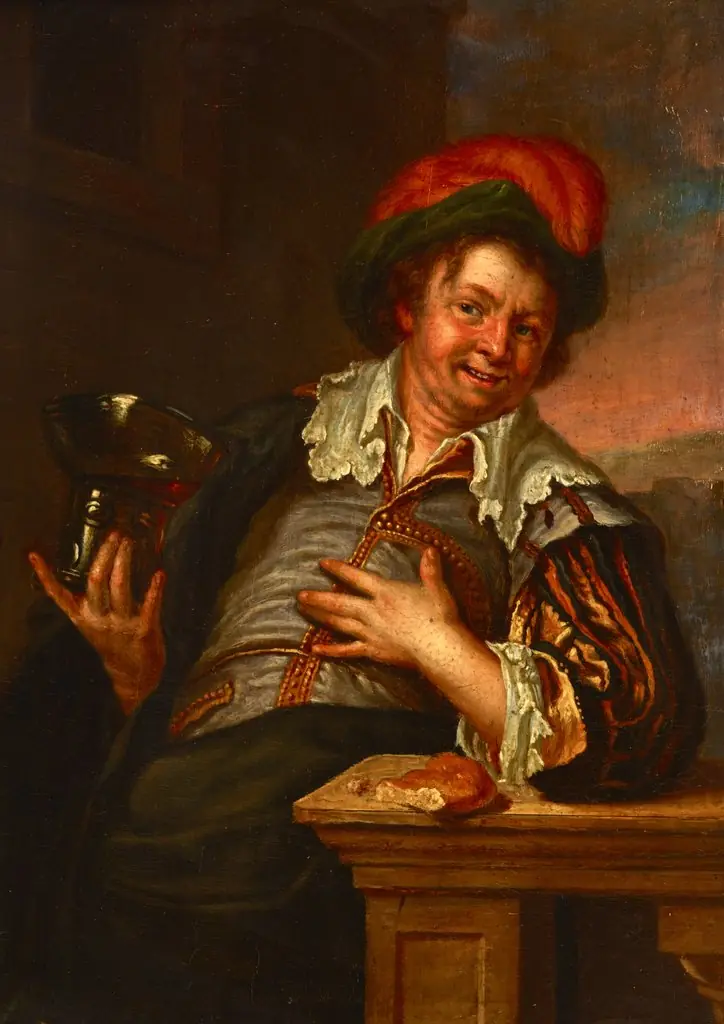
The work presents an allegorical representation of taste through a figure engaged with wine, a traditional symbol of sensory pleasure and gustatory delight. The composition situates the subject within a conventional emblematic framework where liquid and its consumption signify the sense of taste, reflecting Baroque-era conceptualizations of the bodily senses as vehicles for moral and aesthetic contemplation. This allegory aligns with the broader tradition of personifying the five senses in visual art, using wine as a direct attribute to denote the faculty of taste.
Technique & Style
Created in 1601, Allegory of Taste is an oil painting executed on canvas. The work measures 109 cm in height and 100 cm in width. As an allegorical genre piece, the composition centers on the sense of taste, specifically depicting wine as its main subject.
The medium of oil paint allows for the detailed rendering characteristic of the artist's style during this period.
History & Provenance
The painting Allegory of Taste was created in 1601 by the artist José de Ribera. Executed in oil on canvas, the work measures 109 cm in height and 100 cm in width. The piece is currently held in the collection of the Museo del Prado, where it remains located. The subject matter focuses on the sense of taste, depicted through the motif of wine.
The painting is housed in the Museo del Prado in Madrid, where it is recorded under the inventory number P00968. It was created in 1601 and first displayed as part of the museum's collection in the early 19th century, later featured in the Prado's 1827 exhibition of Spanish masters and again in the 1990 retrospective on Spanish Baroque art.
Overview
The work titled Allegory of Taste is an oil painting that presents a solitary male figure seated at a table. He is rendered with a dark moustache and a solemn expression, his right hand grasping a small object while his left rests on the tabletop. A plate bearing food and a draped cloth occupy the surface, all set against a predominantly dark background that isolates the central scene.
Context
Although the artist’s identity is not specified, the allegorical treatment aligns with 17th‑ to 18th‑century European traditions that personified the five senses. Such works often served decorative or didactic purposes in private collections, illustrating intellectual engagement with sensory experience through visual metaphor.
Artist & collection