Artwork
Ascension of Christ
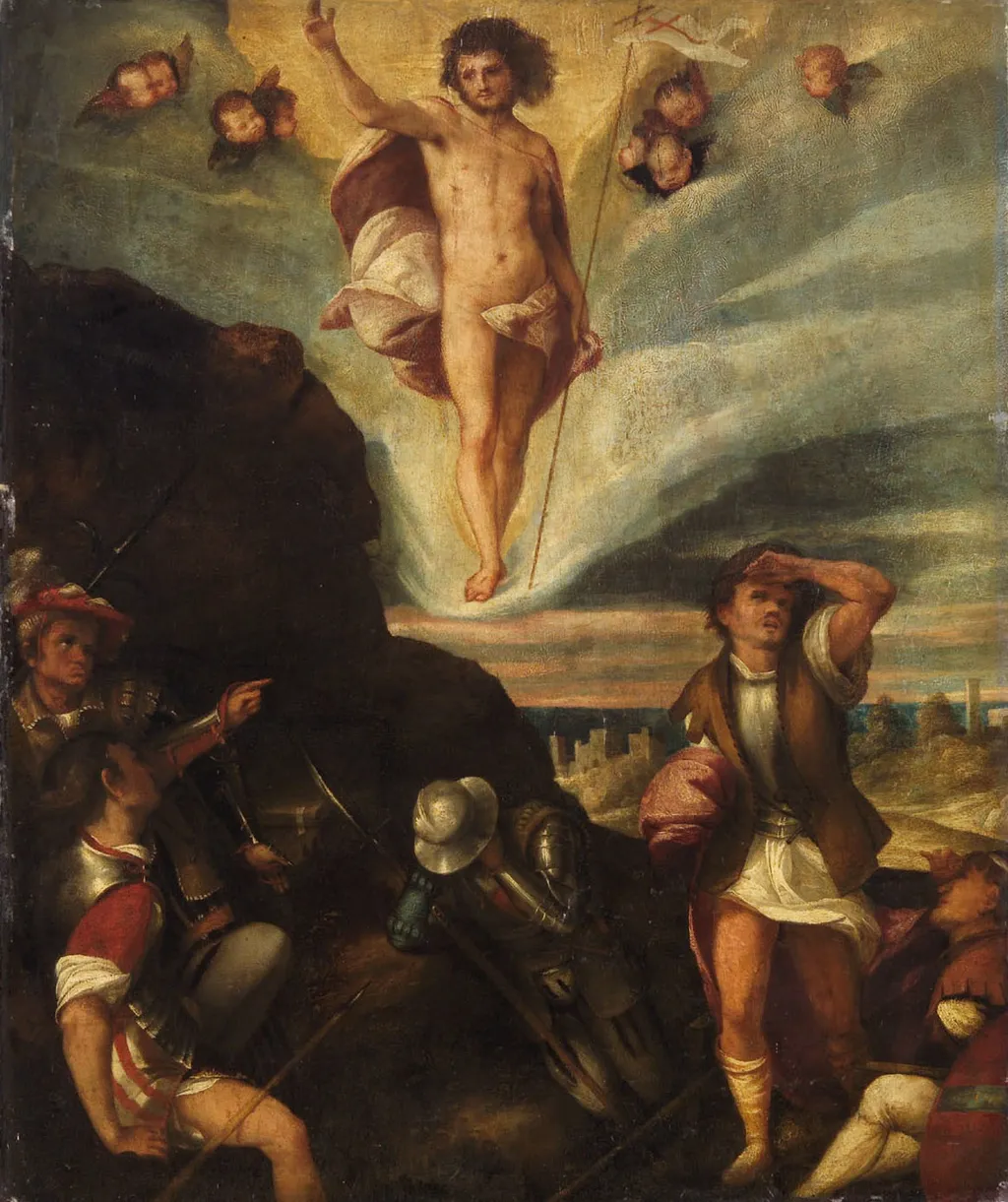
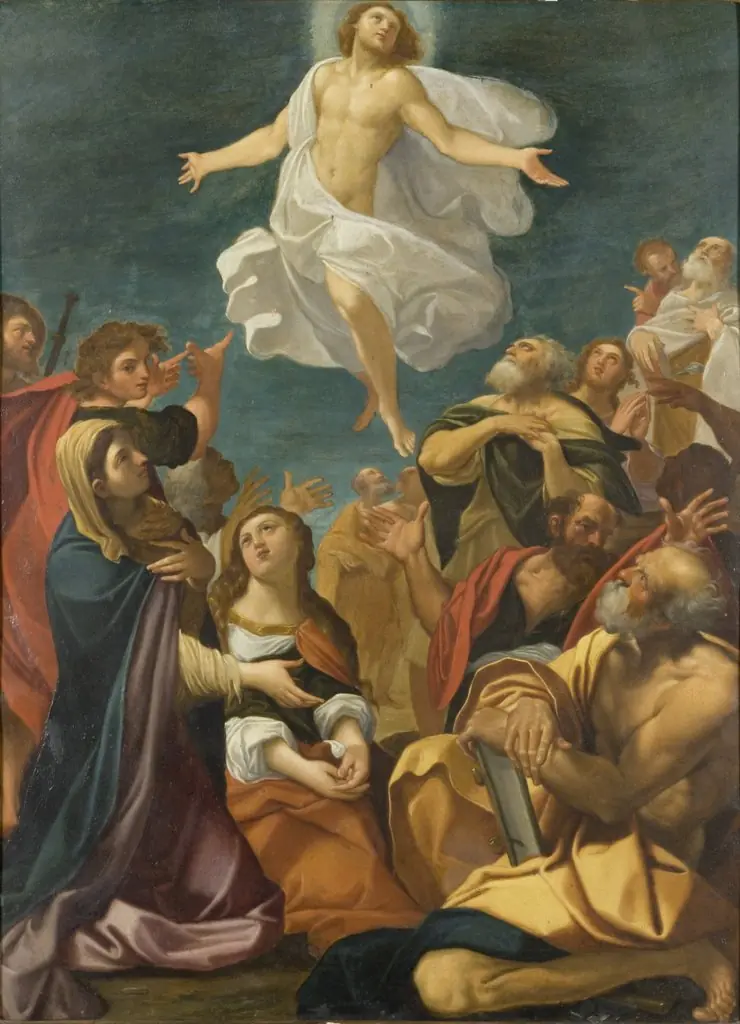
Ascension of Christ is an oil painting by the Mannerist artist Unknown. It dates from 1520 and is held in the collection of the Kunsthistorisches Museum. The work depicts the moment of Christ’s ascent, with the figure rising toward a cloudy heavens.
About this work
Subject & Meaning
The composition typically includes a mandorla or radiant light surrounding Christ, symbolizing his divine glory and the fulfillment of salvation history.
The painting depicts the Ascension of Christ, a central episode in Christian iconography where Jesus rises to heaven after his resurrection. Christ is shown ascending from a rocky landscape, often with Mary and the apostles gathered below, emphasizing the moment of divine elevation and the promise of redemption. The composition typically includes a mandorla or radiant light surrounding Christ, symbolizing his divine glory and the fulfillment of salvation history.
Such representations underscore the theological concept of Christ’s triumph over death and his return to the Father, reinforcing the promise of eternal life for believers.
Technique & Style
The Ascension of Christ (1520) is executed in oil paint on a wooden panel support, measuring 59.5 cm in height and 49 cm in width. The medium’s luminous layering suggests a Venetian influence, characterized by smooth glazes that enhance depth and subtle tonal transitions. The handling appears meticulous, with fine brushwork defining anatomical details and drapery folds, while softer blending techniques are employed for atmospheric elements such as clouds and divine light.
Stylistically, the work reflects High Renaissance conventions, evident in the balanced composition, idealized figural proportions, and harmonious integration of sacred narrative with spatial recession. The condition of the painting, as housed in the Kunsthistorisches Museum, remains stable, though no specific restoration history is documented in the sources.
History & Provenance
The Ascension of Christ is dated to about 1520, when it was painted in oil on panel. It entered the Kunsthistorisches Museum in Vienna with the core holdings of Archduke Leopold Wilhelm of Austria, whose collection was formed in the mid‑seventeenth century.
Earlier, the picture belonged to the Venetian collector Bartolomeo della Nave before passing into the Habsburg collection. The panel’s dimensions are 59.5 cm in height and 49 cm in width.
The painting Ascension of Christ, attributed to a Venetian artist and dated to 1520, is currently held in the collection of the Kunsthistorisches Museum in Vienna. The work is executed in oil paint on a panel measuring 59.5 cm in height and 49 cm in width. Its provenance traces back to the 17th century, having been owned by the Venetian collector Bartolomeo della Nave before passing to Archduke Leopold Wilhelm of Austria.
The Archduke's collection was subsequently acquired by the Habsburg dynasty, leading to the painting's permanent residence in the Kunsthistorisches Museum. No specific inventory number or exhibition history is provided in the available records.
Context
Attributed to a Venetian painter active in the early 16th century, Ascension of Christ reflects the transitional moment when High Renaissance ideals began yielding to Mannerist complexity. Scholars have situated the panel within the circle of artists influenced by Titian’s early religious compositions, though its precise authorship remains debated. The work’s intimate scale and devotional focus align it with private commissions for collectors such as Bartolomeo della Nave, whose holdings later entered the Habsburg collections via Archduke Leopold Wilhelm of Austria.
In art-historical narratives, the painting exemplifies the period’s engagement with dynamic figural arrangements and luminous oil technique, bridging regional traditions. Its inclusion in the Kunsthistorisches Museum’s corpus of Venetian Renaissance works underscores its role in studies of Northern Italian religious imagery and patronage networks during the 1520s.
Legacy
The painting's early ownership by Bartolomeo della Nave and Archduke Leopold Wilhelm contributed to its prominence within the Habsburg collection, reinforcing its status in religious art discourse. Its continued presence at the Kunsthistorisches Museum has ensured sustained scholarly attention and public visibility, cementing its reputation as a key example of Venetian Renaissance religious painting. The work's influence is evident in its frequent citation in studies of 16th-century depictions of the Ascension, shaping interpretations of the subject in both academic and curatorial contexts.
Overview
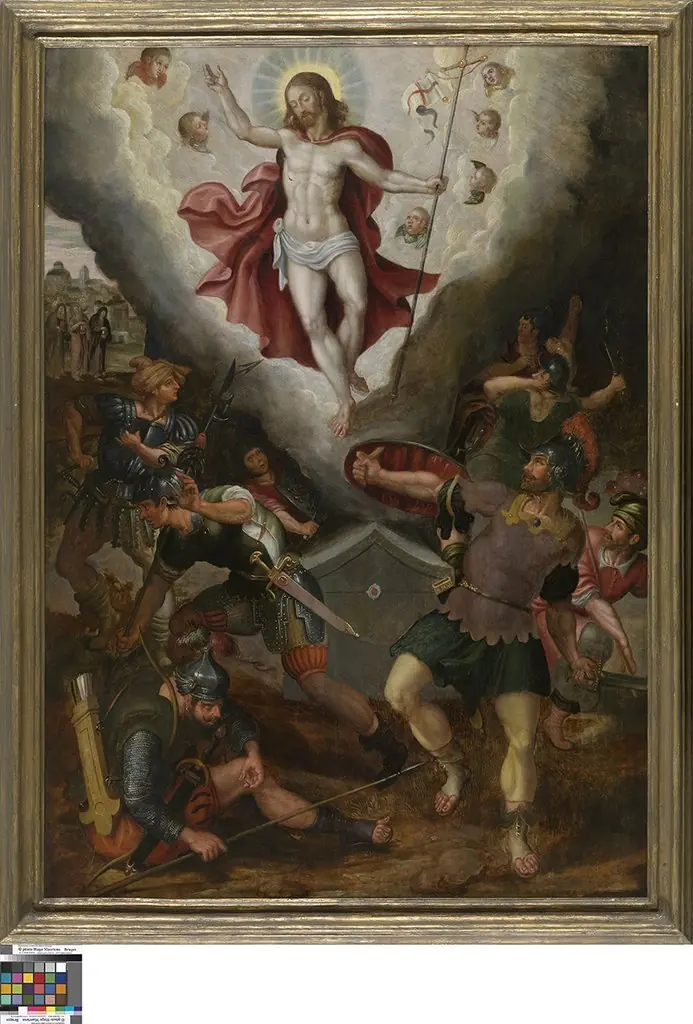
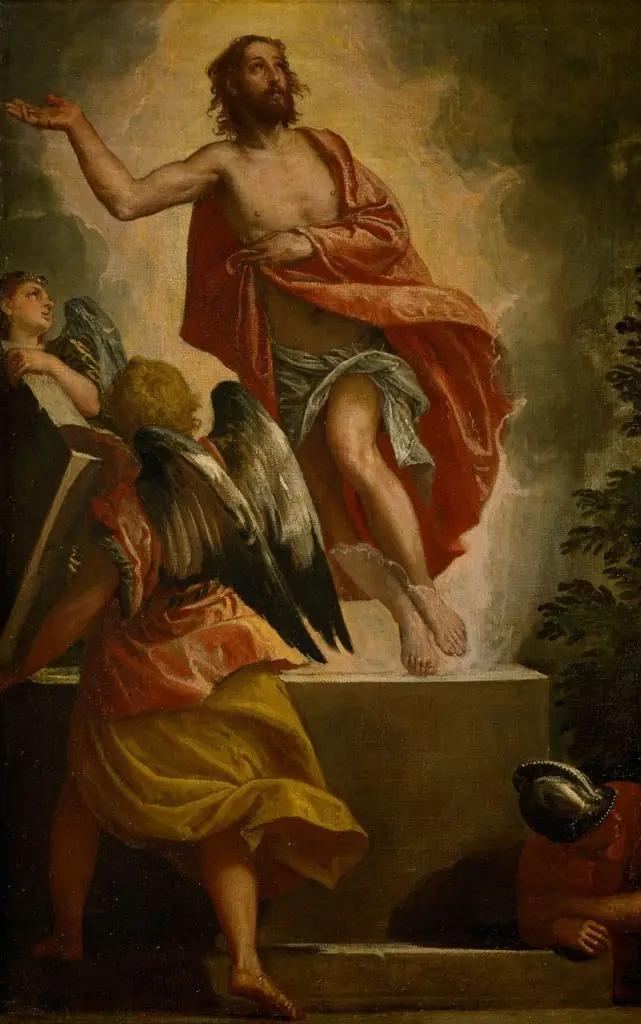
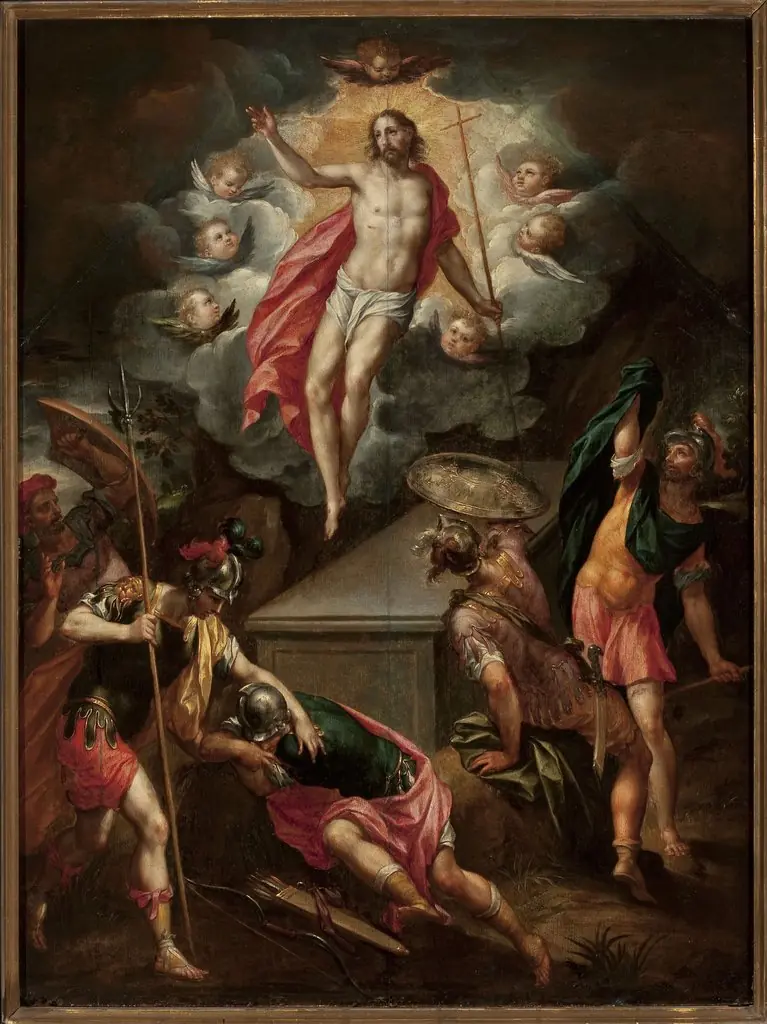
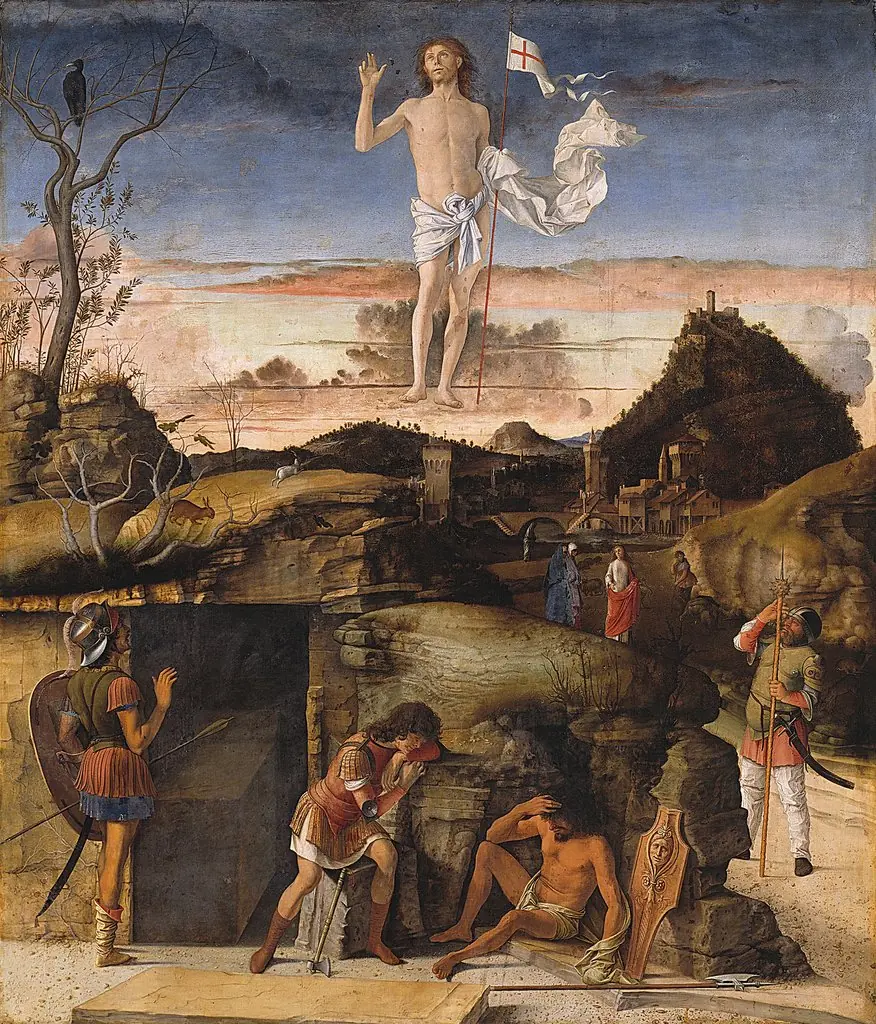
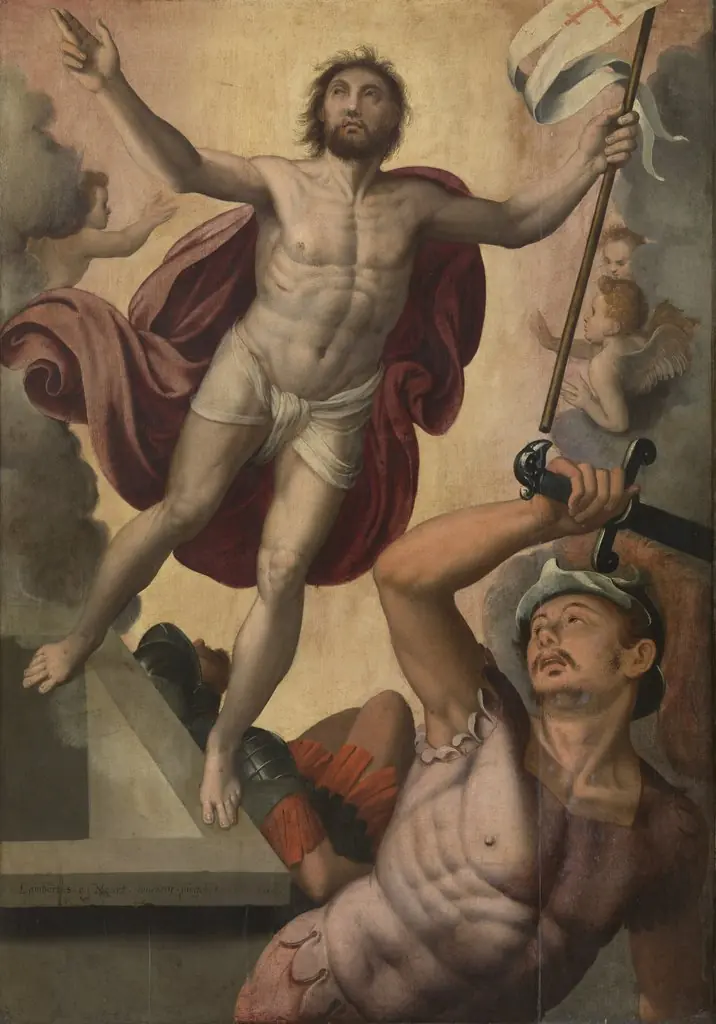
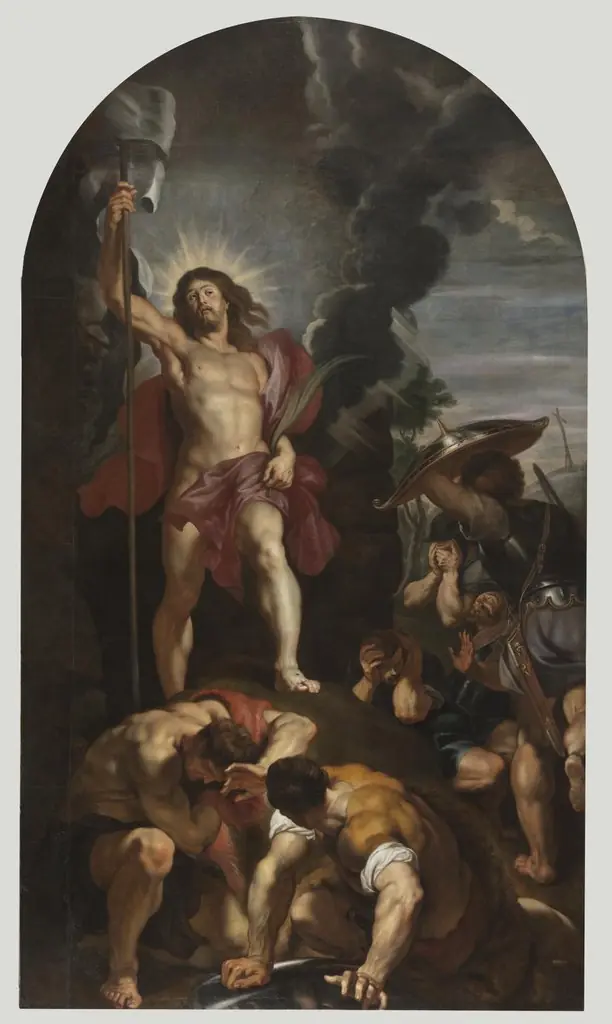
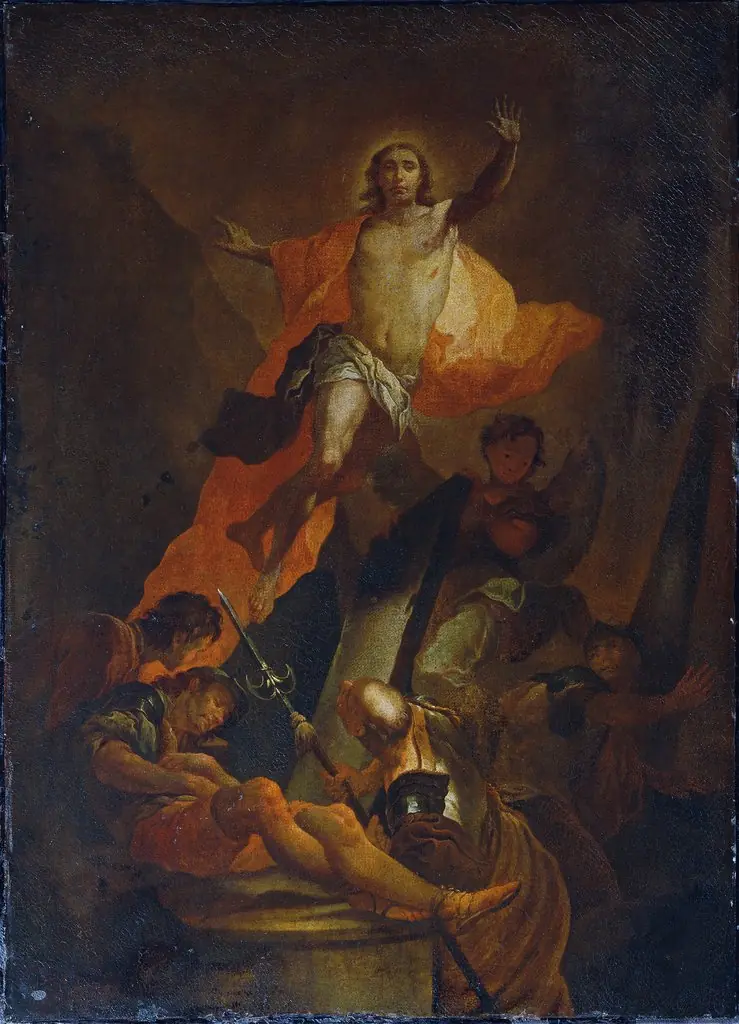
The work depicts the moment of Christ’s ascent, with the figure rising toward a cloudy heavens. He is shown nude beneath a white drapery, a halo encircling his head, his right hand uplifted and a staff grasped in the left. Below, a group of onlookers, some clad in armor, gaze upward, while faint angels occupy the sky above.
Artist & collection