Artwork
Bear
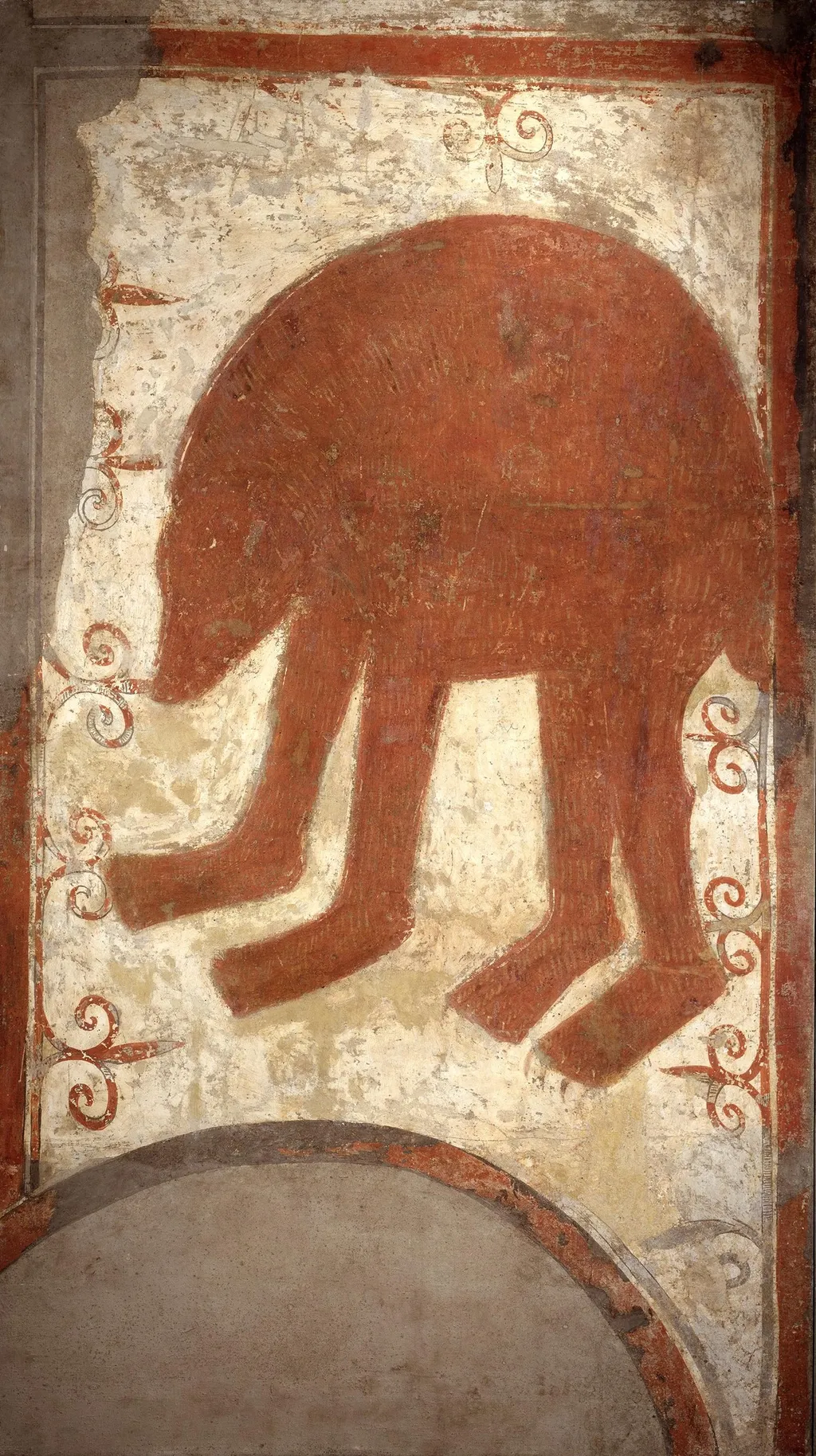
Bear is an unspecified painting by the Byzantine icon painting artist Unknown. It dates from 1125 and is held in the collection of the Museo del Prado.
About this work
Subject & Meaning
As indicated by its genre classification, the artwork functions within a spiritual or devotional framework rather than a purely naturalistic one.
The work titled Bear is a religious painting created in 1125 by an anonymous artist. As indicated by its genre classification, the artwork functions within a spiritual or devotional framework rather than a purely naturalistic one. The primary subject depicted is a bear, which serves as the central iconographic element of the composition.
While the specific theological allegory or symbolic meaning of the bear is not detailed in the available records, its inclusion in a religious context suggests it represents a figure or theme relevant to the era's spiritual narratives.
History & Provenance
The painting titled Bear was created in 1125 and classified as a religious artwork. It was produced by an anonymous artist, as recorded in the work's entry and held in the collection of the Museo del Prado. The dimensions of the piece measure 199.4 by 112.4 centimeters, according to the catalog description.
The work entered the collection of the Metropolitan Museum of Art and the Museo del Prado, indicating a documented chain of ownership tied to institutional holdings.
The genesis of the composition is linked to its religious context, reflecting iconographic traditions of the period. Its creation history is situated within the early 12th century, as affirmed by the inception date recorded in the source data. The painting's authorship remains unattributed, consistent with the designation of anonymous execution in the referenced documentation.
The painting Bear is currently held by the Museo del Prado. While the Metropolitan Museum of Art is also associated with the work, the Museo del Prado is identified as its specific location. No inventory or accession numbers are documented for the piece, nor is there any record of an exhibition history in the available sources.
Context
The painting titled Bear, created circa 1125, occupies a distinctive position within the corpus of early medieval religious art. It is classified as a religious painting and was originally housed in the Museo del Prado, where it remains part of the collection today. The work depicts a bear, a motif that may carry symbolic weight in contemporary devotional contexts, though its precise iconographic function is not elaborated in available records.
Scholarly attention has focused on its stylistic placement within the broader landscape of 12th-century Iberian religious painting, particularly in relation to other anonymous works attributed to the same period and region. Its attribution to an anonymous workshop or hand is consistent with the aesthetic conventions of the time, and it is often discussed in studies of devotional imagery that blend naturalistic observation with spiritual allegory. The painting’s dimensions, recorded as 199.4 cm in height and 112.4 cm in width, support its classification as a large-scale devotional panel, suitable for display in ecclesiastical or institutional settings.
Contextual analysis situates the work within the trajectory of religious art in medieval Spain, where natural subjects such as animals were occasionally employed to convey moral or theological themes. The Bear is frequently referenced in art historical literature as an example of the genre-bending tendencies observed in Iberian panel painting of the 12th century, particularly in how it merges narrative simplicity with symbolic resonance. Its presence in major museum collections, including the Metropolitan Museum of Art and the Museo del Prado, underscores its recognized significance within the canon of early European religious art.
Overview
The work titled “Bear” is a painted image depicting a solitary bear upright on its hind legs. Rendered in a limited palette of flat red and white, the figure has a rounded torso and short limbs, with its front paws lifted as if reaching outward. The composition is set against a plain, weathered background edged with faint, faded swirls, and the surface shows signs of age and flaking.
Technique & Style
Executed with flat areas of pigment, the painting employs a stark red and white color scheme without gradations or shading. The brushwork appears minimal, and the overall effect is one of graphic simplicity. The surface bears evidence of extensive aging, with paint loss and a cracked, faded appearance that contributes to its antiquated character.
Artist & collection









- CARCOLITI, elephant and lion from Boí
 Decorative Panel with Eagles
 Elephant
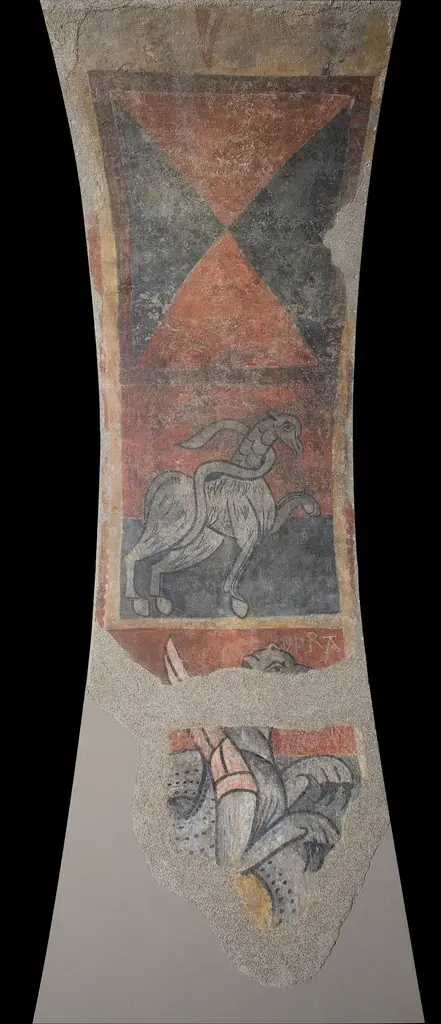 VIPRA (dragon) and other animals from Boí
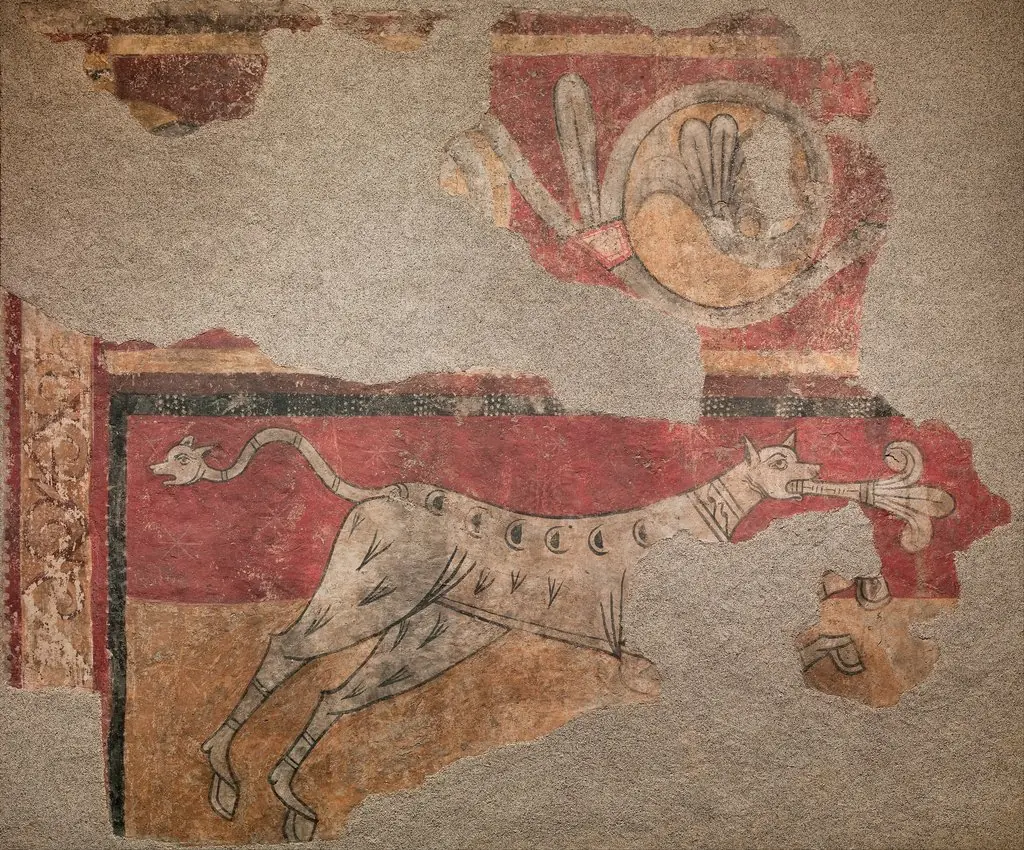 Quadruped with Fleur-de-lis from Boí
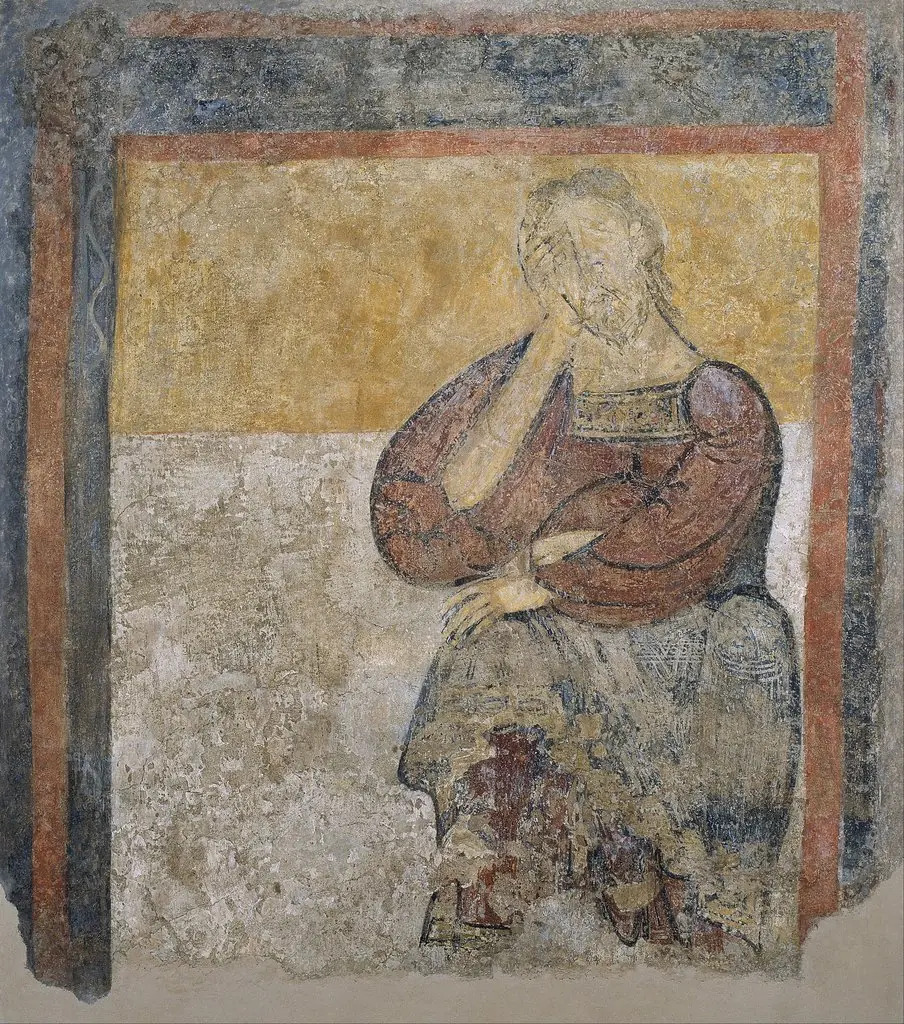 Distressed man from Sant Climent de Taüll
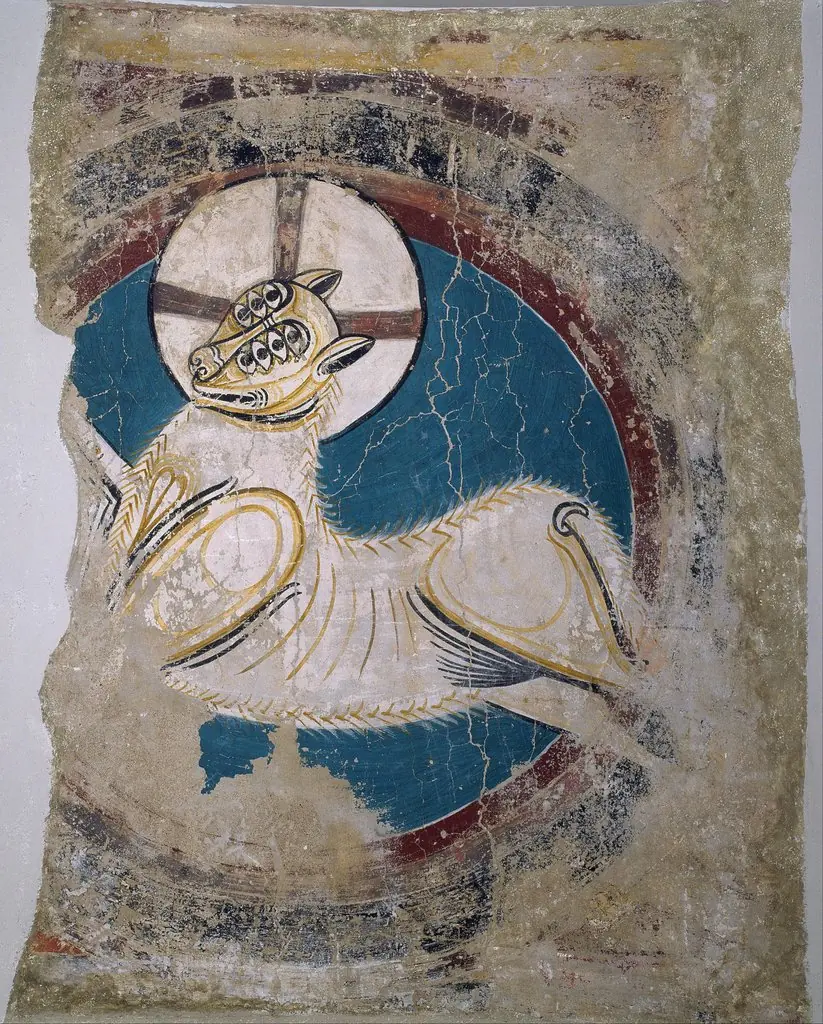 Arch of the Apocalyptic Lamb from Sant Climent de Taüll
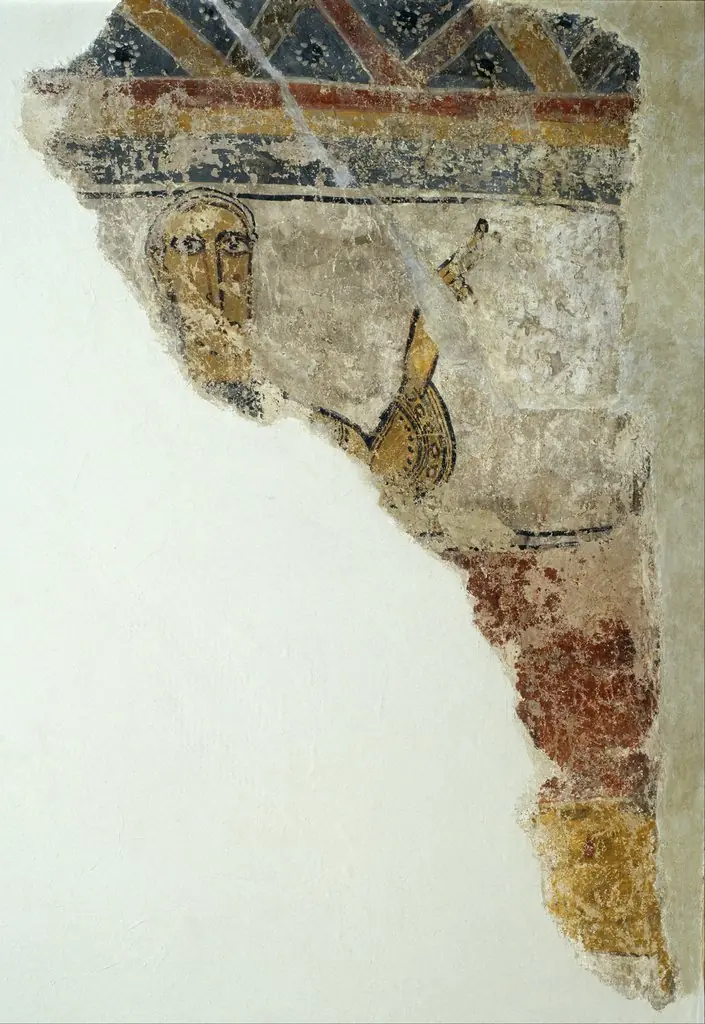 Remains of a figure from Santa Maria de Taüll
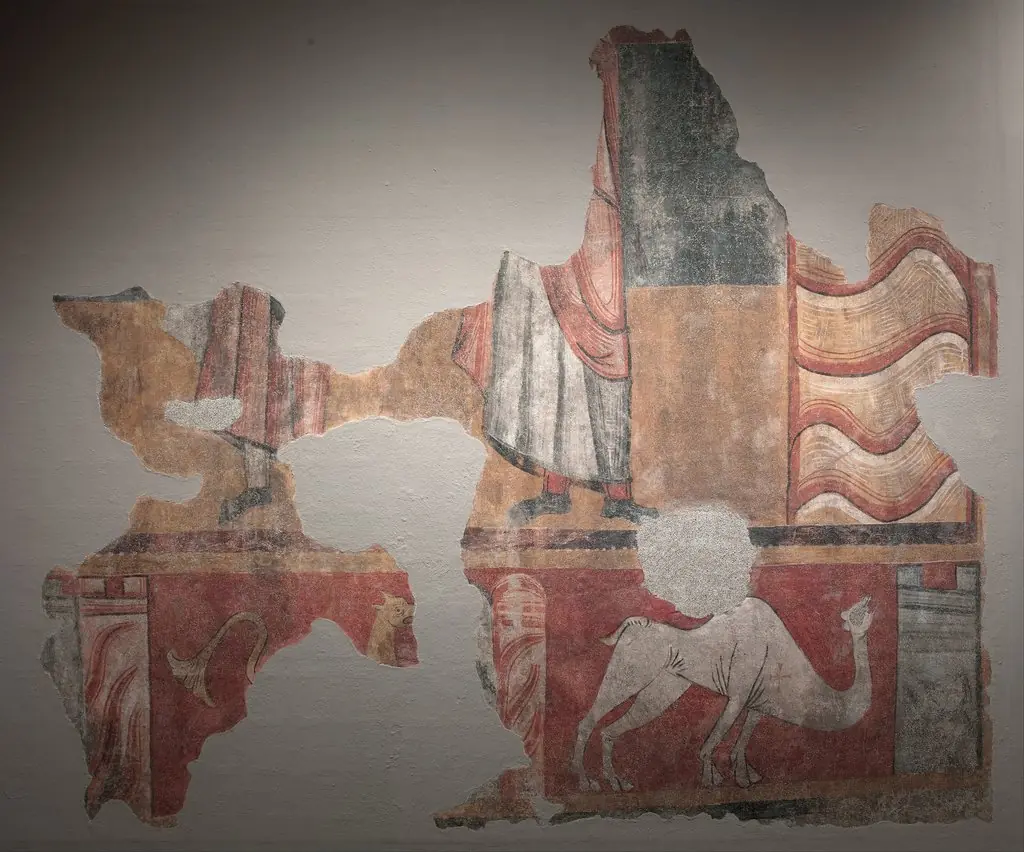 Figures, buildings and bestiary from Boí
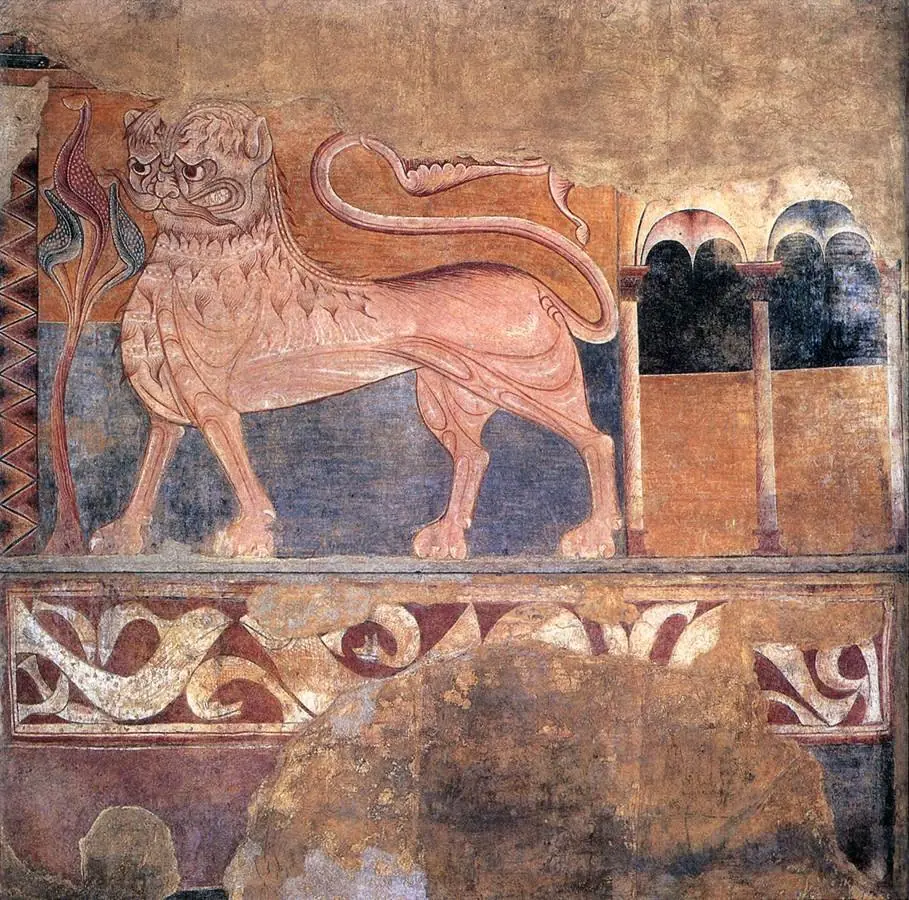 Lion wall painting
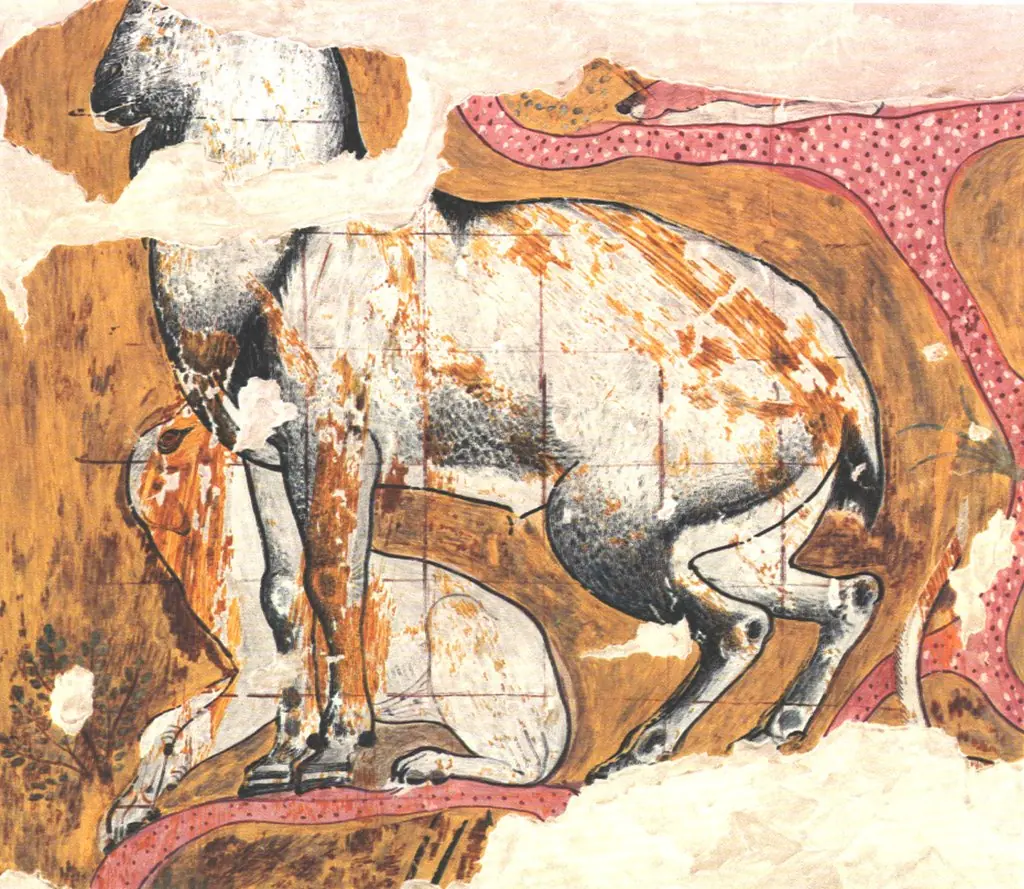 Ibex and Dog from the Tomb of Qenamun
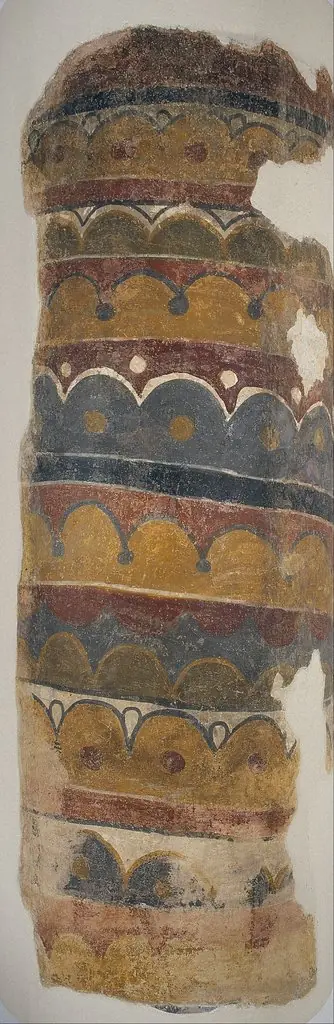 Decorated shaft from Santa Maria de Taüll