Artwork
Charles V (1500–1558), Holy Roman Emperor
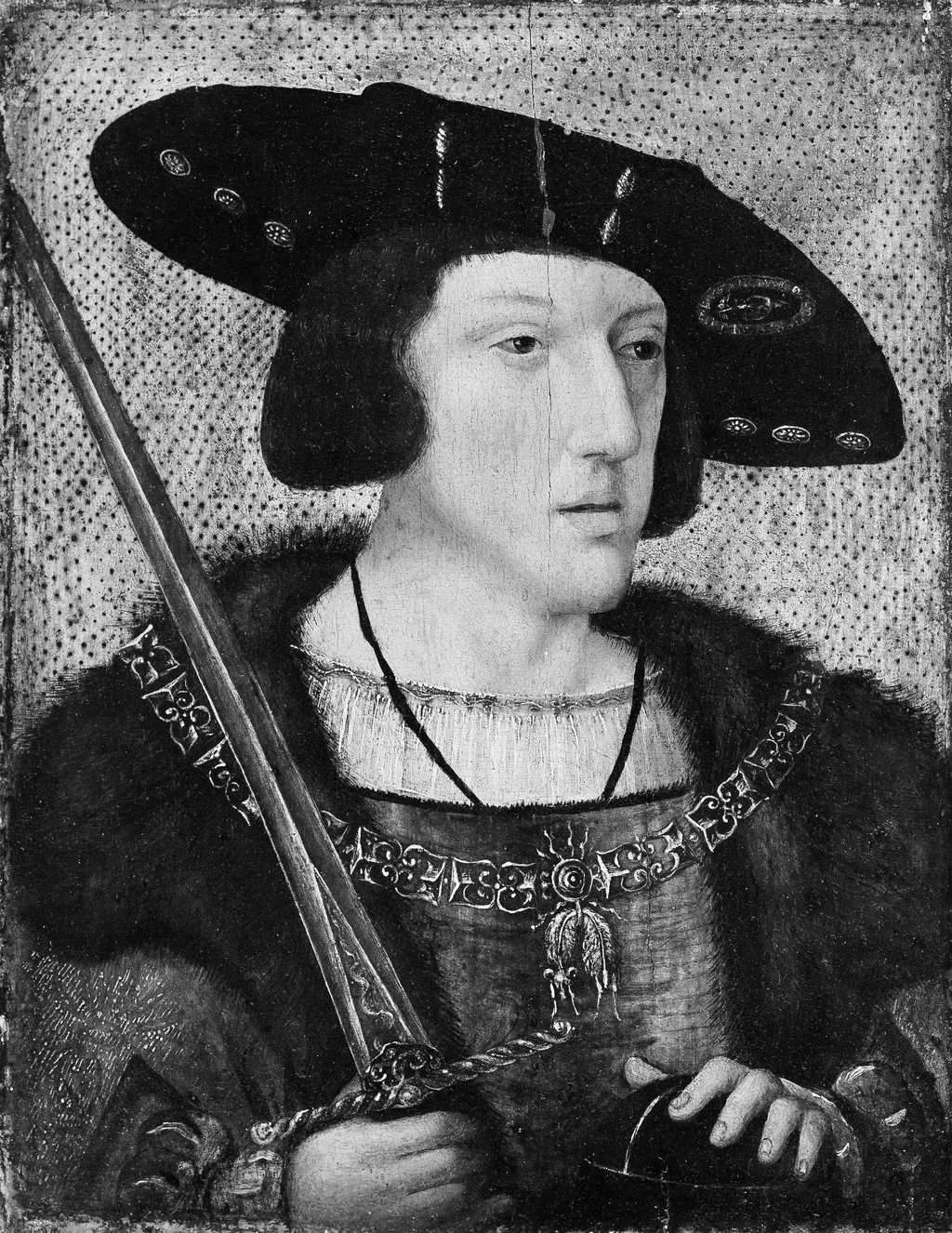
Charles V (1500–1558), Holy Roman Emperor is an oil painting. It dates from 1520 and is held in the collection of the Metropolitan Museum of Art. This oil painting depicts Charles V (1500–1558), who reigned as Holy Roman Emperor.
About this work
Subject & Meaning
The work is a portrait depicting Charles V (1500–1558), Holy Roman Emperor, rendered in oil on a small panel measuring 29.
The work is a portrait depicting Charles V (1500–1558), Holy Roman Emperor, rendered in oil on a small panel measuring 29.5 by 22.5 centimeters. The composition includes a sword, an attribute traditionally associated with imperial authority and martial leadership. The painting belongs to the genre of portraiture, a format used to convey the status, identity, and power of the sitter.
By isolating Charles V as the central figure and pairing his likeness with regalia, the work functions as a visual statement of his rank and role, communicating the dignity attached to the office of Holy Roman Emperor through the conventions of early sixteenth-century Netherlandish portraiture.
Technique & Style
Created in 1520 by an anonymous Netherlandish artist, this portrait of Charles V is executed in oil paint on a panel support. The work measures 29.5 cm in height and 22.5 cm in width, presenting a formal depiction of the future Holy Roman Emperor holding a sword. As a small-scale panel painting, the medium allows for precise detail in the rendering of the subject's features and attire.
The piece is held in the collection of the Metropolitan Museum of Art, acquired through the bequest of Michael Friedsam. Stylistically, the painting follows the conventions of early sixteenth-century Netherlandish portraiture, focusing on the dignified representation of the monarch within a compact format.
History & Provenance
This anonymous Netherlandish portrait of Charles V was produced in 1520, executed in oil on panel and depicting the young Habsburg ruler with a sword. The earliest documented owner in the recorded chain is Michael Friedsam, whose collection included the small panel measuring 29.5 by 22.5 centimeters. The work entered the holdings of the Metropolitan Museum of Art through the Michael Friedsam bequest, where it is currently held.
No details of an original commission or of intermediate owners between Friedsam and the museum are documented, and the painting remains attributed to an unidentified Netherlandish artist rather than a named court painter.
Context
The 1520 portrait of Charles V, held in the Metropolitan Museum of Art, is attributed to an anonymous Netherlandish painter. As an early depiction of the future Holy Roman Emperor, the work offers a significant, albeit anonymous, example of Netherlandish portraiture from the period preceding his imperial coronation. Its attribution to an unnamed artist reflects the workshop-based nature of early sixteenth-century portraiture, where individual artistic identity was often secondary to the representation of power and lineage.
Its presence in a major public collection makes it useful to historians studying the visual culture of the Habsburg dynasty and the evolution of imperial iconography in the Low Countries.
Overview
This oil painting depicts Charles V (1500–1558), who reigned as Holy Roman Emperor. The work serves as a formal portrait of the influential monarch, capturing his likeness and projecting his imperial authority. It presents a detailed representation of the emperor, emphasizing his significant political and historical role during the 16th century.
Artist & collection

 Philip the Good
 Portrait of Philip the Good
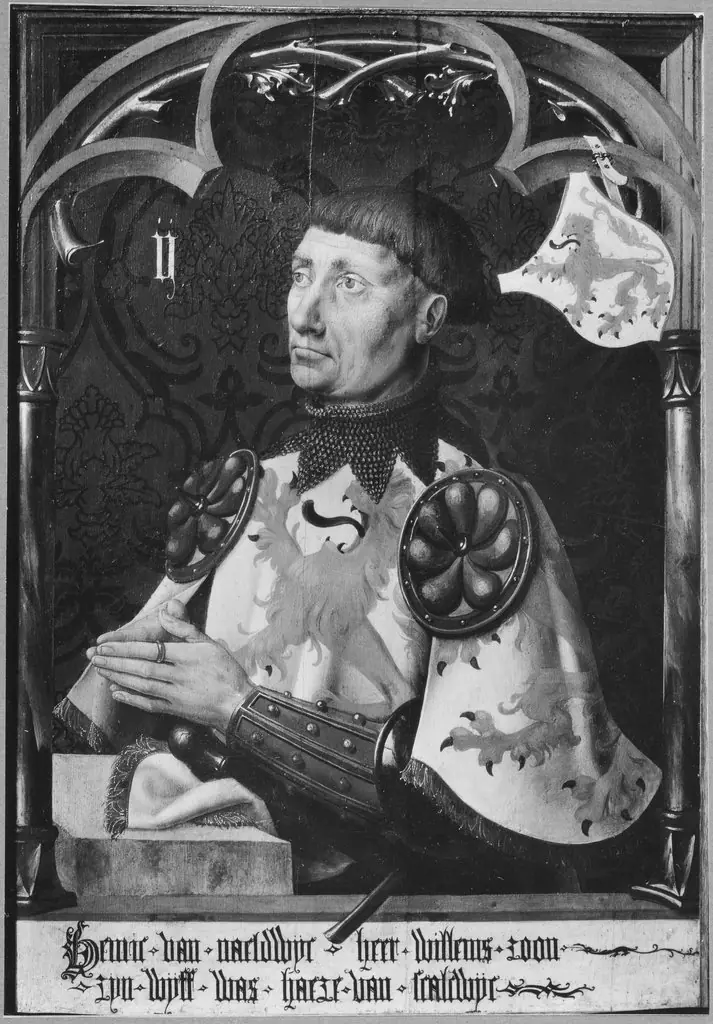 Hendrik II van Naaldwijk
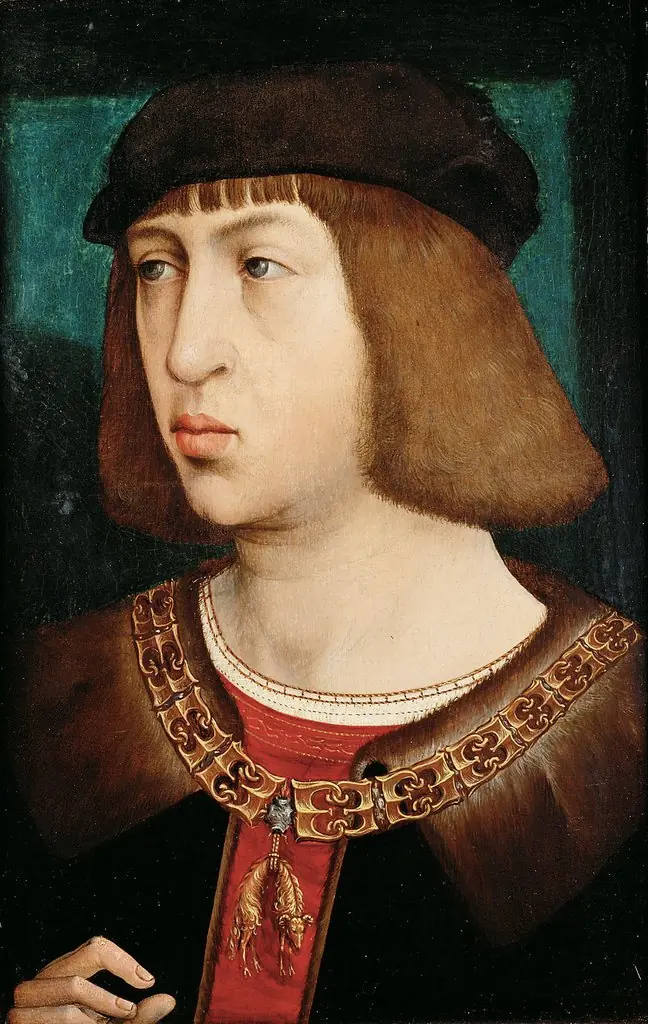 Philip the Handsome (1478-1506)
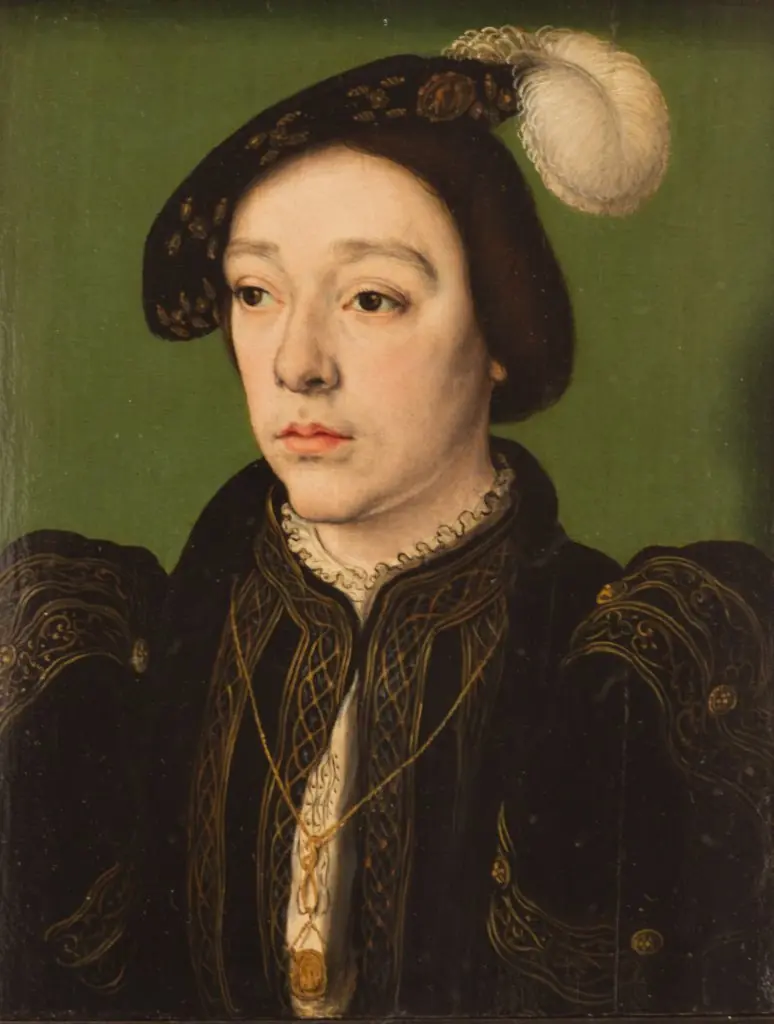 Portrait of Duke Charles of Angoulême
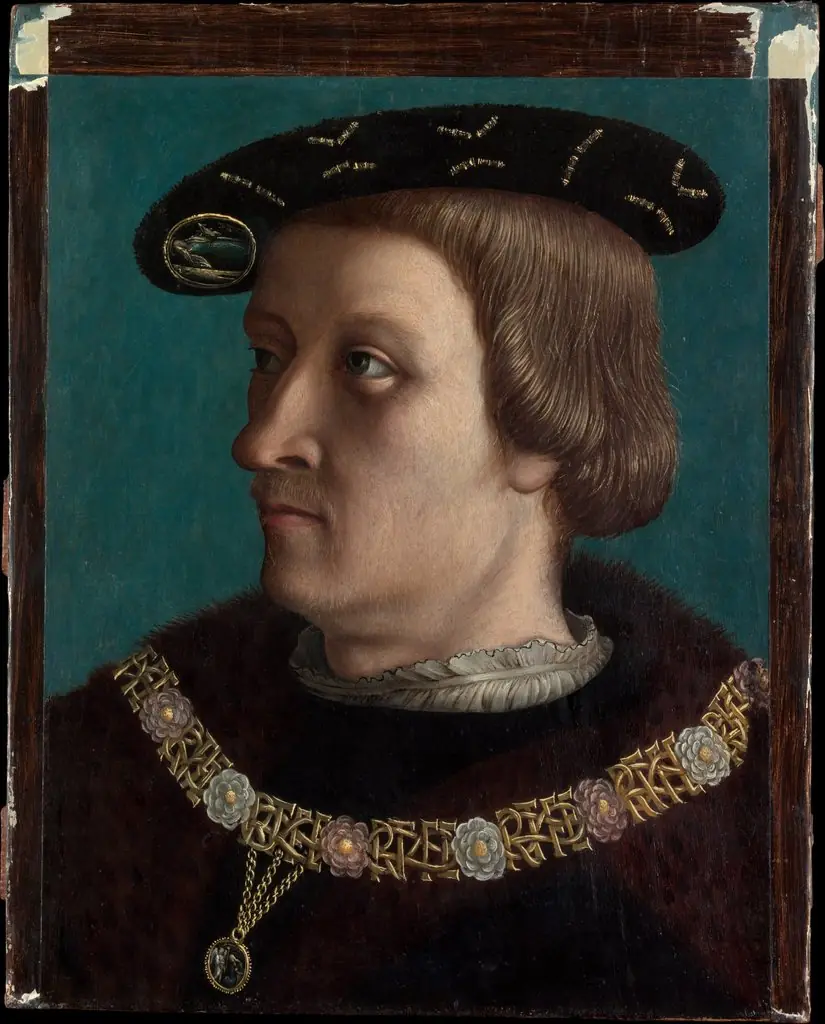 Portrait of a Man Wearing the Order of the Annunziata of Savoy
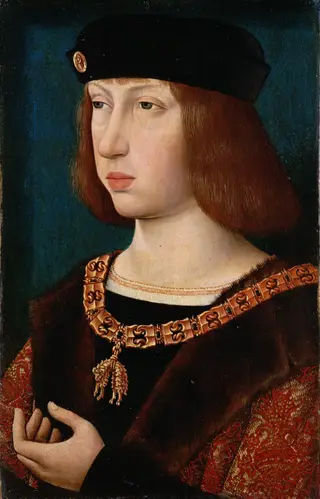 Portrait of Philips 'de Schone' van Habsburg (1478-1506)
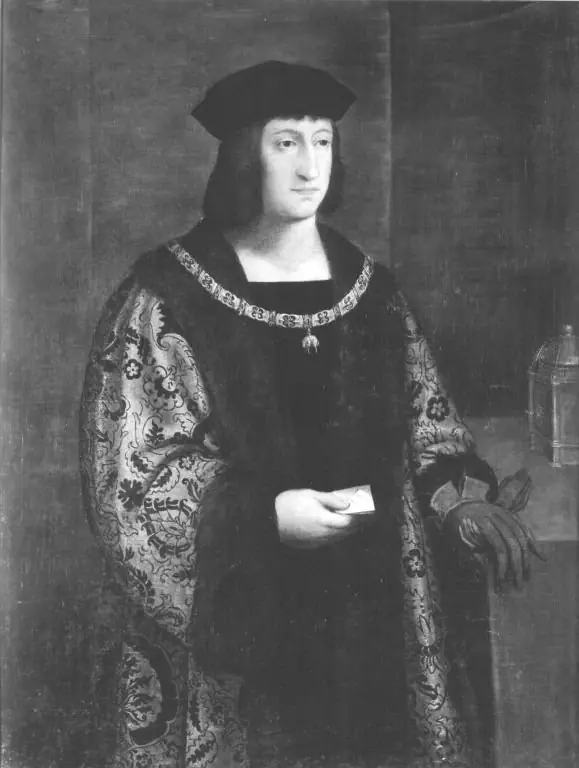 Bildnis eines jungen Fürsten (Kaiser Maximilian? Ferdinand?) (Kopie nach)
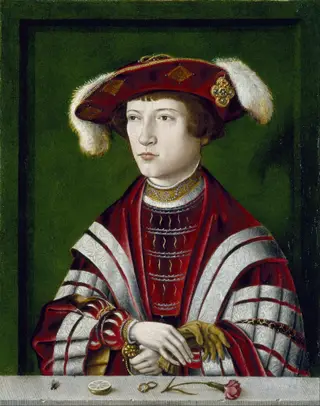 Portrait of a Nobleman
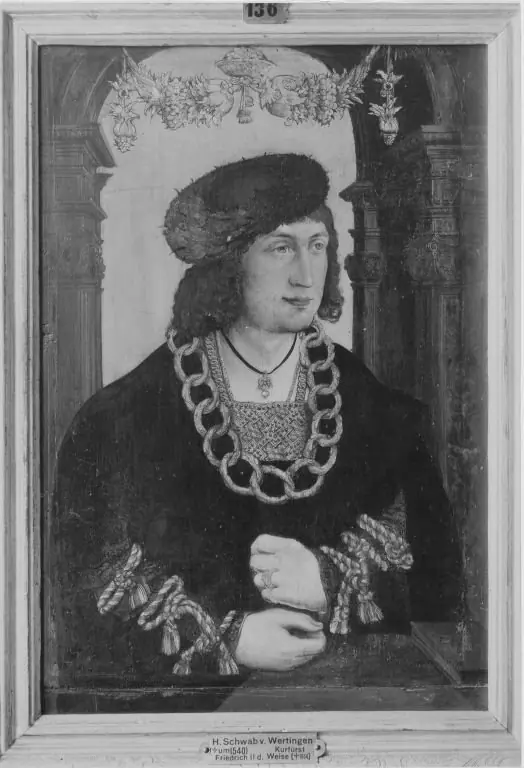 Pfalzgraf Friedrich II. der Weise