Artwork
H Beard Print Collection
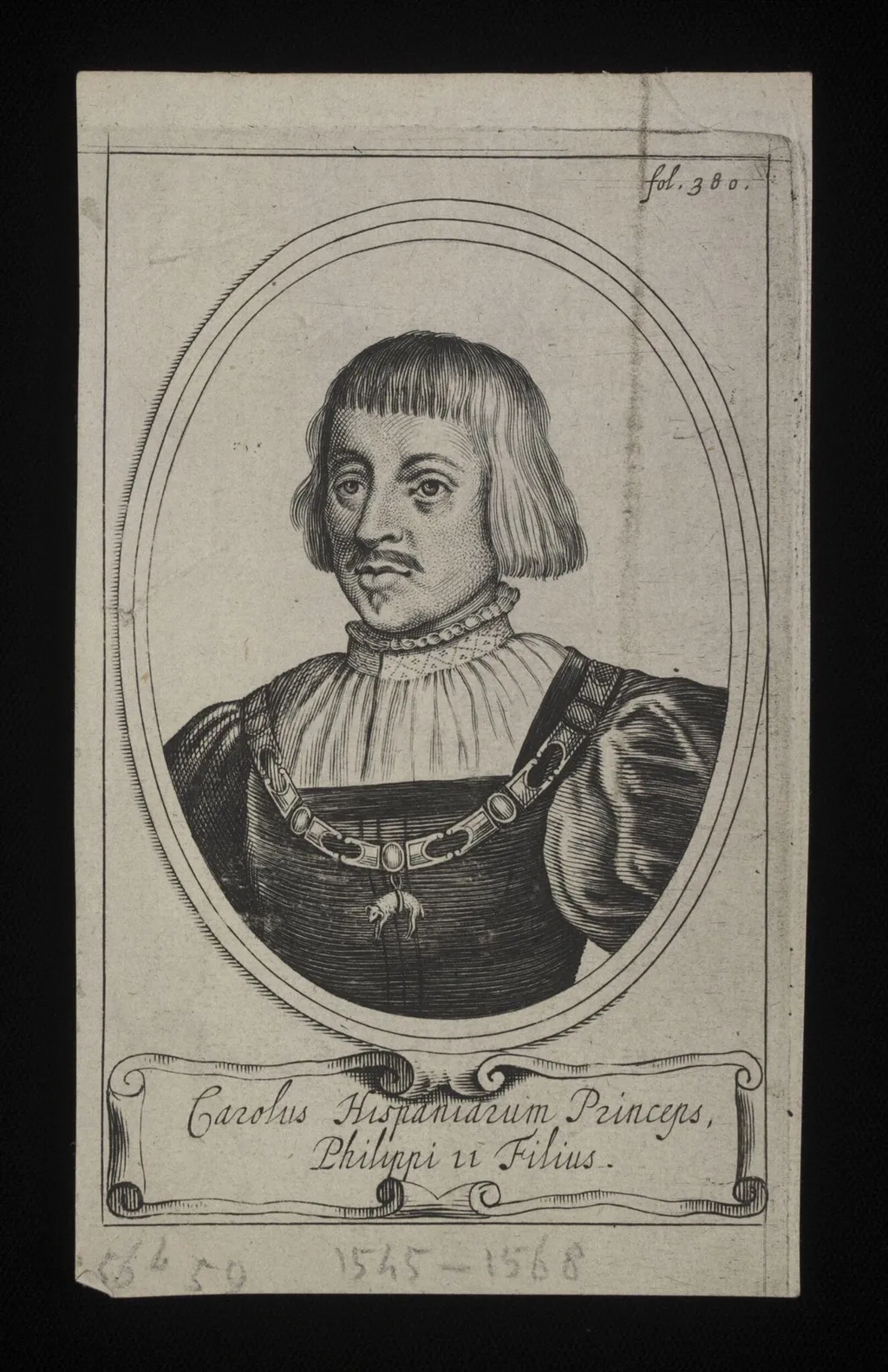
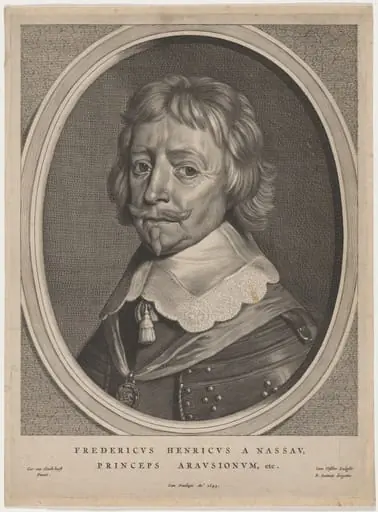
H Beard Print Collection is a print by the Renaissance artist Unknown. It dates from 1556 and is held in the collection of the Victoria and Albert Museum. This engraved portrait depicts a man identified as Carolus, dated between 1545 and 1568.
About this work
Overview
The image captures a single figure in formal attire, rendered with fine lines characteristic of hand-carved copper plates.
This engraved portrait depicts a man identified as Carolus, dated between 1545 and 1568. Part of the Harry Beard Print Collection, it exemplifies the precision of Renaissance-era metal engraving. The image captures a single figure in formal attire, rendered with fine lines characteristic of hand-carved copper plates. Its survival reflects the era’s interest in preserving individual likenesses through reproducible media.
Subject & Meaning
The subject, Carolus, is portrayed with solemn dignity, suggesting he held social or professional standing. His clothing, though not precisely identified, aligns with mid-16th-century European dress, indicating regional and temporal context. The portrait’s intent appears to be commemorative rather than symbolic, offering a direct visual record of a named individual from a period when such personal representations were becoming more accessible beyond nobility.
Technique & Style
Executed in intaglio engraving, the image relies on incised lines on a metal plate to hold ink and transfer fine detail onto paper. The artist employed controlled, deliberate strokes to model facial features and fabric textures, demonstrating technical mastery. Unlike later chiaroscuro prints, this work uses line alone to suggest form, avoiding tonal contrasts, and emphasizes clarity over dramatic lighting.
History & Provenance
The print originates from the mid-16th century and entered the Harry Beard Collection, a 19th-century assemblage of historical prints focused on portraiture and costume. Its preservation suggests it was valued for its craftsmanship and documentary quality. No record of its original commission or publisher survives, but its existence implies a market for individual portraits among educated or affluent patrons of the time.
Context
During the 1500s, engraved portraits became tools for disseminating likenesses across Europe, especially among merchants, scholars, and minor nobility. While woodcuts were common for mass reproduction, engraving offered higher detail and was preferred for refined subjects. This print reflects the growing cultural emphasis on individual identity and the role of print in shaping personal and familial memory.
Legacy
As a surviving example of Renaissance engraving, the portrait contributes to studies of early modern visual culture and printmaking techniques. It illustrates how portraiture transitioned from exclusive commissions to reproducible images, influencing later developments in graphic arts. Though not attributed to a known master, its quality underscores the skill of anonymous artisans who shaped visual documentation in the pre-photographic age.
Artist & collection









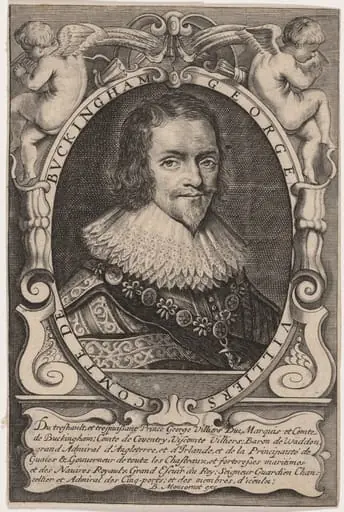
- George Villiers, First Duke of Buckingham
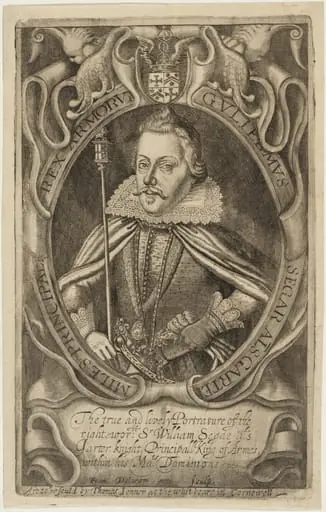 Guliemus Segar (Sir William Segar, Garter King of Arms)
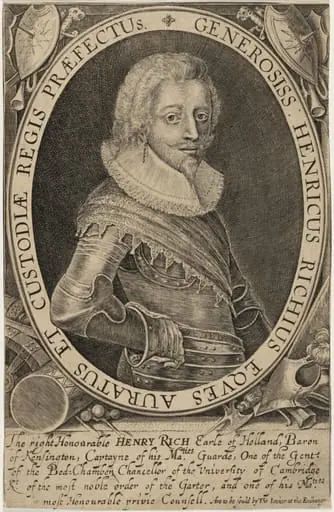 Henry Rich, First Earl of Holland
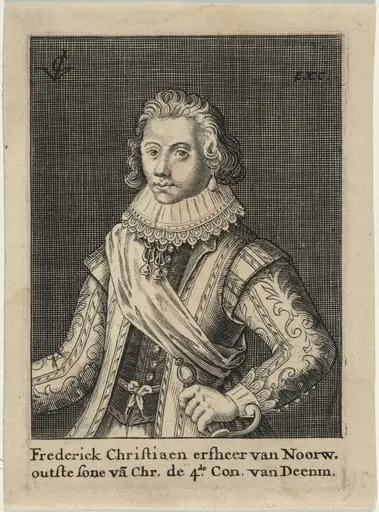 Frederick Christian III, King of Denmark and Norway
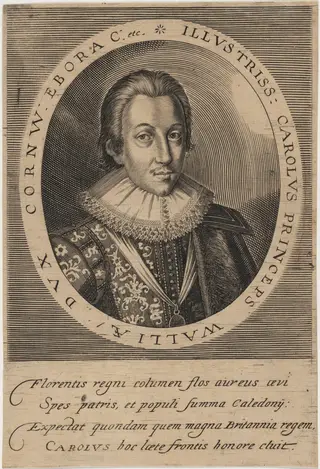 Charles I as Prince of Wales
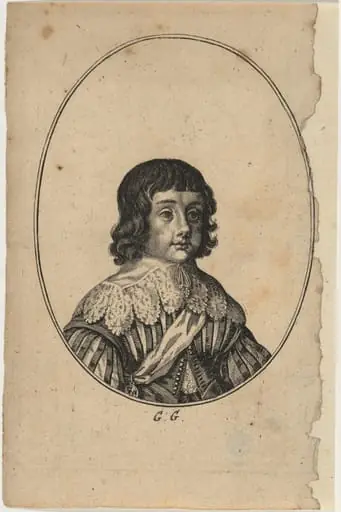 Charles II as a Child
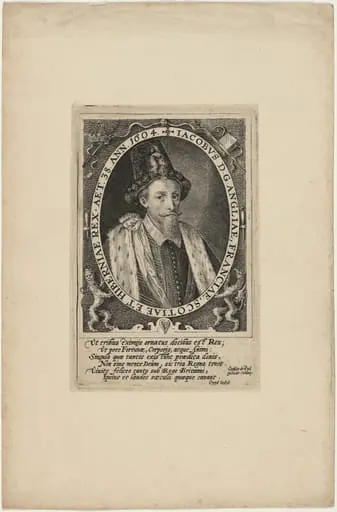 James I, King of England
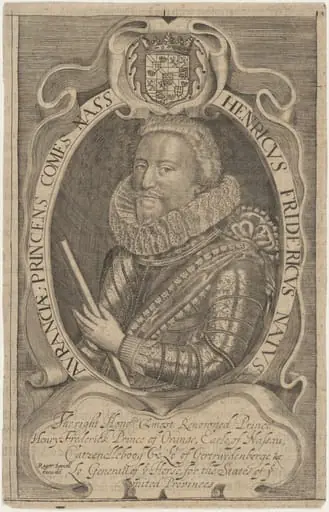 Frederick Henry, Prince of Orange
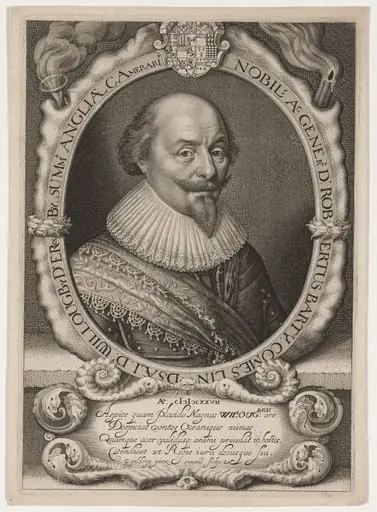 Robert Bertie, First Earl of Lindsey, Royalist, Fell at Edgehill
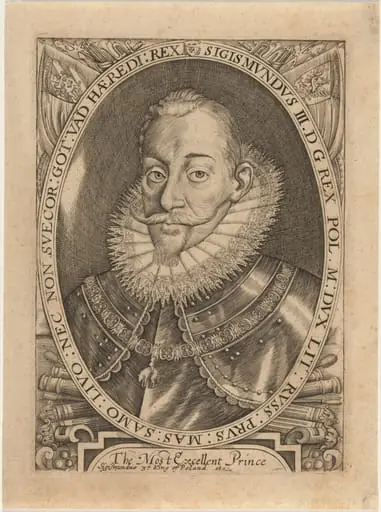 Sigismund III, King of Poland and Sweden
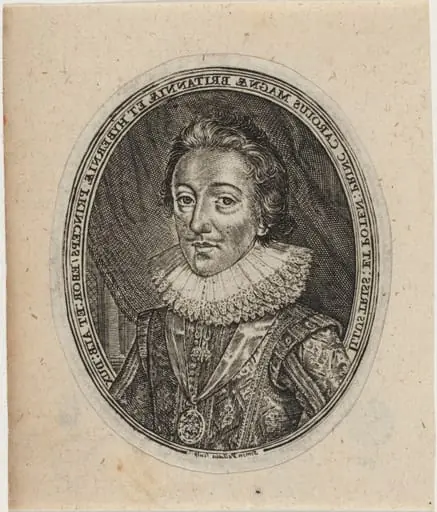 Charles I, King of England
 Frederick Henry of Orange