Artwork
Madonna
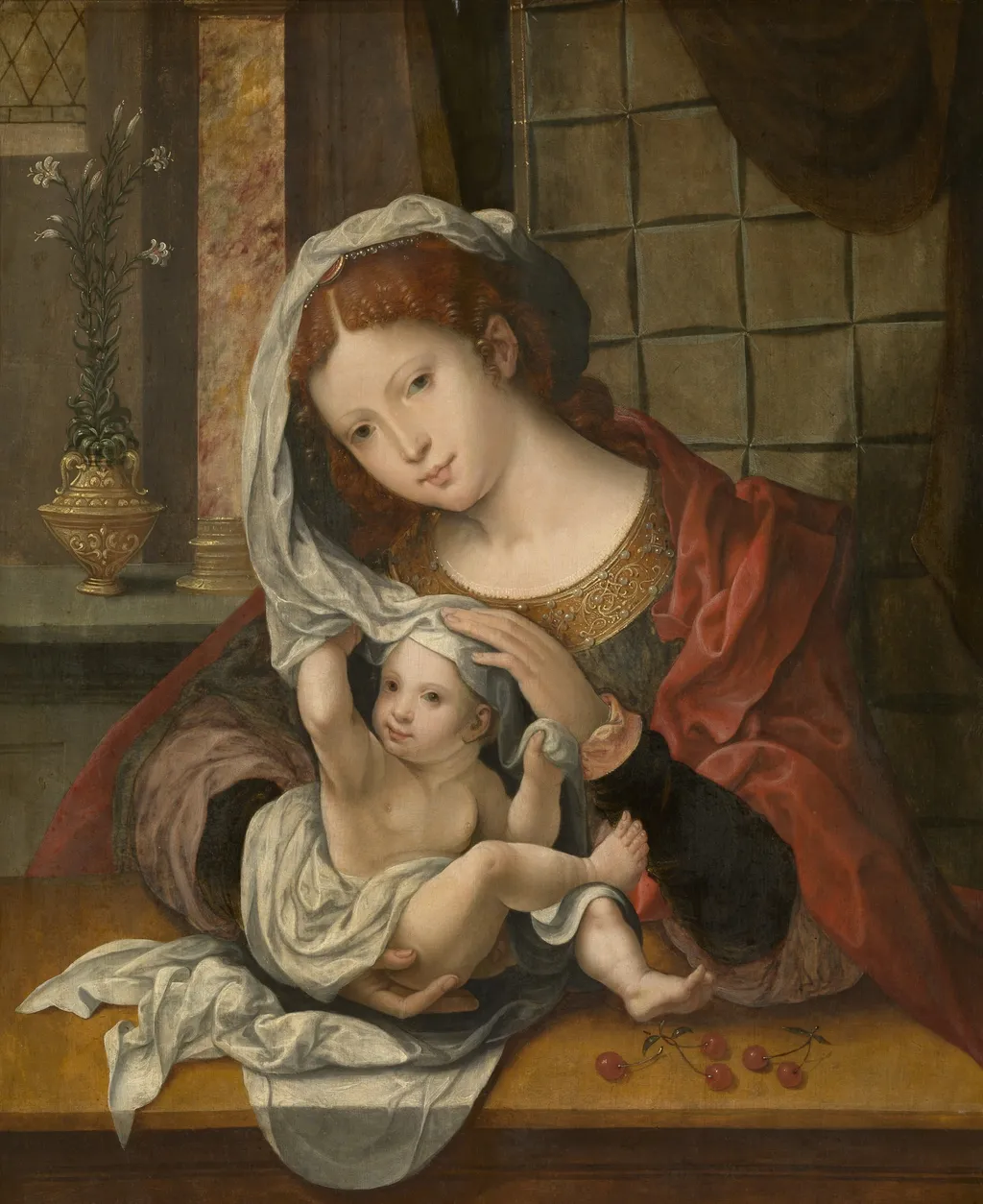
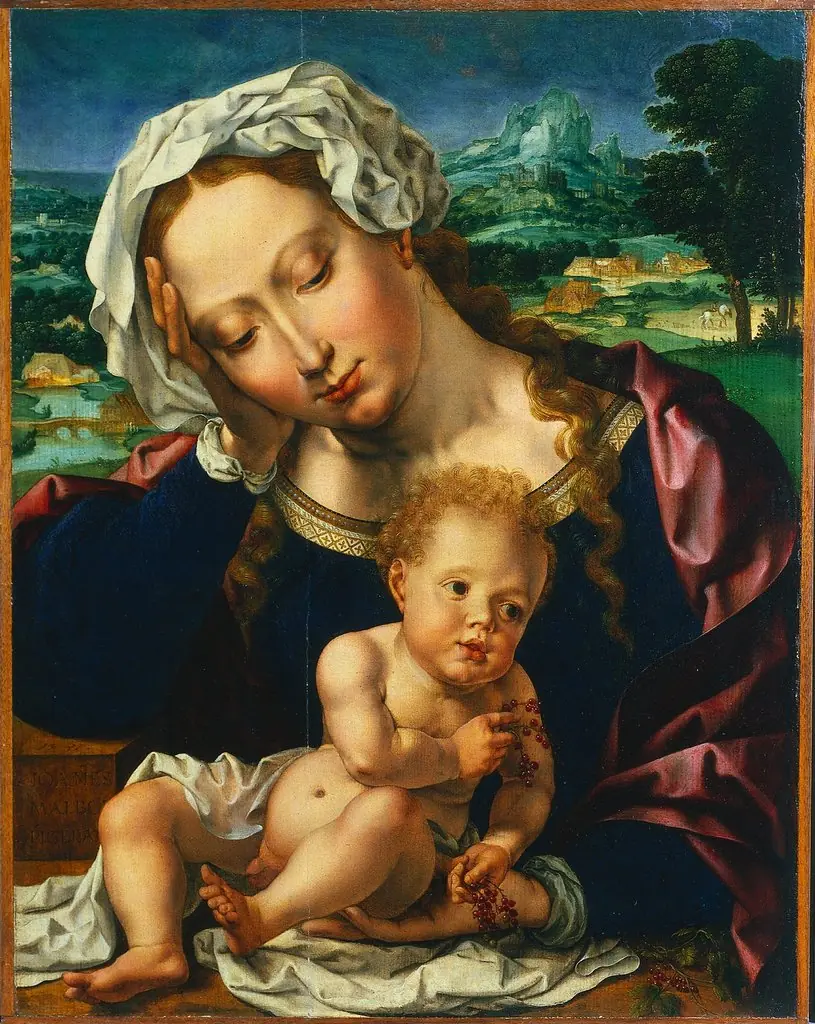
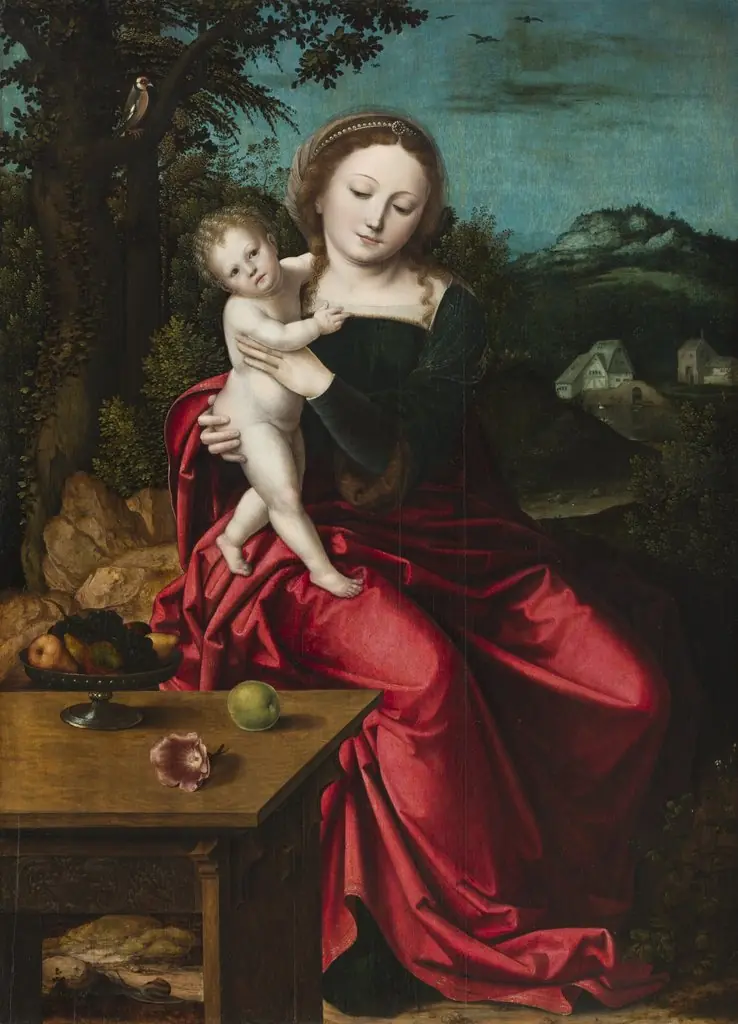
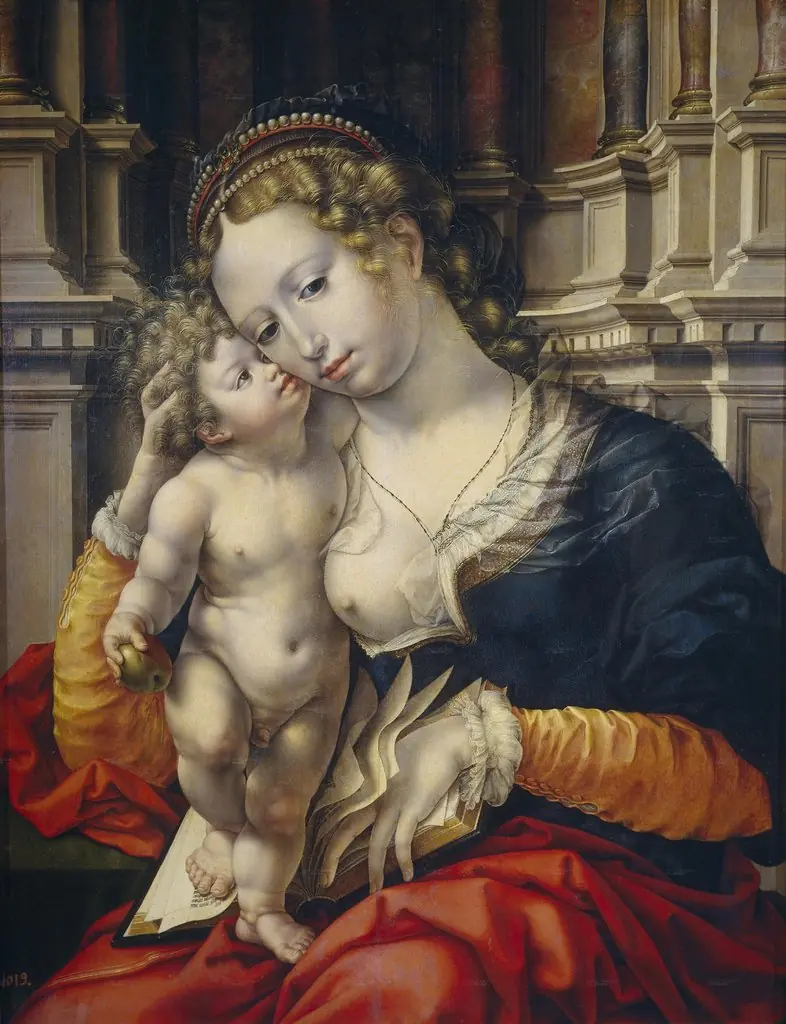
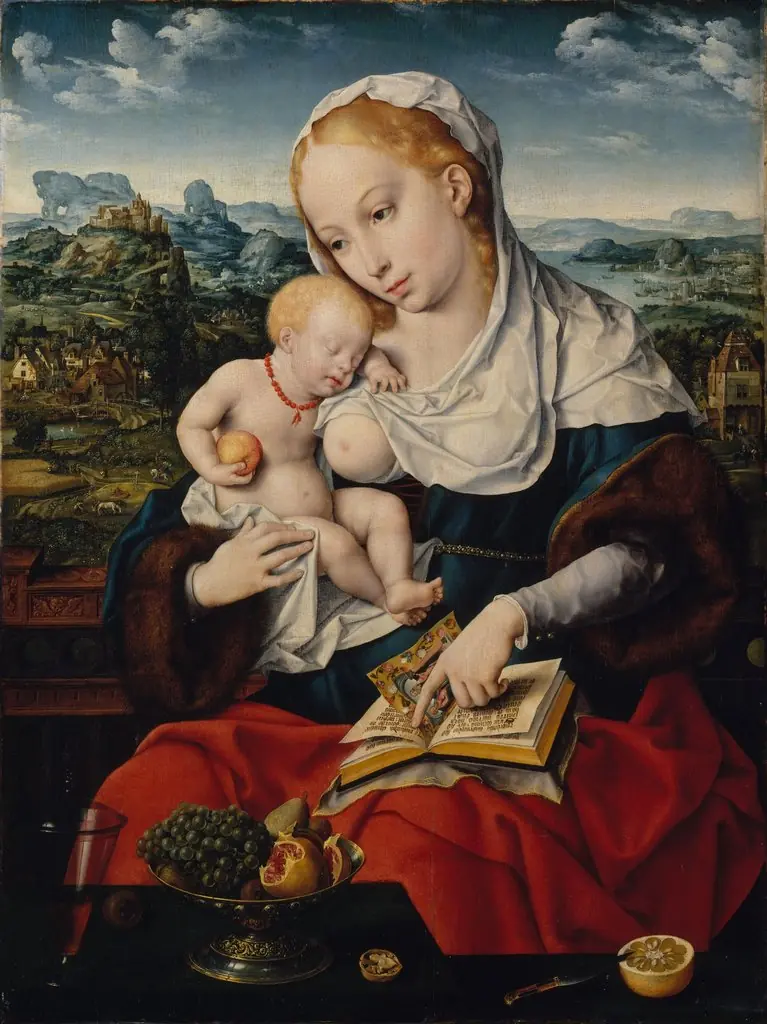
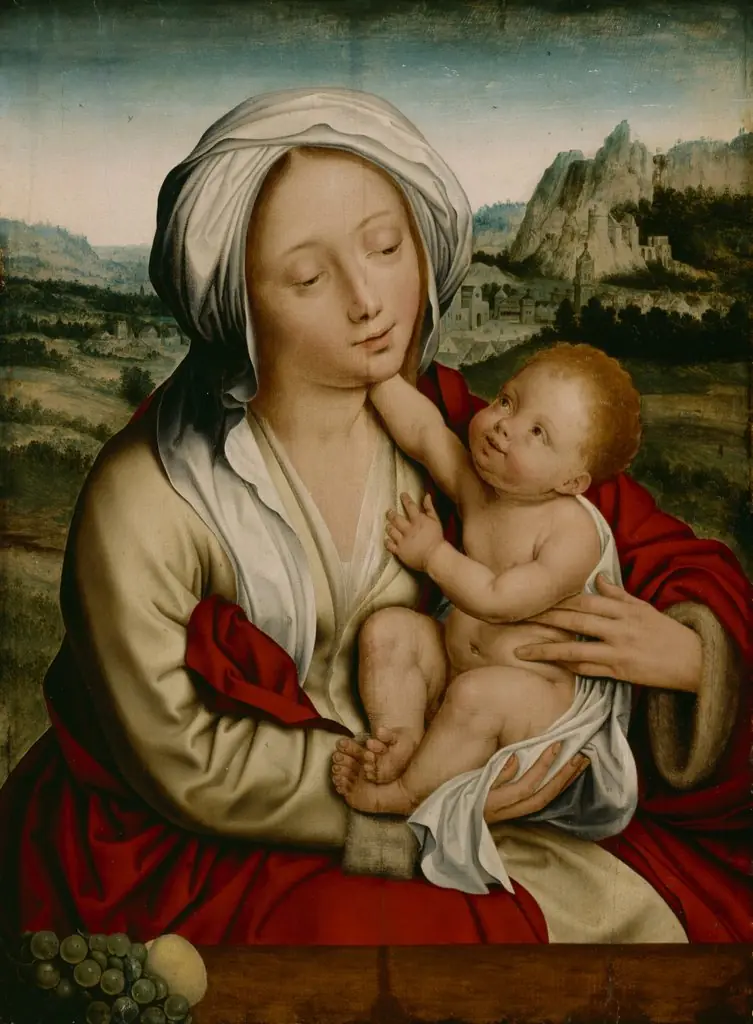
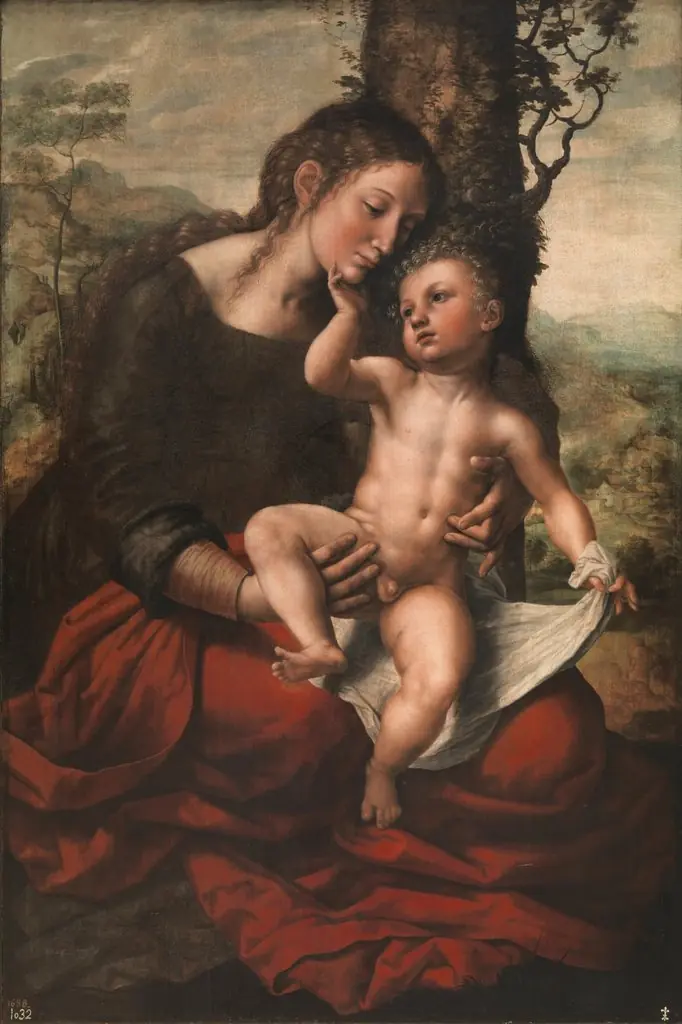
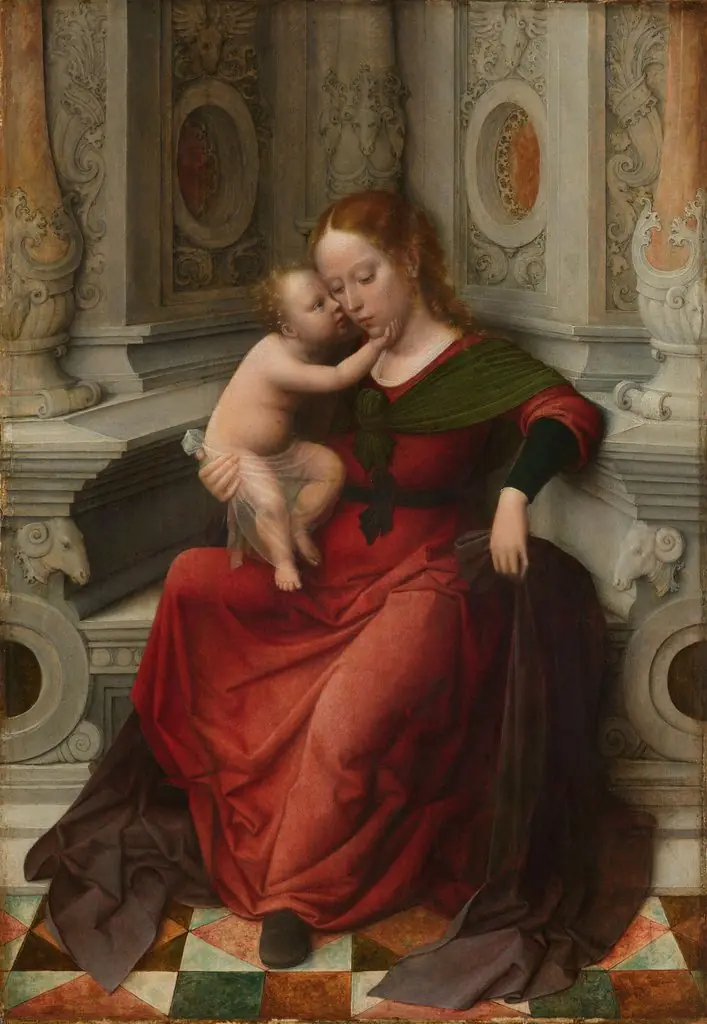
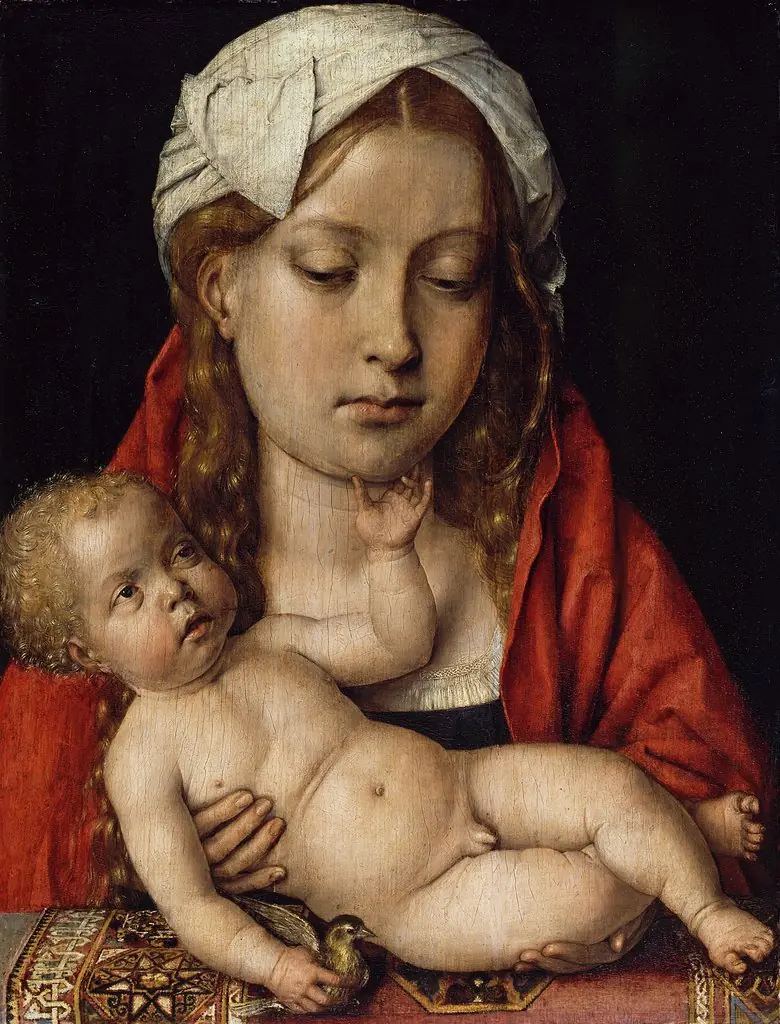
Madonna is an oil painting by the High Renaissance artist Unknown. It dates from 1500 and is held in the collection of the Royal Museum of Fine Arts Antwerp. The work depicts a seated woman in a red mantle, her head veiled, cradling a small child on her lap.
About this work
Subject & Meaning
In this specific painting, the main subject is identified as Mary and the Christ Child, portrayed in a traditional devotional format.
The work depicts the Madonna and Child, a central theme in religious art representing the Virgin Mary with the infant Jesus. In this specific painting, the main subject is identified as Mary and the Christ Child, portrayed in a traditional devotional format. Created in the first half of the 16th century, the piece falls within the genre of religious art, emphasizing the spiritual significance of the maternal bond between the mother and son.
The composition serves as a focal point for veneration, illustrating the theological importance of the Incarnation through the visual pairing of the two figures.
Technique & Style
The work is an early sixteenth-century religious painting executed in oil on wood panel. It portrays the Virgin Mary holding the infant Christ, a composition characteristic of devotional imagery from this period. The surface bears the subtle modeling and intimate spatial intimacy typical of the Master of the Brussels Initials' style, with fine handling of light and drapery that emphasizes the sacred narrative.
The painting measures 68 by 56 centimeters and remains in its original support, showing signs of age but retaining its structural integrity.
History & Provenance
The work titled Madonna was created around 1500 as an oil painting on panel, originally attributed to an anonymous master from the southern Netherlands active in the early 16th century. It portrays the Virgin Mary with the infant Christ and was likely produced in Antwerp, as indicated by its inclusion in the collection of the Royal Museum of Fine Arts Antwerp, which holds it within the Flemish Art Collection. The painting entered the museum's holdings as part of the formal acquisition of works from this artistic period, establishing a clear provenance tied to institutional preservation rather than private ownership prior to museum accession.
Its creation reflects devotional practices of the time, emphasizing the sacred relationship between mother and child, and its physical dimensions measure 68 centimeters in height by 56 centimeters in width.
The work is held in the collection of the Royal Museum of Fine Arts Antwerp, where it is catalogued under the inventory number Vlaamse Kunstcollectie. It has been exhibited in the museum's permanent display of Flemish religious paintings, though specific exhibition titles are not detailed in the available sources.
Legacy
Madonna exerted a lasting influence on religious painting, shaping depictions of the Virgin and Child in subsequent centuries. The work's composition and devotional intensity informed later artists across Northern Europe, particularly in the treatment of intimate maternal figures within sacred contexts. Its reputation as a seminal example of early Netherlandish piety contributed to renewed scholarly interest in anonymous masters of the 1500s.
The painting remains a cornerstone in the study of early High Renaissance iconography, frequently cited in analyses of Marian imagery and workshop practices.
Overview
The work depicts a seated woman in a red mantle, her head veiled, cradling a small child on her lap. A golden necklace adorns her neck, while the infant reaches upward, grasping a diminutive object. Behind them a shelf holds a gilded vase and a handful of flowers, and the floor is strewn with red berries against a dark tiled wall.
Artist & collection