Artwork
Madonna and Child
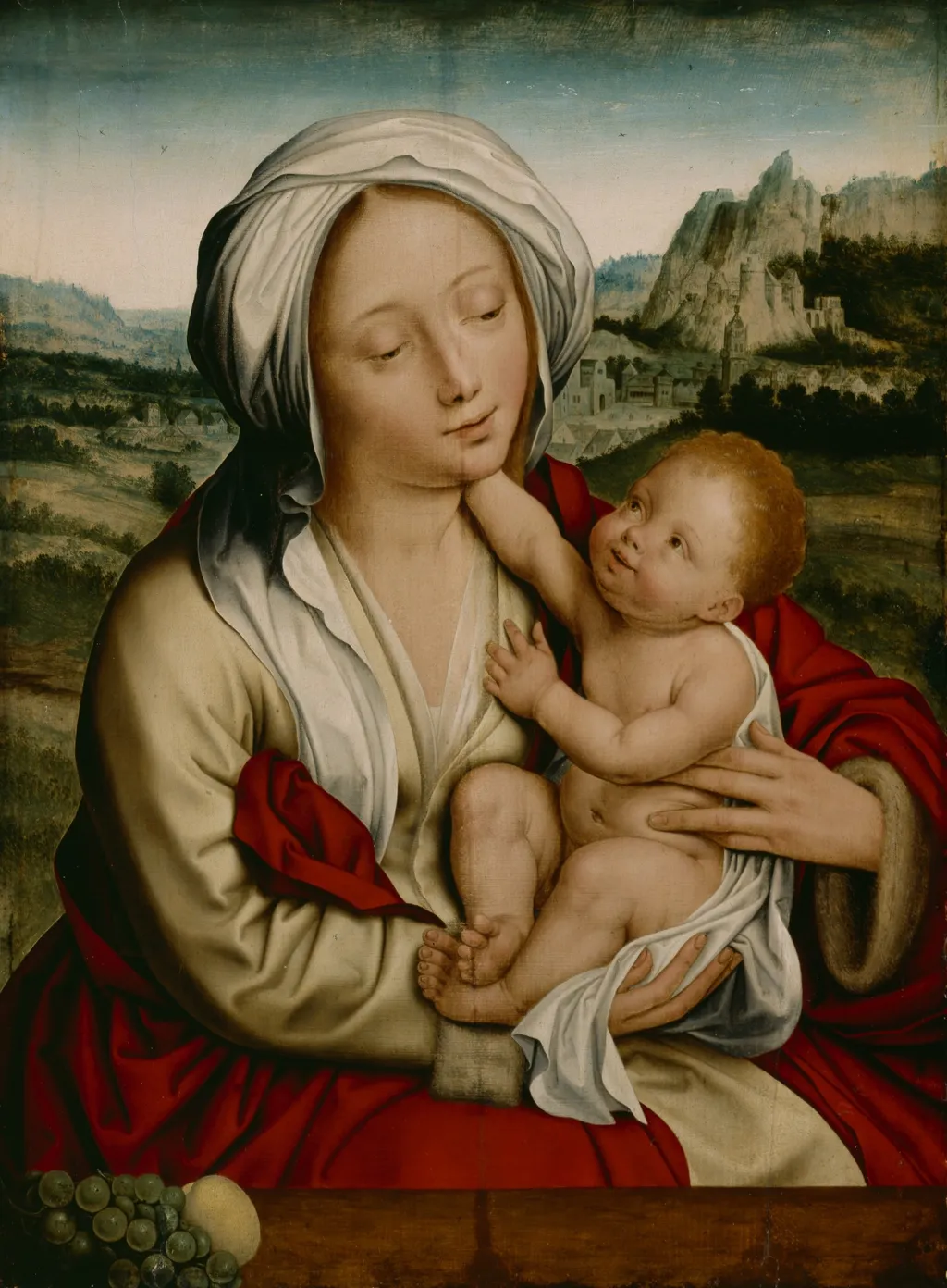
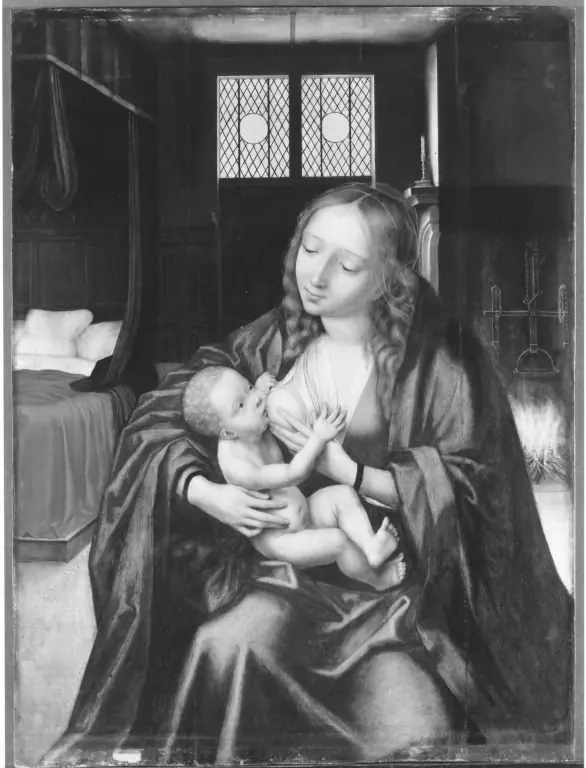
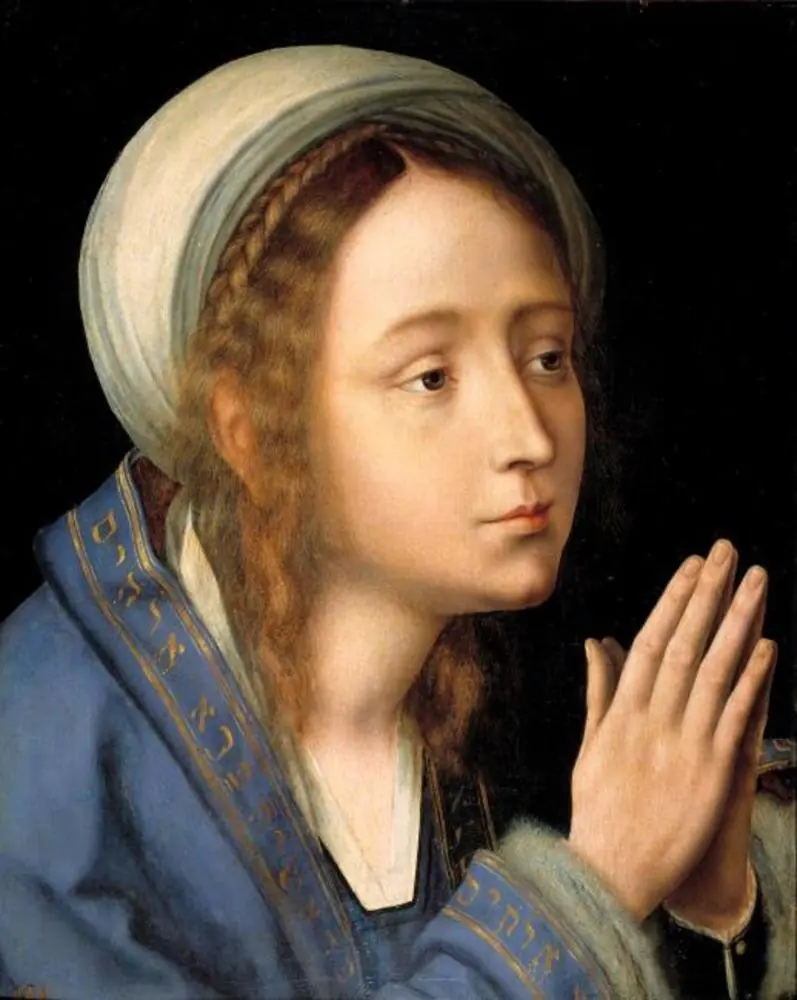
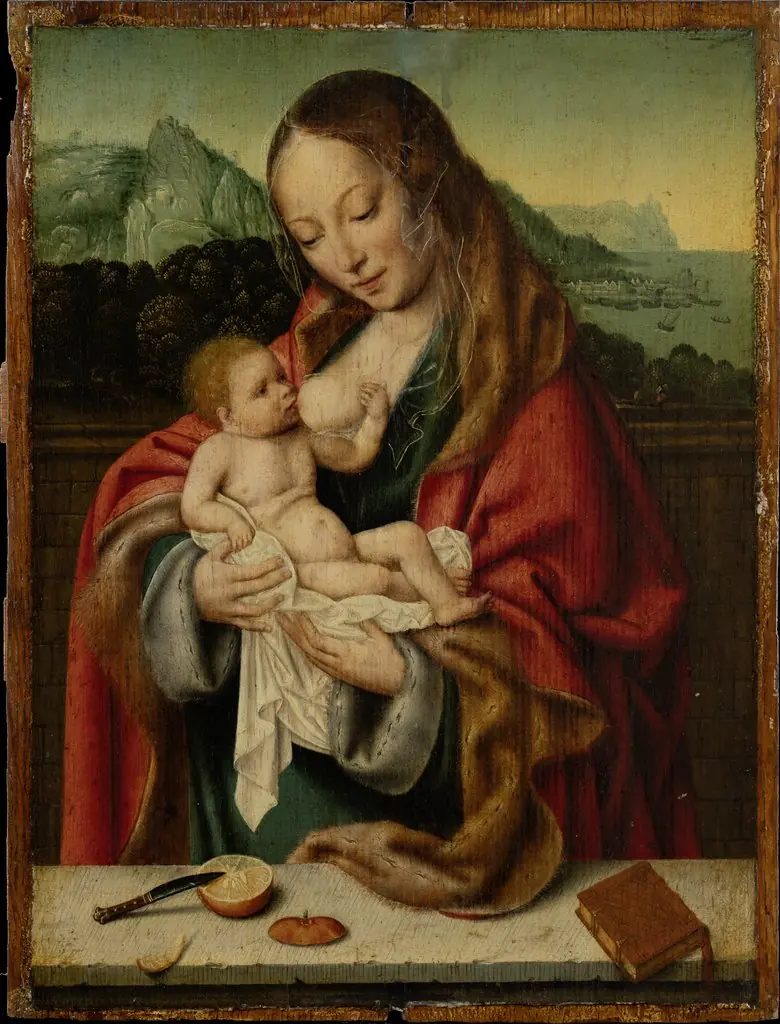
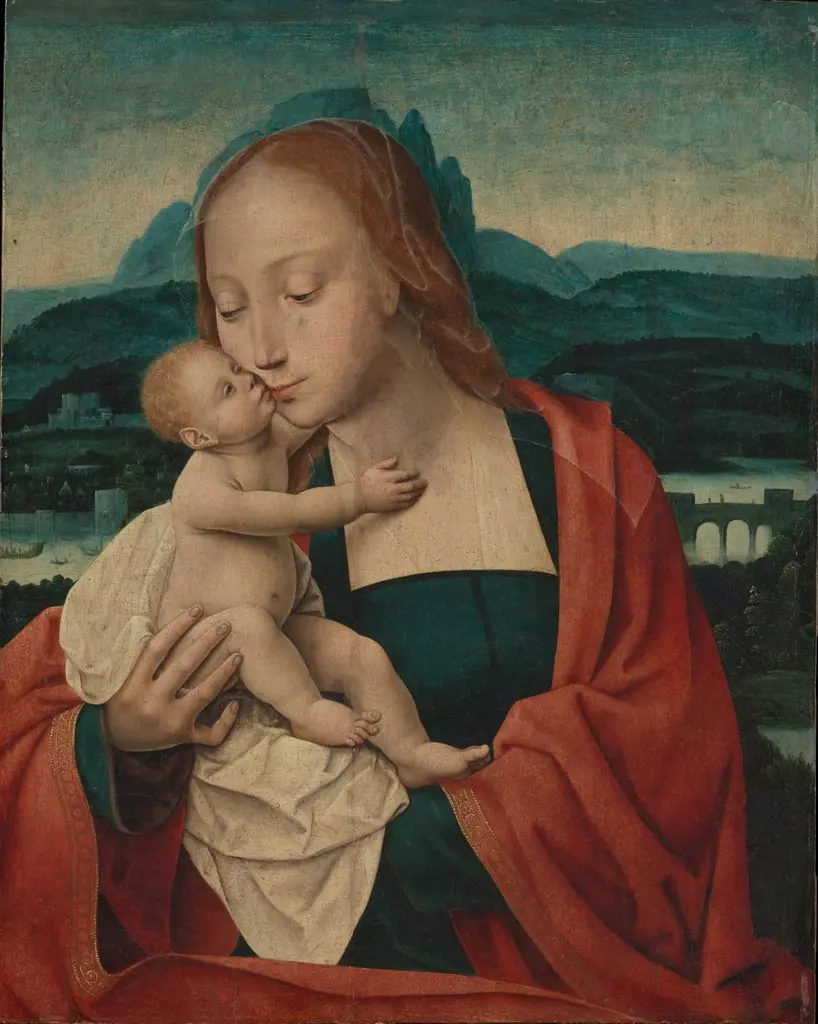
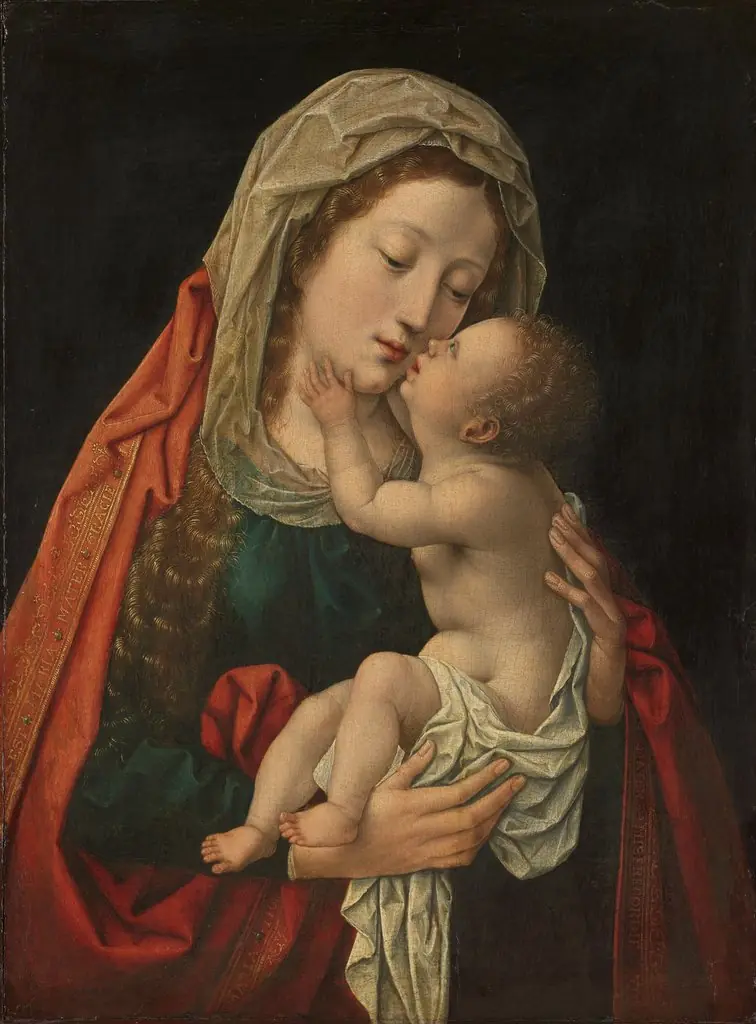
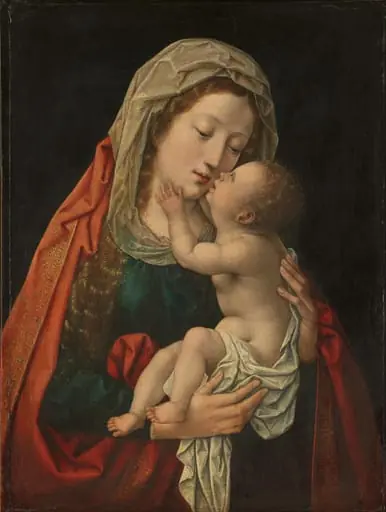
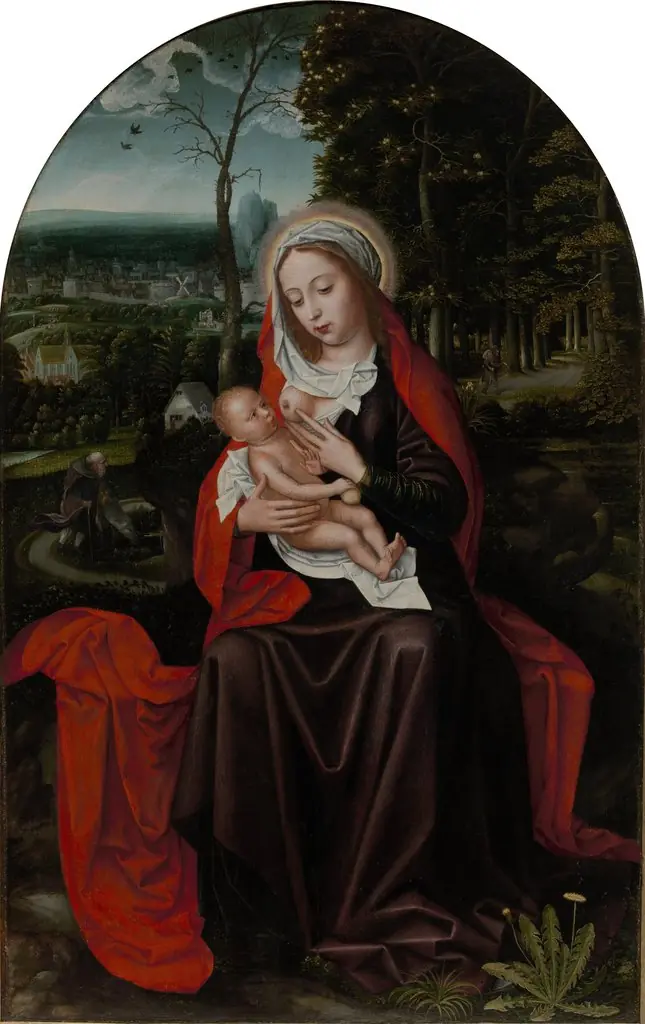
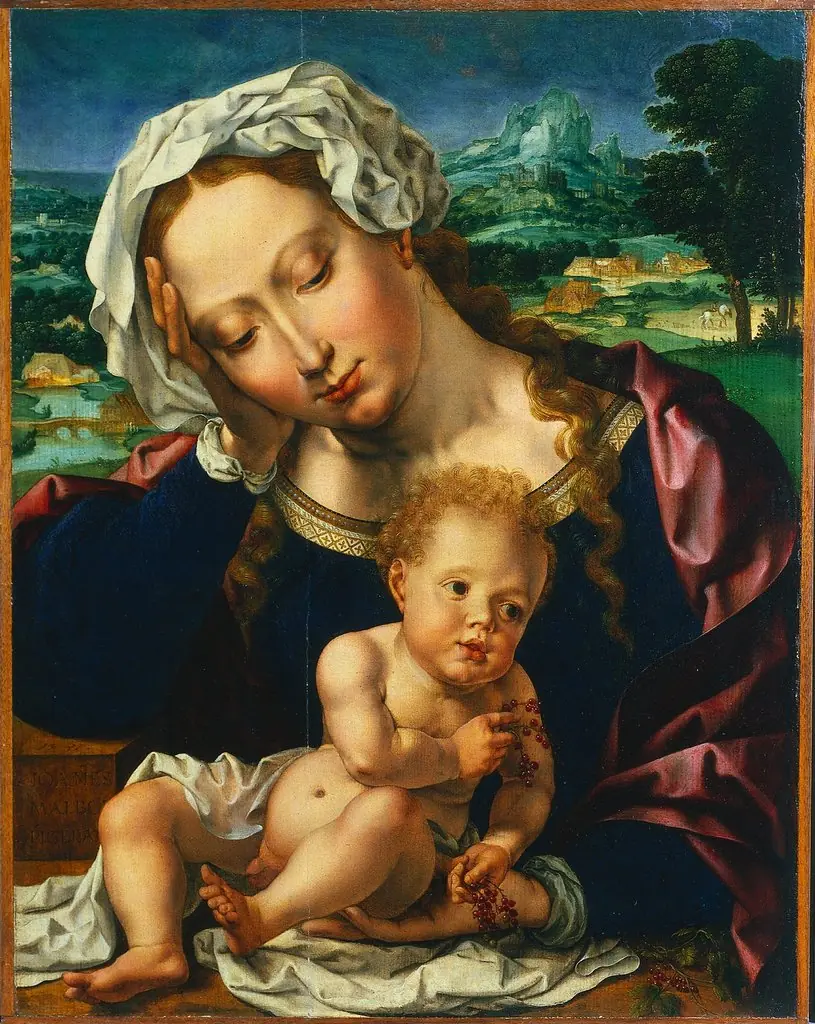
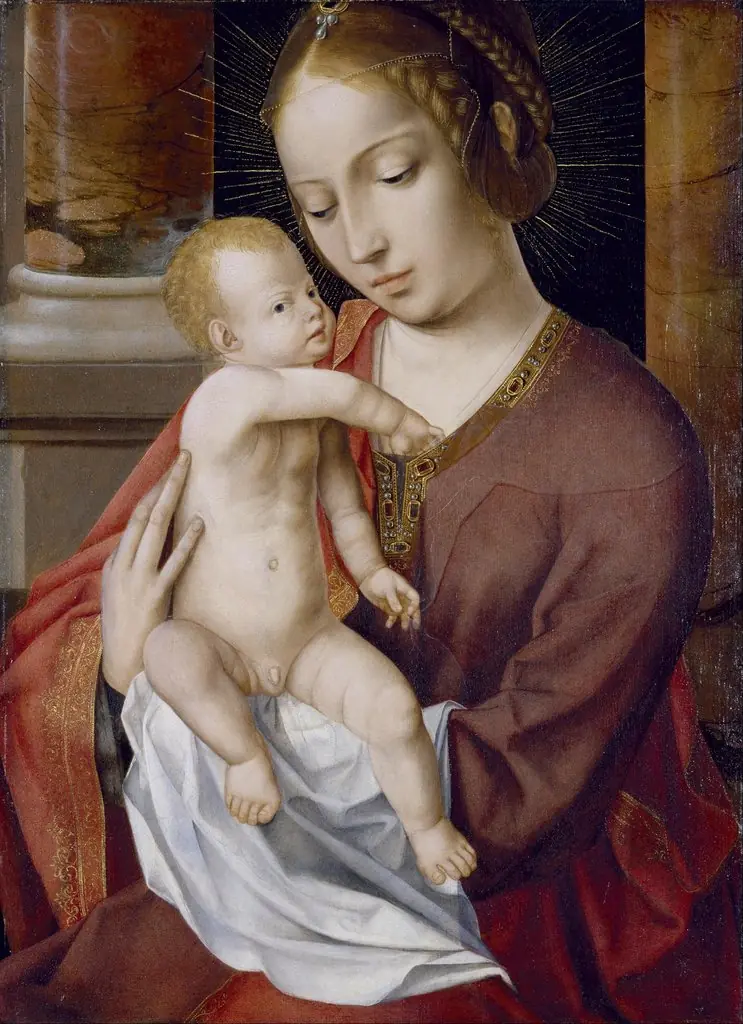
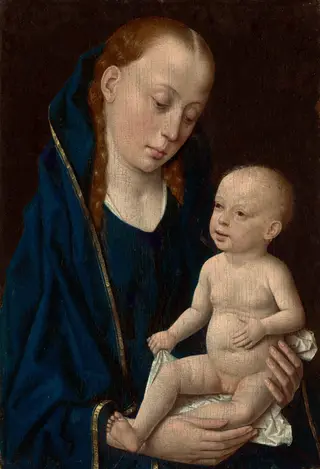
Madonna and Child is an oil painting by the Northern Renaissance artist Quinten Metsys. It dates from 1520 and is held in the collection of the Detroit Institute of Arts.
About this work
Subject & Meaning
Rendered in oil on panel, the work belongs to the genre of religious painting, presenting the maternal pairing as the focal point of veneration.
The painting depicts the Virgin Mary with the Christ Child, a devotional subject central to Christian religious art. Rendered in oil on panel, the work belongs to the genre of religious painting, presenting the maternal pairing as the focal point of veneration. As a Madonna and Child composition, it embodies the tender bond between mother and son while signifying Mary's role as the Mother of God and Christ's incarnation.
The intimate scale of the panel (55.2 by 39.7 cm) suits its function as a personal object of devotion, inviting close contemplation of the sacred figures. Held by the Detroit Institute of Arts, the work continues the long tradition of Marian imagery that flourished in Northern European painting of the early sixteenth century.
Technique & Style
Quinten Metsys created the Madonna and Child in 1520 using oil paint applied to a panel support. The work measures 55.2 cm in height and 39.7 cm in width. As a religious painting from the early 16th century, the piece depicts the Virgin Mary and the Christ Child, executed in the artist's characteristic style of the period.
History & Provenance
The painting Madonna and Child was created by Quinten Metsys in 1520 as an oil on panel work intended for private devotion, reflecting the religious art conventions of the early 16th century. It entered the collection of the Detroit Institute of Arts in Detroit, Michigan, where it has been housed since its acquisition, maintaining a continuous ownership chain from its creation to the present. The work depicts Mary with the Christ Child, adhering to the genre of sacred imagery typical of the period.
Madonna and Child by Quinten Metsys, painted in 1520, is housed at the Detroit Institute of Arts in Detroit, Michigan. The work measures 55.2 cm in height and 39.7 cm in width and is cataloged under the inventory number 89.60. It has been part of the museum's collection since its acquisition and was featured in the exhibition "Early Netherlandish Painting in the DIA," which highlighted religious works from the early 16th century.
Overview
Madonna and Child is a 1520 oil painting by Quinten Metsys, a Flemish artist initially trained as an ironsmith. The work exemplifies the Northern Renaissance's religious focus, blending traditional themes with emerging techniques characteristic of the Antwerp school of painting, which Metsys helped establish.
Context
Active in Antwerp, Metsys’ work reflects the city’s influence as a hub for the Northern Renaissance. His blending of traditional religious subjects with innovative techniques contributed to the distinct character of the Antwerp school.
Legacy
As a foundational figure of the Antwerp school, Metsys’ contributions, including works like Madonna and Child, influenced subsequent generations of Flemish painters in their approach to religious themes and artistic technique.
Own this work as a print
Artist & collection
Artist
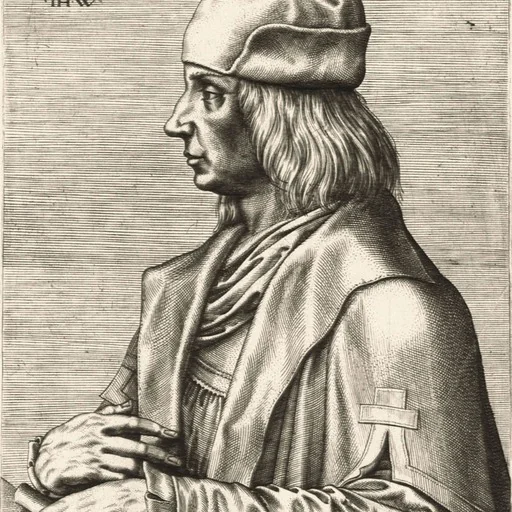
Quentin Matsys (UK: MAT-sysse, US: MAHT-sysse; also Massys or Metsys; Flemish: Quinten Matsijs; 1466–1530) was a Flemish painter in the Early Netherlandish tradition.