Artwork
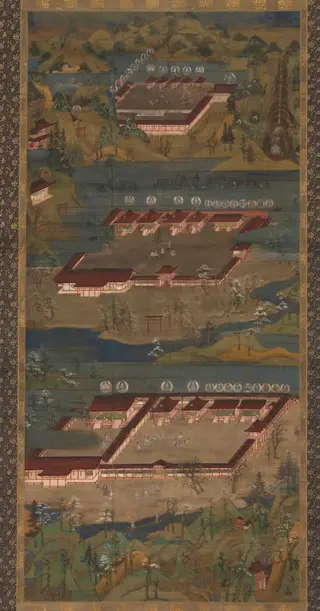
Mandala of the Three Shrines at Kumano
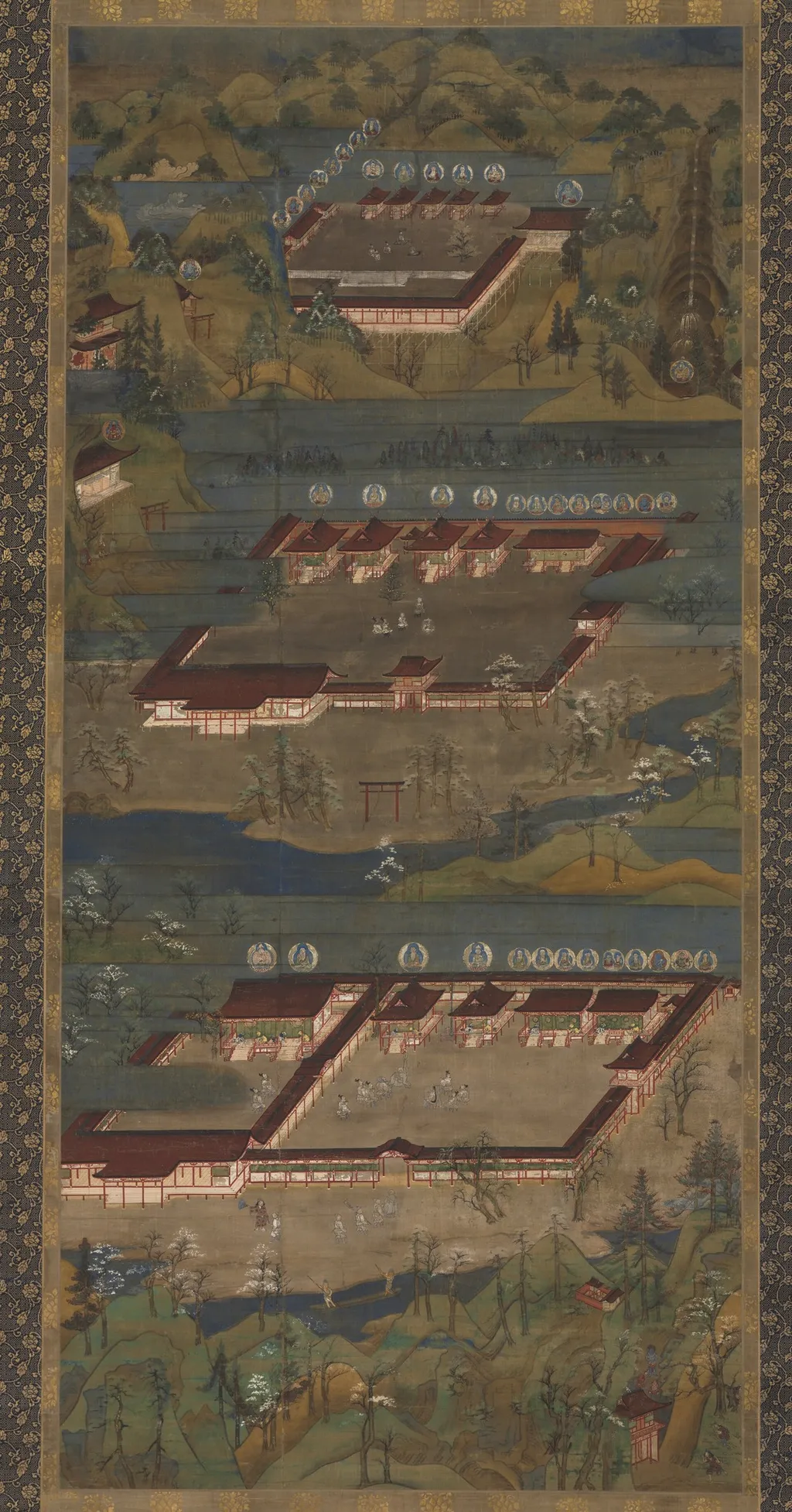
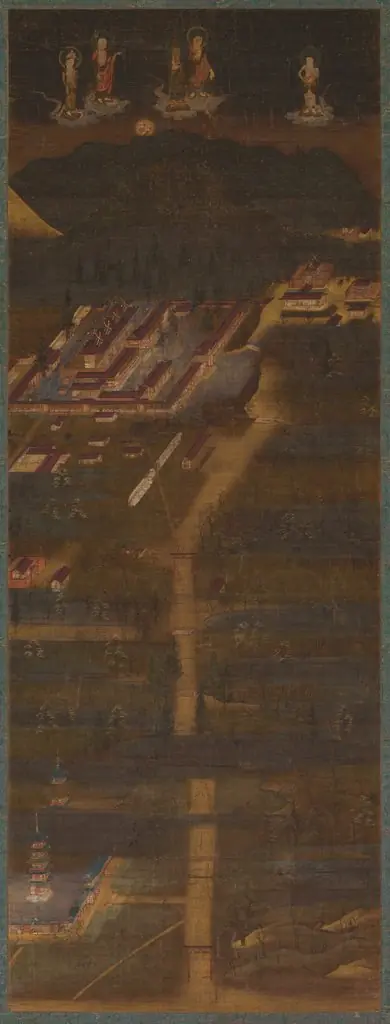
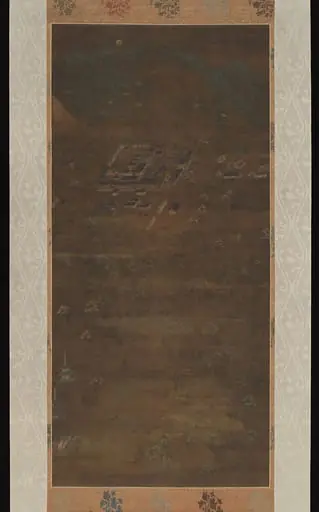
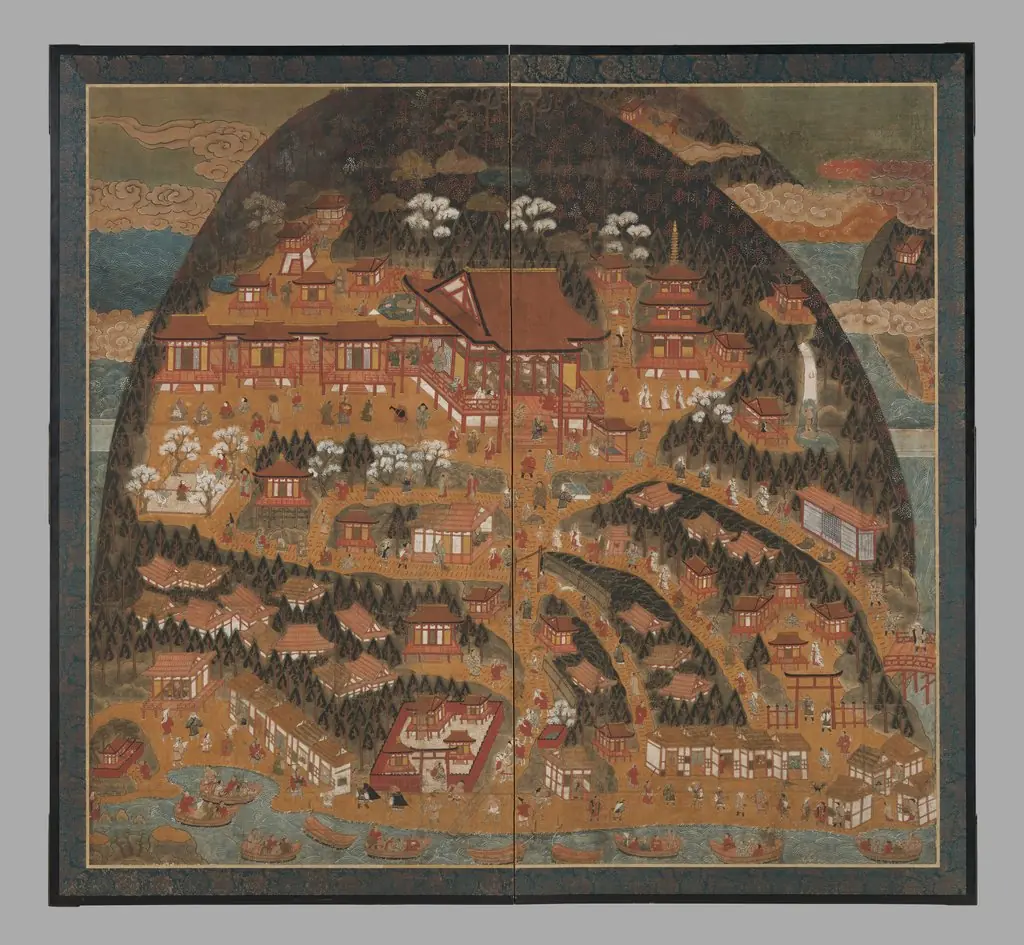
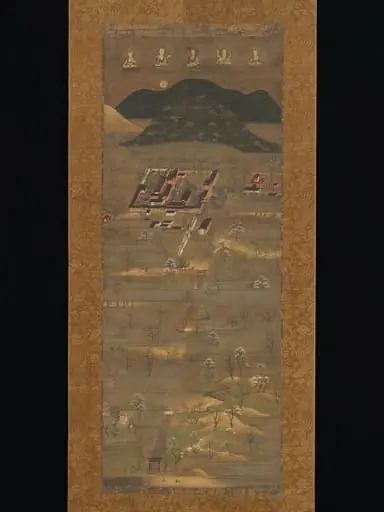
Mandala of the Three Shrines at Kumano is an unspecified painting. It dates from 1300 and is held in the collection of the Cleveland Museum of Art.
About this work
History & Provenance
Its authorship is attributed to an unknown artist, and it entered the collection of the Cleveland Museum of Art, where it remains on display.
The Mandala of the Three Shrines at Kumano is a religious painting dated to 1300, recorded as a work of the early Kamakura period. Its authorship is attributed to an unknown artist, and it entered the collection of the Cleveland Museum of Art, where it remains on display. The work was documented in the museum’s catalog as accession number 1953.16, indicating its transfer to the institution at that time. No further details about its original commission or subsequent owners are recorded.
The Mandala of the Three Shrines at Kumano is held by the Cleveland Museum of Art. Its inventory number at the museum is 1953.16, as indicated in the cataloguing record associated with the work. The painting, dated to 1300, entered the museum's collection and is classified as a religious painting. No exhibition history is documented in the available sources.
Context
Mandala of the Three Shrines at Kumano is a 14th‑century religious painting housed in the Cleveland Museum of Art. The work, attributed to an unknown artist, exemplifies the religious art genre of the period. Its creation date of 1300 places it within the early medieval era of Japanese pilgrimage imagery associated with the Kumano shrines.
Scholarship on the piece situates it as part of the broader corpus of early religious paintings, using its classification and provenance to discuss the development of devotional imagery in East Asian art.
Overview
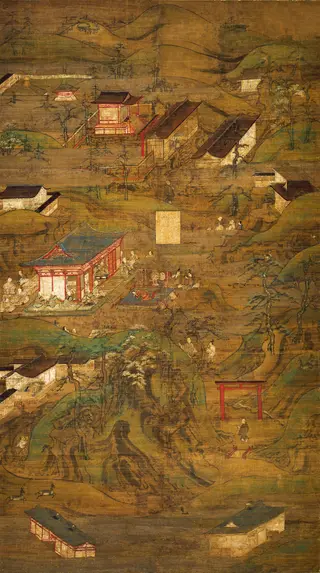
This painting, titled Mandala of the Three Shrines at Kumano, offers a comprehensive visual representation of a significant sacred site. It meticulously illustrates a series of shrines and temples, set within a landscape populated by trees and numerous small figures. The artwork is characterized by its intricate detail, presenting a structured and devotional depiction of the revered Kumano pilgrimage complex.
Subject & Meaning
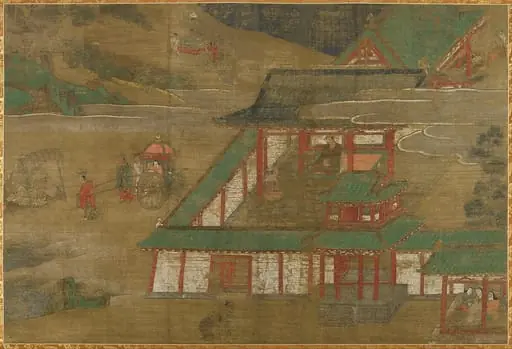
The artwork functions as a visual map of the Kumano Sanzan, the three grand shrines of Kumano, a renowned pilgrimage destination in Japan. It features distinct architectural elements rendered in shades of red and white with dark roofs. The inclusion of circular symbols and lines connecting the buildings suggests a symbolic or spiritual geography, typical of a mandala's purpose in illustrating sacred realms and their interconnectedness.
Technique & Style
The painting demonstrates a highly detailed approach, with many small figures and objects carefully integrated into the composition. The buildings are depicted with specific color choices, red and white structures contrasted with dark roofs, contributing to visual clarity. The precision and meticulous execution evident throughout the artwork suggest a deliberate and careful artistic process, indicative of works created for devotional or explanatory purposes.
Artist & collection