Artwork
Merchant with a Slave
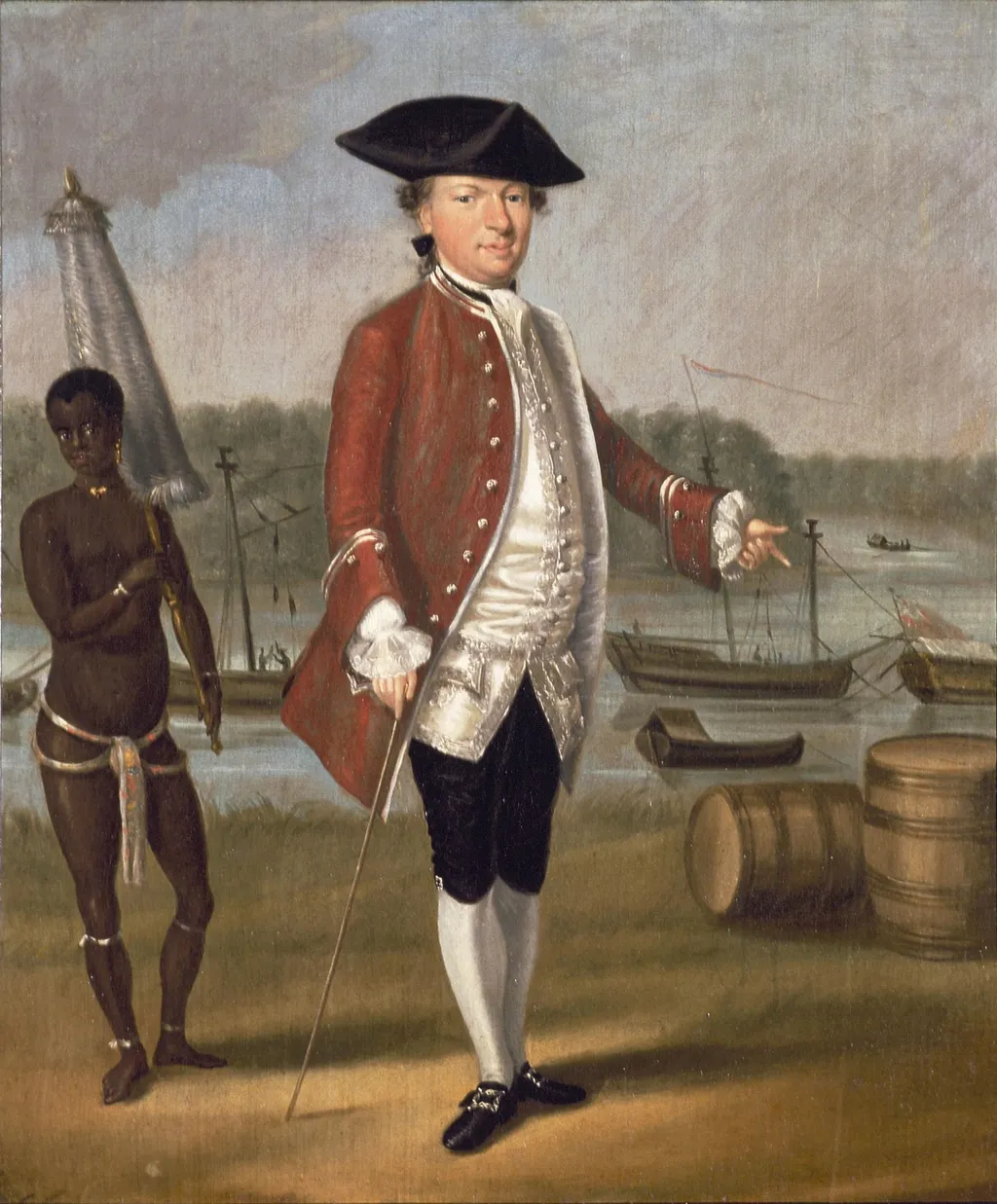
Merchant with a Slave is an oil painting. It dates from 1775 and is held in the collection of the Rijksmuseum.
About this work
Subject & Meaning
The inclusion of a slave alongside a merchant figure reflects specific social dynamics and visual tropes present in Dutch art of the period.
The painting depicts a man accompanied by a slave within a river landscape setting. Created in 1775, the work presents these figures as the central subjects of the composition. The scene captures a moment of interaction between the two individuals against a natural backdrop, characteristic of the landscape genre.
The inclusion of a slave alongside a merchant figure reflects specific social dynamics and visual tropes present in Dutch art of the period.
Technique & Style
The work is an oil painting on canvas created in the Netherlands in 1775. It portrays a merchant alongside a slave, set within a riverine landscape. The composition emphasizes the interaction between the figures and the surrounding environment, reflecting the genre of landscape painting as recorded in the Rijksmuseum collection.
History & Provenance
The painting titled Merchant with a Slave was created in 1775 in the Netherlands by an anonymous artist. Executed in oil on canvas, it belongs to the landscape genre and portrays a river scene with a man and a slave. The work entered the collection of the Rijksmuseum in Amsterdam, where it remains on display. Its provenance traces back to the Vrouwenhuis family before acquisition by the museum.
The work is held in the collection of the Rijksmuseum, where it is catalogued under the inventory number SK-A-2157. Its accession details list the Rijksmuseum as the owning institution. The painting has been featured in several exhibitions at the Rijksmuseum, including the display of Dutch Golden Age works and a dedicated presentation on 18th‑century genre scenes.
Overview
The canvas presents a river scene where a European‑dressed figure in a red coat and black hat stands on the left, gesturing with his left hand while holding a cane in his right. To his right, a Black man in a simple loincloth and a white cloth around his waist is positioned. Boats drift in the background beneath a line of trees, establishing a bustling waterfront setting.
Context
Created during a time when the Dutch Republic was a major maritime power, the scene reflects the economic importance of river trade and the intertwined presence of commerce and slavery. The depiction aligns with contemporary visual records that documented the everyday realities of mercantile activity and the human cost underlying it.
Artist & collection

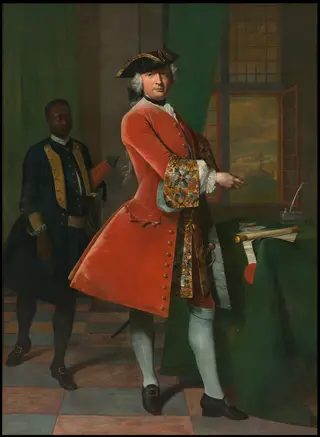 Portrait of Jan Pranger and an Enslaved Servant
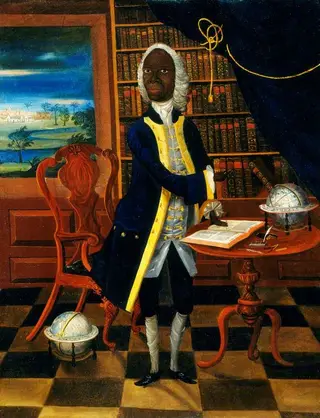 Francis Williams (1702–1770), the Scholar of Jamaica
 Portrait of Captain James Cook
 Portrait of a Naval Officer, Known as Augustus Keppel
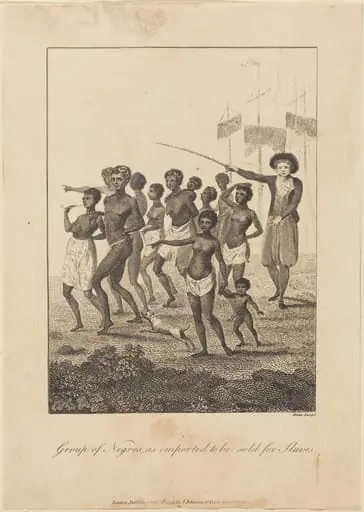 Group of Negros, as imported to be sold for Slaves
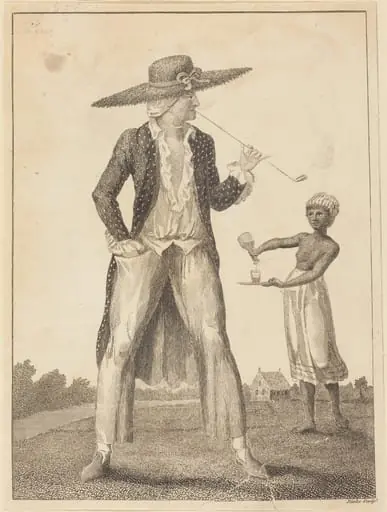 A Surinam Planter in his Morning Dress
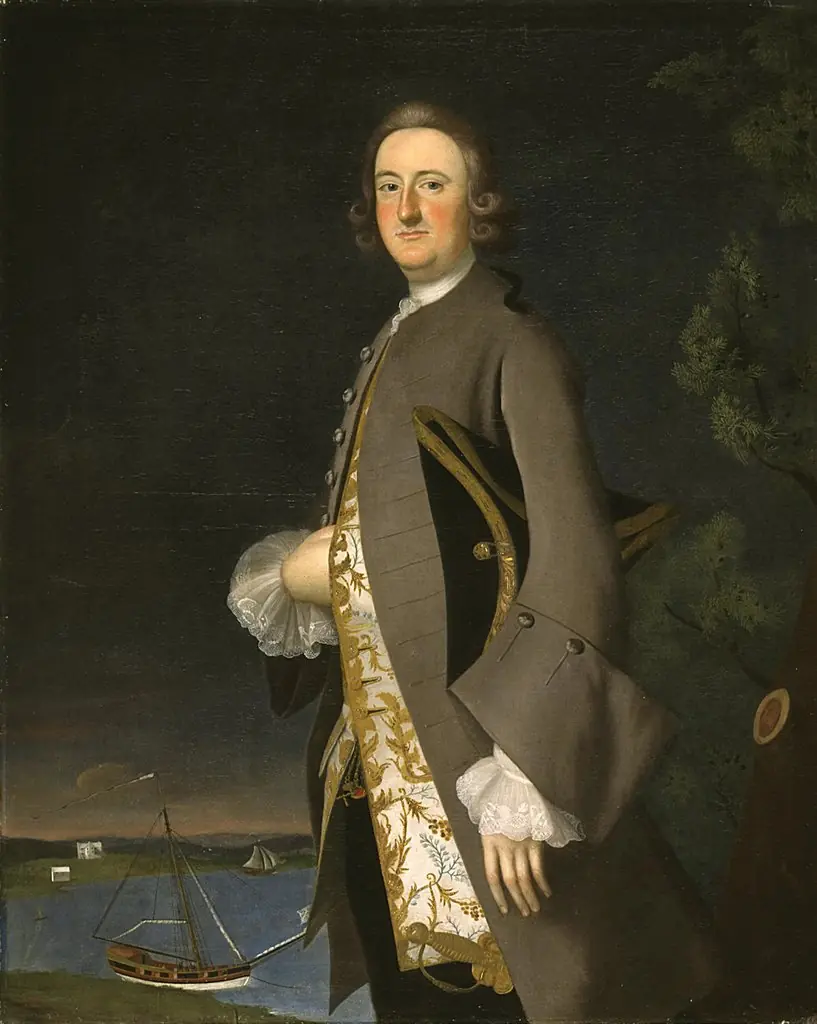 Portrait of Captain John Pigott
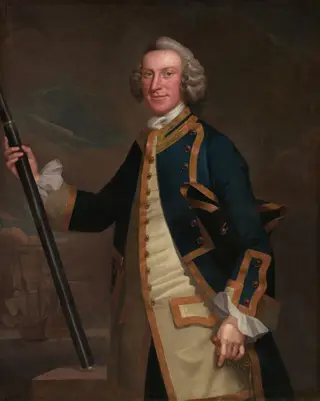 Portrait of a Naval Officer
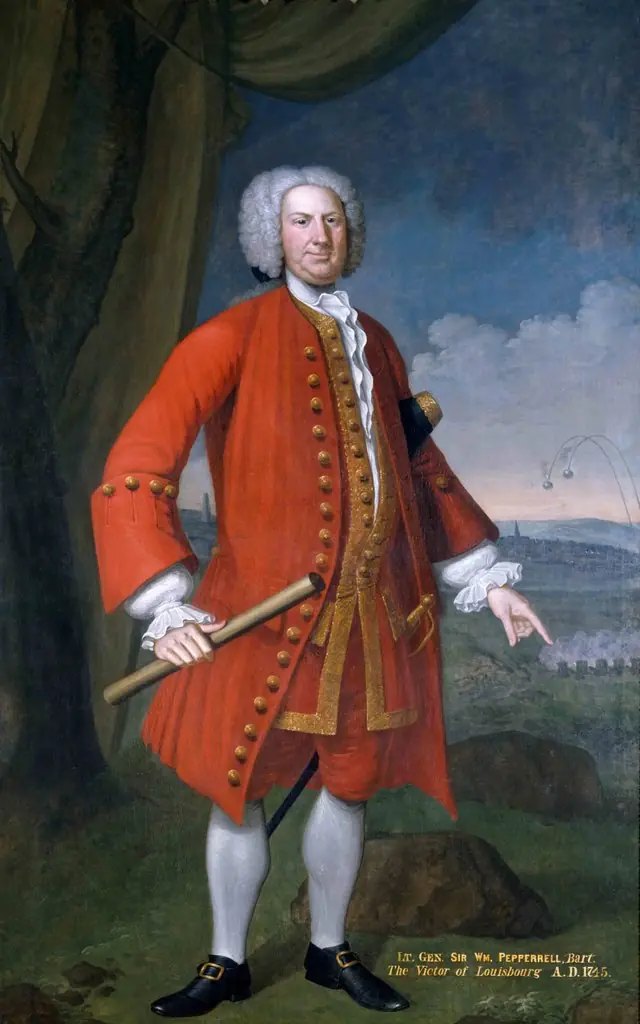 Portrait of William Pepperrell
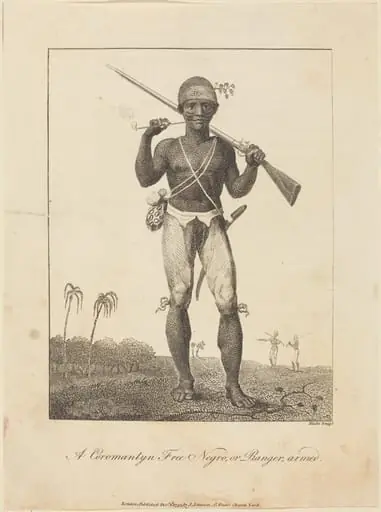 A Coromantyn Free Negro, or Ranger, armed
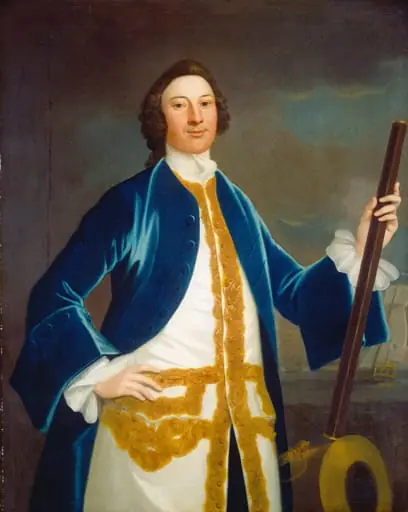 Unidentified British Navy Officer
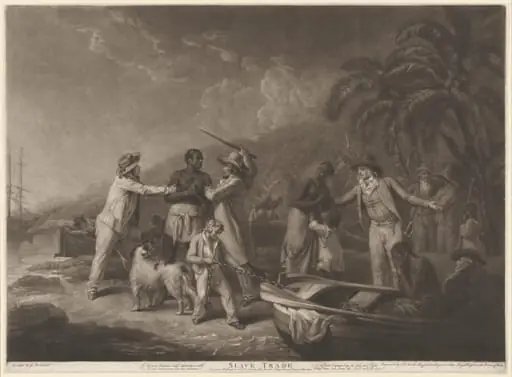
- Slave Trade