Artwork
Minamoto no Yoshitsune
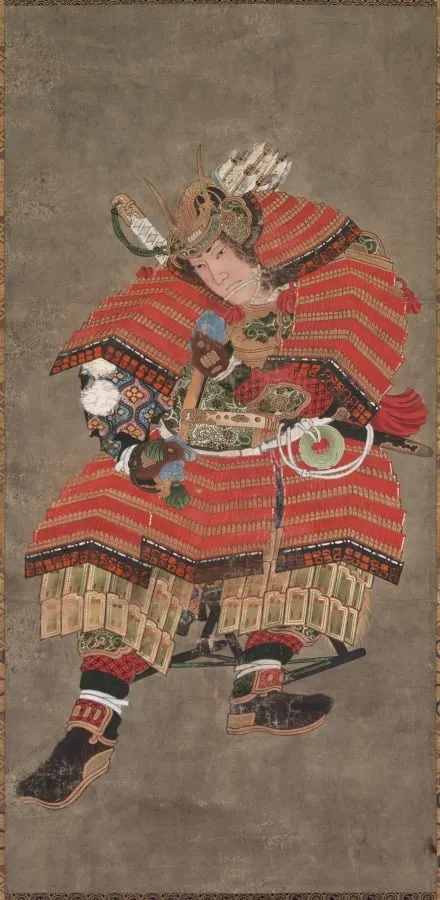
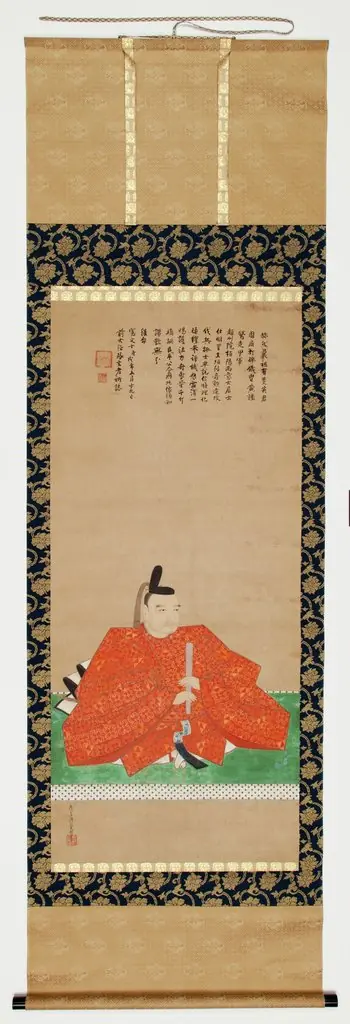
Minamoto no Yoshitsune is an unspecified painting by the Joseon dynasty painting artist Unknown. It dates from 1834 and is held in the collection of the Cleveland Museum of Art.
- Accession no.
- 1919.914
- Credit line
- Gift of Ralph King
About this work
Overview
Rendered in muted tones with a brown background, the figure stands prominently, clad in ornate armor and a striped robe.
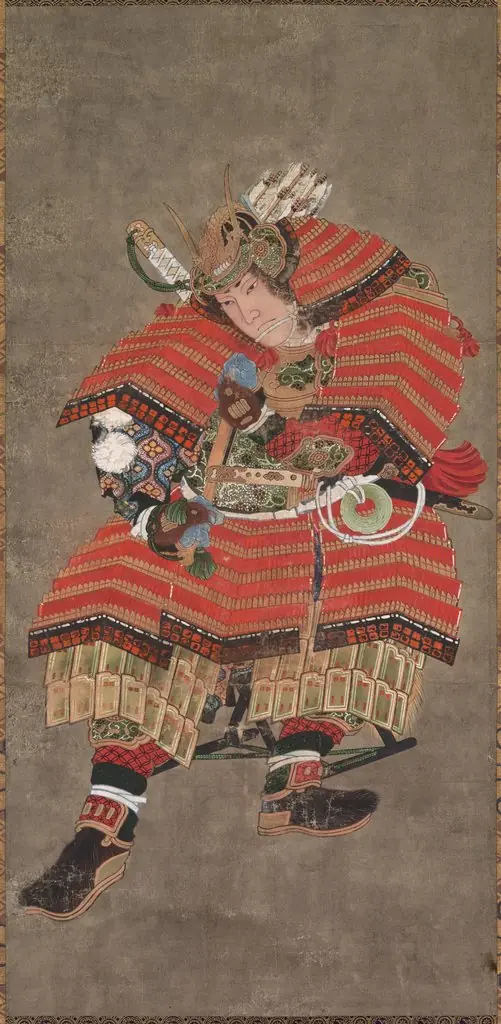
This Japanese painting depicts Minamoto no Yoshitsune, a 12th-century warrior, in full battle attire. Rendered in muted tones with a brown background, the figure stands prominently, clad in ornate armor and a striped robe. His face is intentionally obscured, shifting focus from identity to presence.
A sword with a red tassel is held firmly, and his helmet bears feathered adornments. The work is part of the Cleveland Museum of Art’s collection.
Subject & Meaning
Minamoto no Yoshitsune was a celebrated military commander known for his tactical brilliance and tragic downfall. The painting captures him not in action but in stillness, suggesting contemplation or impending fate. The obscured face invites interpretation beyond biography, emphasizing symbolic stature over individual likeness.
The armor and regalia signify status, while the lack of facial detail may reflect Buddhist notions of impermanence or the anonymity of duty.
Technique & Style
The painting employs fine brushwork to render intricate armor patterns and the texture of fabric, contrasting with the blurred facial features. Colors are restrained, red and gold accents stand against a neutral brown ground, creating visual hierarchy without distraction. The style aligns with late medieval Japanese portraiture, where symbolic elements outweigh naturalism. The composition is frontal and static, reinforcing the figure’s iconic role rather than narrative action.
History & Provenance
The painting’s origins are undocumented prior to its acquisition by the Cleveland Museum of Art. It likely dates to the Edo period, when depictions of historical warriors experienced a revival among samurai and merchant classes. No inscriptions or seals confirm its maker or early ownership.
Its preservation suggests it was valued as a cultural artifact, possibly displayed in a private collection before entering the museum’s holdings.
Context
During the Edo period, tales of the Minamoto clan, especially Yoshitsune’s exploits, were popularized in theater, literature, and visual art. These works often romanticized loyalty and tragedy, reflecting contemporary ideals of bushido. While historical accuracy was secondary, such images reinforced moral narratives.
This painting fits within that tradition, using visual symbolism to evoke heroism and fate rather than document a specific moment.
Legacy
The painting contributes to the enduring visual language of Japanese warrior culture. Its stylized form and emotional restraint distinguish it from later, more dramatic portrayals. As a preserved object in a Western museum, it serves as a bridge between Japanese historical memory and global art history. Its quiet presence continues to invite reflection on the representation of heroism beyond the face.
Artist & collection









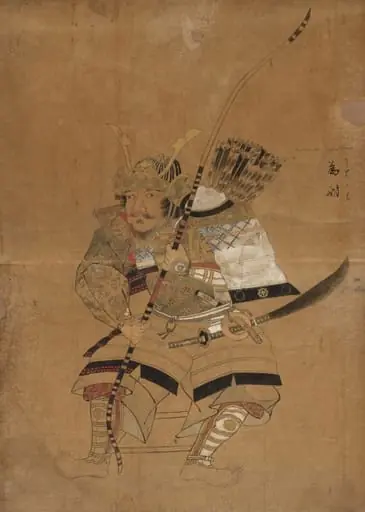 Sketch Model for Portraits of Minamoto Tametomo
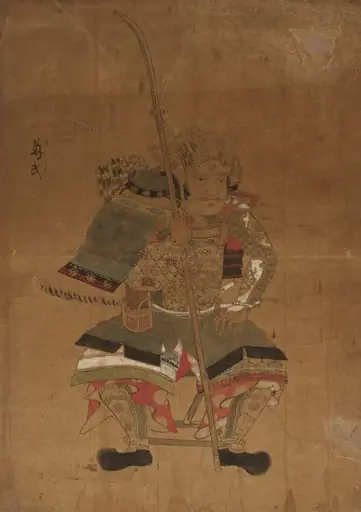 Sketch Model for Portraits of Ashikaga Takauji
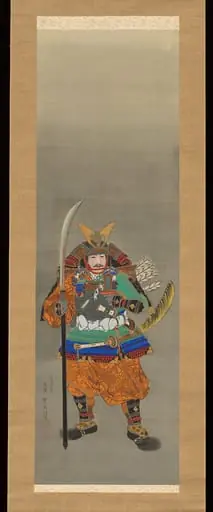 Untitled
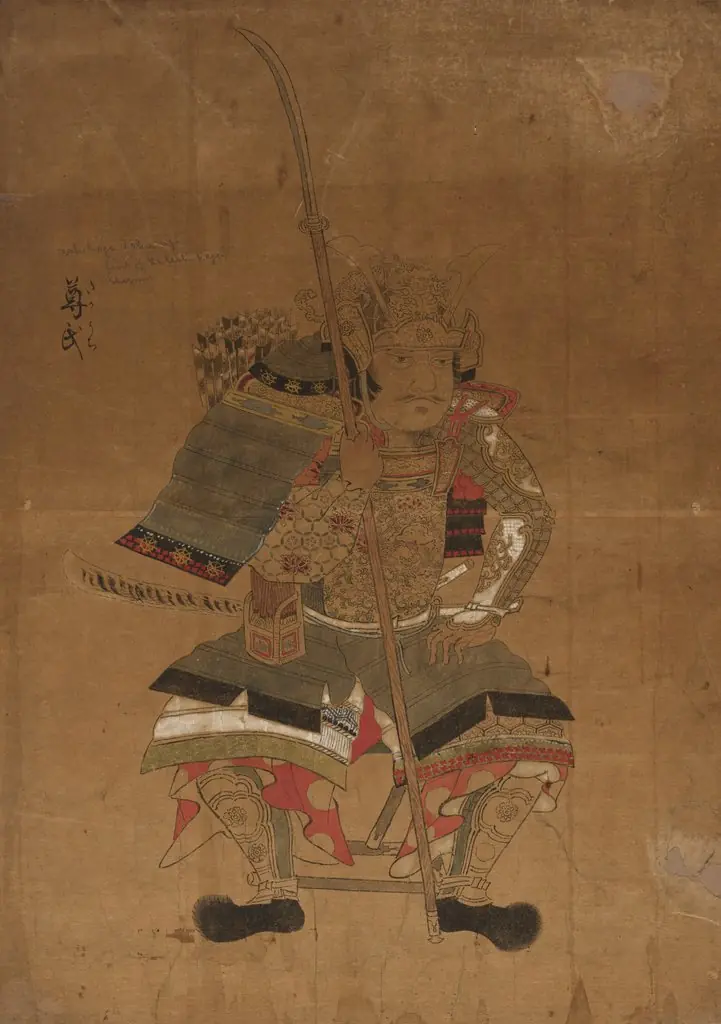 Sketch Model for Portraits of Ashikaga Takauji
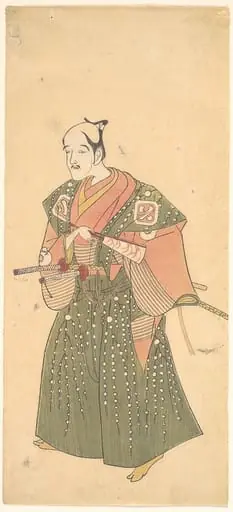 初代嵐音八 (複製?)|The Actor Arashi Otohachi I (facsimile?)
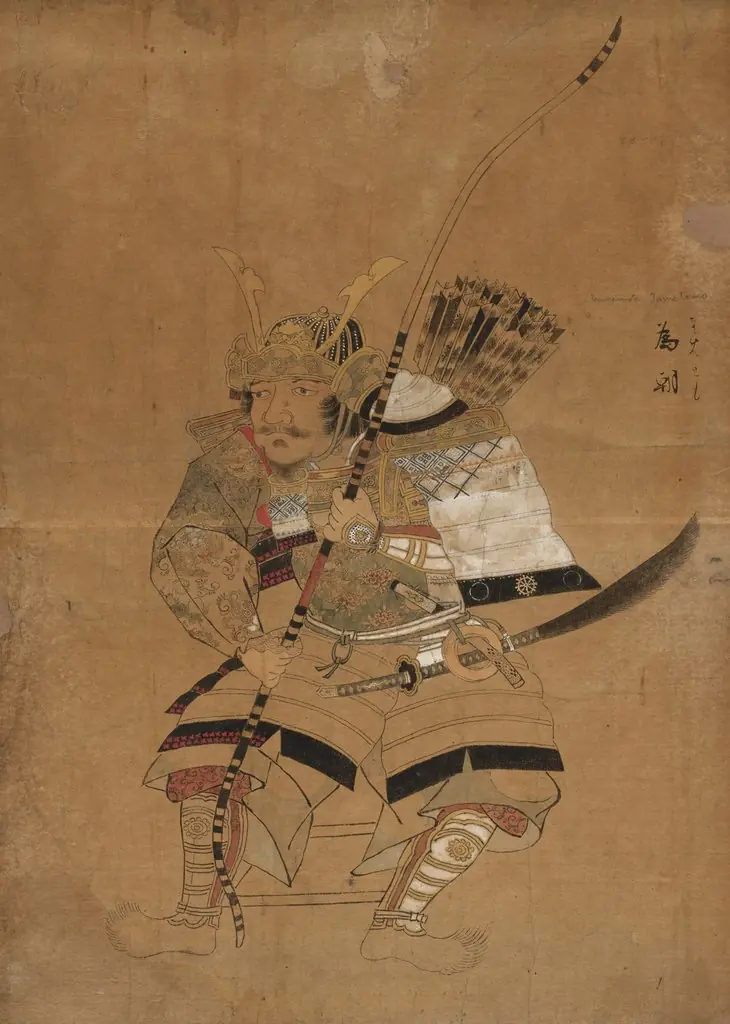 Sketch Model for Portraits of Minamoto Tametomo
 Untitled
 Ichikawa Monnosuke II as a Lord Holding a Banner
 Ichikawa Monnosuke II as Urabe no Suetake
 Fujiwara no Muchimaro
 Portrait of Hojo Ujinaga
- Minamoto no Yoshitsune