Artwork
Our Lady of Sorrows
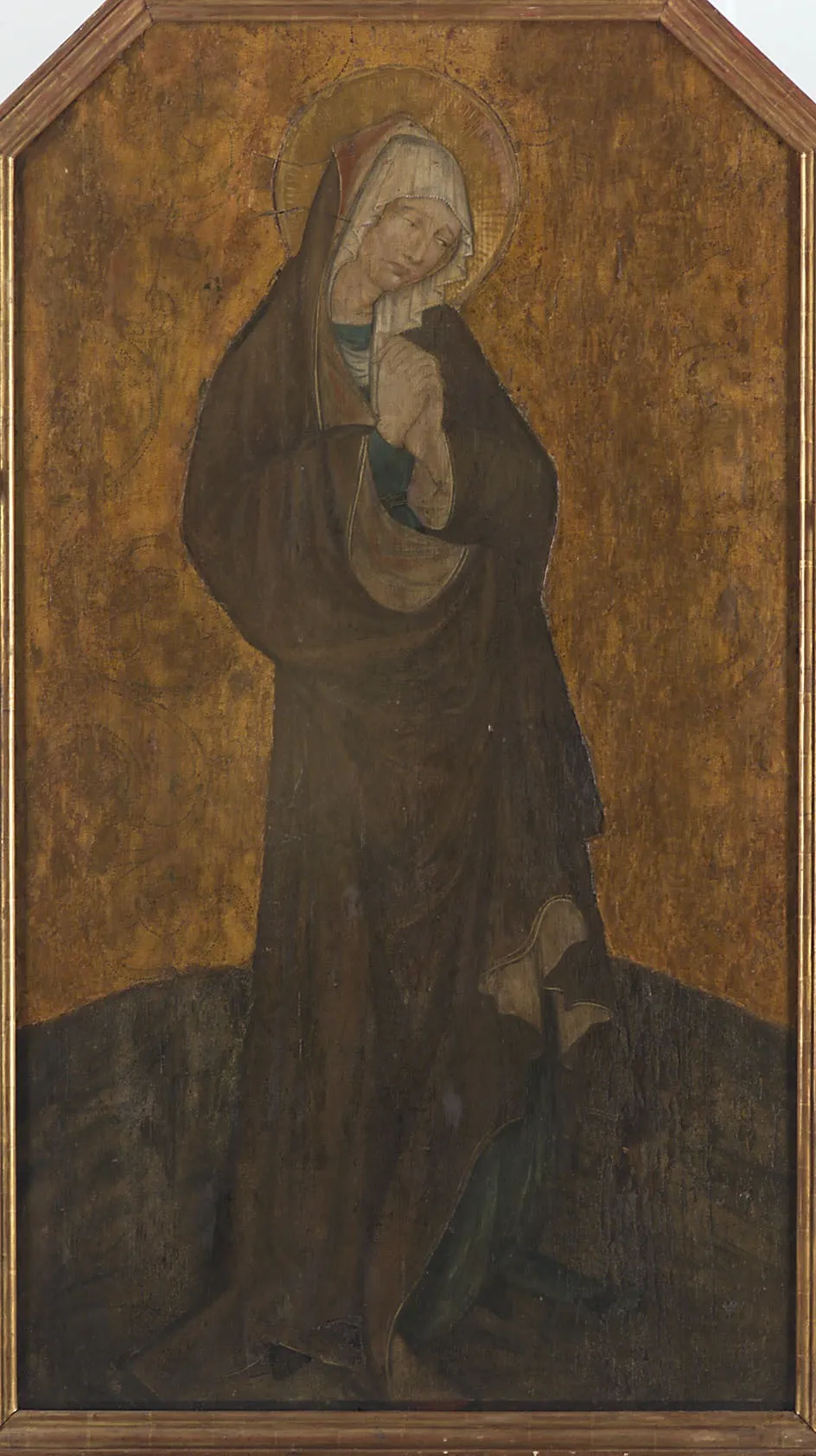
Our Lady of Sorrows is an unspecified painting by the Italo Byzantine artist Unknown. It dates from 1410 and is held in the collection of the Kunsthistorisches Museum.
About this work
Subject & Meaning
The work was created in 1410 and is part of the collection at the Kunsthistorisches Museum, where it remains on display.
The painting portrays the Virgin Mary in her role as the Sorrowful Mother, emphasizing her grief through traditional iconographic elements such as a crown of thorns and a sorrowful expression. This representation belongs to the religious art genre and reflects devotional practices of the early 15th century, when images of Mary as the Sorrowful Mother were used to evoke contemplation of Christ’s Passion. The work was created in 1410 and is part of the collection at the Kunsthistorisches Museum, where it remains on display.
The subject draws on medieval Marian devotion, using visual symbols to convey compassion and sacrifice, and functions as a devotional object within a sacred context.
Technique & Style
The work is a 15th-century tempera painting on wood panel, executed in the International Gothic style with rich symbolic detail and a restrained palette of blues and reds. The composition emphasizes the Virgin’s sorrow through a downcast gaze and the iconic seven swords of compassion, rendered with delicate brushwork and gold leaf accents. The surface shows fine craquelure consistent with age, though the pigments remain largely intact, contributing to a haunting, devotional presence.
History & Provenance
Created in 1410, this religious painting depicts the Virgin Mary under the title Our Lady of Sorrows. The work is attributed to an artist from the South Bohemian region. It currently resides in the collection of the Kunsthistorisches Museum, where it is maintained as part of their holdings of religious art.
Overview
Our Lady of Sorrows is a painting depicting a serene female figure, likely a religious icon, set against a golden backdrop. Characterized by subdued attire and an contemplative demeanor, the work exhibits signs of aging, evident in the wear along its edges.
Context
The work aligns with a tradition of depicting religious figures in serene, contemplative states, common in European art. The use of chiaroscuro links it to artists who emphasized emotional and spiritual themes through lighting.
Legacy
While specific influence or fame of 'Our Lady of Sorrows' is not detailed, it contributes to the broader legacy of religious art and the continued interest in chiaroscuro as a powerful artistic technique, inspiring viewers to explore similar works.
Artist & collection









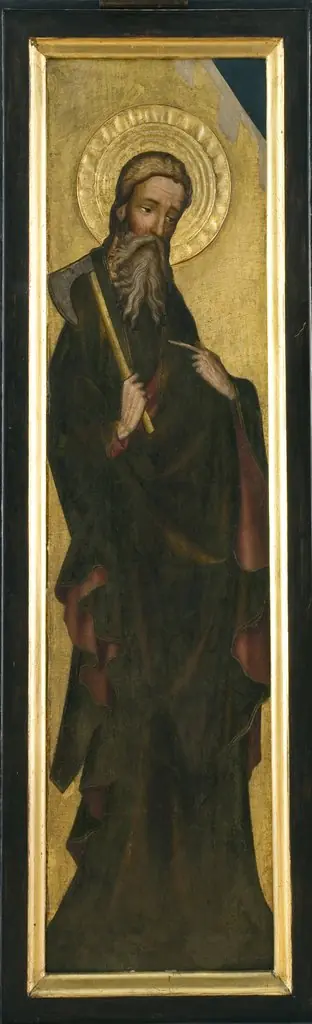
- St Matthias. The wing from the altar retable from Trzebunia
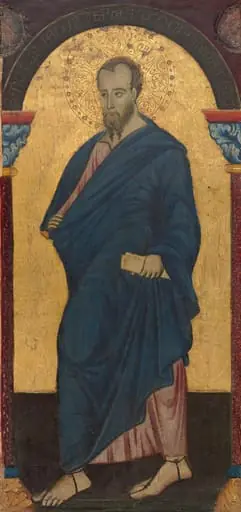 Saint James Minor
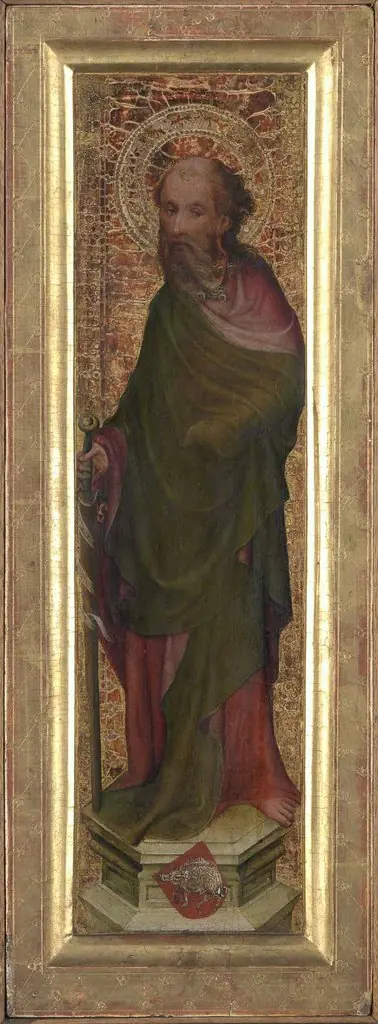 Hl. Paulus Rückseite: Hl. Reinoldus
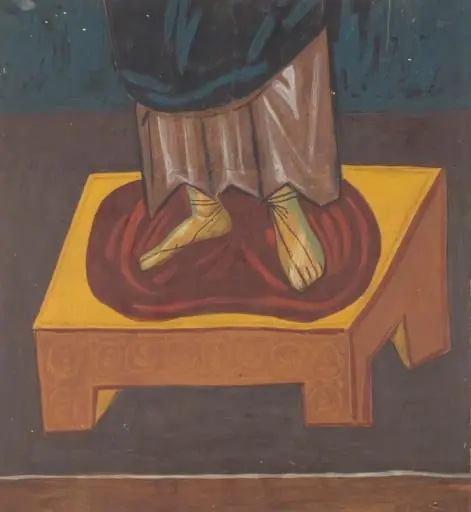 Detail
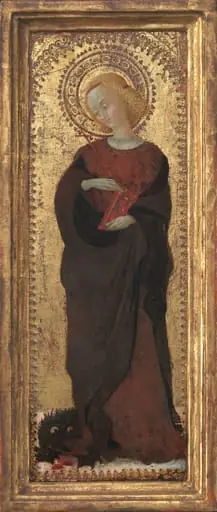 Saint Margaret
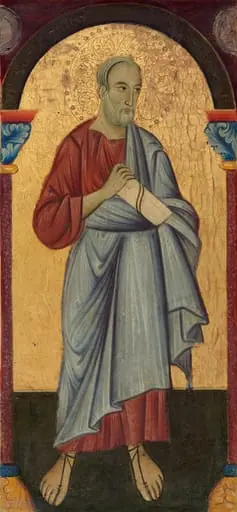 Saint John the Evangelist
![Our Lady of Sorrows and St John the Evangelist from the scene of the Crucifixion. The wing of the altar retable [?] from Chełmiec, by Unknown](https://artifactworldgallery.com/img/unknown--our-lady-of-sorrows-and-st-john-the-evangelist-from-the-scen--a539683940b08071-w320.webp) Our Lady of Sorrows and St John the Evangelist from the scene of the Crucifixion. The wing of the altar retable [?] from Chełmiec
Our Lady of Sorrows and St John the Evangelist from the scene of the Crucifixion. The wing of the altar retable [?] from Chełmiec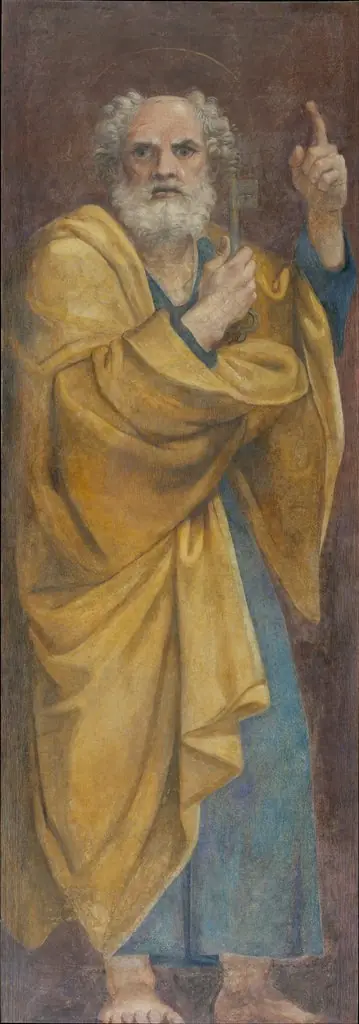 Saint Peter
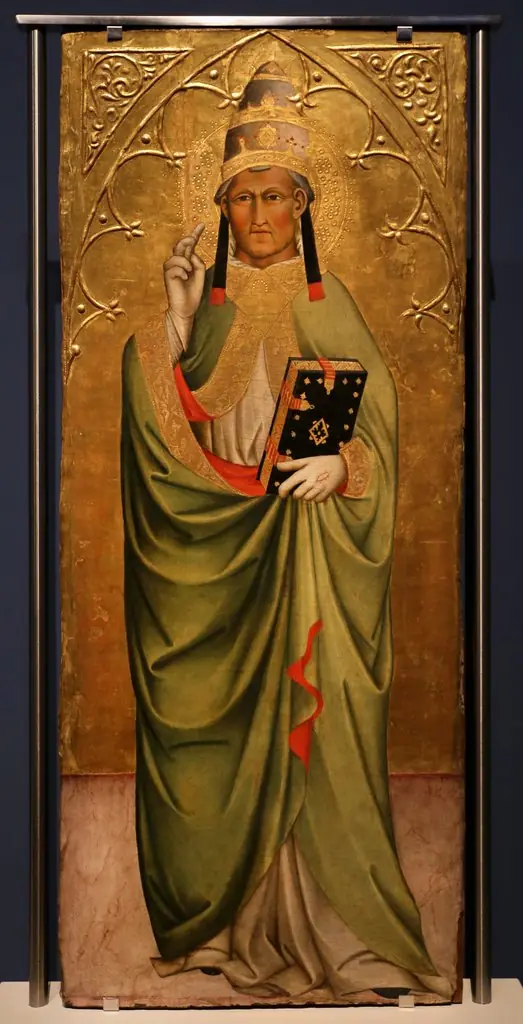 Holy Pope
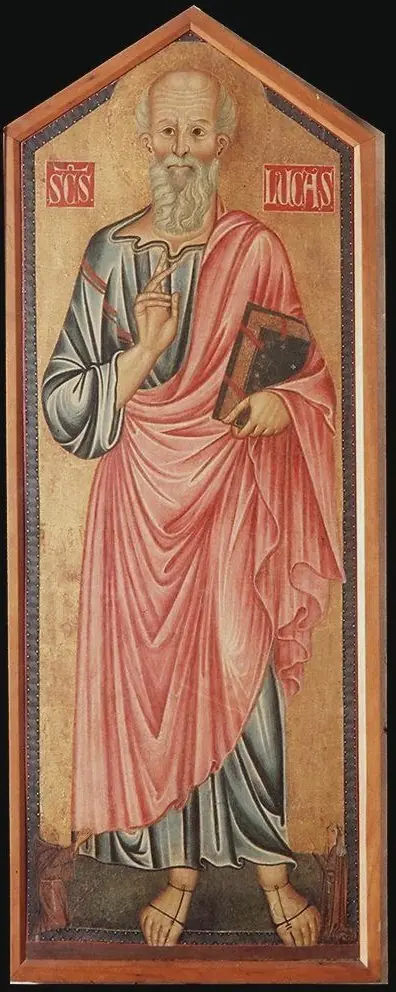 Saint Luke
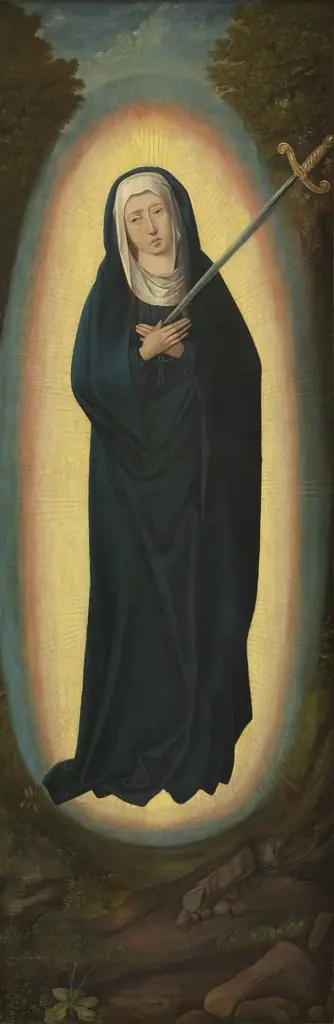 Mater Dolorosa
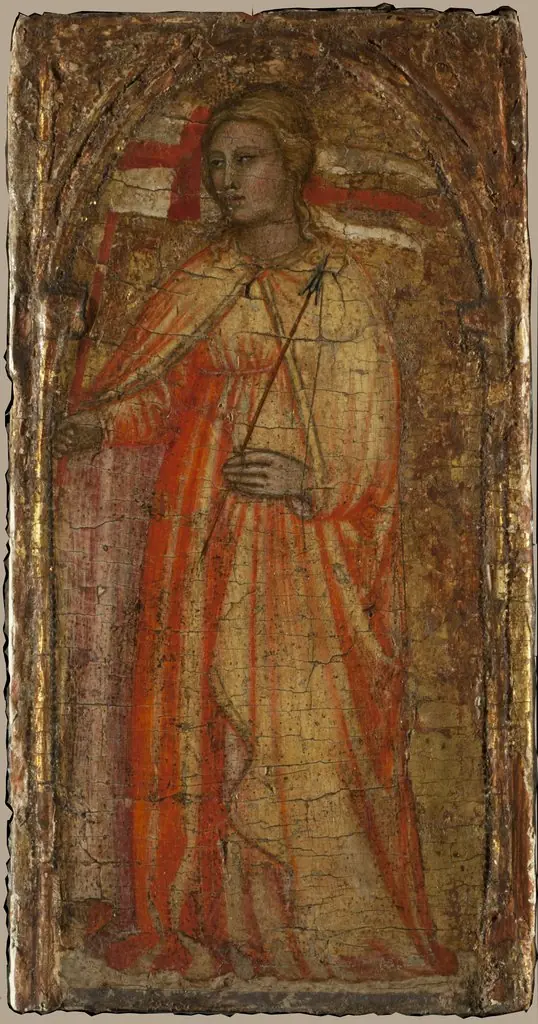 Saint Ursula