Artwork
Page from Tales of a Parrot (Tuti-nama): text page
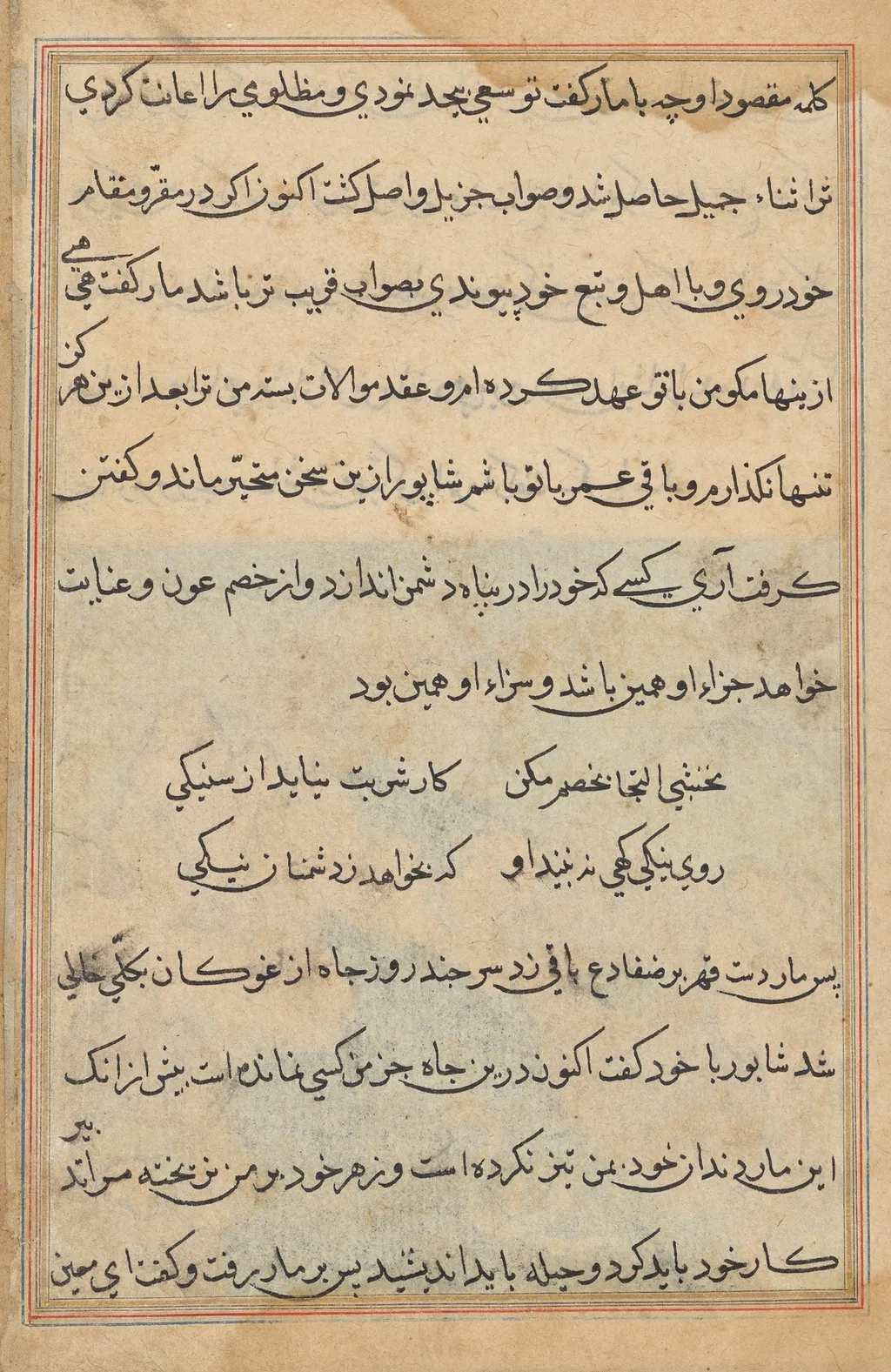
Page from Tales of a Parrot (Tuti-nama): text page is an unspecified painting. It dates from 1560 and is held in the collection of the Cleveland Museum of Art. The work is a painted representation of a page from the manuscript known as Tales of a Parrot (Tuti‑nama).
About this work
Technique & Style
Created in 1560 within the Mughal Empire, this work is classified as a painting that serves as a text page from the Tales of a Parrot (Tuti-nama).
Created in 1560 within the Mughal Empire, this work is classified as a painting that serves as a text page from the Tales of a Parrot (Tuti-nama). The piece is executed on a support typical of the period's manuscript production, functioning as an integrated component of the larger codex. While the specific pigments or brushwork techniques are not detailed in the available records, the object's formal identity is defined by its role as an illustrated page combining literary content with visual art.
The work remains part of the collection of the Cleveland Museum of Art, where it is cataloged under accession number 1962.279.183.a.
History & Provenance
The text page from the Tales of a Parrot (Tuti-nama), created in 1560, is held in the collection of the Cleveland Museum of Art in Cleveland. The work is cataloged under the accession number 1962.279.183.a. While the artifact originates from the Mughal Empire, its current institutional home is the Cleveland Museum of Art, where it has been part of the permanent holdings since at least the time of its accession in 1962.
Context
A representative text folio from the 1560 Tuti-nama manuscript exemplifies Mughal manuscript painting's synthesis of Persian narrative traditions with Indian aesthetic sensibilities, reflecting the imperial workshop's collaborative production under royal patronage. The work's stylistic conventions, including flattened spatial perspective and jewel-toned palette, became foundational to later Rajput and Deccan painting schools, as scholars analyze its role in codifying courtly visual rhetoric. Its presence in the Cleveland Museum of Art's collection since 1962 underscores ongoing Western scholarly interest in pre-colonial Indian artistic networks, though attribution to an unnamed workshop remains a subject of ongoing research.
The folio's technical execution, featuring mineral pigments on paper, demonstrates the era's advanced material practices while its didactic function as a didactical text on moral virtues highlights the intersection of artistic and pedagogical objectives in Akbar-era court culture.
Overview
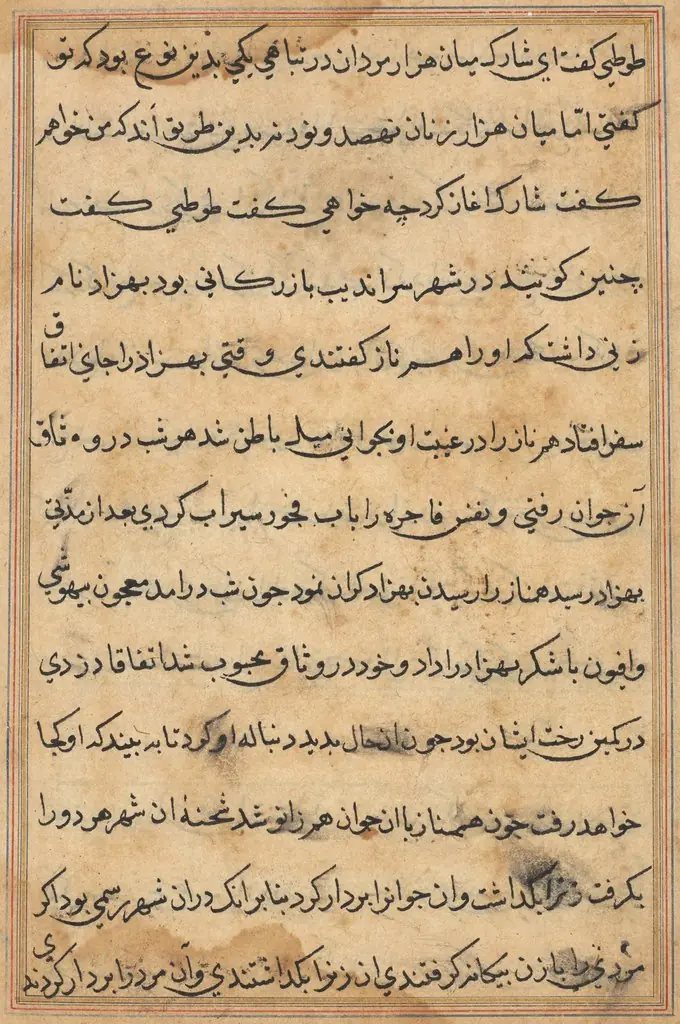
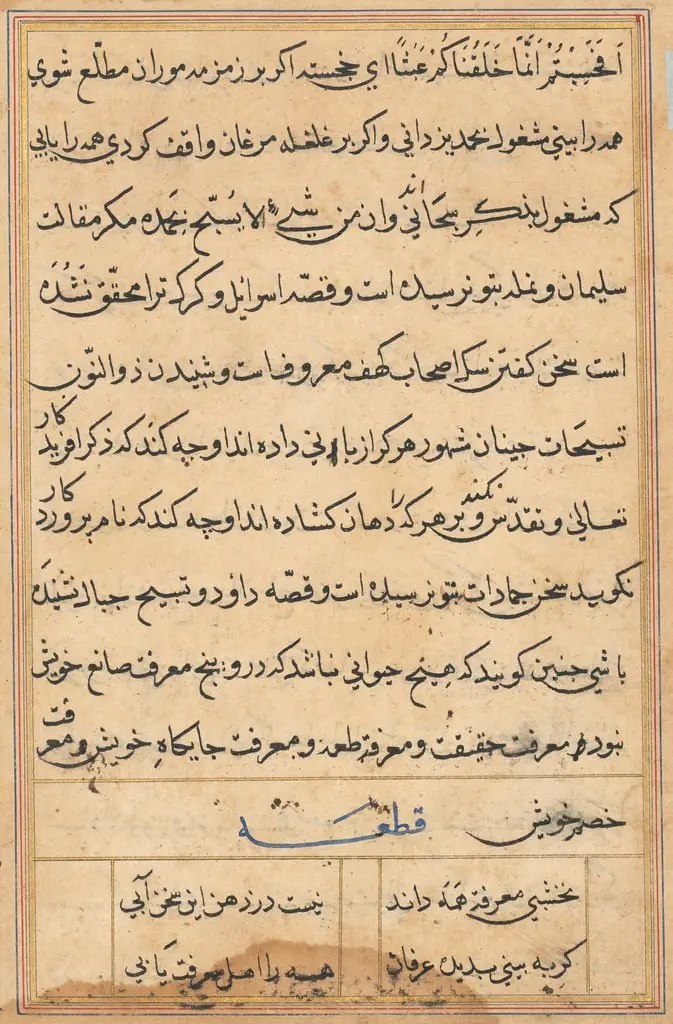
The work is a painted representation of a page from the manuscript known as Tales of a Parrot (Tuti‑nama). It reproduces a textual page rather than an illustrated scene, focusing on the written content. The composition is confined to a single sheet, emphasizing the script itself as the visual subject.
Artist & collection

- Page from Tales of a Parrot (Tuti-nama): text page
 Page from Tales of a Parrot (Tuti-nama): text page
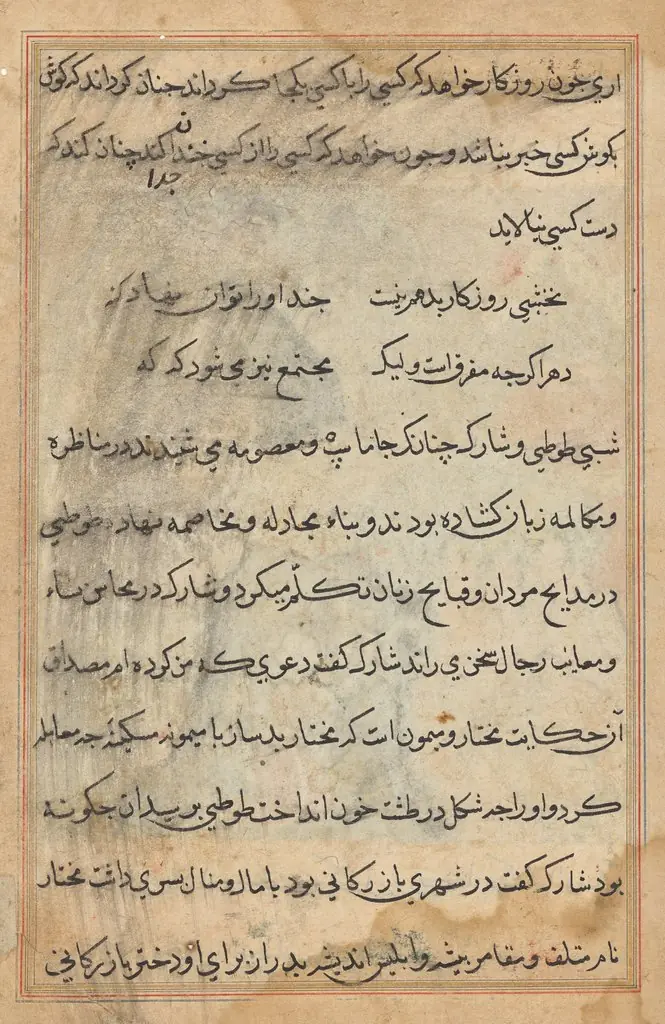 Text page from a Tuti-nama (Tales of a Parrot)
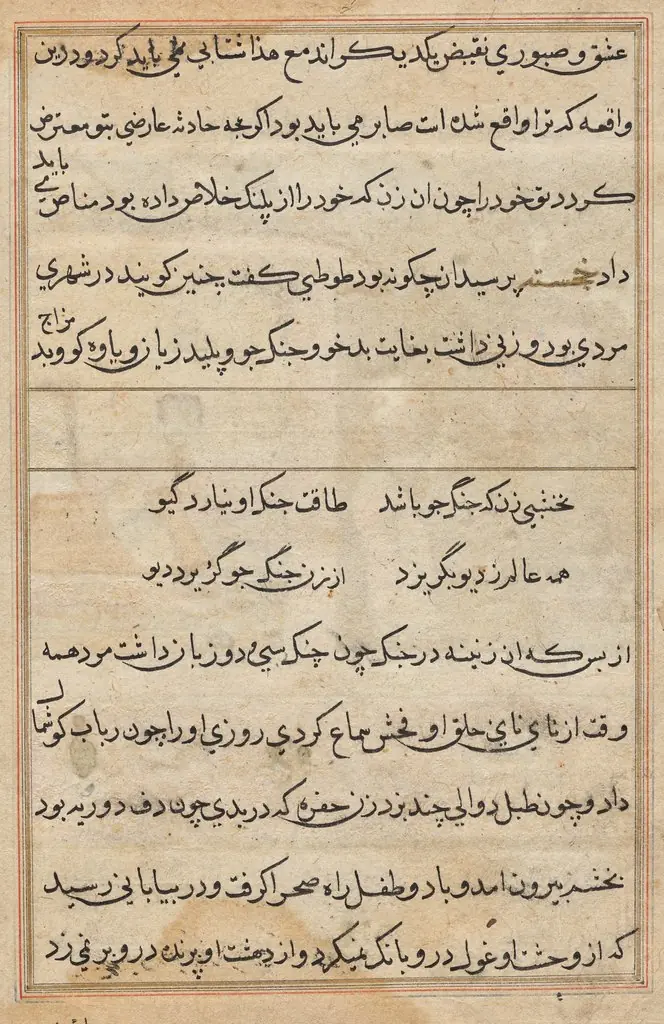 Page from Tales of a Parrot (Tuti-nama): text page
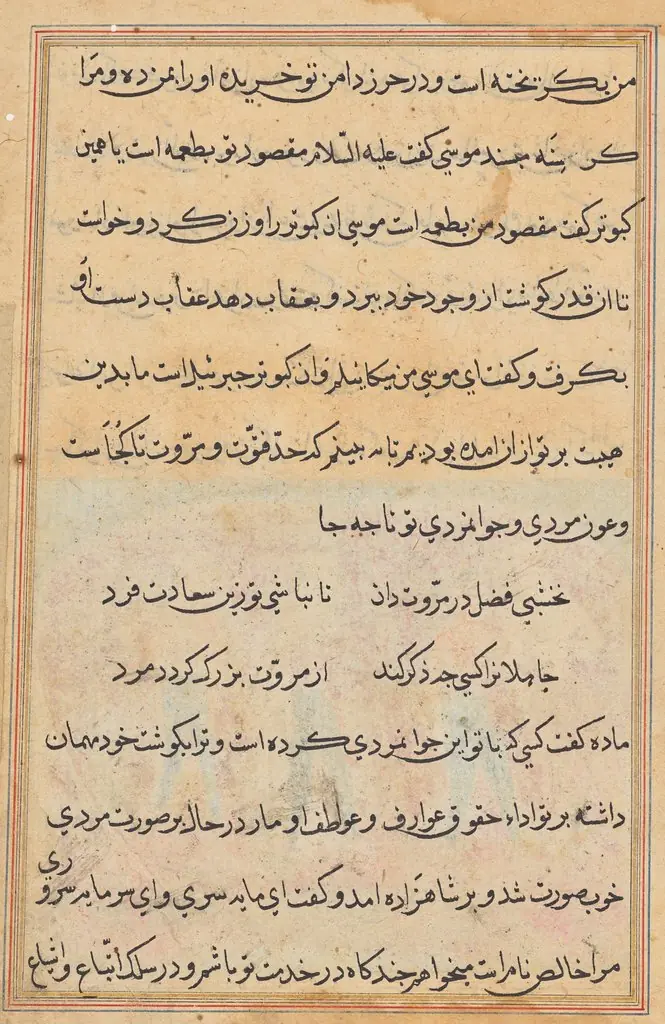 Page from Tales of a Parrot (Tuti-nama): text page
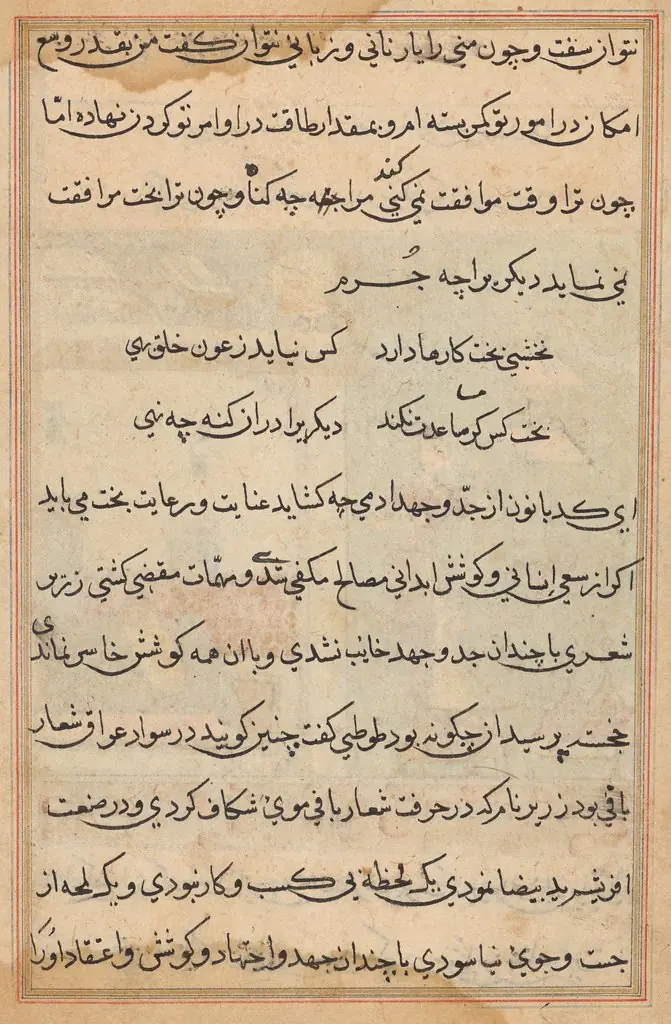 Tuti-Nama (Tales of a Parrot)
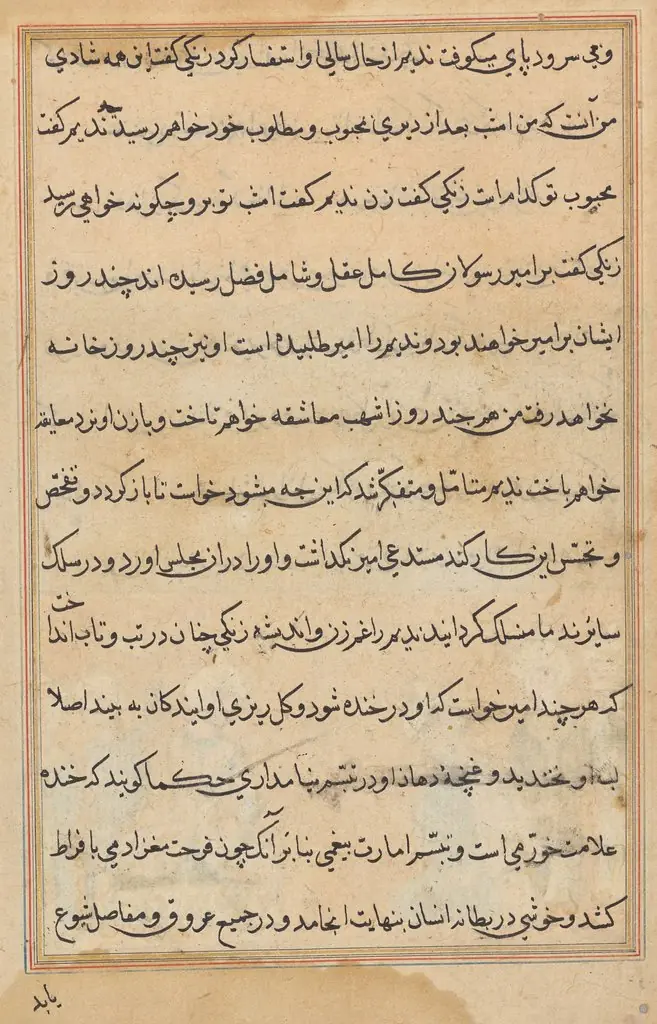 Page from Tales of a Parrot (Tuti-nama): text page
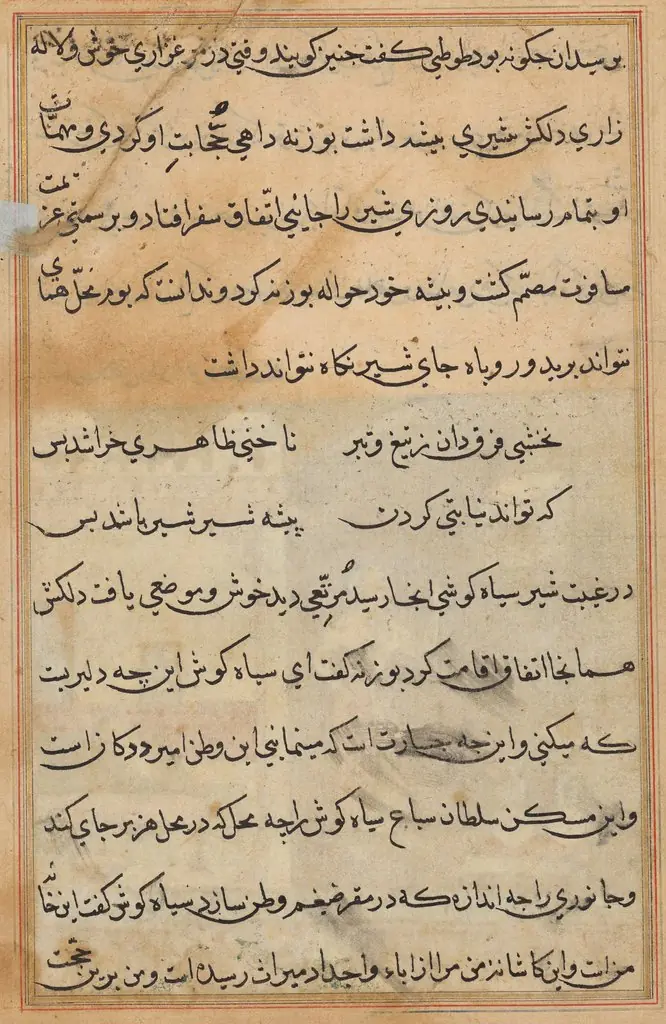 Tuti-Nama (Tales of a Parrot)
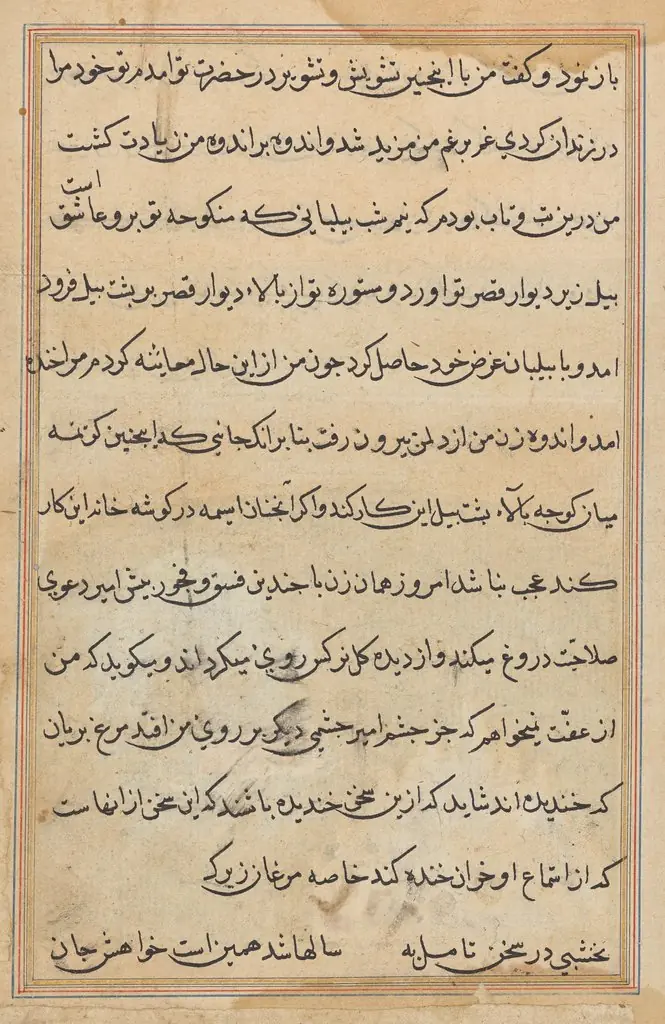 Page from Tales of a Parrot (Tuti-nama): text page
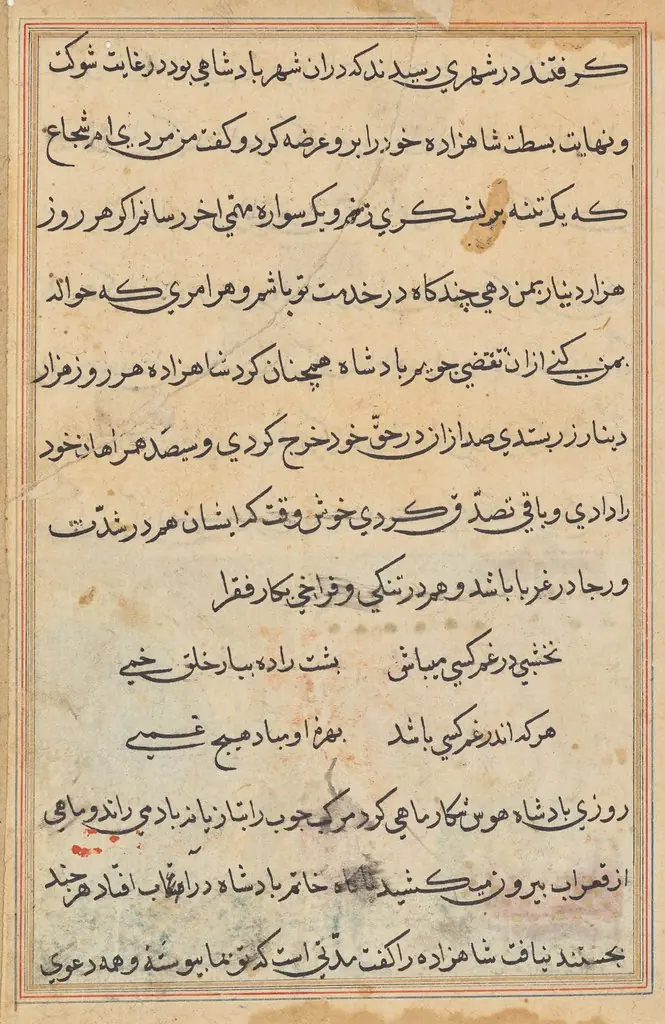 Page from Tales of a Parrot (Tuti-nama): text page
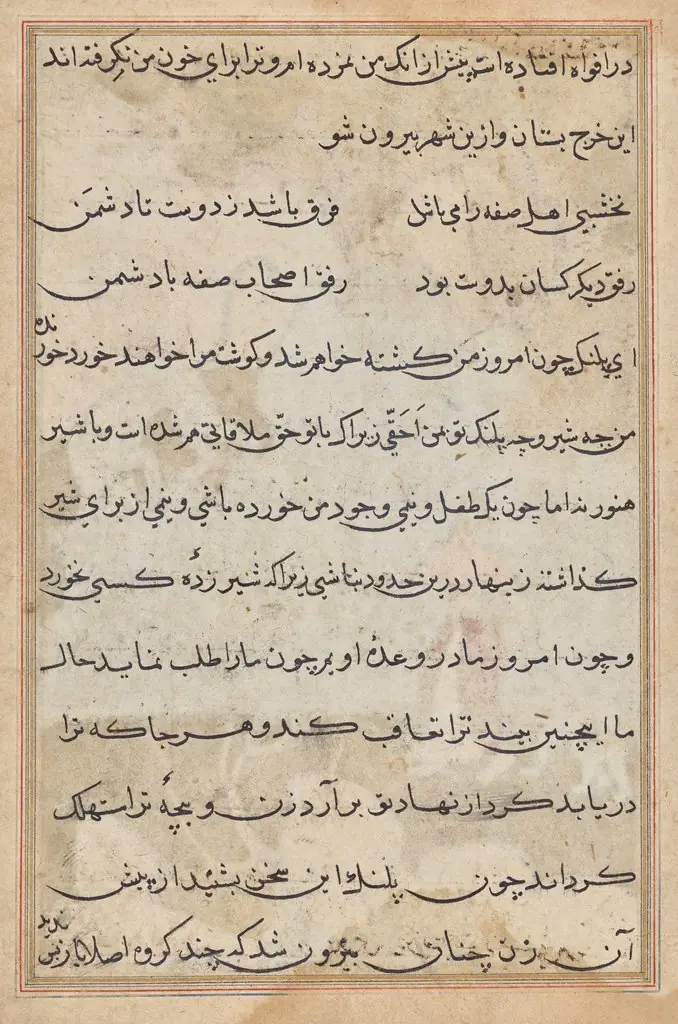 Page from Tales of a Parrot (Tuti-nama): text page
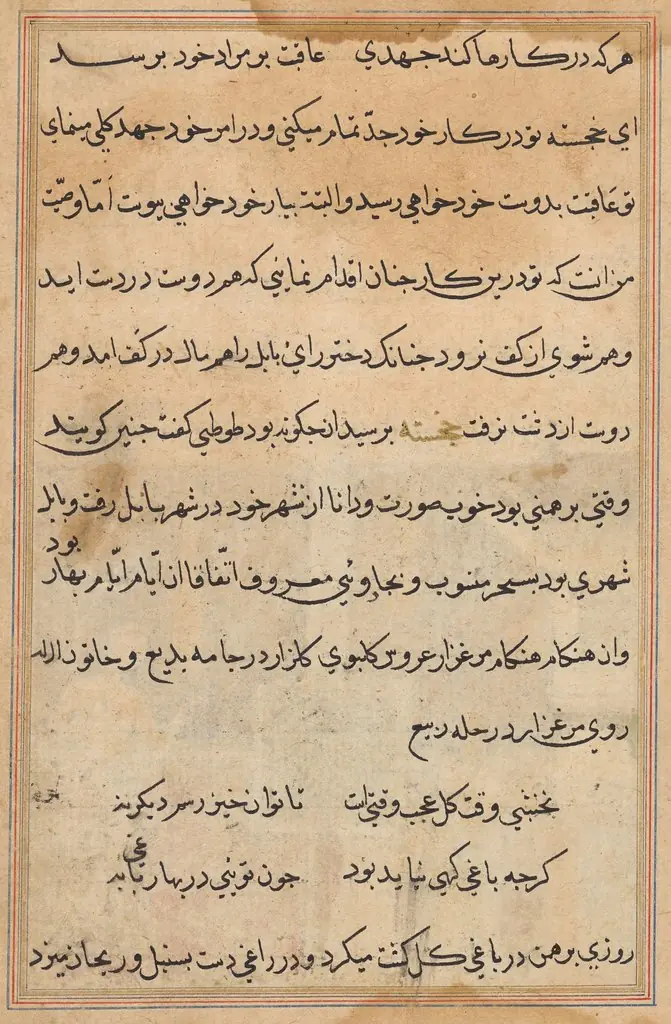 Page from Tales of a Parrot (Tuti-nama): text page