Artwork
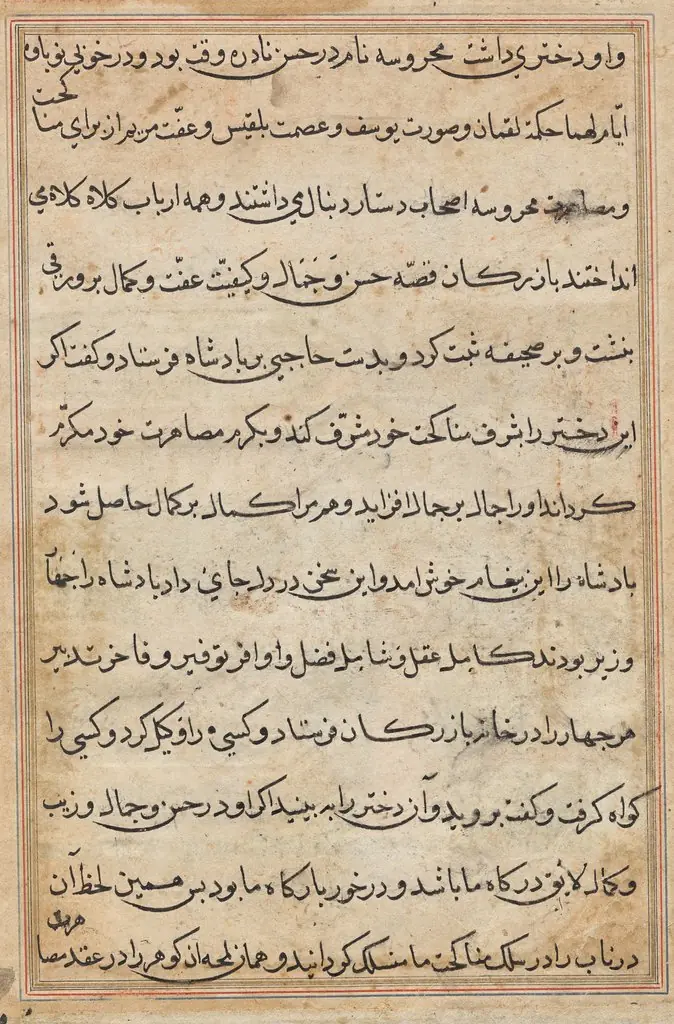
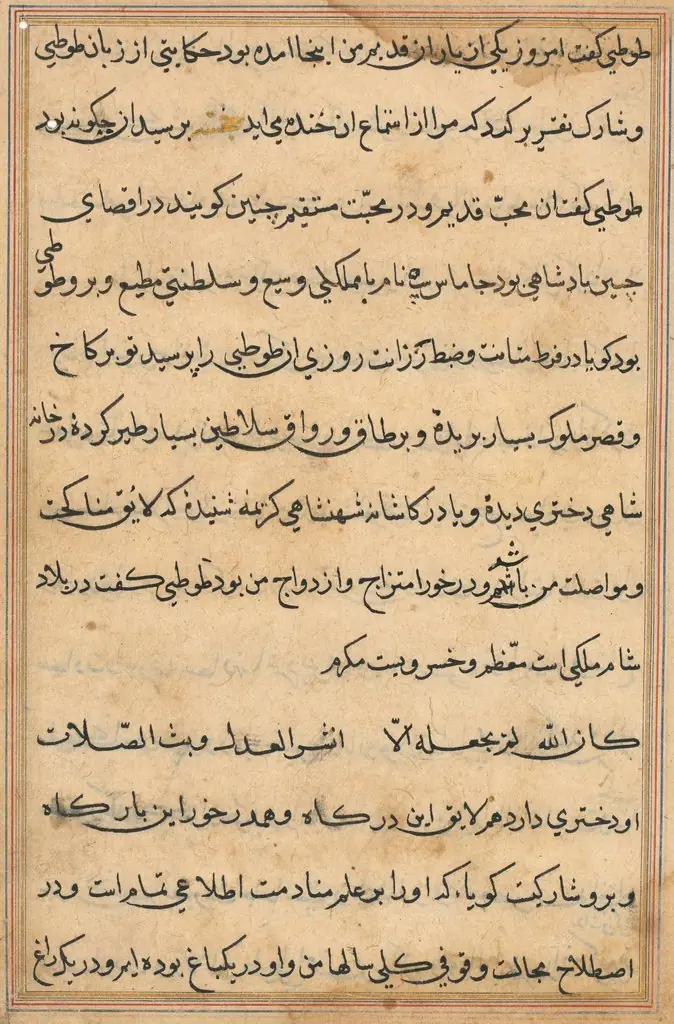
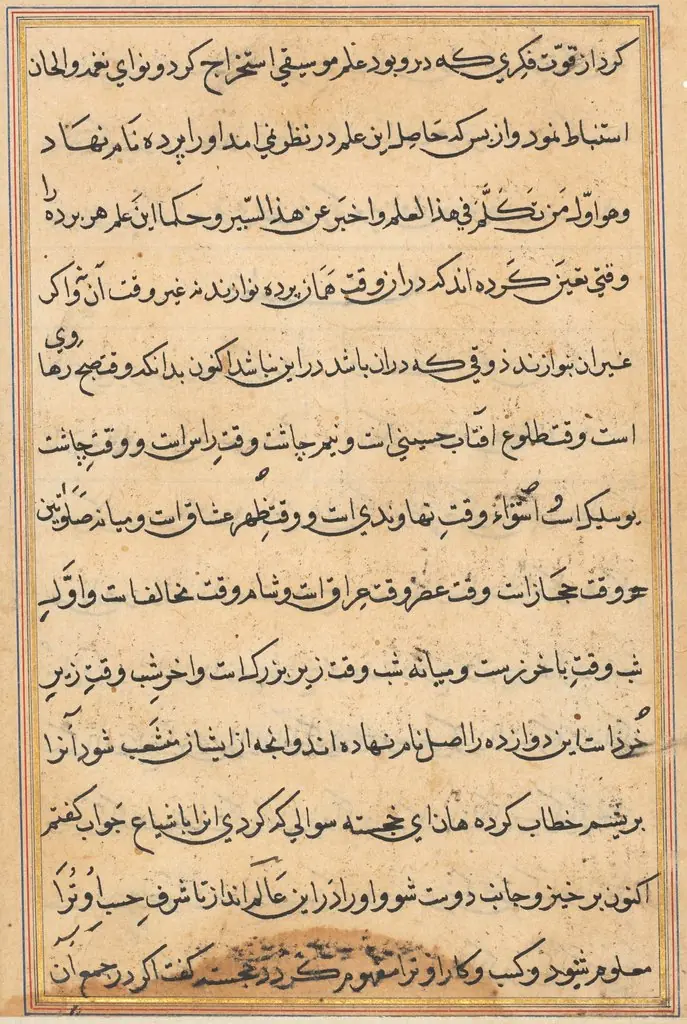
Page from Tales of a Parrot (Tuti-nama): text page
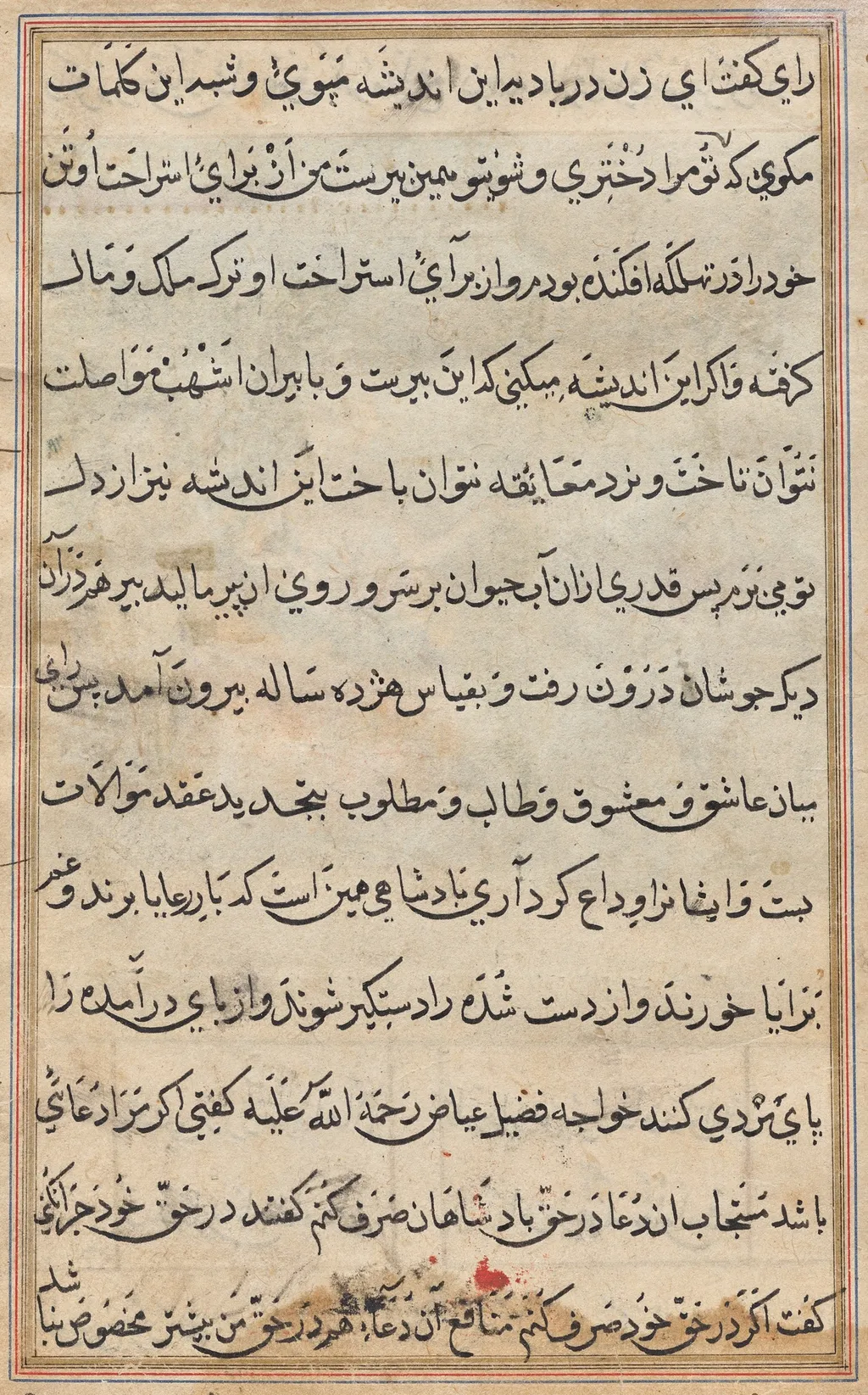
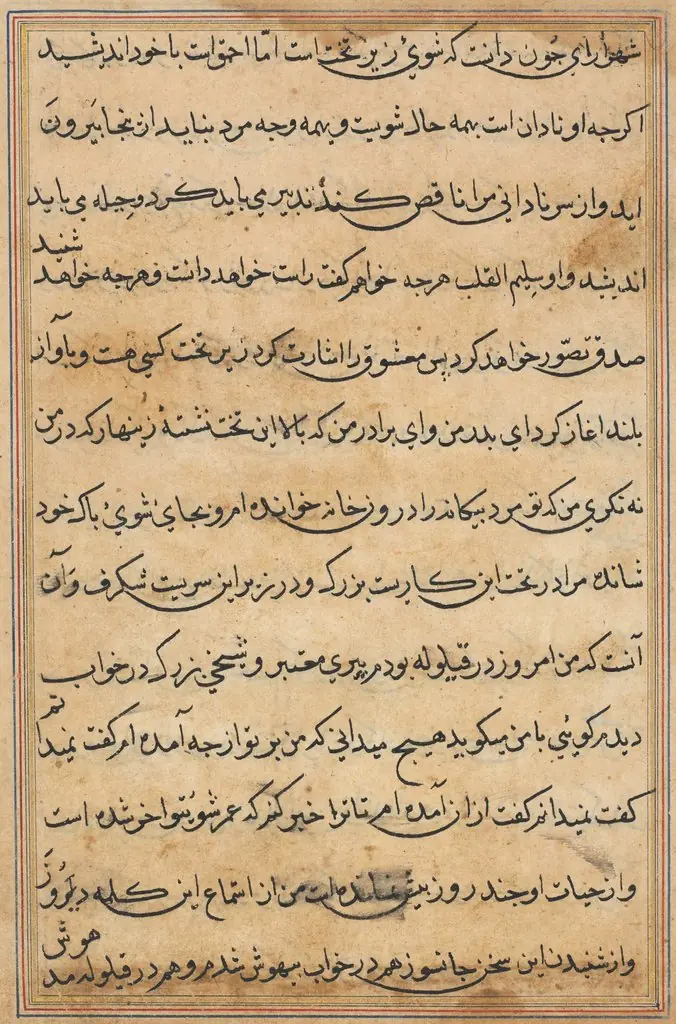
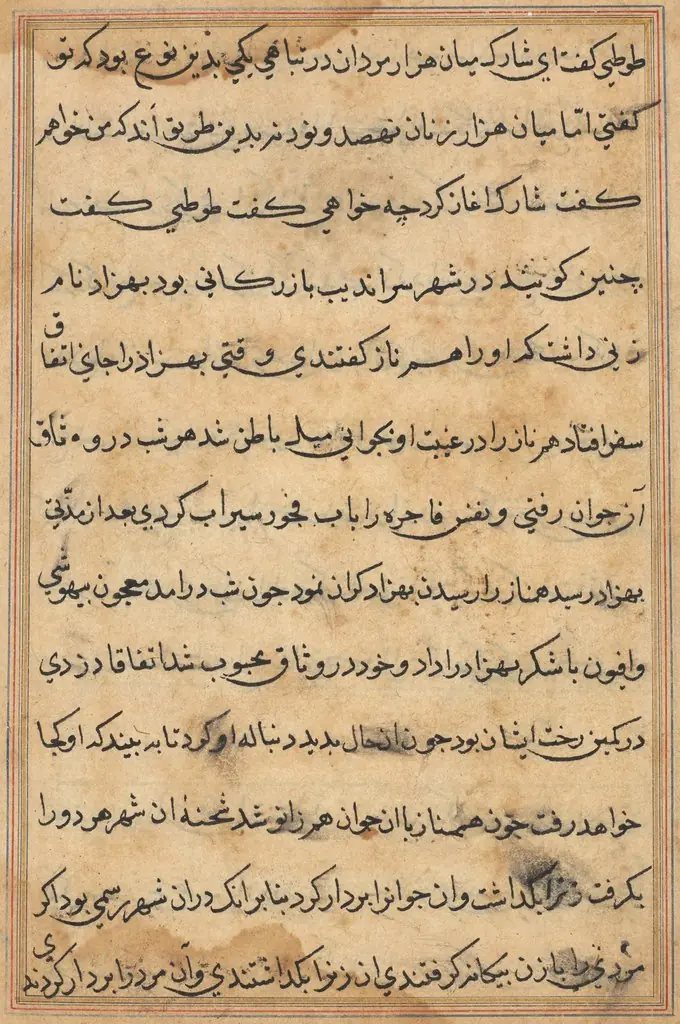
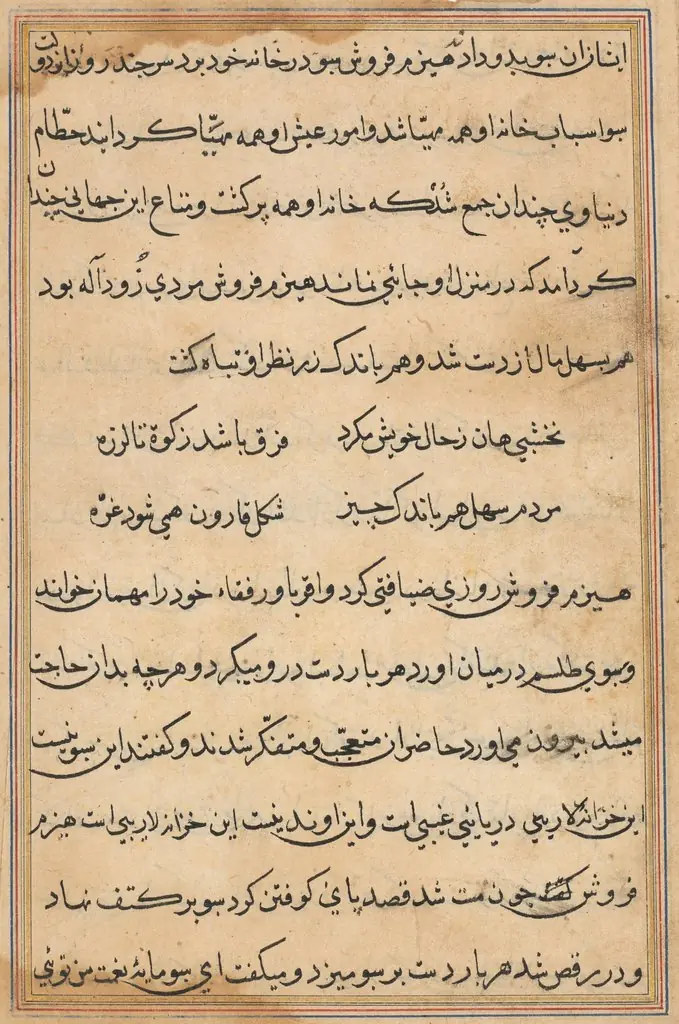
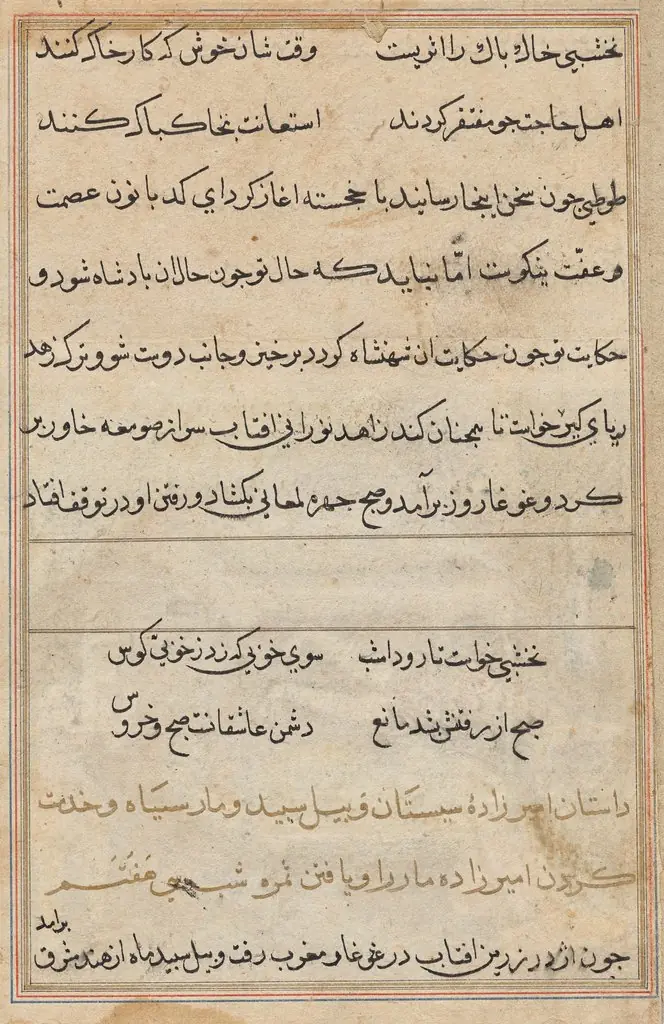
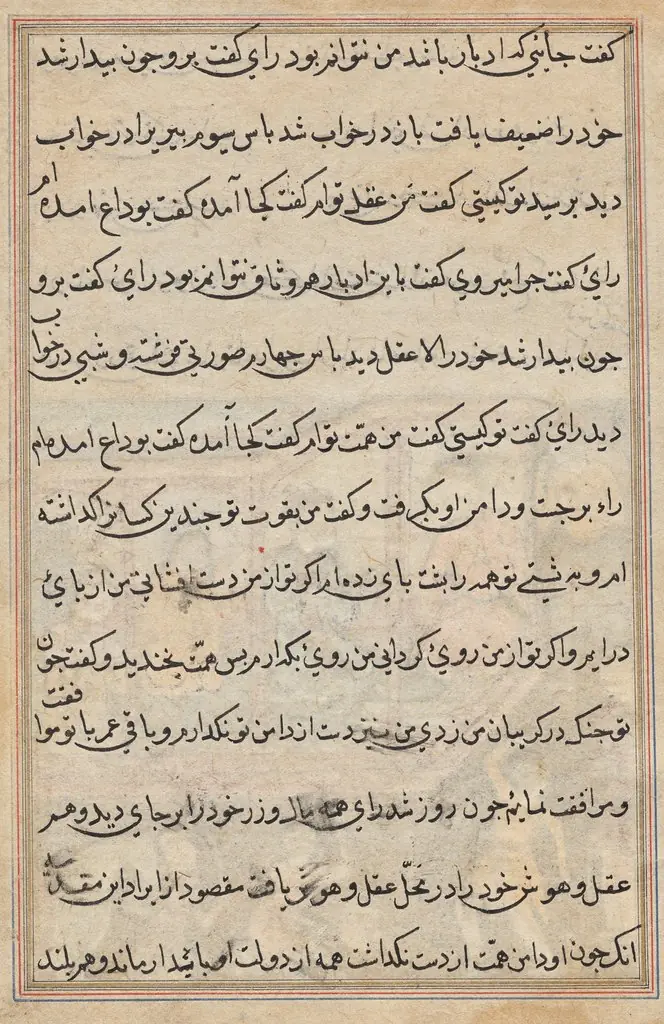
Page from Tales of a Parrot (Tuti-nama): text page is an unspecified painting. It dates from 1560 and is held in the collection of the Cleveland Museum of Art. This object is a single folio from the medieval Indian manuscript known as the Tuti‑nama or Tales of a Parrot.
About this work
History & Provenance
It currently resides in the collection of the Cleveland Museum of Art, where it is cataloged under the accession number 1962.
Created in 1560 within the Mughal Empire, this text page originates from the Tuti-nama (Tales of a Parrot). The work was executed by an artist whose identity remains unrecorded in available documentation. It currently resides in the collection of the Cleveland Museum of Art, where it is cataloged under the accession number 1962.279.50.a.
The specific circumstances regarding its original commission or its ownership history prior to entering the Cleveland museum's holdings are not detailed in the provided records.
The painting is held at the Cleveland Museum of Art, where it is catalogued under accession number 1962.279.50.a. Its provenance includes creation in the Mughal Empire around 1560, and it has been part of the museum’s collection since its acquisition, appearing in exhibitions that showcase Indian miniature paintings from the 16th century.
Overview
This object is a single folio from the medieval Indian manuscript known as the Tuti‑nama or Tales of a Parrot. The page measures roughly the size of a hand‑held book and retains its original parchment support, now a light‑beige surface bearing the faint marks of age. Inked text occupies most of the leaf, framed by decorative red and blue bands along the margins.
Subject & Meaning
The folio contains a passage of narrative verse, part of a larger collection of romantic and moral stories that were traditionally recited in courtly settings. While the precise episode on this page cannot be identified without a specialist translation, the Tuti‑nama overall conveys themes of love, loyalty, and the cleverness of its titular parrot, serving both entertainment and didactic purposes.
Technique & Style
The script is rendered in a flowing cursive hand characteristic of Persian‑influenced calligraphy, with letters often joined in elegant ligatures. Black iron‑gall ink provides the main text, while the marginal bands employ red and blue pigments applied in fine linear patterns. The page shows typical medieval manuscript features: slight discoloration, minor tears, and small stains, yet the calligraphic strokes remain sharp and legible.
Context
The Tuti‑nama reflects the syncretic literary environment of medieval India, where Persian language and aesthetics merged with indigenous storytelling traditions. Manuscripts such as this one illustrate the transmission of artistic techniques across cultural boundaries and have informed later South Asian illustrated texts, contributing to the region’s rich visual and literary heritage.
Artist & collection

- Page from Tales of a Parrot (Tuti-nama): text page
 Page from Tales of a Parrot (Tuti-nama): text page
 Page from Tales of a Parrot (Tuti-nama): text page
 Page from Tales of a Parrot (Tuti-nama): text page
 Page from Tales of a Parrot (Tuti-nama): text page
 Page from Tales of a Parrot (Tuti-nama): text page
 Page from Tales of a Parrot (Tuti-nama): text page
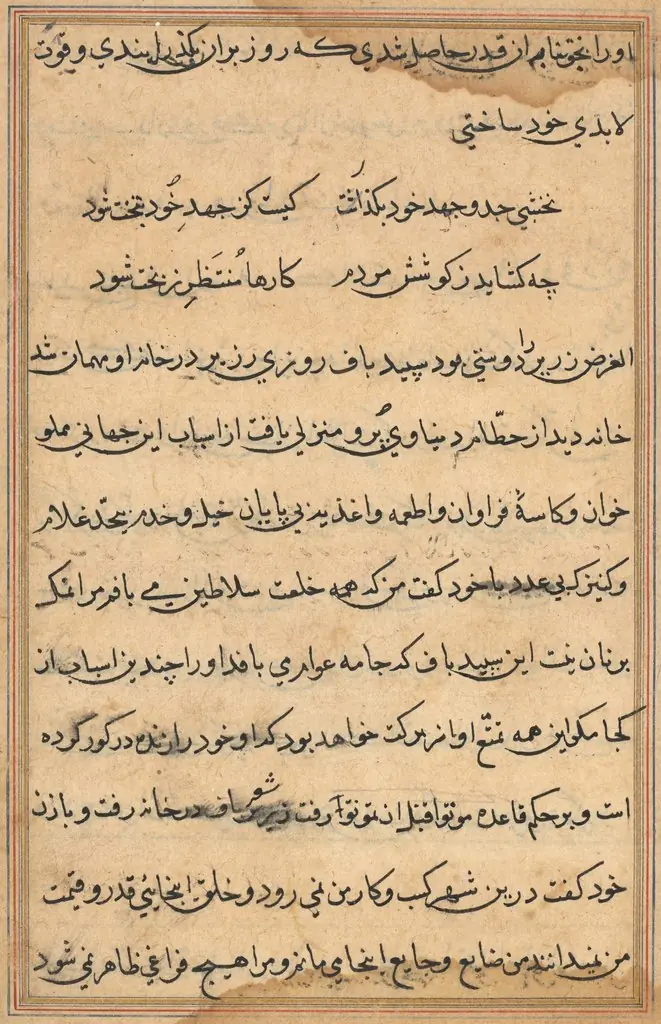 Page from Tales of a Parrot (Tuti-nama): text page
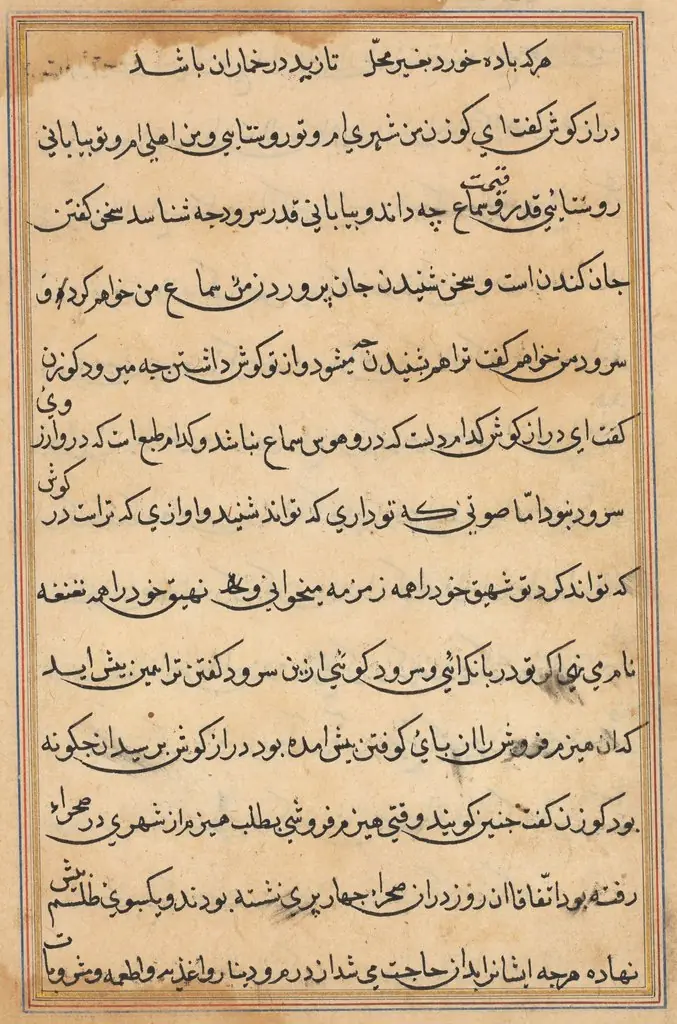 Page from Tales of a Parrot (Tuti-nama): text page
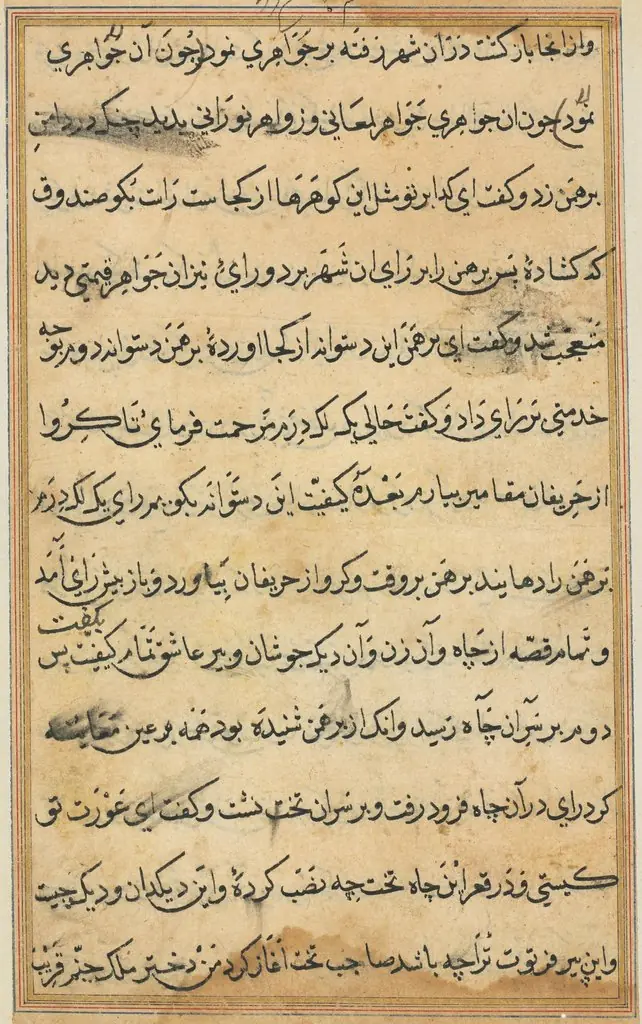 Page from Tales of a Parrot (Tuti-nama): text page
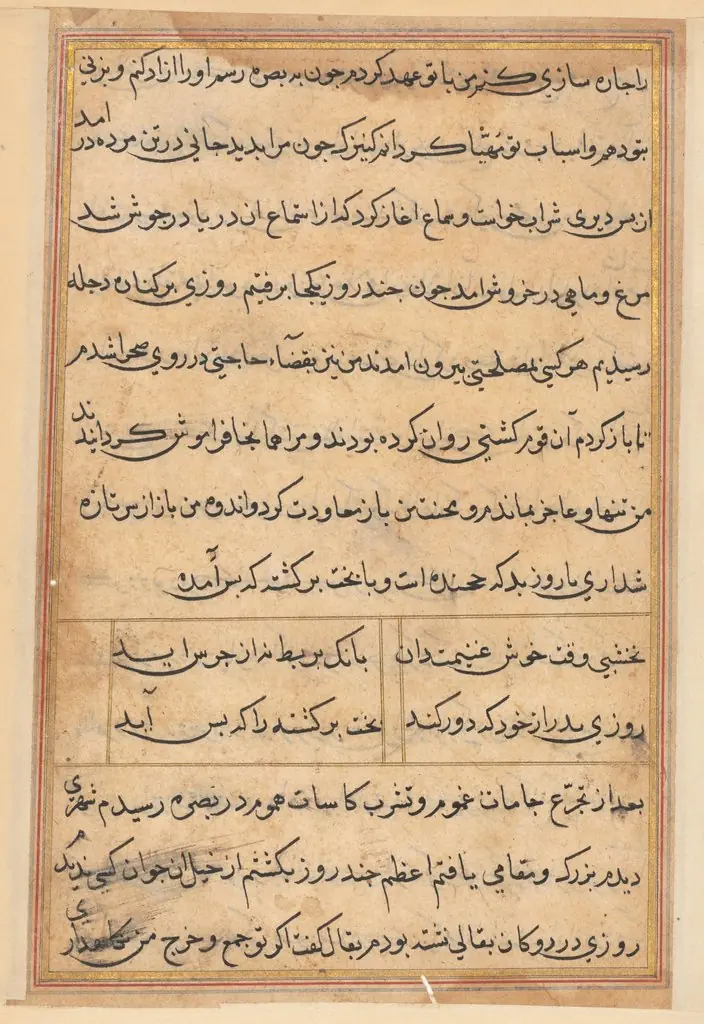 Page from Tales of a Parrot (Tuti-nama): text page
 Page from Tales of a Parrot (Tuti-nama): text page