Artwork
Painted Banner (Thangka) of Green Tara Surrounded by Twenty Manifestations
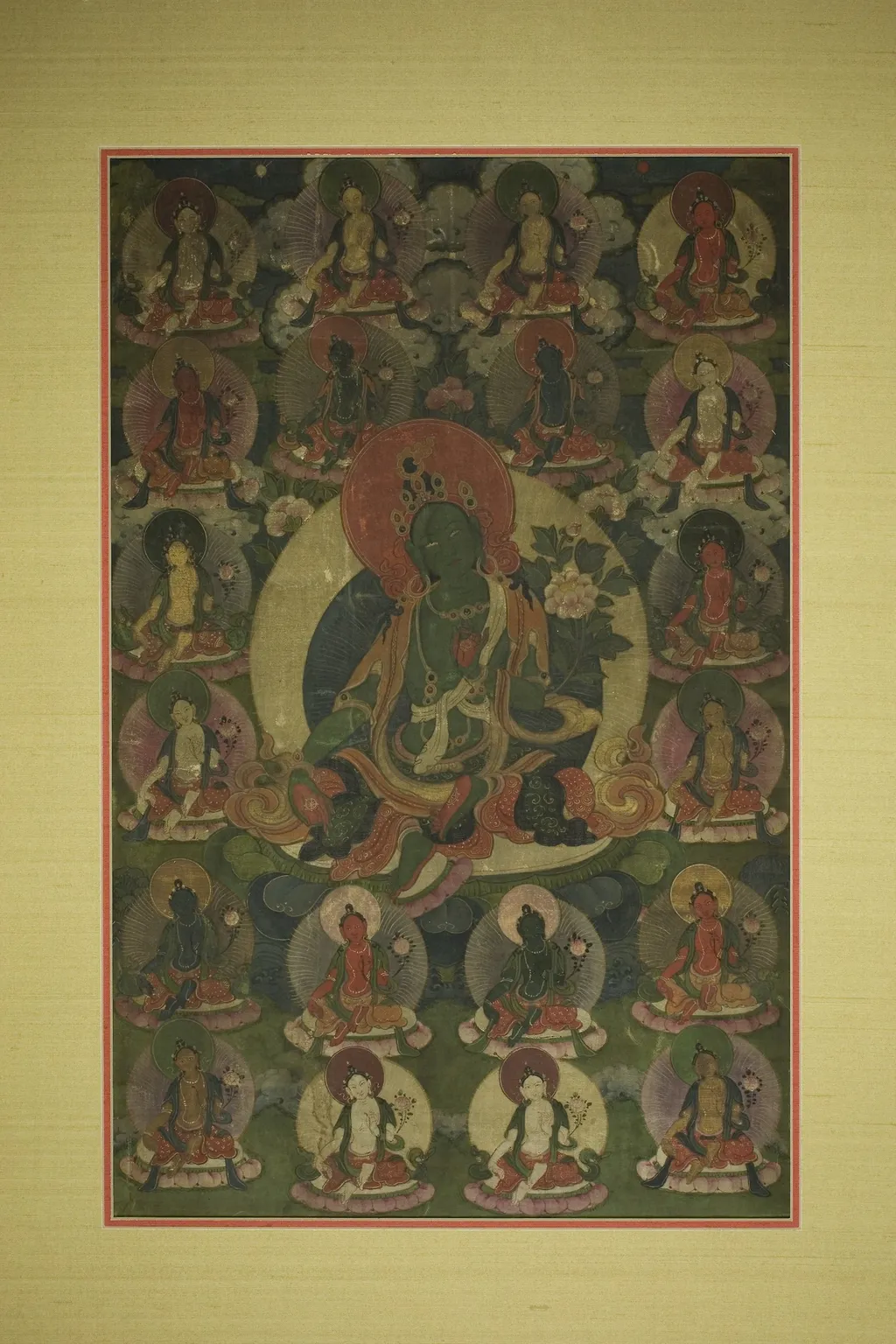
Painted Banner (Thangka) of Green Tara Surrounded by Twenty Manifestations is an unspecified painting by the Yōga artist Unknown. It dates from 1750 and is held in the collection of the Art Institute of Chicago. The work is a thangka, a painted banner, depicting the Buddhist deity Green Tara surrounded by twenty attendant figures.
About this work
This painting is called Painted Banner of Green Tara Surrounded by Twenty Manifestations. It was made in 1750. The Art Institute of Chicago has this painting, and it's about a religious topic.
The artist is not well-known, and we don't know much about them. You can learn more about this type of art at the museum: Art Institute of Chicago.
Overview
It is part of the Asian art collection at the Art Institute of Chicago, where it is displayed as an example of religious painting from the eighteenth century.
The work is a thangka, a painted banner, depicting the Buddhist deity Green Tara surrounded by twenty attendant figures. Executed in 1750, the piece measures roughly the size of a traditional hanging scroll and serves a devotional function within Tibetan Buddhist practice. It is part of the Asian art collection at the Art Institute of Chicago, where it is displayed as an example of religious painting from the eighteenth century.
Subject & Meaning
Green Tara, a compassionate savior figure, occupies the central position, her right hand raised in a gesture of protection. Encircling her are twenty manifestations, each representing a specific aspect of her enlightened activity, such as granting long life, removing obstacles, and bestowing wisdom. Together the ensemble illustrates the manifold ways the deity intervenes in the lives of practitioners.
Technique & Style
The thangka is executed in mineral pigments mixed with animal glue on a cotton or silk backing, a standard method for Tibetan devotional banners. The composition follows a symmetrical layout, with vivid greens, reds, and golds that enhance the spiritual aura. Fine brushwork delineates intricate details on the attendant figures, while gold leaf accents highlight divine attributes.
History & Provenance
Created in 1750, the banner’s origins lie in a Tibetan workshop, though the specific artist remains unidentified. The work entered the Art Institute of Chicago’s collection through a mid‑20th‑century acquisition, reflecting the museum’s effort to broaden its representation of Asian religious art. Documentation traces its movement from a private collection to the public institution.
Artist & collection









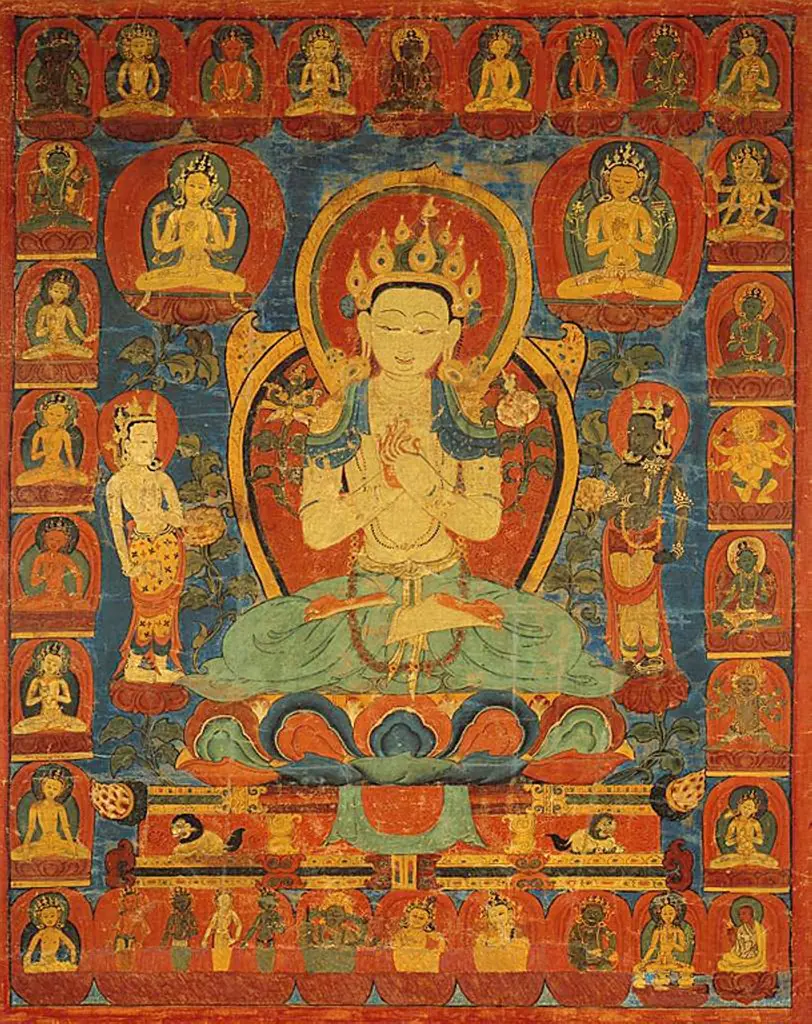
- Painted Banner (Thangka) of Bodhisattva Maitreya Surrounded by his Retinue
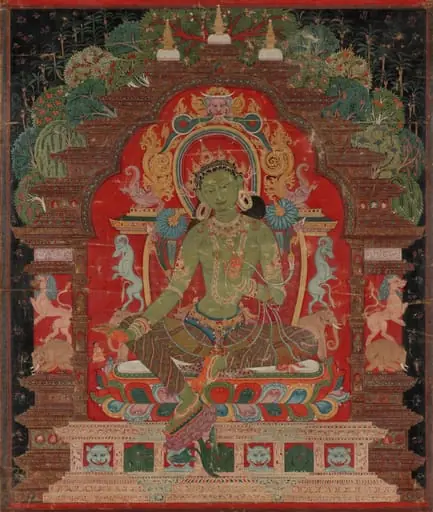 Green Tara
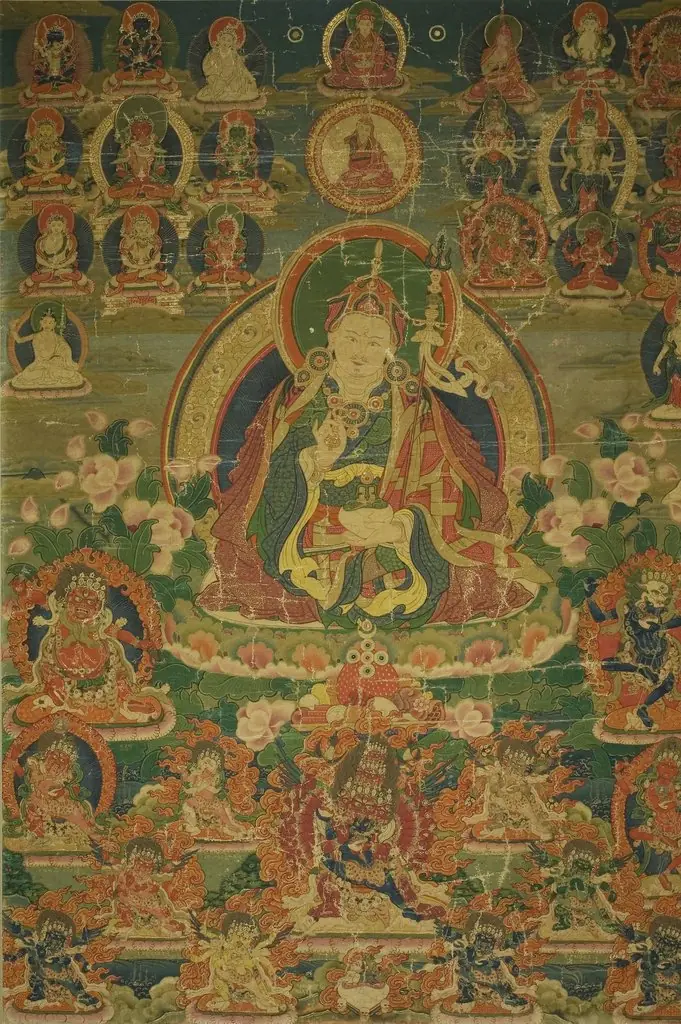 Painted Banner (Thangka) of Sage Guru Padmasambhava Seated Holding a Thunderbolt (Vajra) and Skull Cup (Kapala)
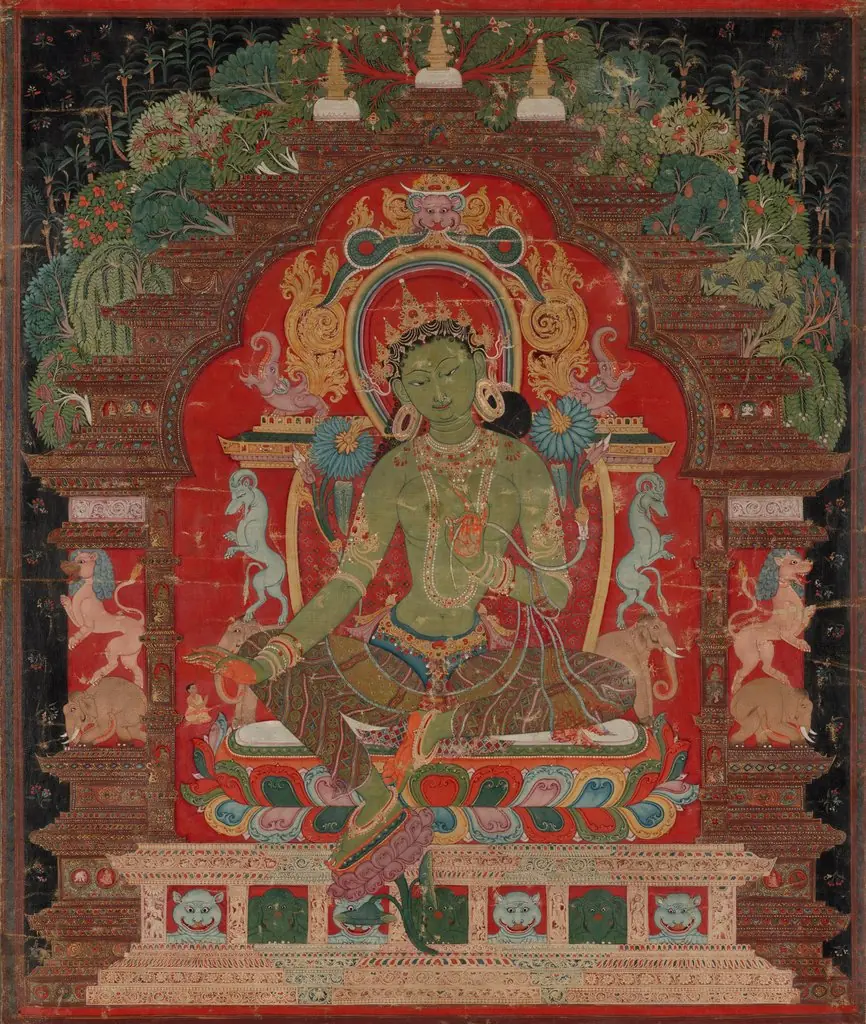 Green Tara
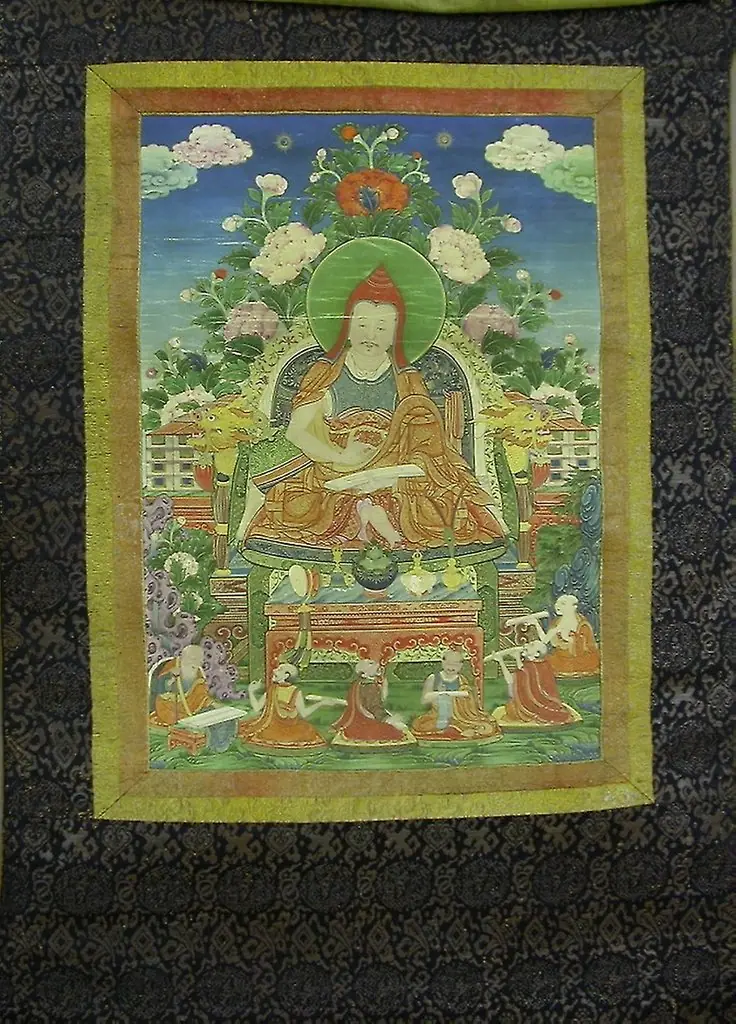 Painted Banner (Thangka) from a Set of Seven Honoring Gayadhara, a Sakya Pandit from India
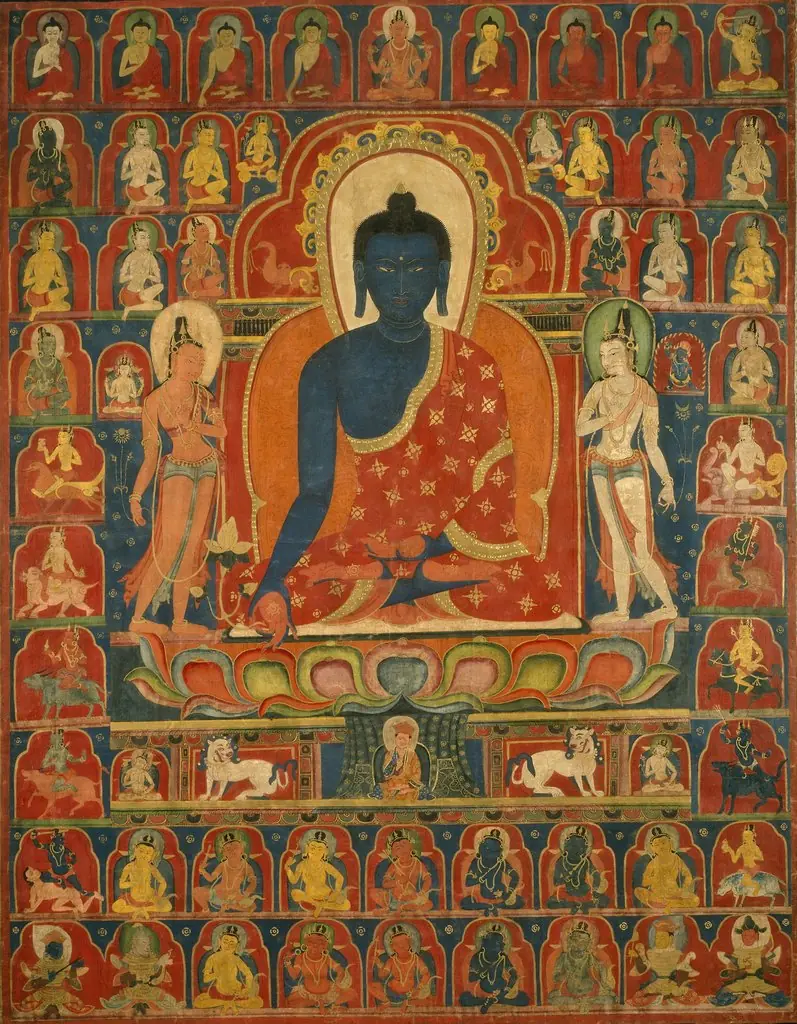 Painted Banner (Thangka) with the Medicine Buddha (Bhaishajyaguru)
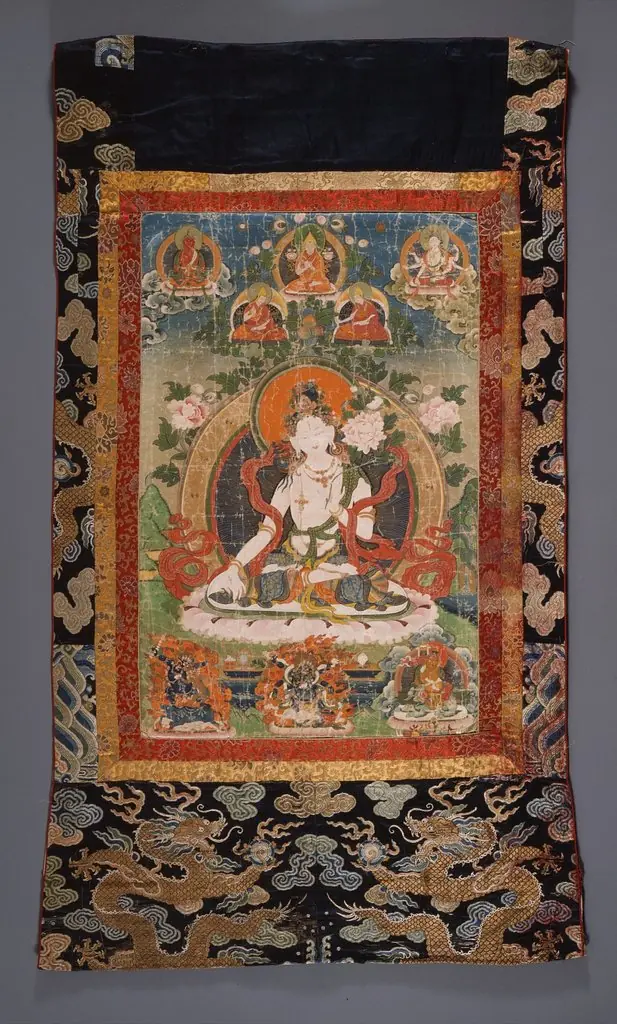 The Buddhist Goddess Sita Tara (White Tara)