Artwork
Peisaj cu figuri
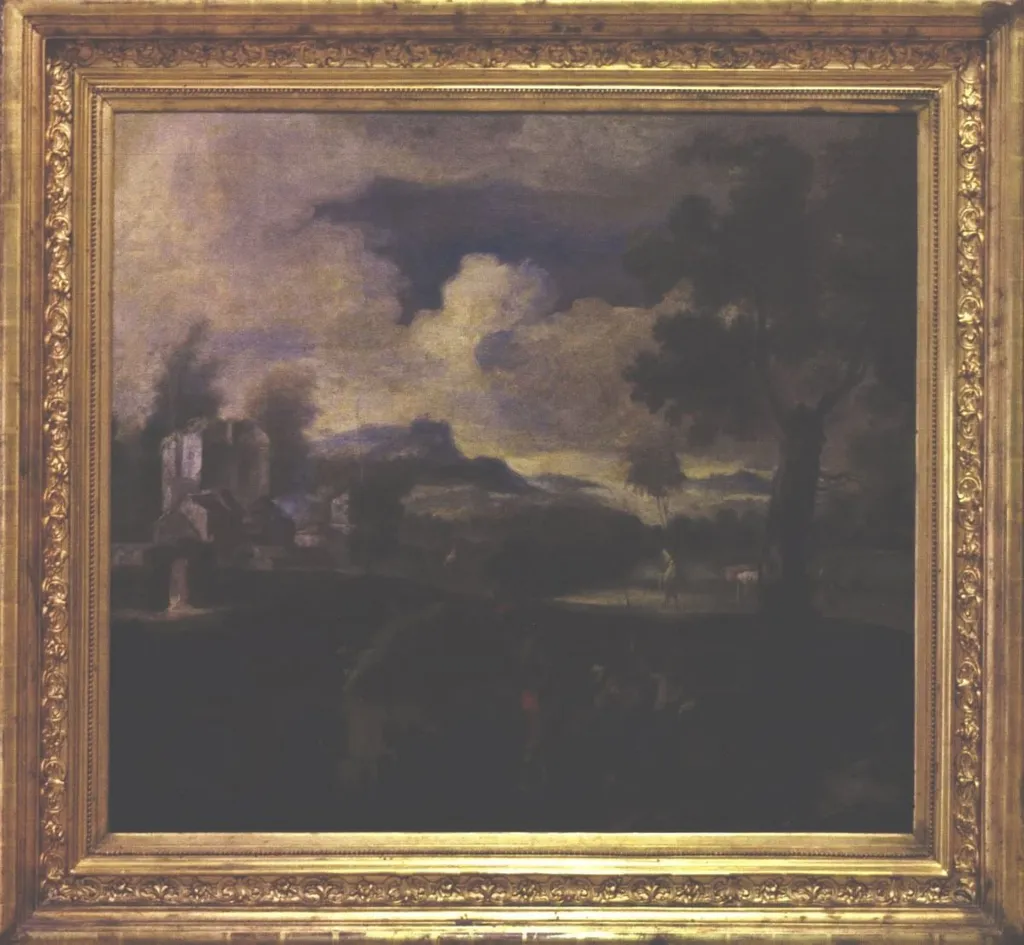
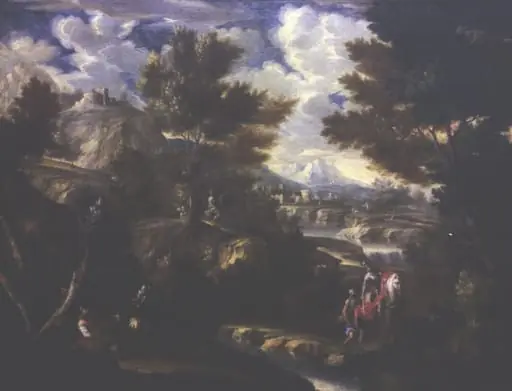
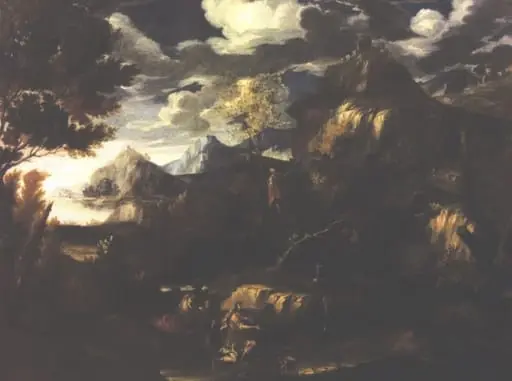
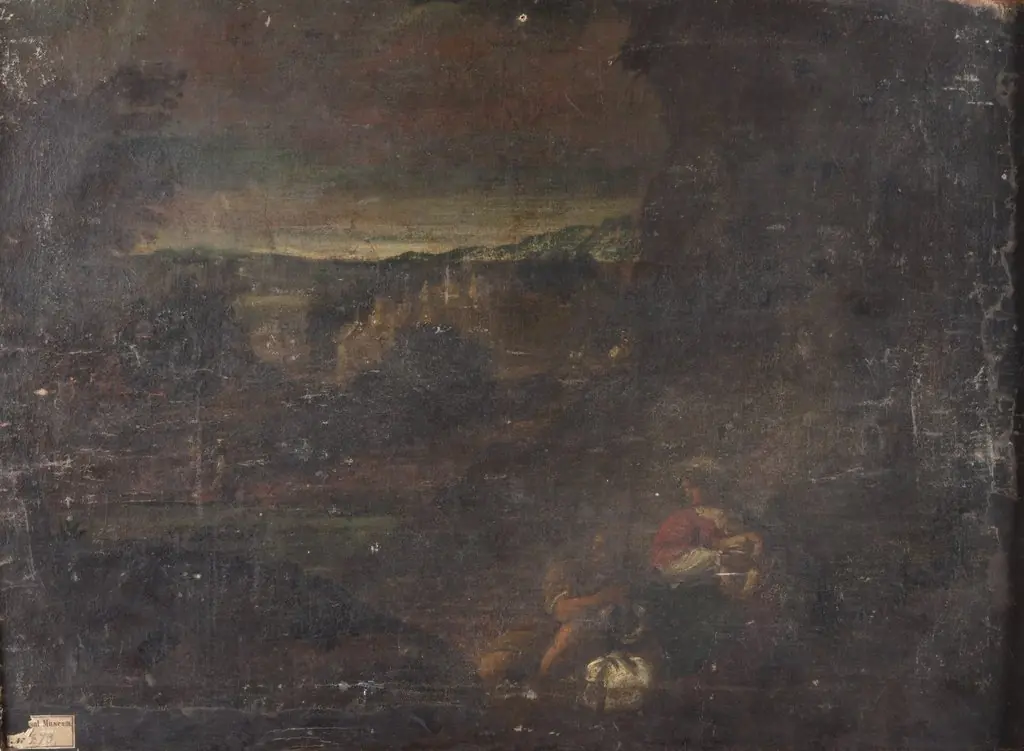
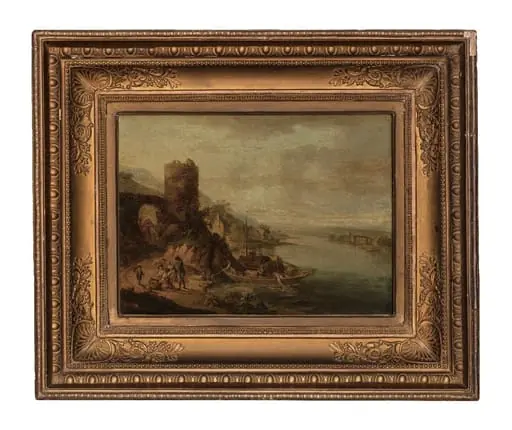
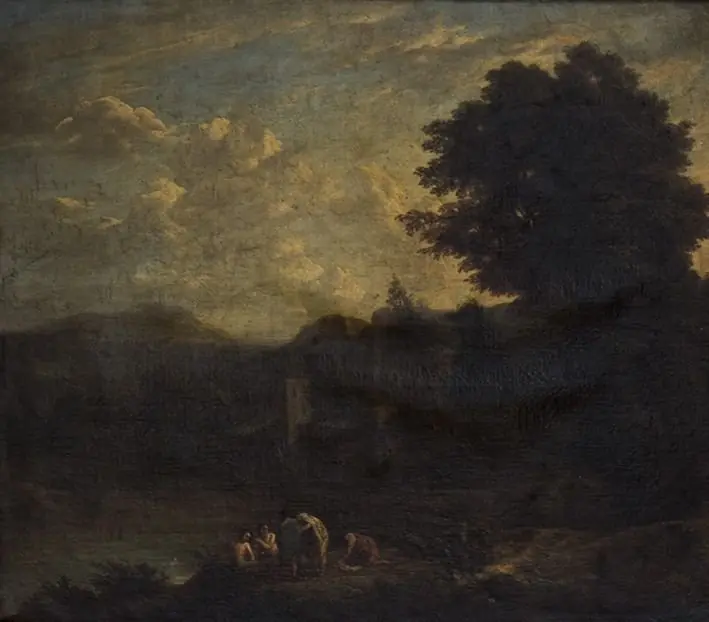
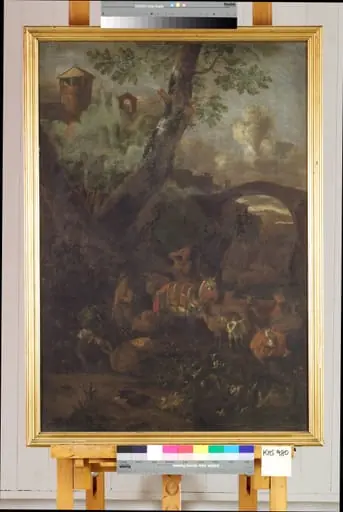
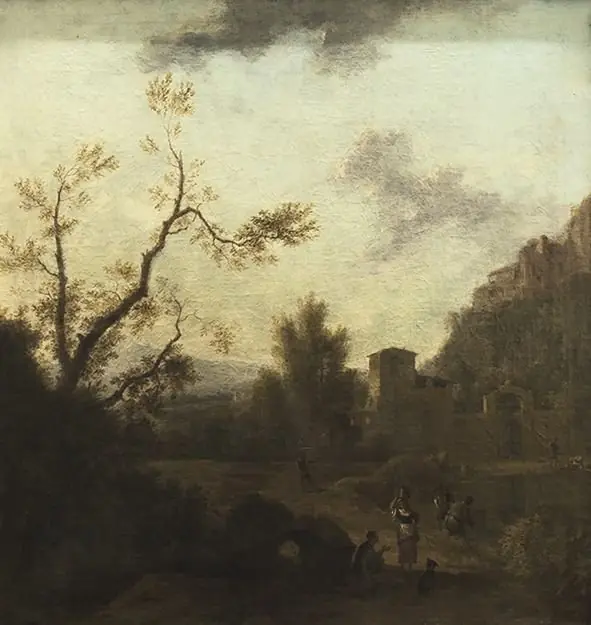
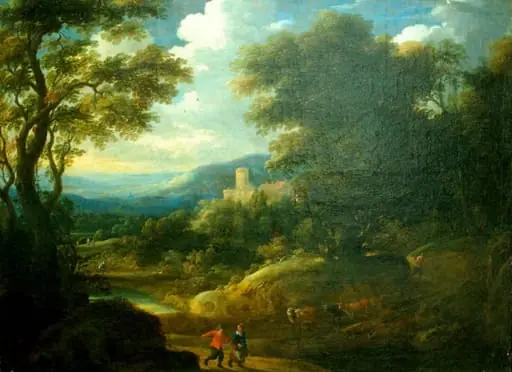
Peisaj cu figuri is an unspecified painting by the Byzantine icon painting artist Unknown. It dates from 1850 and is held in the collection of the National Museum of Art of Romania. This work presents a rural landscape populated by indistinct human and animal figures, rendered with subdued tones of brown and gray.
About this work
Overview
This work presents a rural landscape populated by indistinct human and animal figures, rendered with subdued tones of brown and gray.
This work presents a rural landscape populated by indistinct human and animal figures, rendered with subdued tones of brown and gray. The composition emphasizes atmosphere over detail, with a cloudy sky and scattered trees framing the scene. The lack of sharp definition in the figures suggests an intentional focus on mood rather than narrative clarity, aligning with broader 19th-century tendencies to prioritize emotional resonance in natural settings.
Subject & Meaning
The figures and animals in the foreground appear integrated into the landscape rather than central to it, implying a quiet harmony between humans and nature. No specific event or story is evident; instead, the scene evokes contemplation, possibly reflecting a Romantic sensibility that values solitude and the sublime in everyday rural life. The ambiguity of the figures invites interpretation without prescribing a single meaning.
Technique & Style
The painting employs a muted palette and soft transitions between light and shadow, suggesting an awareness of chiaroscuro without dramatic contrast. Brushwork is loose, favoring tonal unity over precise delineation. The absence of vivid color and sharp outlines supports a contemplative tone, characteristic of certain Romantic landscapes that prioritize emotional atmosphere over topographical accuracy.
History & Provenance
No documented origin, artist, or ownership history is available for this work. Its undated creation and lack of signature or inscription limit contextual placement. It may be the product of a lesser-known regional artist or an academic exercise, but without archival evidence, its provenance remains unresolved.
Context
The work aligns with 19th-century European trends that idealized rural life through atmospheric landscapes, particularly in regions influenced by Romanticism. Similar approaches appear in the works of artists who sought to convey quiet dignity in peasant life or the emotional weight of nature, often avoiding overt sentimentality in favor of restrained expression.
Legacy
Though not widely recognized or reproduced, the painting contributes to a broader visual language of quiet rural scenes that persisted beyond the peak of Romanticism. Its restrained style reflects a continuity in landscape painting where emotional nuance, rather than spectacle, defined artistic intent, influencing later realist and impressionist approaches to nature.
Artist & collection