Artwork
Portrait of Amalia van Solms -Braunfels (1602-1675)
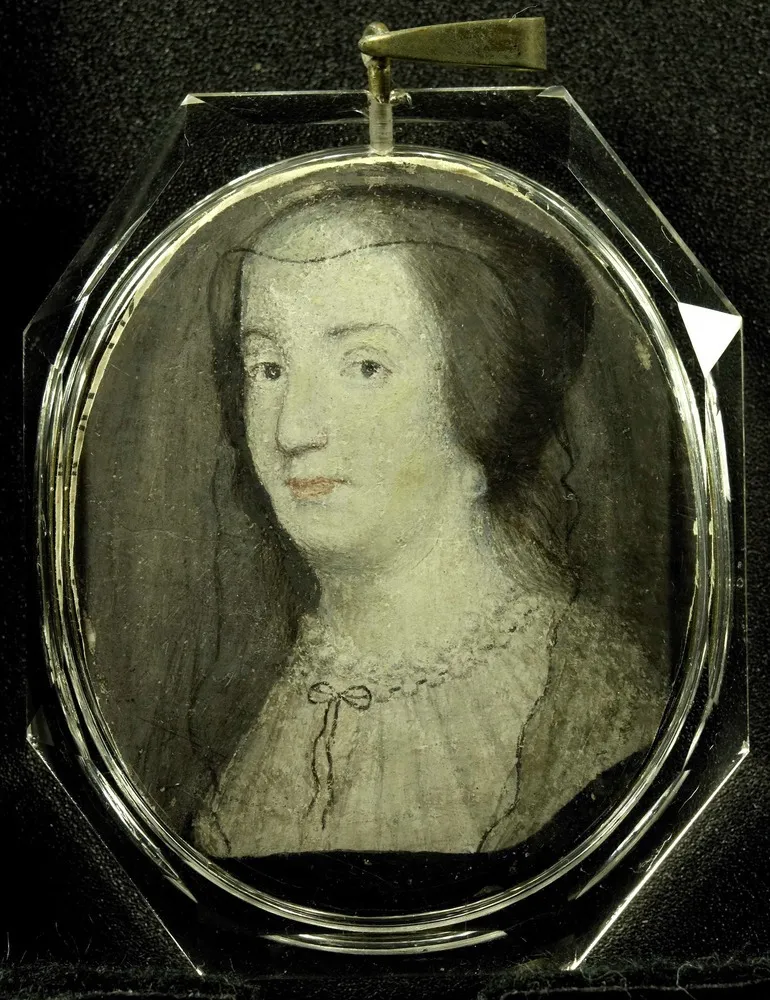
Portrait of Amalia van Solms -Braunfels (1602-1675) is an unspecified painting by the Dutch Golden Age artist Unknown. It dates from 1674 and is held in the collection of the Rijksmuseum. The work is a circular portrait executed on cardboard, depicting Amalia van Solms‑Braunfels (1602‑1675).
About this work
Subject & Meaning
The painting shows Amalia van Solms-Braunfels, a Dutch noblewoman born 1602 and died 1675, depicted in a miniature portrait.
The painting shows Amalia van Solms-Braunfels, a Dutch noblewoman born 1602 and died 1675, depicted in a miniature portrait. It is rendered on cardboard and classified as a portrait genre work. The subject’s status as a member of the House of Orange-Nassau is emphasized through traditional iconography of noble attire, signifying her aristocratic lineage and political connections within the Dutch Republic.
The small dimensions of 4.7 cm by 3.8 cm underscore its function as a personal, intimate likeness rather than a public statement. The work’s presence in the Rijksmuseum collection situates it within the institutional narrative of Dutch Golden Age portraiture, highlighting the role of women in shaping cultural memory.
Technique & Style
Executed in 1674, this anonymous miniature portrait utilizes cardboard as its support. The work measures 4.7 cm in height and 3.8 cm in width, reflecting its intimate scale and classification within the miniature genre. Created in Holland, the painting embodies the formal qualities of small-scale portraiture, emphasizing precise, delicate handling necessitated by the modest dimensions and the cardboard medium.
History & Provenance
This anonymous portrait of Amalia van Solms-Braunfels was created in 1674 in Holland. The work is executed on cardboard and classified as a miniature painting. It currently forms part of the collection at the Rijksmuseum, where it is held today.
No specific details regarding the original commission or intermediate ownership history prior to its museum acquisition are provided in the available records.
Context
The portrait of Amalia van Solms-Braunfels, painted in 1674 on cardboard, depicts the Dutch princess and Electress of Brandenburg, reflecting the political stature of women in the House of Orange-Nassau. As a miniature portrait classified within the genre of portraiture, it exemplifies the use of unconventional supports such as cardboard in 17th-century Dutch art, a material choice noted in contemporary records. Its inclusion in the Rijksmuseum collection underscores scholarly attention to overlooked dimensions of Dutch portraiture, particularly the representation of elite women beyond formal dynastic imagery.
Overview
The work is a circular portrait executed on cardboard, depicting Amalia van Solms‑Braunfels (1602‑1675). Rendered in a restrained palette, the figure is set against a dark background that isolates her white, high‑necked dress and emphasizes the delicate modeling of her face. The composition conveys a calm, introspective mood, with the sitter’s gaze directed downward and her lips gently ajar.
Artist & collection









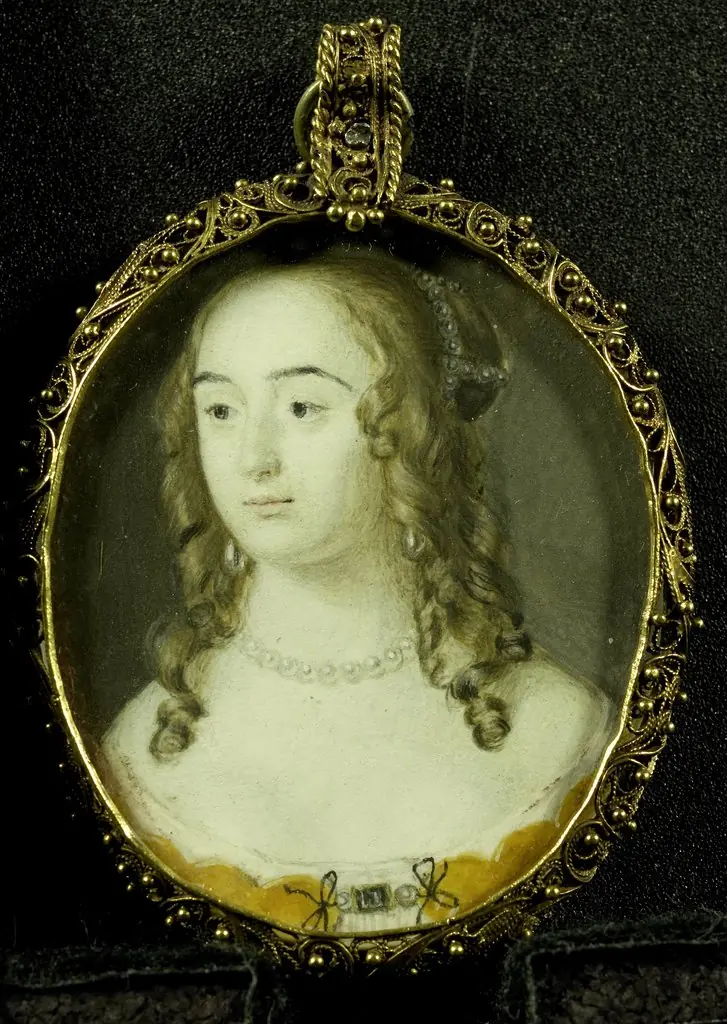 Henriette Marie (1626–51) of Paltz, daughter of Frederick V, King of Bohemia, nicknamed the 'Winter King'.
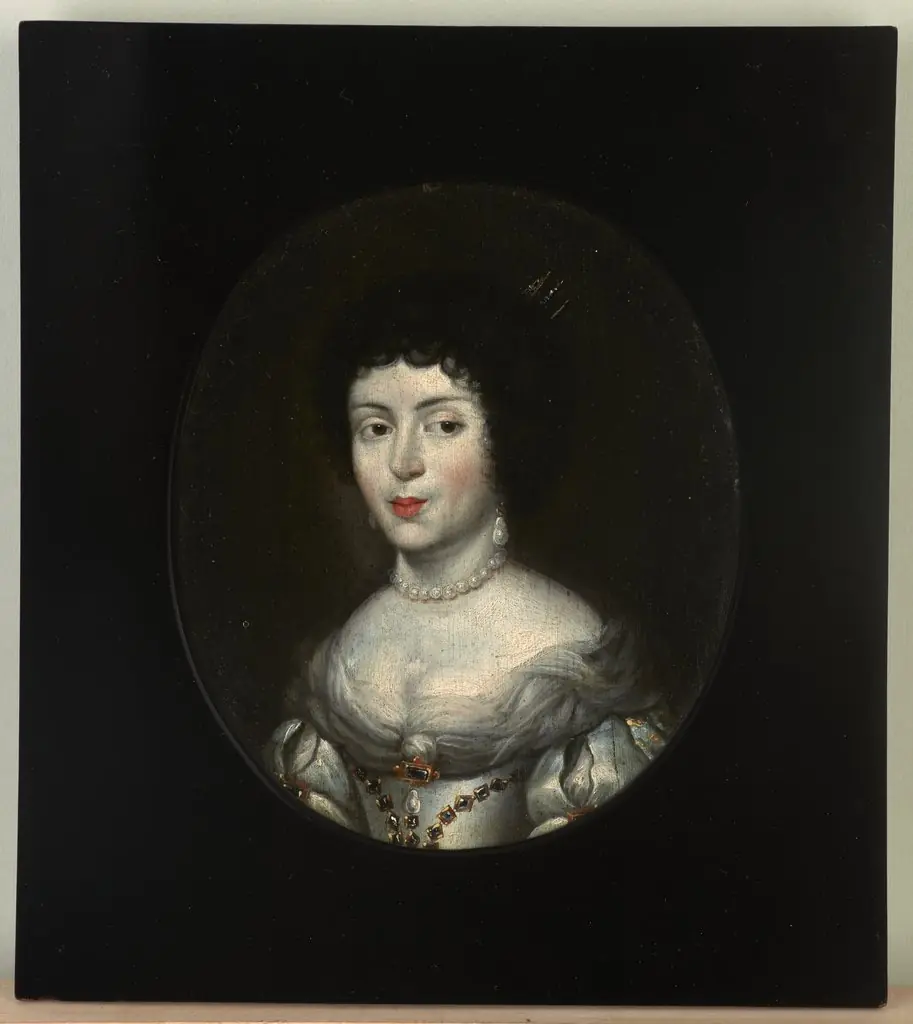 Portret Marii Kazimiery de la Grange d'Arquien Sobieskiej, zwanej Marysieńką (1641-1716), królowej Polski, żony Jana III Sobieskiego
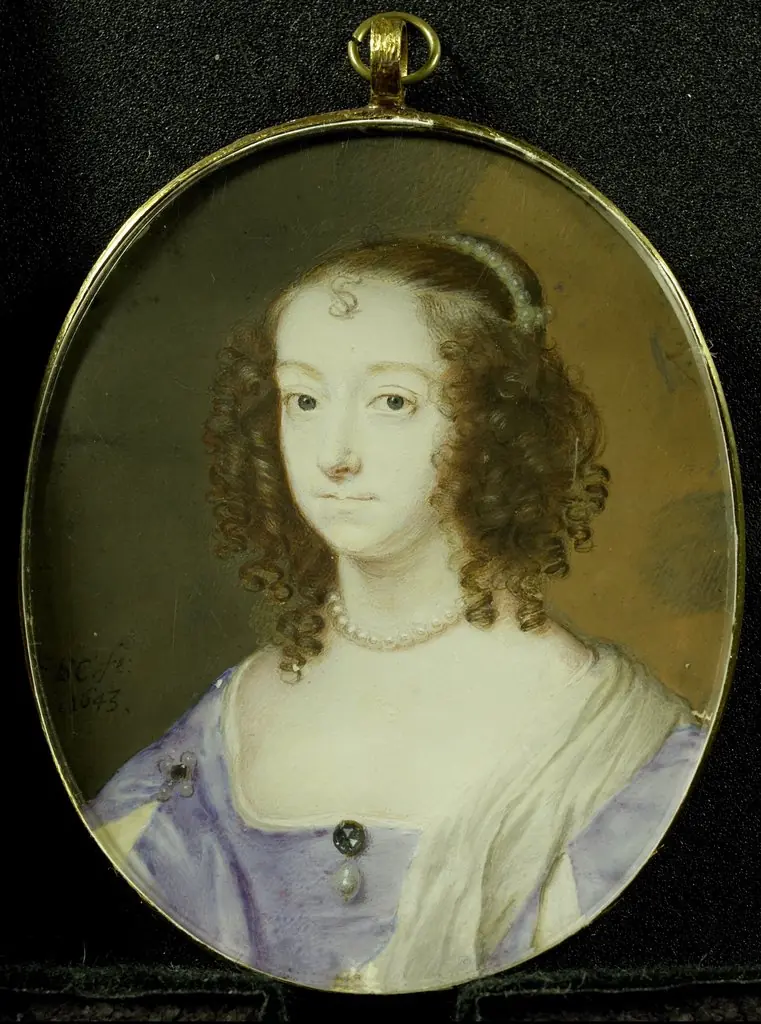 Portret van een vrouw
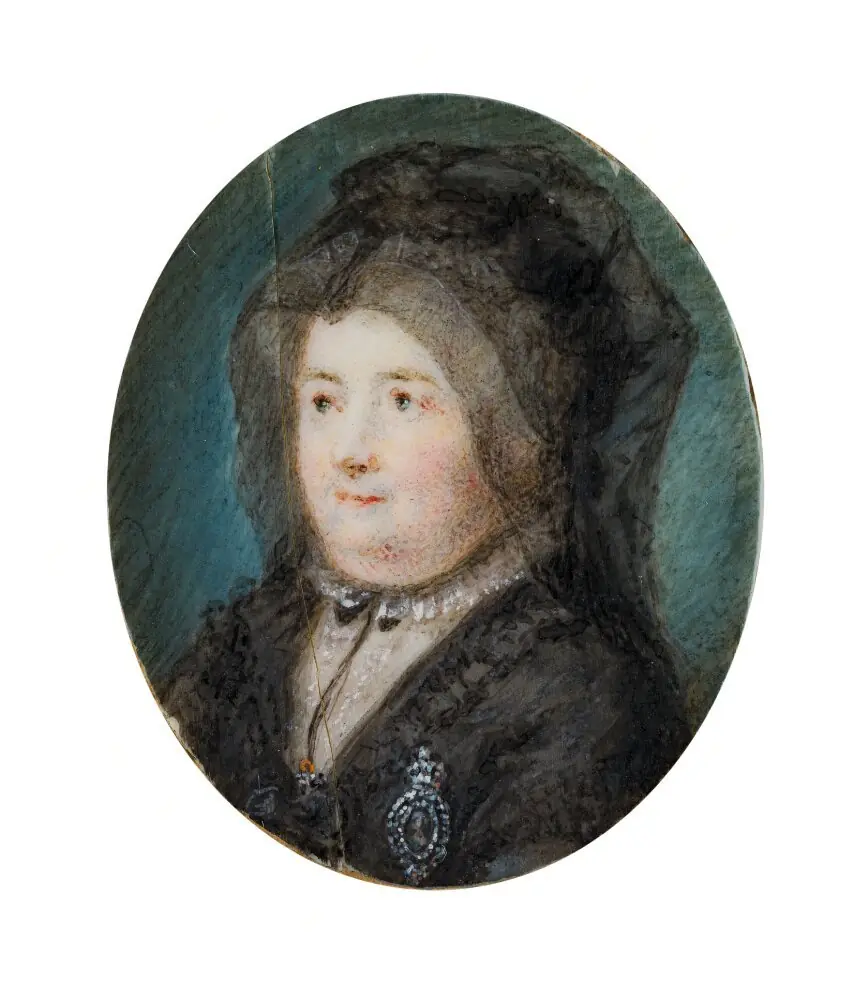 Charlotta Fredrika Sparre (1719-1795), g von Fersen, överhovmästarinna
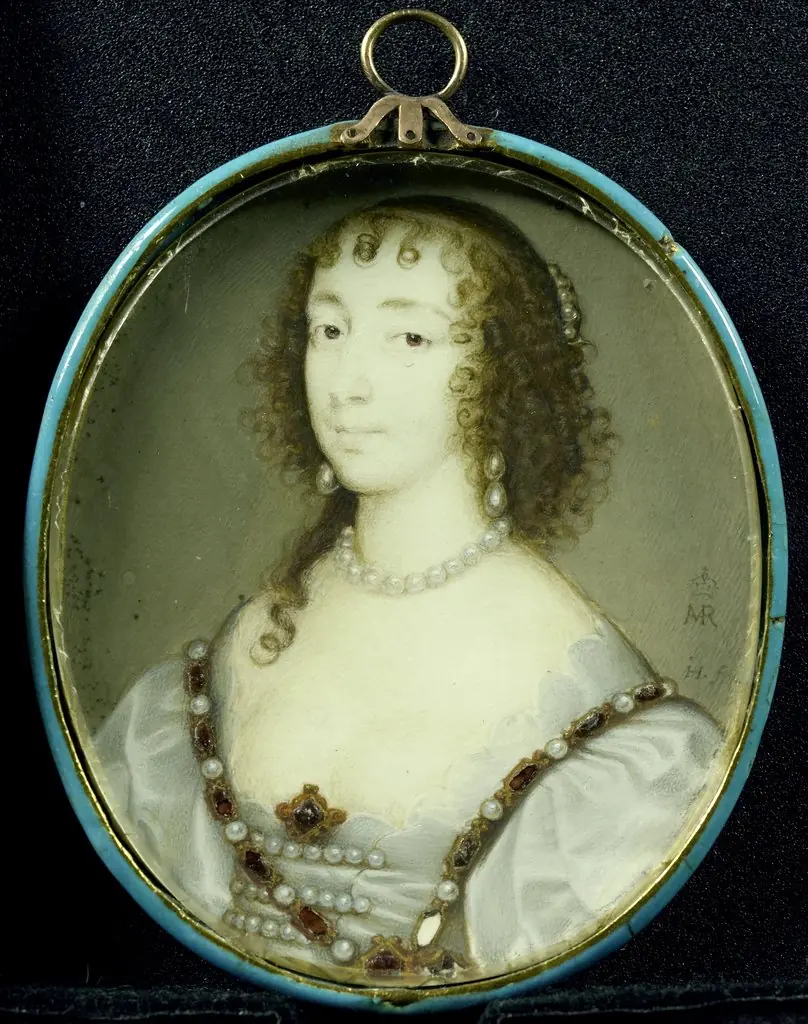 Portrait of Henriëtte Maria of France (1609-1669), wife of Charles I of England
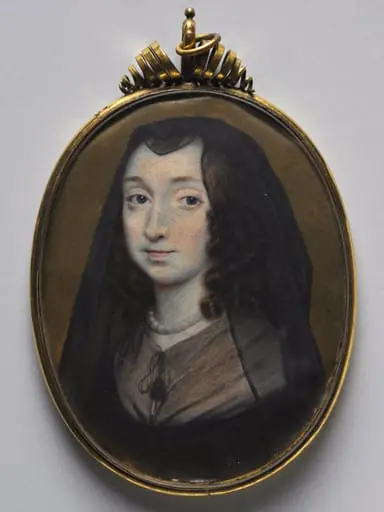 Portrait of Elizabeth Morrison, Lady Capell of Hadham
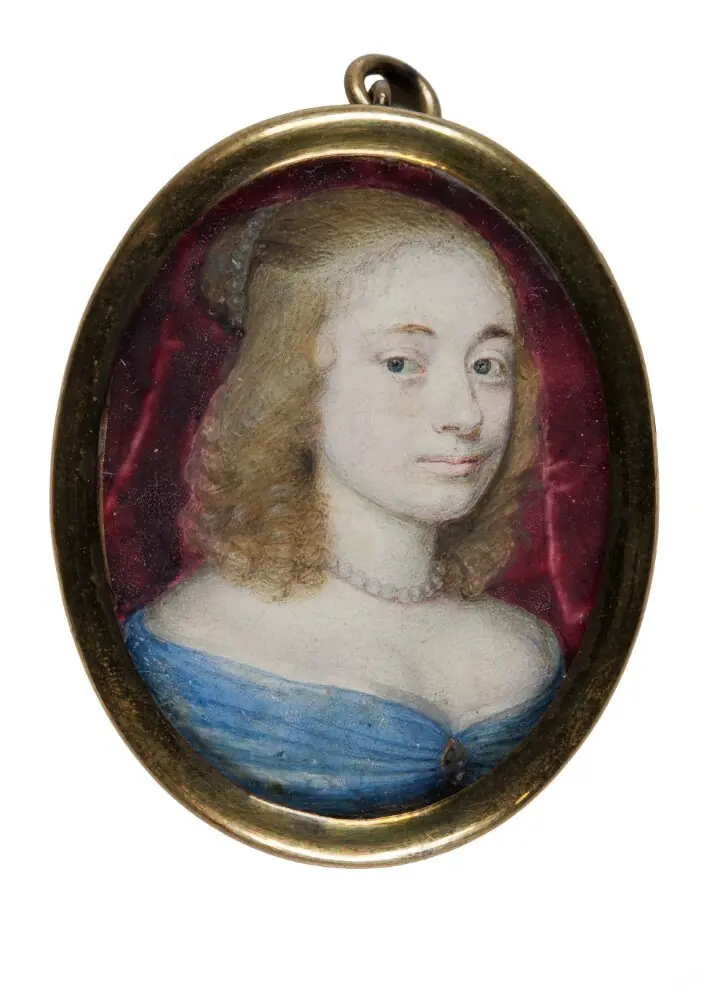 Unknown woman
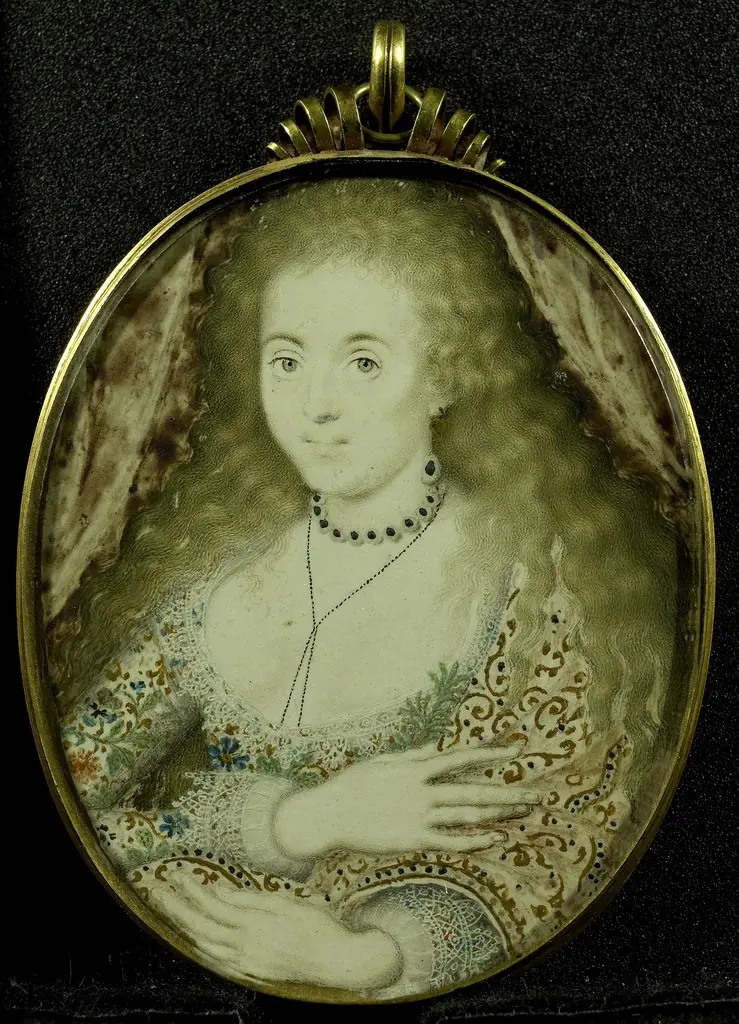 Arabella Stuart
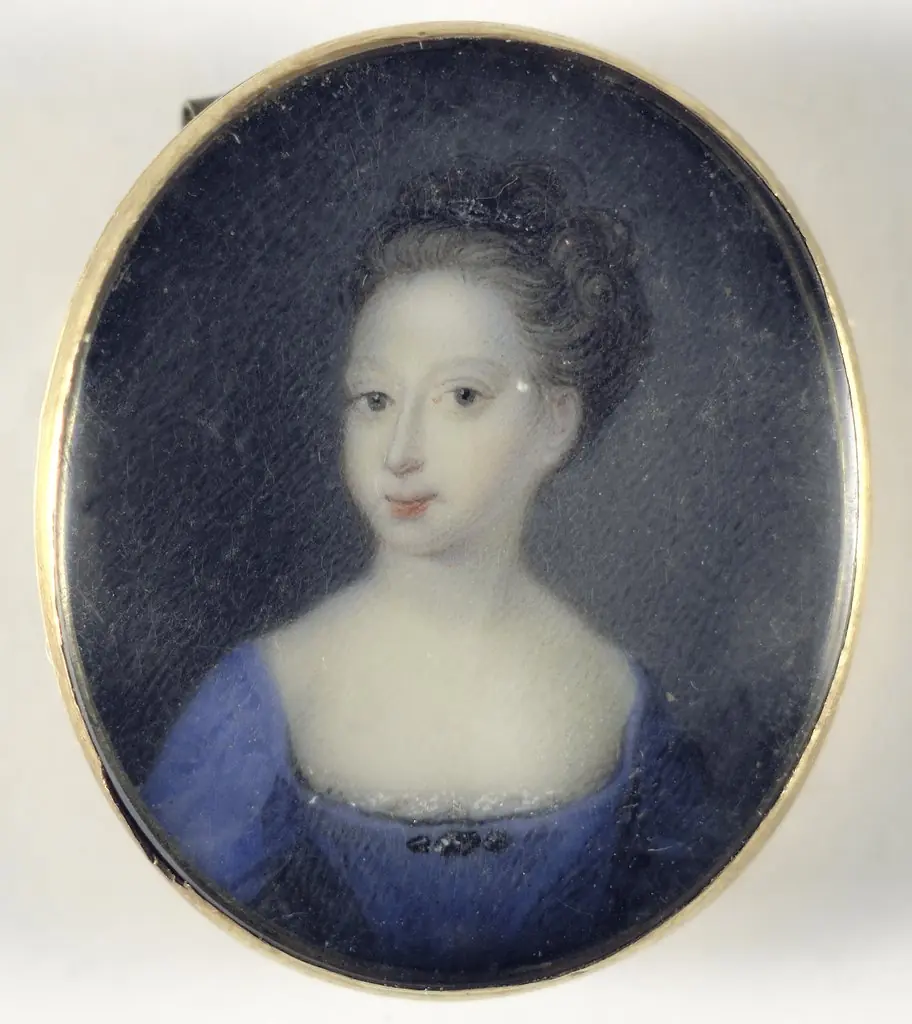 Portret van een meisje, vermoedelijk een dochter van George II, koning van Engeland
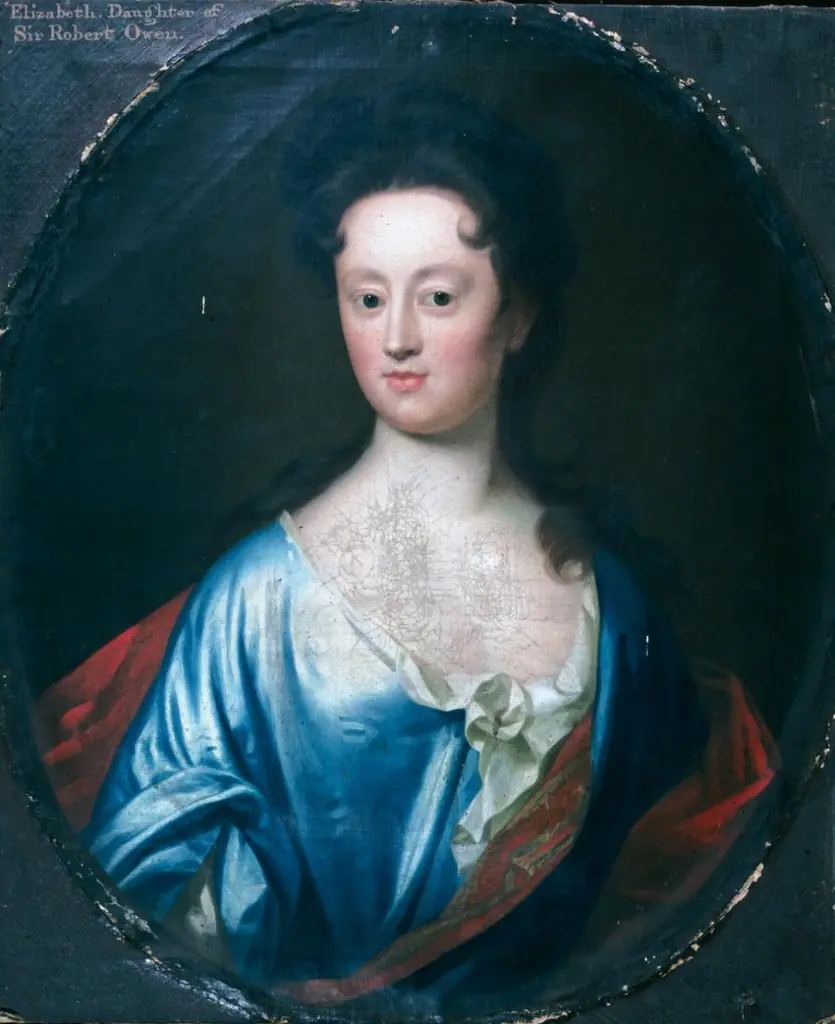 Elizabeth, daughter of Sir Robert Owen