Artwork
Portrait of Antoninus Tassias (1584–1651)
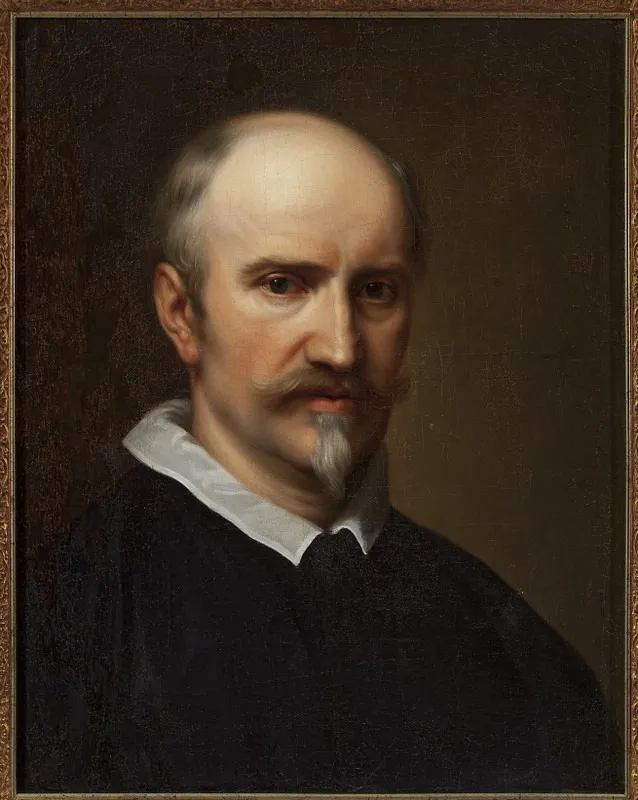
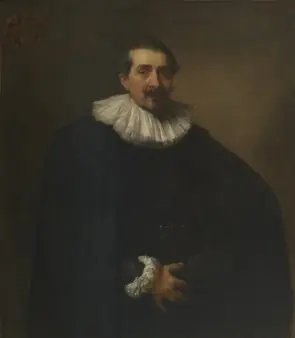
Portrait of Antoninus Tassias (1584–1651) is an oil painting by Unknown. It is held in the collection of the National Museum in Warsaw. This oil painting depicts Antoninus Tassias, a man born in 1584 and active through the mid-seventeenth century.
About this work
Overview
This oil painting depicts Antoninus Tassias, a man born in 1584 and active through the mid-seventeenth century. Rendered with visible brushwork and a muted palette, the portrait emphasizes the sitter’s presence through contrast against a dark background. The composition focuses tightly on the upper body and face, eliminating extraneous detail to concentrate on the subject’s demeanor and attire.
Subject & Meaning
The plain dark shirt and crisp white collar imply modest status rather than aristocratic wealth, possibly reflecting civic or professional identity.
Antoninus Tassias is portrayed with a composed, direct gaze that invites quiet engagement. His receding hairline and neatly trimmed mustache suggest middle age and personal dignity. The plain dark shirt and crisp white collar imply modest status rather than aristocratic wealth, possibly reflecting civic or professional identity. The serious expression conveys solemnity, typical of portraiture from this era that valued restraint over flamboyance.
Technique & Style
The artist employed oil paint with deliberate, tactile brushstrokes that define texture in the fabric and skin. The dark background isolates the figure, enhancing three-dimensionality through subtle shifts in light across the face and collar. No decorative elements distract from the sitter; the style is restrained, prioritizing realism over ornamentation, characteristic of Northern European portraiture in the early 1600s.
History & Provenance
The painting’s early ownership is undocumented, but its style and subject align with mid-seventeenth-century Flemish or Dutch civic portraiture. It has been preserved in private collections before entering institutional care. No records indicate commission by a guild or public body, suggesting it was likely painted for familial or personal reasons, reflecting the sitter’s individual standing.
Context
During the 1600s, portraiture in the Low Countries flourished among the merchant and professional classes. Unlike courtly portraits, these works emphasized character and modesty. Tassias’s depiction fits this trend, his attire and posture reflect the values of diligence and quiet authority common among urban elites who commissioned such images to affirm their social identity.
Legacy
The painting survives as a quiet example of everyday portraiture from a period rich in individual representation. It contributes to the broader understanding of how non-noble subjects were visually articulated in early modern Europe. Its preservation offers insight into the aesthetics and social norms of a class often underrepresented in grander artistic narratives.
Artist & collection









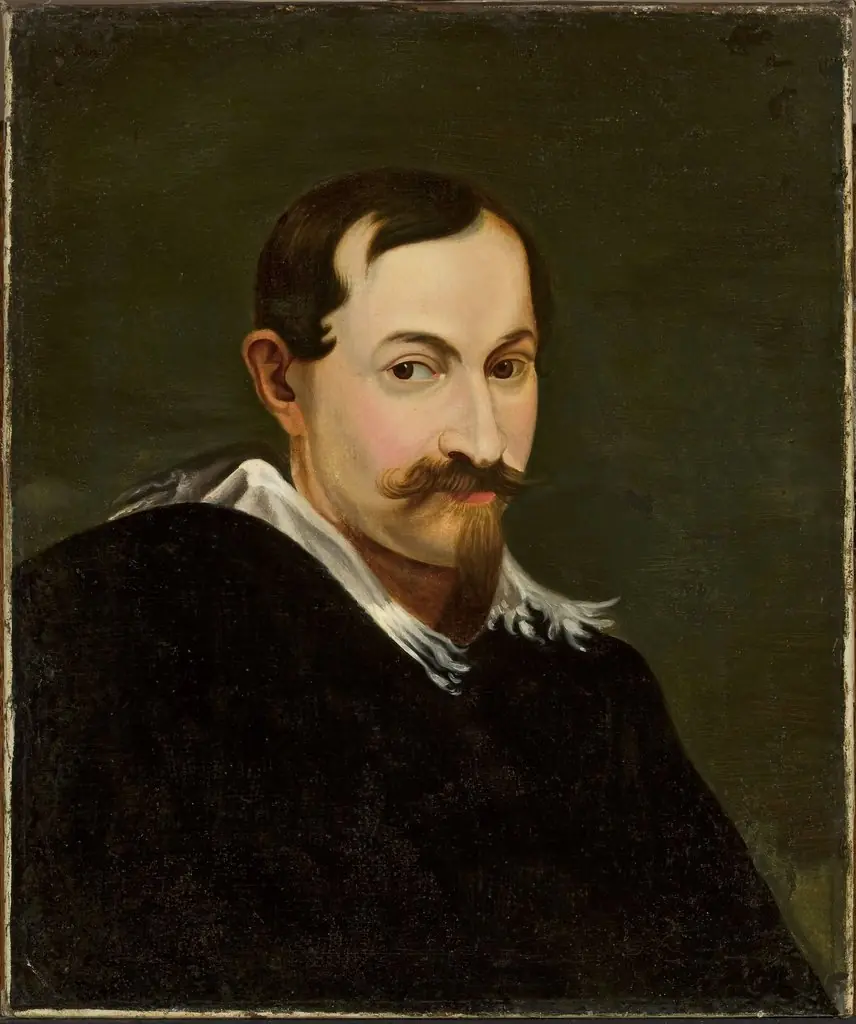
- Portrait of Jan Wildens (1585/86–1653), painter
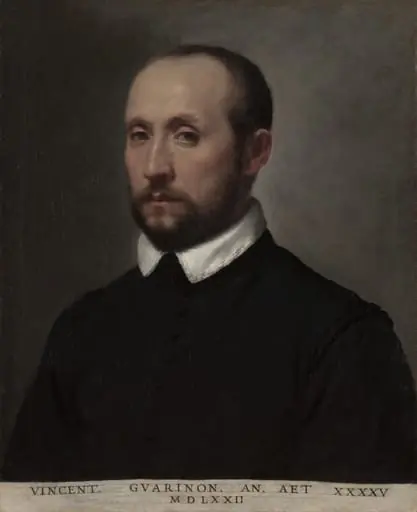 Portrait of Vincenzo Guarignoni
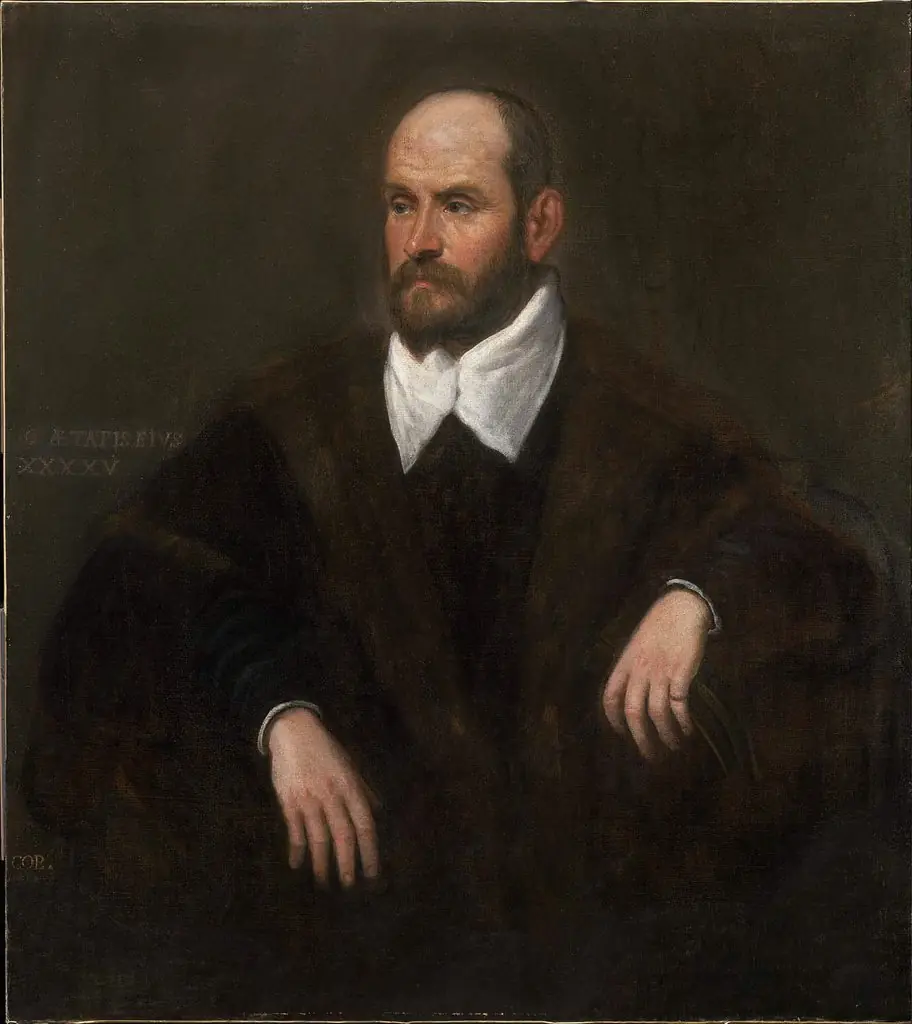 Portrait of a Man
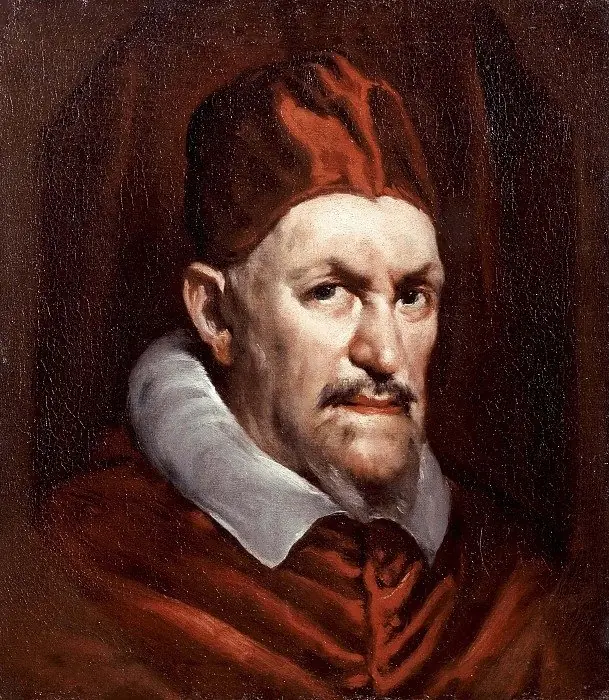 Portrait of Pope Innocent X
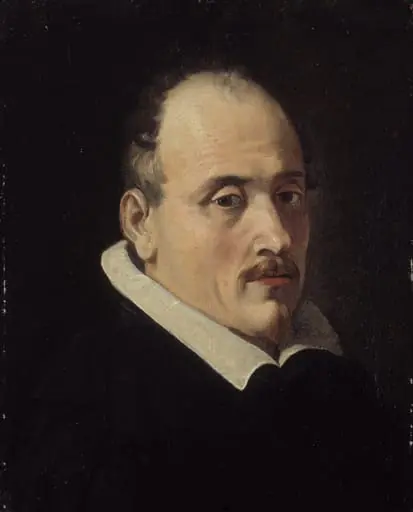 Miehen muotokuva
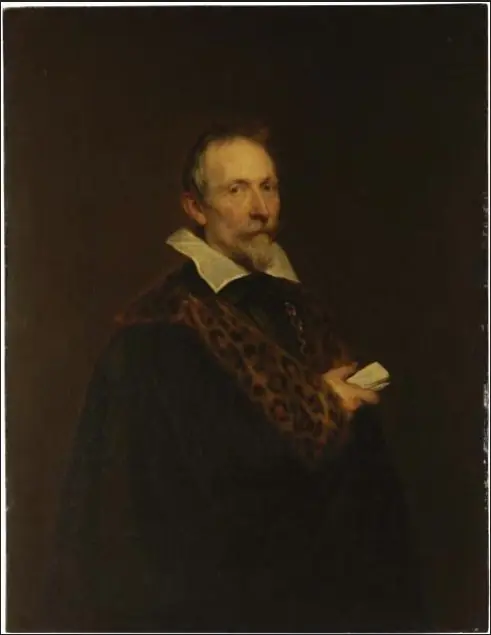 Portrait of Jan van den Wouwer
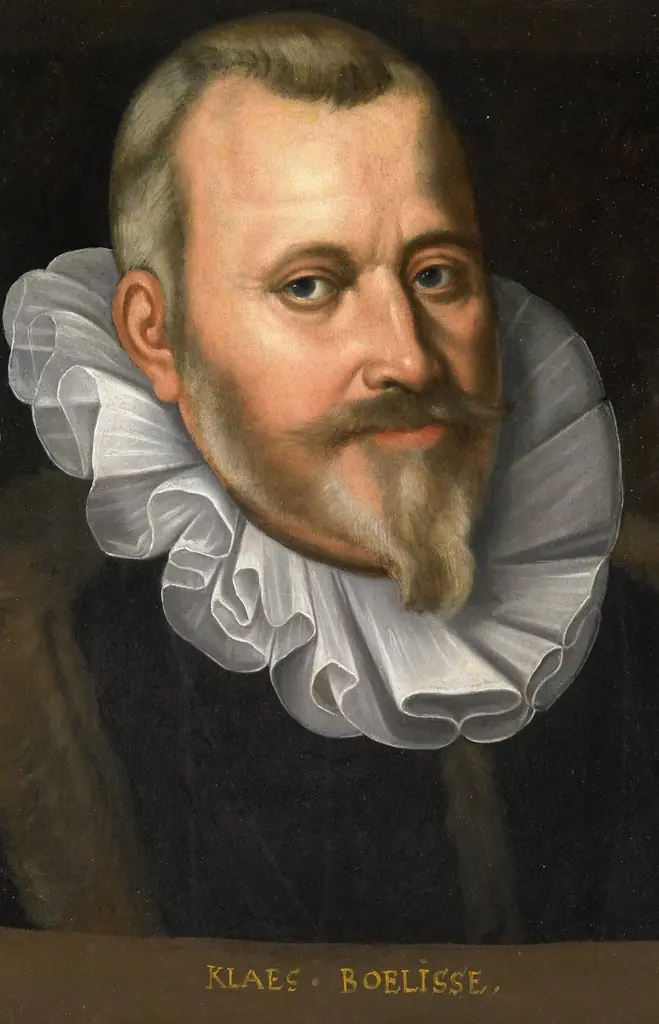 Portrait of Claes Allertsz Boelens (1550-1615)
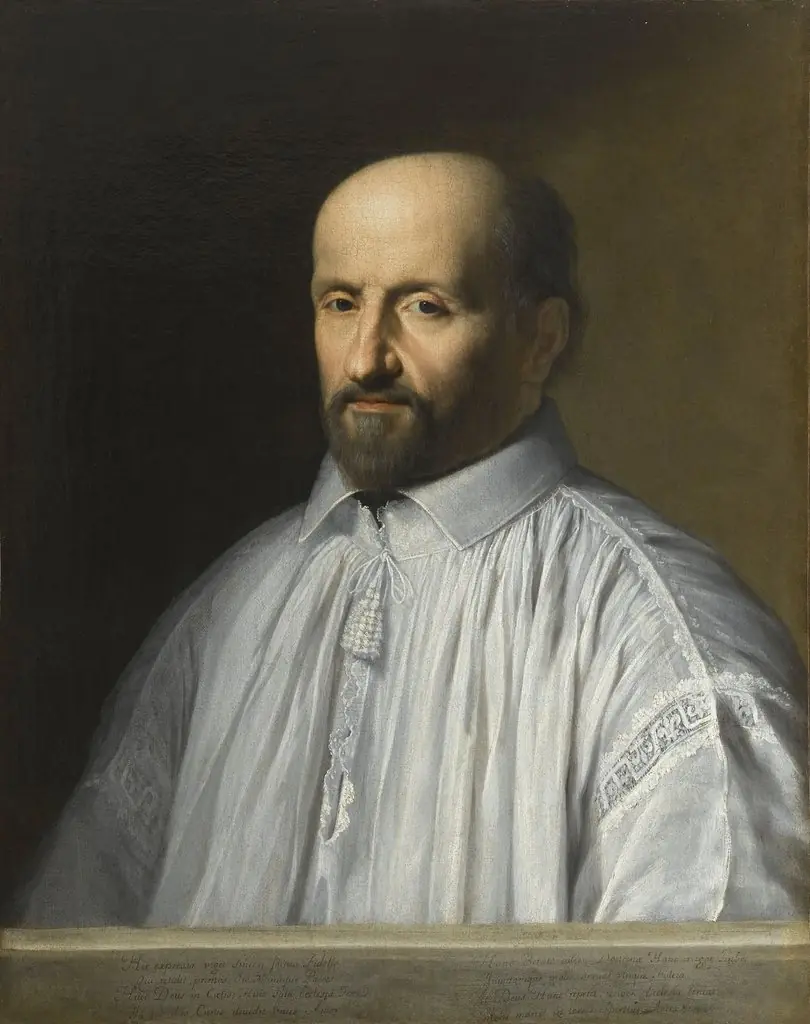 Jean Duvergier de Hauranne (1581-1643), abbot of Saint-Cyran
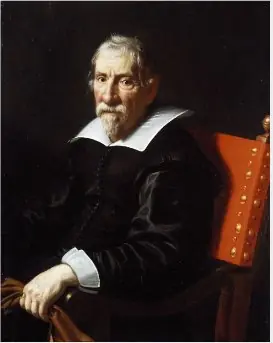 Portrait of an Elderly Man
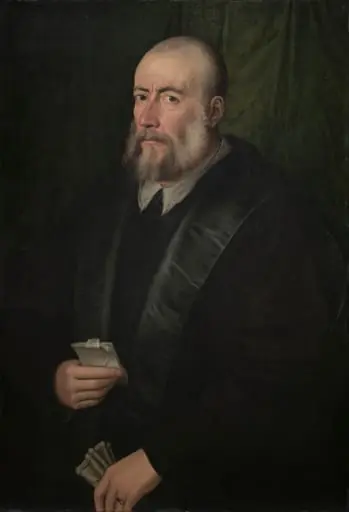 Portrait of an Old Man
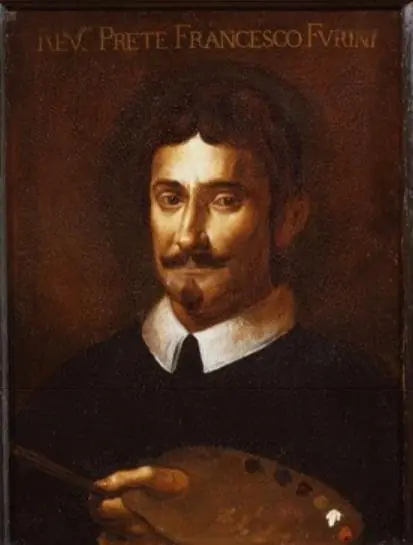 Self-portrait holding a palette
 Portrait of Alexandre della Faille (1589-1653)