Artwork
Portrait of Cecilia Renata of Austria with a tulip
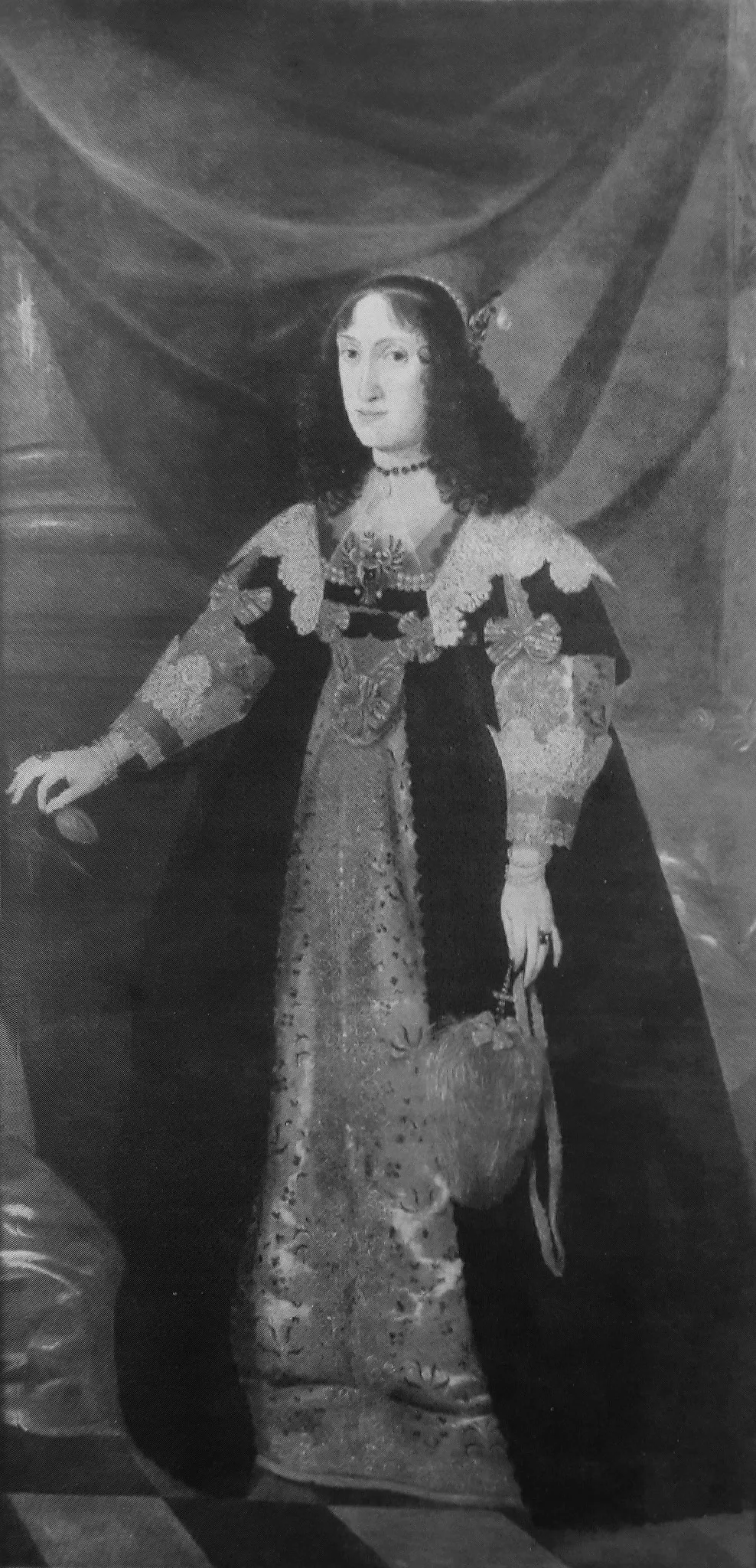
Portrait of Cecilia Renata of Austria with a tulip is an oil painting by the Flemish Baroque painting artist Unknown. It dates from 1640 and is held in the collection of the Bavarian State Painting Collections. This oil painting depicts Cecilia Renata of Austria, a Habsburg archduchess, in a formal yet intimate pose.
About this work
Subject & Meaning
The painting shows Cecilia Renata of Austria holding a tulip, a flower associated with Habsburg court culture and the transmission of refined taste.
The painting shows Cecilia Renata of Austria holding a tulip, a flower associated with Habsburg court culture and the transmission of refined taste. The tulip functions as a symbol of status and the cultivated world of the Austrian court in the mid‑17th century, emphasizing her aristocratic identity and the political alliances embodied in her portrait. By placing a rare tulip beside her, the artist underscores both the subject's elite lineage and the broader cultural exchange between the Habsburgs and emerging botanical fashions of the period.
Technique & Style
The work is executed in oil paint on canvas, a standard support for seventeenth-century formal portraiture. Its tall, narrow format is documented at 209 cm in height by 104 cm in width, a vertical proportion consistent with a full-length standing portrait rather than a half-length composition.
Stylistically, the painting belongs to the genre of court portraiture, presenting its sitter, Cecilia Renata of Austria, in a manner typical of mid-seventeenth-century Habsburg representation. The inclusion of a single tulip as an attribute introduces a symbolic element into the otherwise conventional portrait format, a device frequently employed to convey personal meaning or dynastic allusion.
No source addresses the painting's handling, brushwork, surface condition, or attribution to a specific artist, so those aspects are not described here.
History & Provenance
The portrait of Cecilia Renata of Austria holding a tulip was produced in 1640, executed in oil paint on canvas. It depicts the queen consort of Poland, who had married Władysław IV Vasa the previous year, and the inclusion of the tulip is thought to allude to her Habsburg origins and marriage alliance.
The painting is held by the Bavarian State Painting Collections and is on view at the Alte Pinakothek in Munich, where it remains part of the museum's holdings. Its dimensions, recorded as 209 cm in height and 104 cm in width, are consistent with a full-length state portrait of the period.
No further details regarding the original commission, early ownership, or subsequent provenance transfers are documented in the available sources.
The Portrait of Cecilia Renata of Austria with a tulip is held by the Bavarian State Painting Collections. Within this institution, the work resides at the Alte Pinakothek in Munich. The provided sources do not list a specific inventory or accession number for the painting. Furthermore, the available documentation contains no information regarding the artwork's exhibition history.
Overview
This oil painting depicts Cecilia Renata of Austria, a Habsburg archduchess, in a formal yet intimate pose. The composition isolates her figure against a deep, unbroken background, emphasizing her presence through controlled lighting and restrained detail. A single tulip, the only colored element, introduces subtle symbolic contrast. The work exemplifies early 17th-century court portraiture, where dignity and quiet refinement take precedence over ornamental excess.
Context
In early 17th-century Central Europe, portraiture served both identity and diplomacy. Women of noble rank were often depicted with symbolic objects, flowers, books, or textiles, that conveyed cultural affiliations. The tulip, recently introduced from the Ottoman Empire and prized in aristocratic gardens, carried connotations of rarity and refinement, aligning the sitter with broader European elite tastes.
Legacy
The portrait stands as a quiet example of how Habsburg women navigated public image through understated symbolism. Unlike grand state portraits, this work prioritizes personal presence over political statement. Its preservation offers insight into the private aesthetics of royal women in a period dominated by dynastic spectacle, revealing a preference for subtlety over spectacle.
Artist & collection









 Bildnis einer Hofdame
 Bildnis einer Fürstin
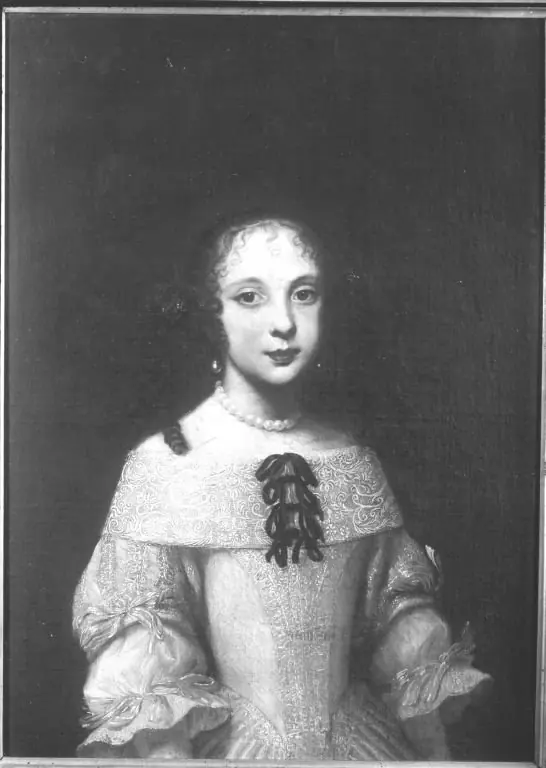 Bildnis einer Prinzessin
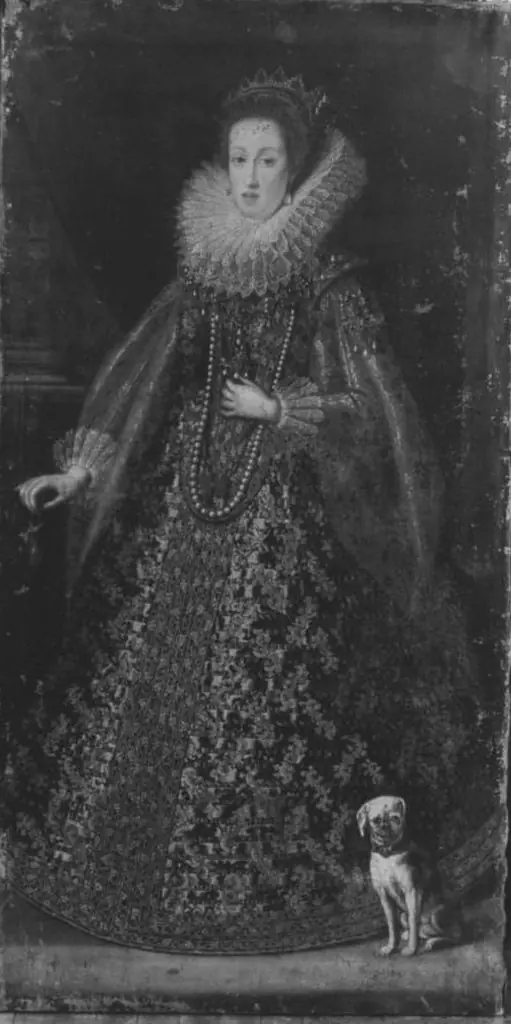 Bildnis der Erzherzogin Maria Anna von Österreich
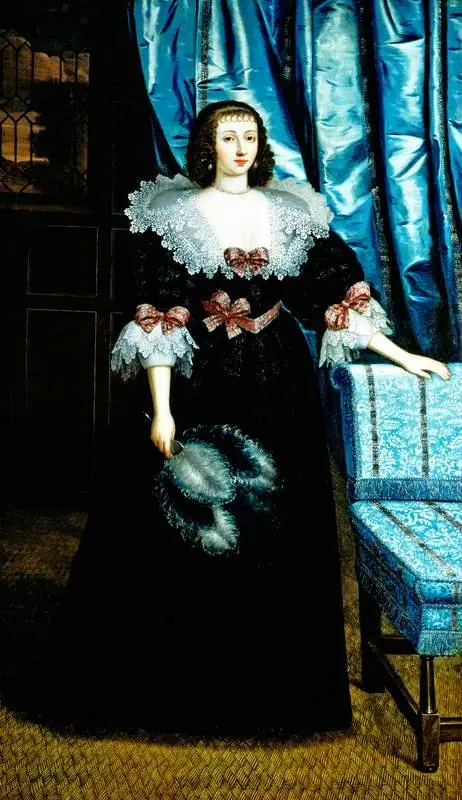 Portrait of a Lady
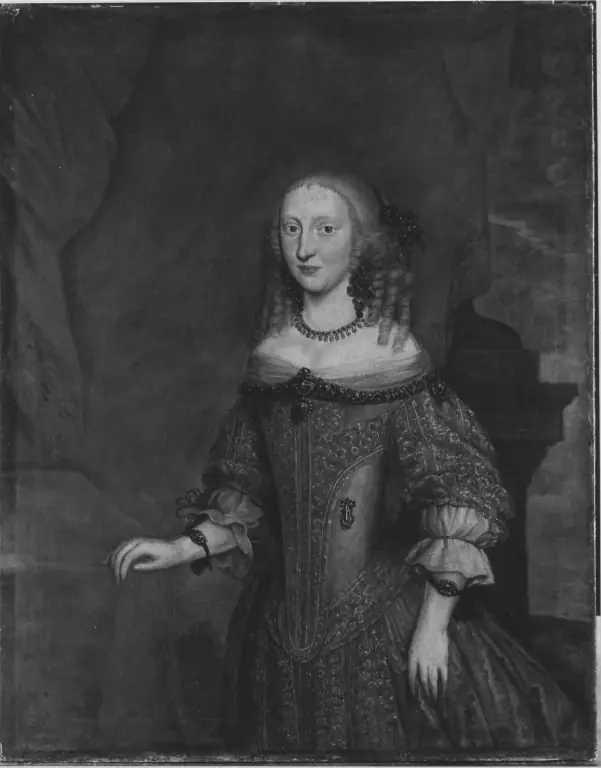 Bildnis der Landgräfin Elisabeth Amalie von Hessen, Gemahlin des Kurfürsten Philipp Wilhelm von Pfalz-Neuburg (1635-1709) (?)
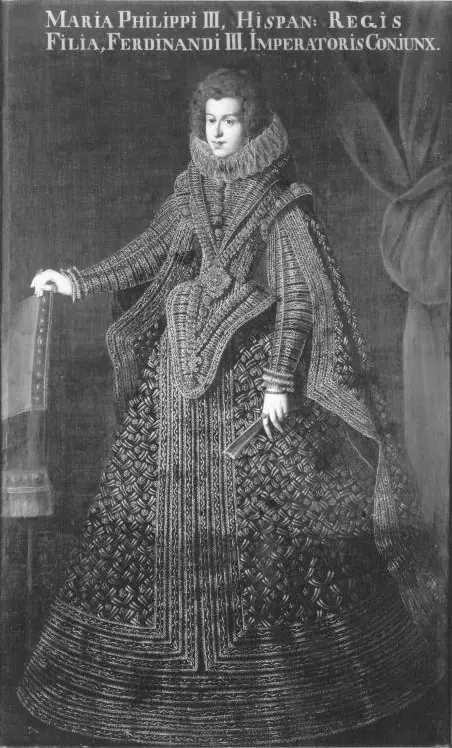 Infantin Maria von Spanien (?)
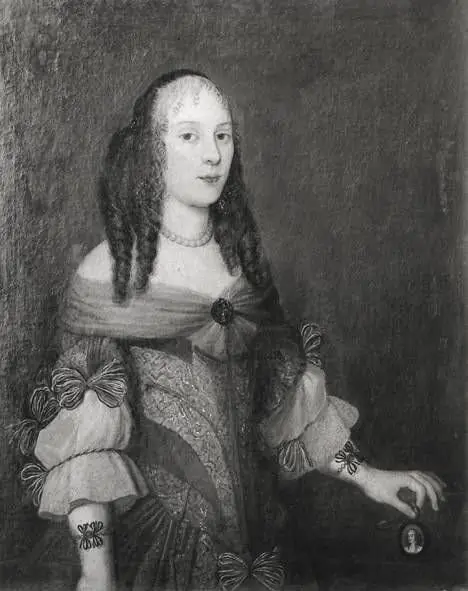 Unbekannte Dame
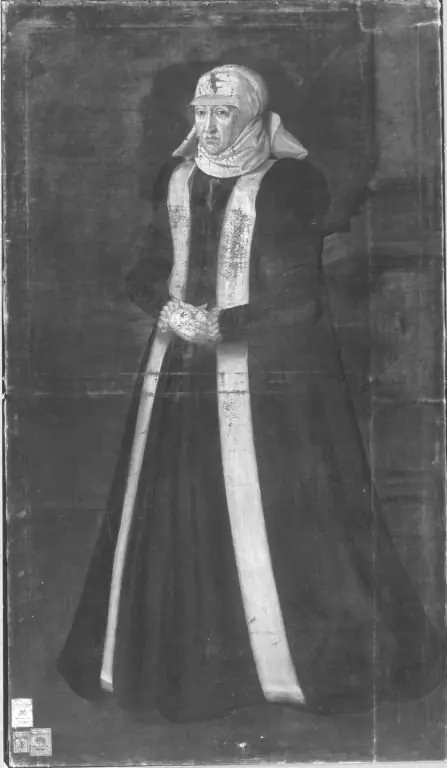 Alte Dame
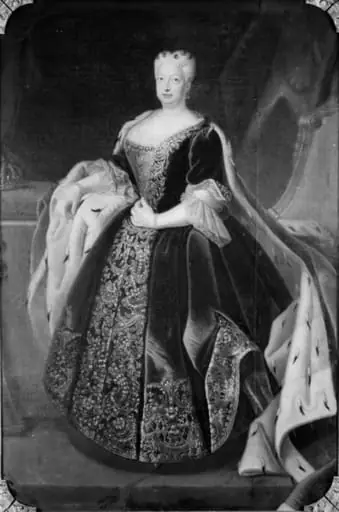 Portrait of Sophie Dorothea of Prussia
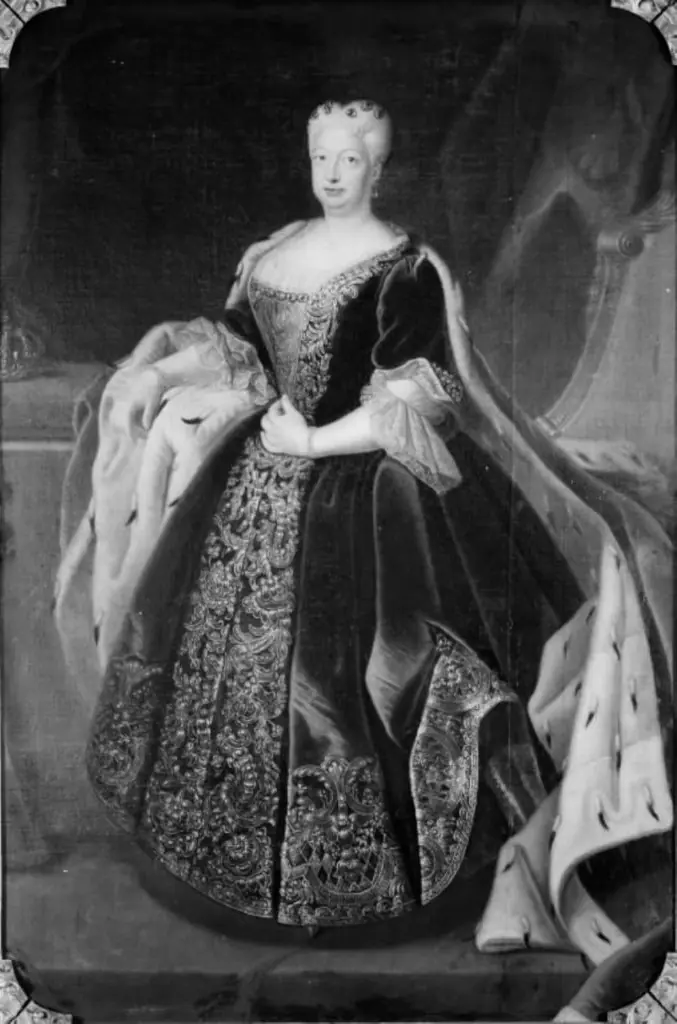 Portrait of Sophie Dorothea of Prussia
- Portrait of Eleanor Maria Josepha of Austria.