Artwork
Portrait of emperor Charles V (1500-1558)
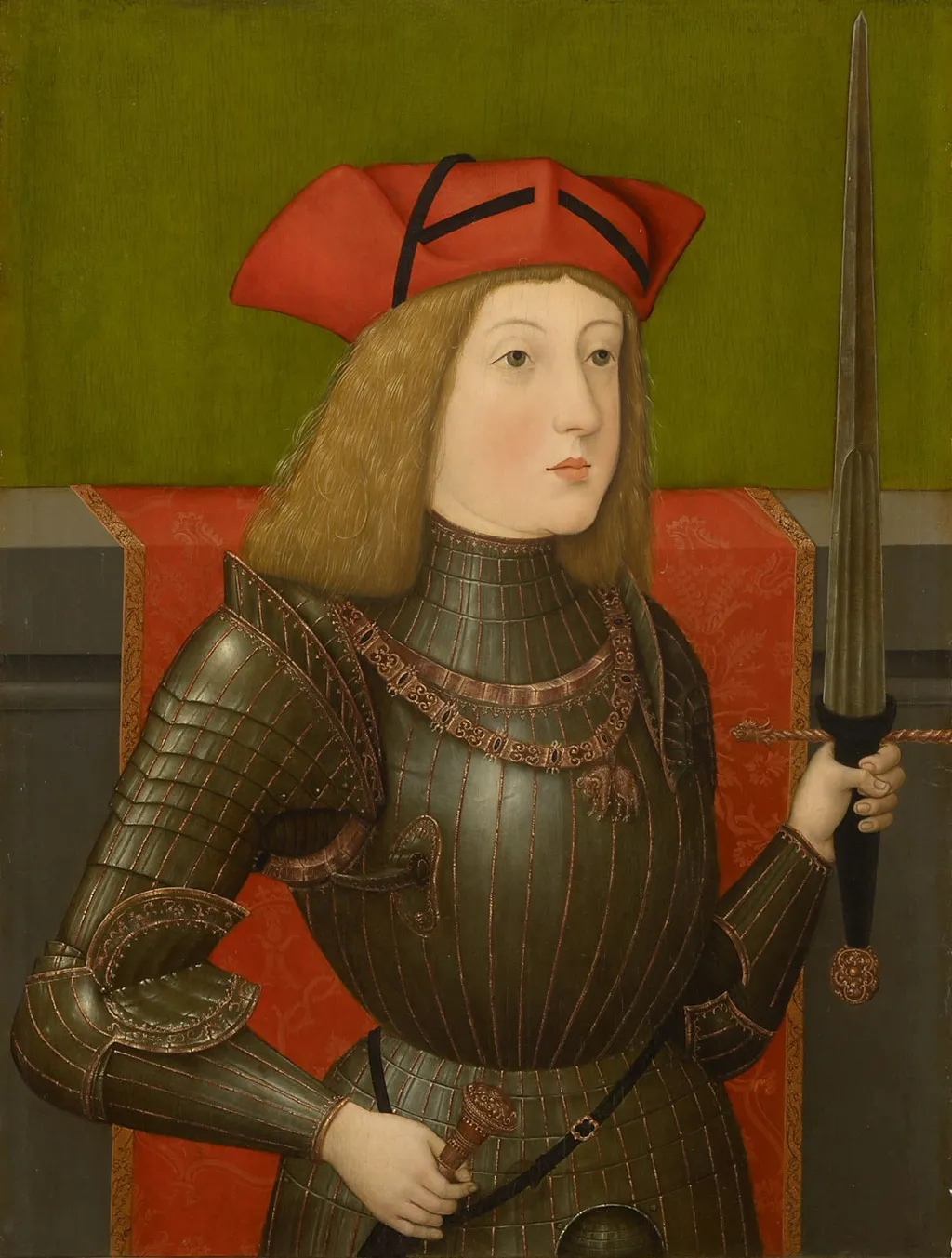
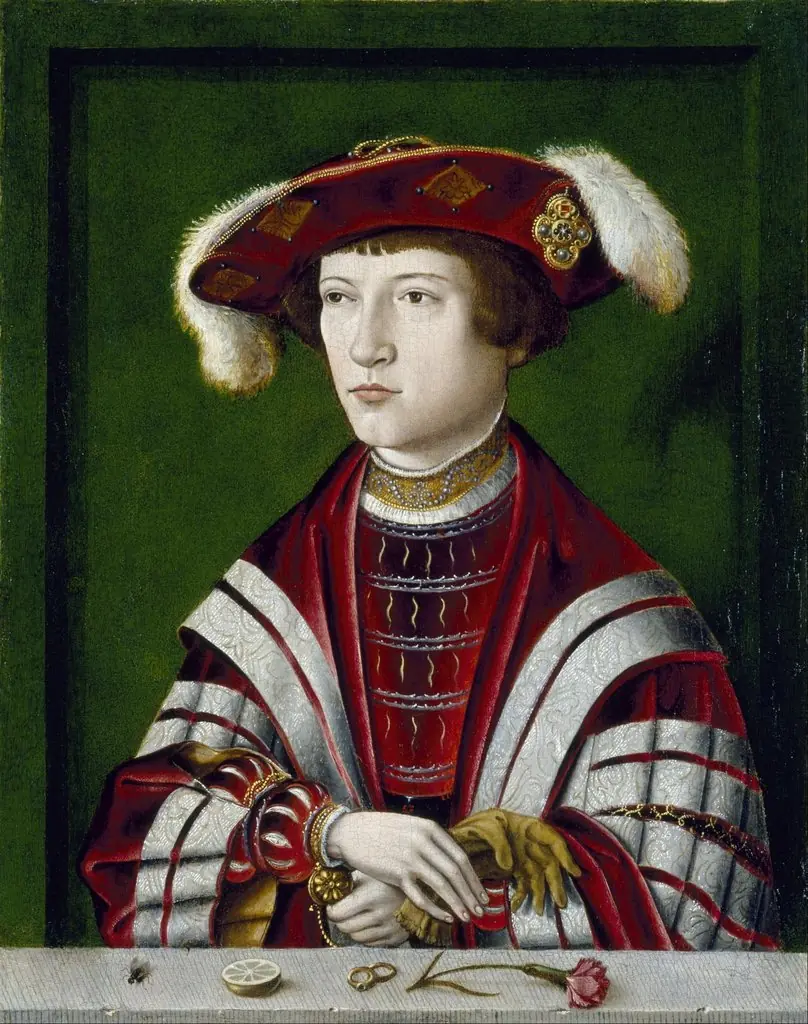
Portrait of emperor Charles V (1500-1558) is an oil painting by the High Renaissance artist Unknown. It dates from 1515 and is held in the collection of the Kunsthistorisches Museum. This oil painting depicts Emperor Charles V, ruler of the Holy Roman Empire from 1519 to 1556, in formal attire.
About this work
Subject & Meaning
The painting is a portrait of Charles V, the Holy Roman Emperor who reigned from 1500 to 1558, and depicts him as its sole subject.
The painting is a portrait of Charles V, the Holy Roman Emperor who reigned from 1500 to 1558, and depicts him as its sole subject. Created in 1515, when Charles was fifteen years old, the work belongs to the genre of portraiture and presents him as a Habsburg ruler during the early years before his imperial coronation. The portrait is held in the Kunsthistorisches Museum, where it is associated with the collection of Schloss Ambras in Innsbruck, a site historically tied to Habsburg dynastic memory and the commemoration of the family's rulers.
As a representation of Charles V, the painting functions both as a likeness of the young monarch and as an image reinforcing Habsburg authority and dynastic identity, situating the sitter within the visual tradition of imperial portraiture that emphasized lineage, legitimacy, and the majesty of the ruling house.
The medium of oil on panel and the half-length format typical of early sixteenth-century Habsburg portraiture further frame Charles as a sovereign figure, presenting him with the dignity appropriate to his future role as emperor.
Technique & Style
The Portrait of Emperor Charles V is executed in oil paint on a wooden panel, a support typical of early sixteenth-century Central European portraiture. The work is classified as a painting and falls within the portrait genre.
The panel measures 59.8 cm in height by 42.2 cm in width, a modest, intimate format suited to a personal likeness of the Habsburg ruler. The medium of oil on panel allowed for the fine detail and careful modeling associated with court portraiture of the period.
No information on the specific handling, stylistic qualities, or current condition of the work is available in the provided sources.
History & Provenance
The painting is recorded in the Kunsthistorisches Museum in Vienna, where it remains in the Ambras collection assembled at Schloss Ambras Innsbruck. The work is attributed to a South German hand and dated to 1515, aligning with the early years of Charles V’s reign. Its small scale and refined rendering suggest it was created as a private court portrait rather than a large dynastic image, likely intended for circulation among close advisors or family members in the emperor’s immediate circle.
The painting attributed to a Southern German artist is held in the collection of the Kunsthistorisches Museum in Vienna. Within the museum's holdings, the work is located at Schloss Ambras in Innsbruck. Specific inventory or accession numbers for this piece are not provided in the available sources. The provided documentation does not list any exhibition history for this portrait.
Context
The portrait of Emperor Charles V painted in 1515 at Schloss Ambras Innsbruck was created by an artist associated with the German school, though attribution remains anonymous within scholarly discourse. The work, executed in oil on panel, entered the collection of the Kunsthistorisches Museum in Vienna, where it has been studied as a key example of early Northern Renaissance portraiture emphasizing imperial authority and Habsburg political symbolism. Its composition and technical execution have informed broader analyses of 16th-century court patronage and the visual strategies employed by Renaissance rulers to project power through artistic representation.
Overview
This oil painting depicts Emperor Charles V, ruler of the Holy Roman Empire from 1519 to 1556, in formal attire. The subject is seated, clad in elaborate armor, with a sword in hand, set against a simple green background.
Artist & collection









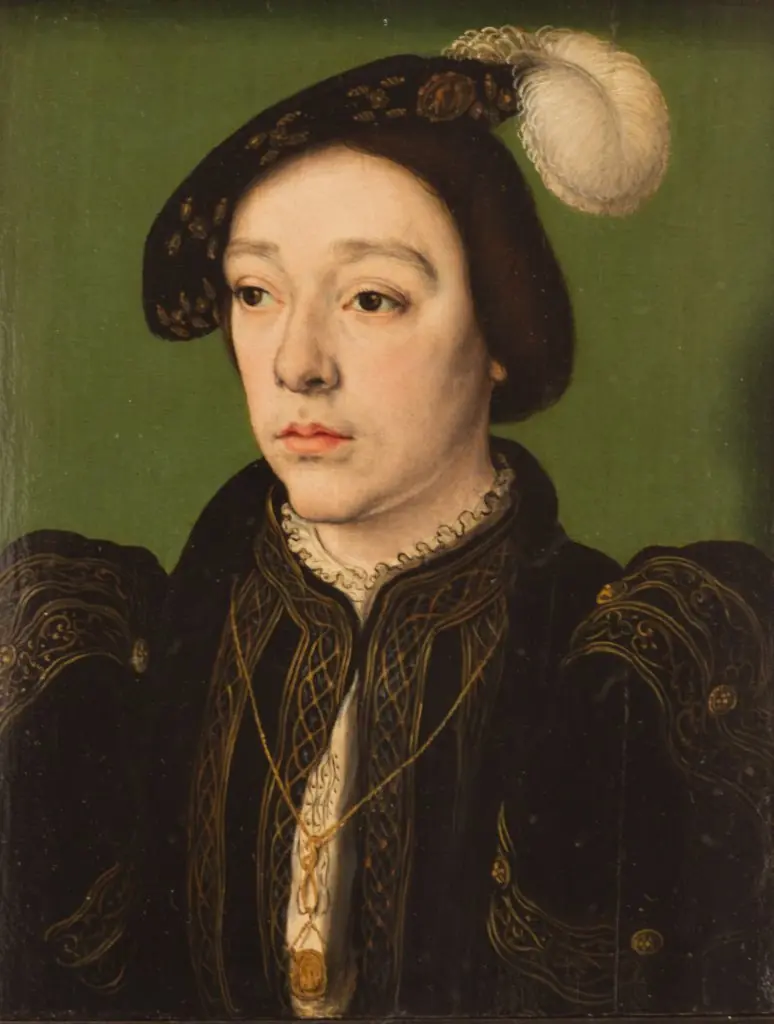 Portrait of Duke Charles of Angoulême
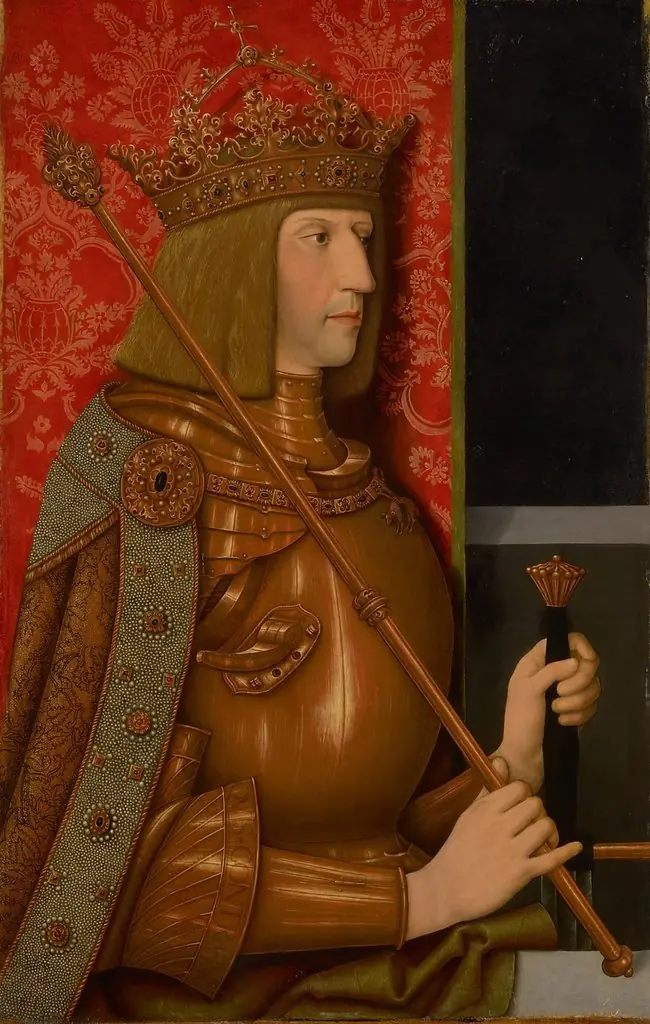 Portrait of Maximilian I, Holy Roman Emperor
 Portrait of a Nobleman
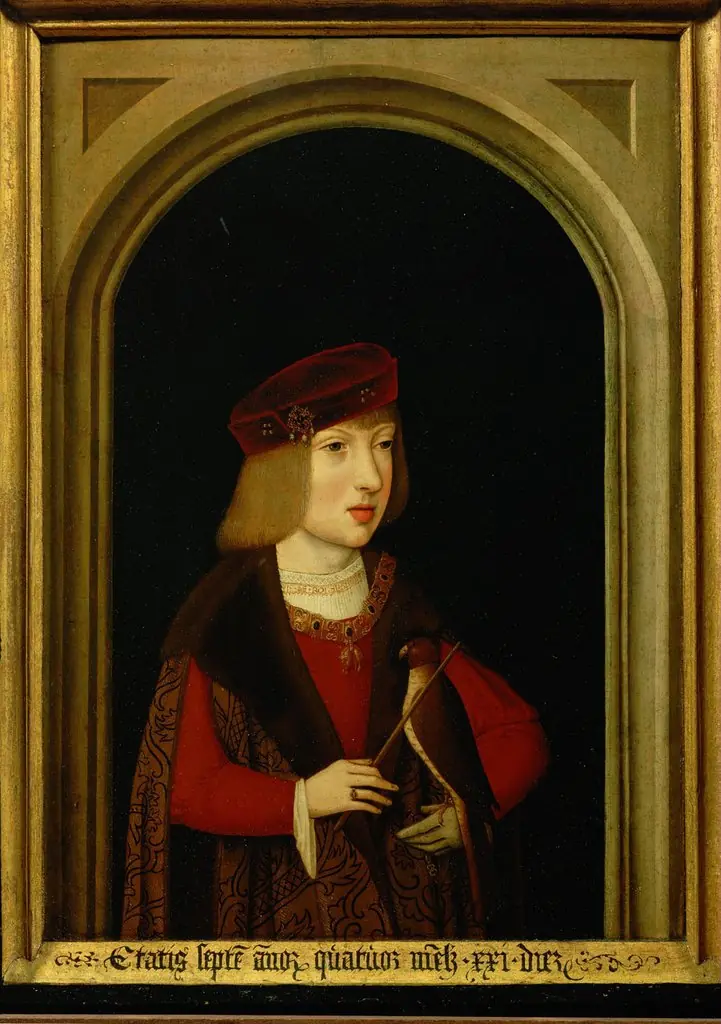 Porträt des Karl V. (1500-1558)
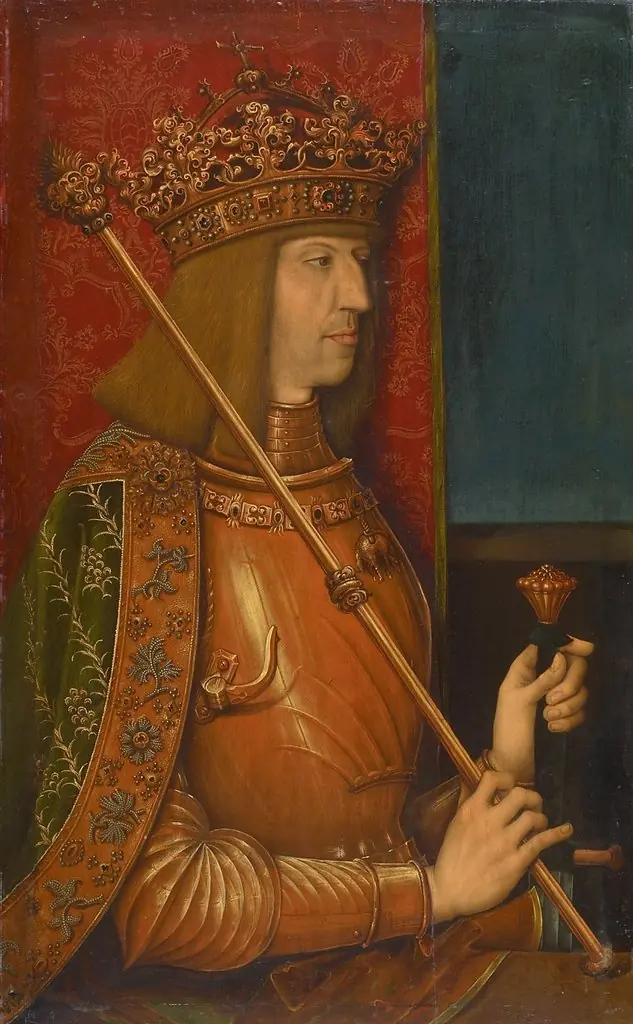 Portrait of Maximilian I, Holy Roman Emperor
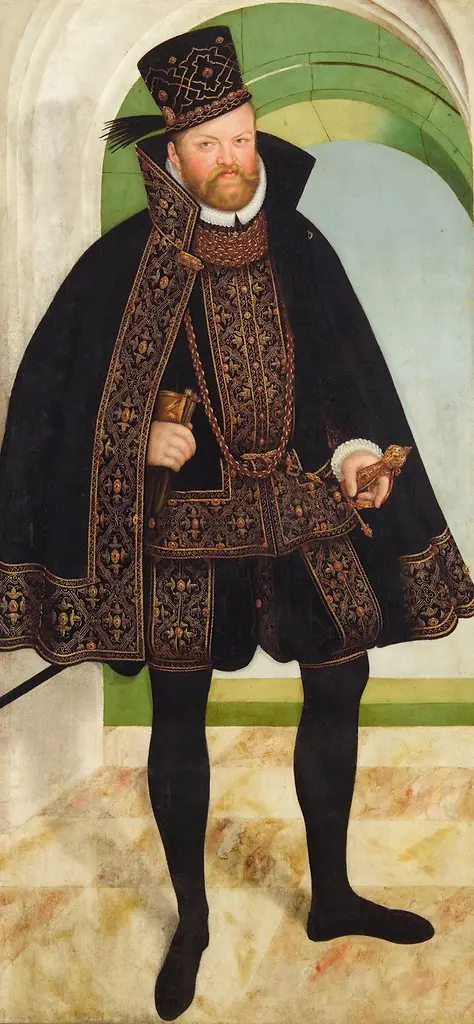 Augustus, Elector of Saxony (1526-1586)
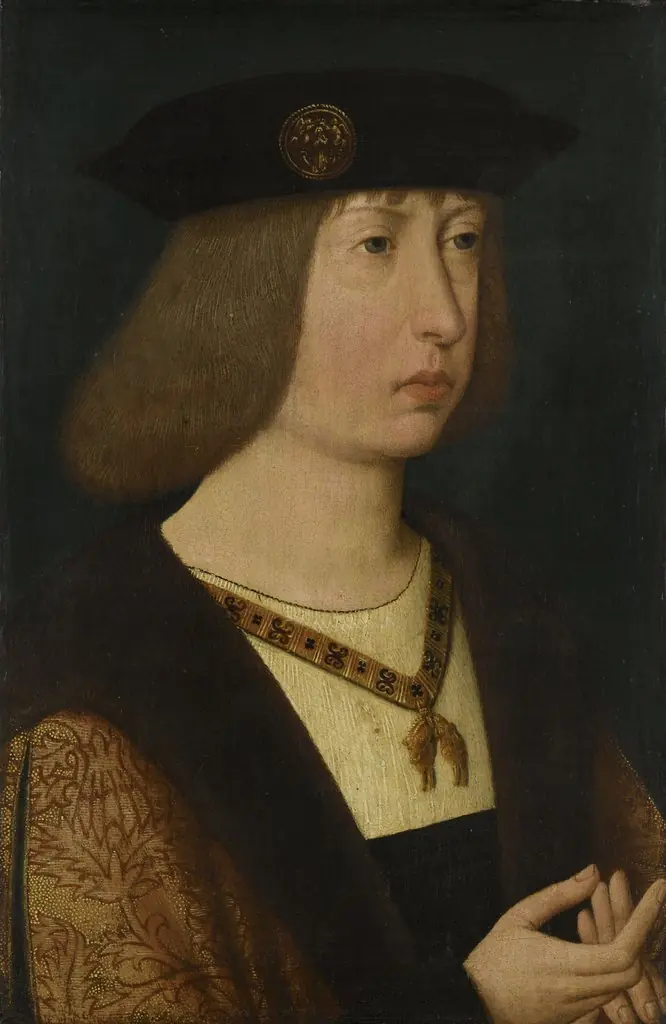 Portrait of Philipp I
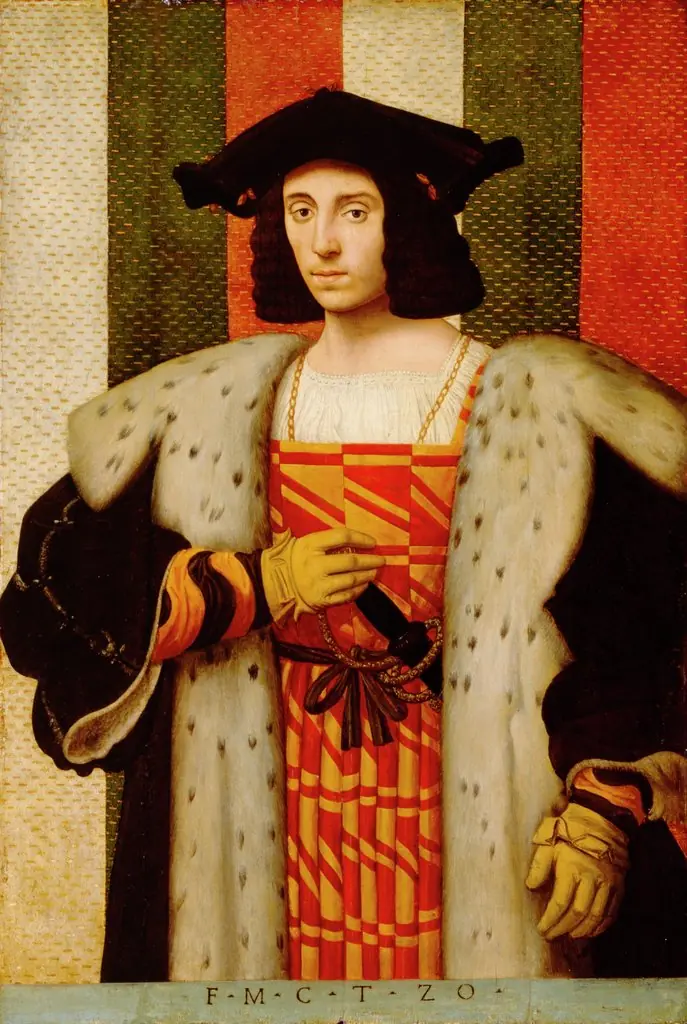 Gentleman of the Trivulzio Family
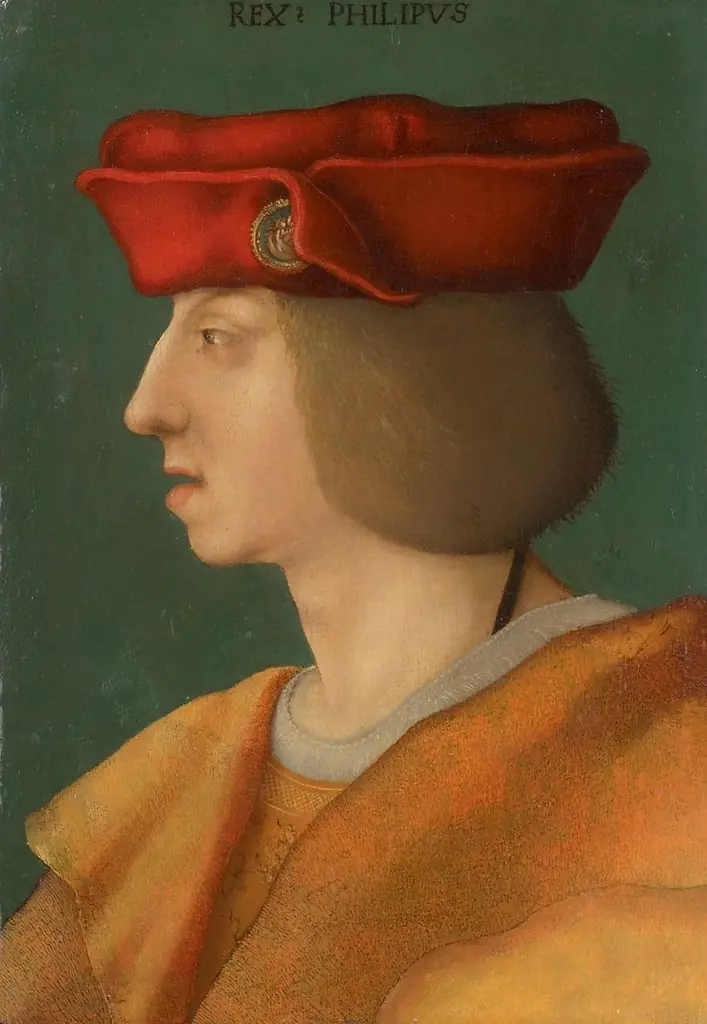 Kaiser Ferdinand I. (1503-1564), Profilbildnis
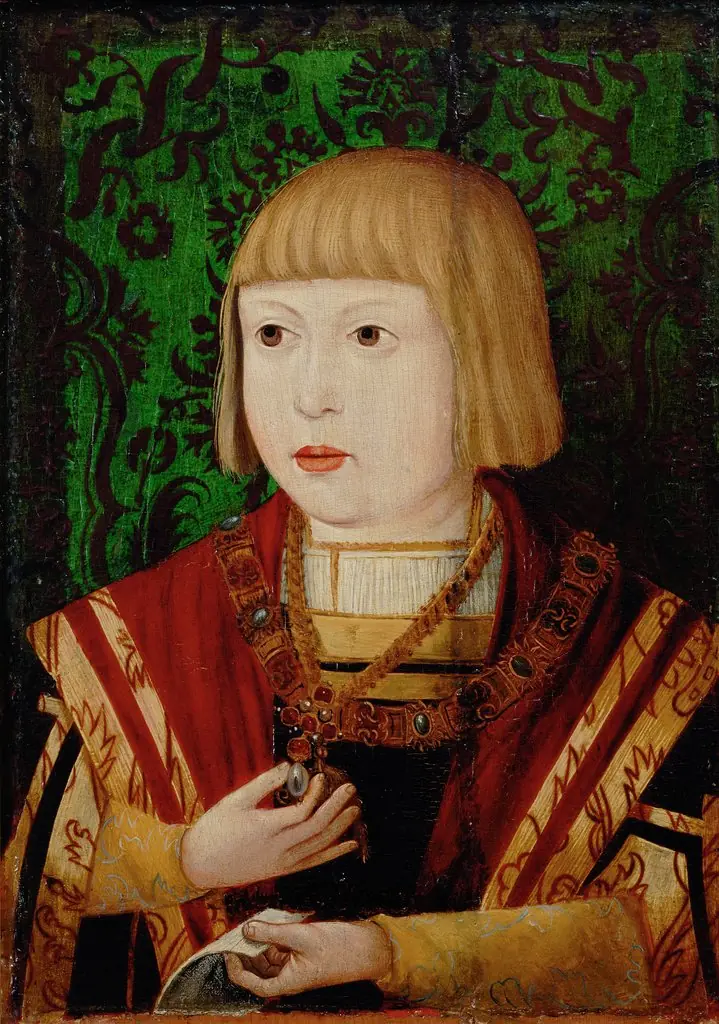 Emperor Ferdinand I (1503-1564) at the age of ten or twelve years