Artwork
Portrait of Henry I of Lorraine (1550–1588), Duke of Guise
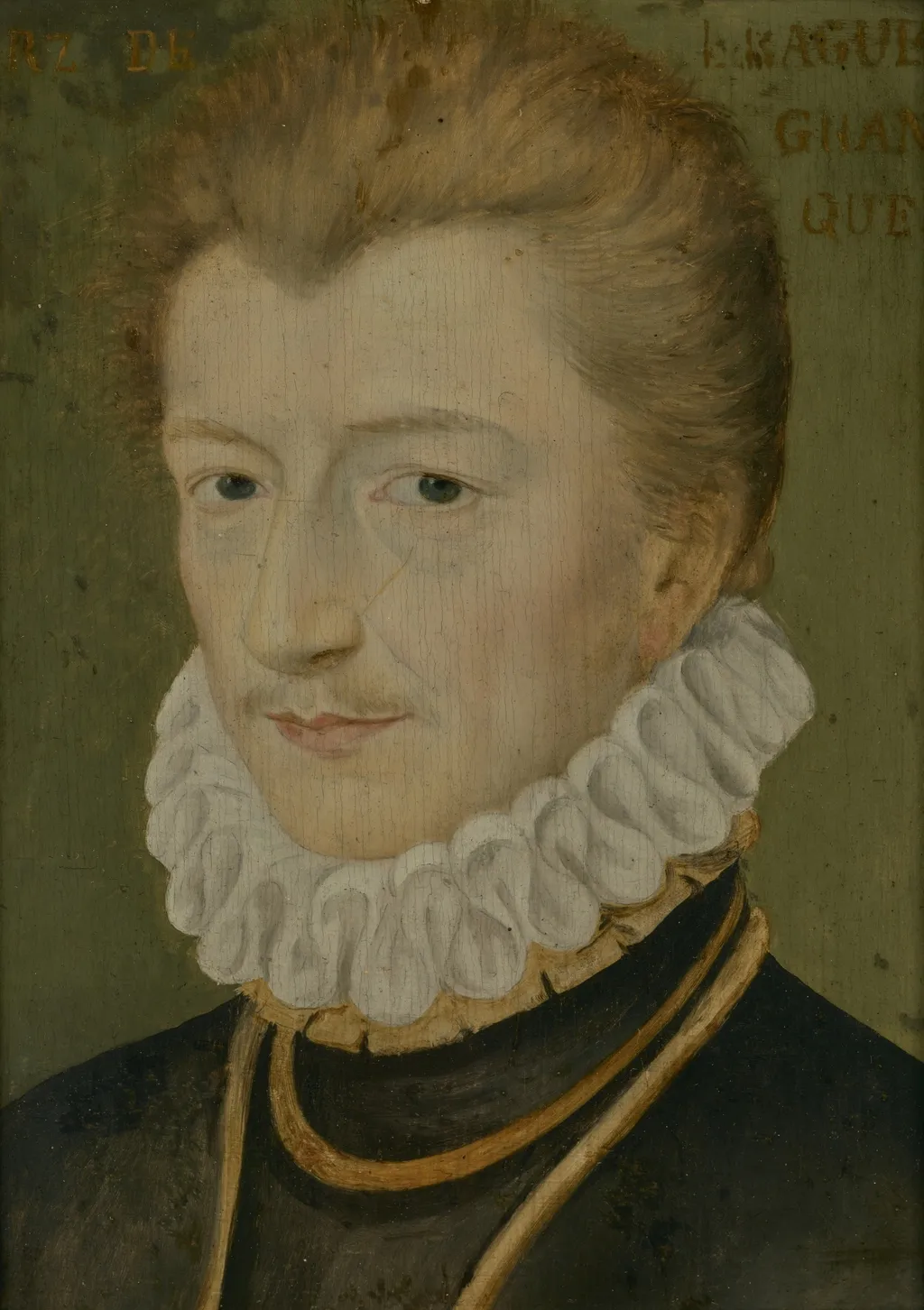
Portrait of Henry I of Lorraine (1550–1588), Duke of Guise is an unspecified painting by the Early Baroque Italian artist Unknown. It dates from 1565 and is held in the collection of the National Museum in Kraków. This portrait depicts Henry I of Lorraine, Duke of Guise, painted circa 1565.
About this work
This is a close-up portrait of a person wearing a white ruff collar and a dark dress.
This is a close-up portrait of a person wearing a white ruff collar and a dark dress. Their hair is pulled back, and they have a neutral expression with light eyes. The background is plain and dark, keeping the focus on their face.
The ruff collar was a common fashion in the 1500s, showing off wealth and style. This painting was made around 1565, likely to show the person’s status.
Want to learn more? Check out the National Museum in Kraków, where this painting is kept.
Overview
This portrait depicts Henry I of Lorraine, Duke of Guise, painted circa 1565. It presents a tightly framed view of the nobleman, emphasizing his facial features and attire against a dark, unadorned background. The composition follows the conventions of mid-16th-century portraiture, where clarity of identity and social standing take precedence over decorative elements.
Subject & Meaning
Henry I of Lorraine, a prominent French noble and military leader, is shown in a restrained, composed manner. His neutral expression and direct gaze convey authority without ostentation. The elaborate white ruff collar, a marker of aristocratic fashion, signals his wealth and position within the French court, reinforcing his status through material culture rather than symbolic imagery.
Technique & Style
The painting employs a muted palette dominated by dark tones, with the luminous ruff serving as the focal point. Brushwork is precise, particularly in rendering the fine folds of the lace and the texture of the subject’s skin. The absence of landscape or props directs attention to the sitter’s presence, reflecting the growing preference for psychological realism in portraiture during the Renaissance.
History & Provenance
Created in the mid-1560s, the portrait likely served as a formal representation of the Duke for courtly or familial use. It entered the collection of the National Museum in Kraków, where it remains today. Its presence in Poland suggests possible diplomatic or aristocratic exchanges between French and Polish noble circles during the late Renaissance.
Context
In 1565, France was deeply divided by religious conflict, and the House of Guise was a leading Catholic faction. Portraits like this one were tools of political identity, circulating among elites to affirm lineage and influence. The ruff, though fashionable, also carried connotations of piety and discipline, aligning the Duke with the values of the Counter-Reformation.
Legacy
The portrait endures as a quiet testament to the visual language of French nobility in the 16th century. Its simplicity and focus on the individual reflect a shift toward personal representation in aristocratic imagery. Though not widely reproduced, it remains a significant example of regional portraiture preserved outside France, offering insight into cross-cultural noble networks.
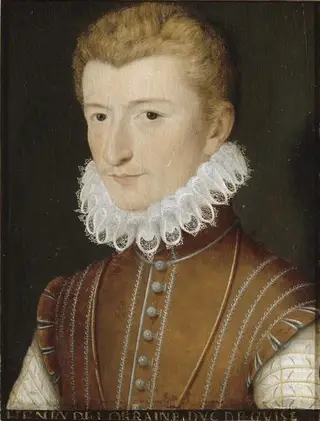
Artist & collection









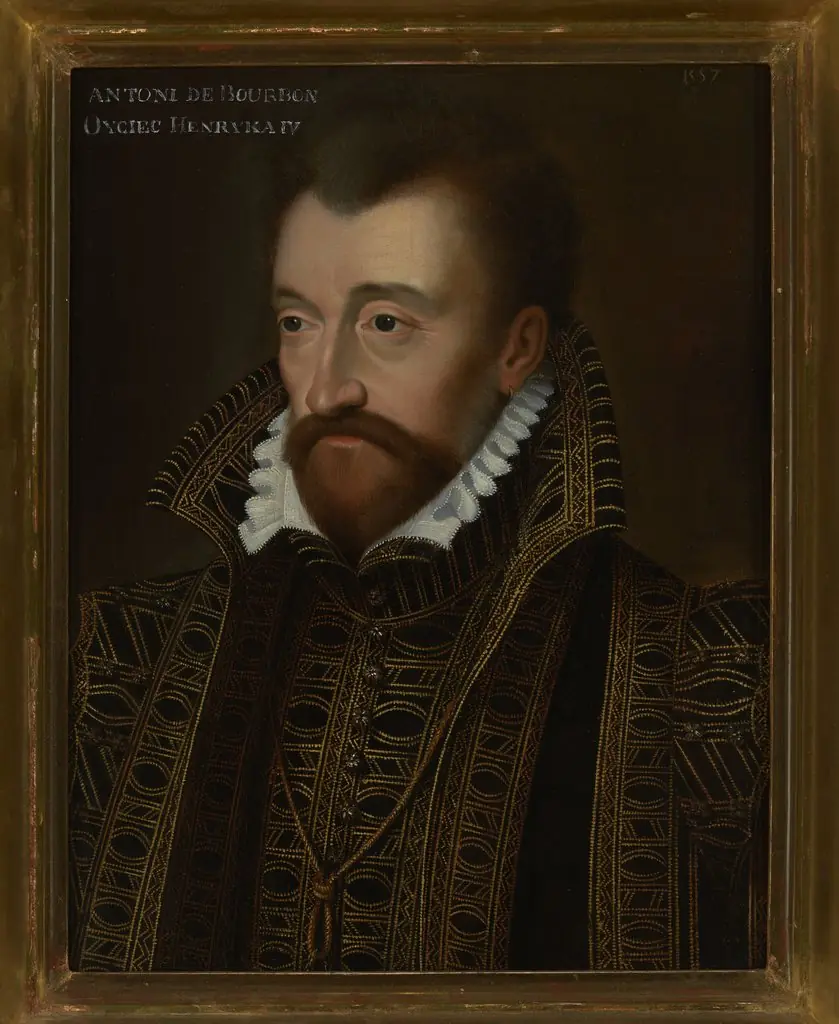 Portrait of Anthony of Bourbon (1518–1562), King of Navarre
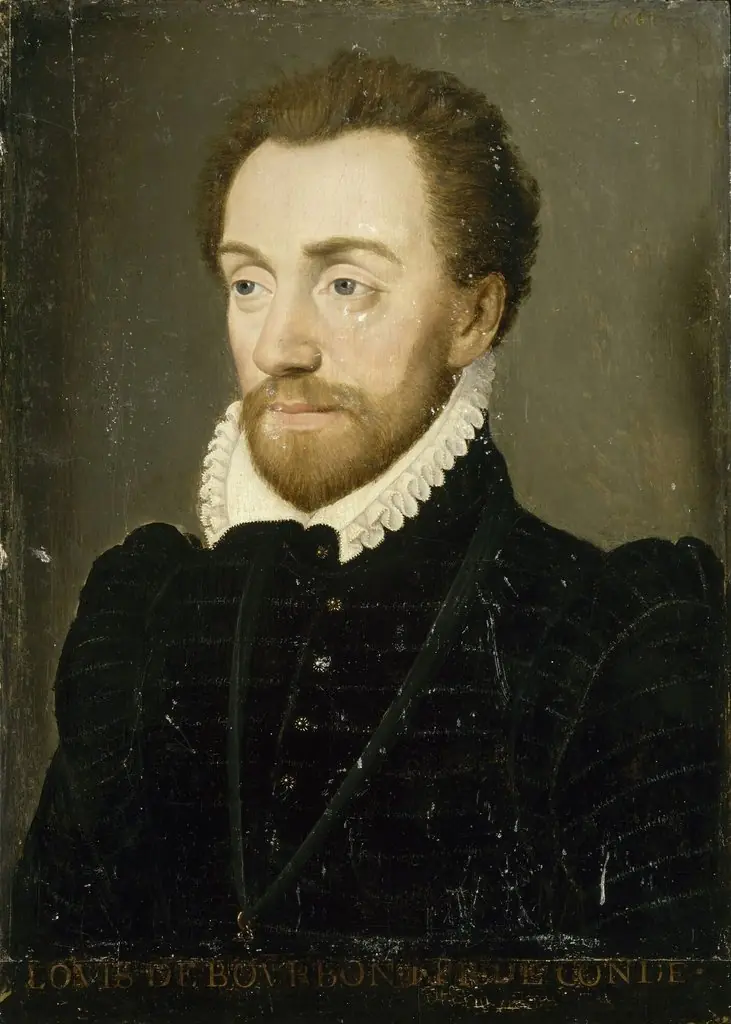 Louis Ier de Bourbon, prince de Condé (1530-1569)
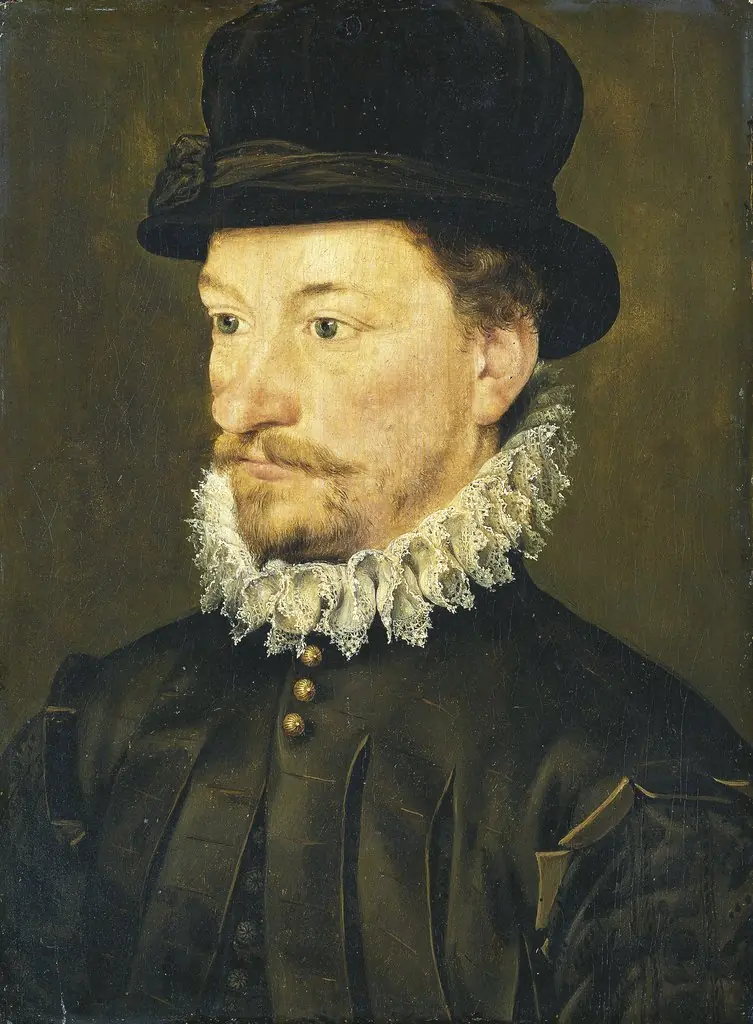 Half-length Portrait of a Young Man
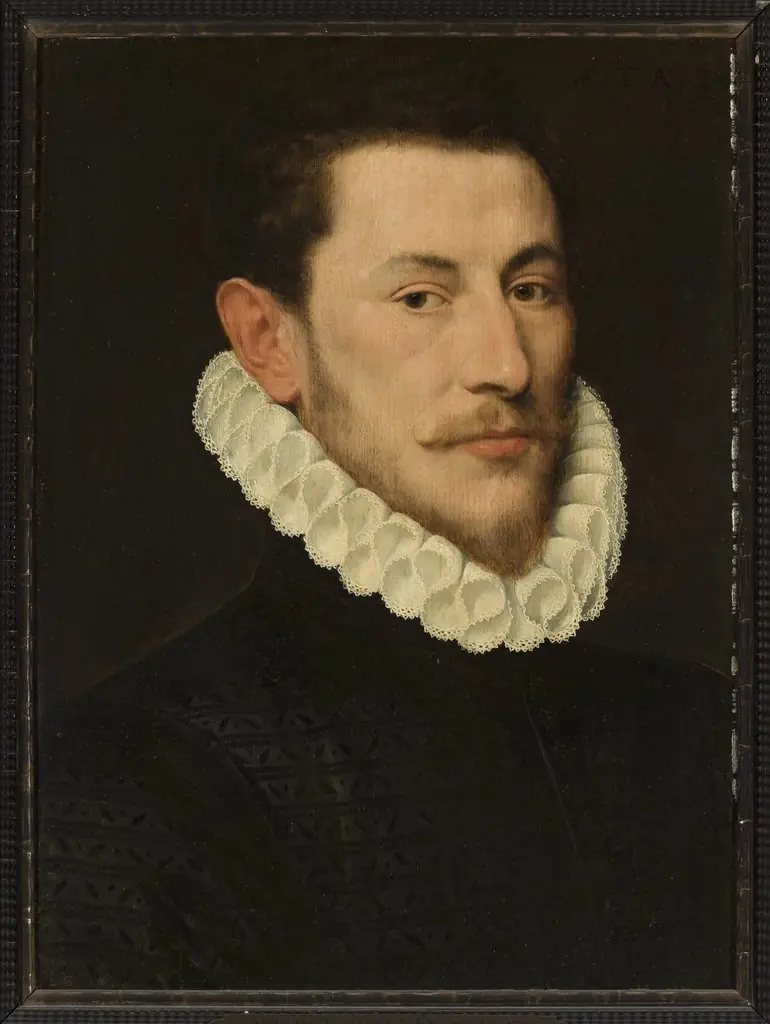 Portrait of a young man
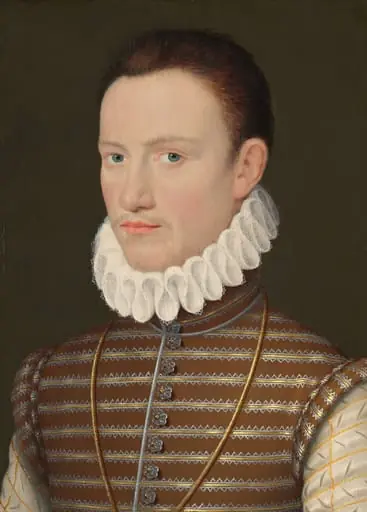 Portrait of a Nobleman
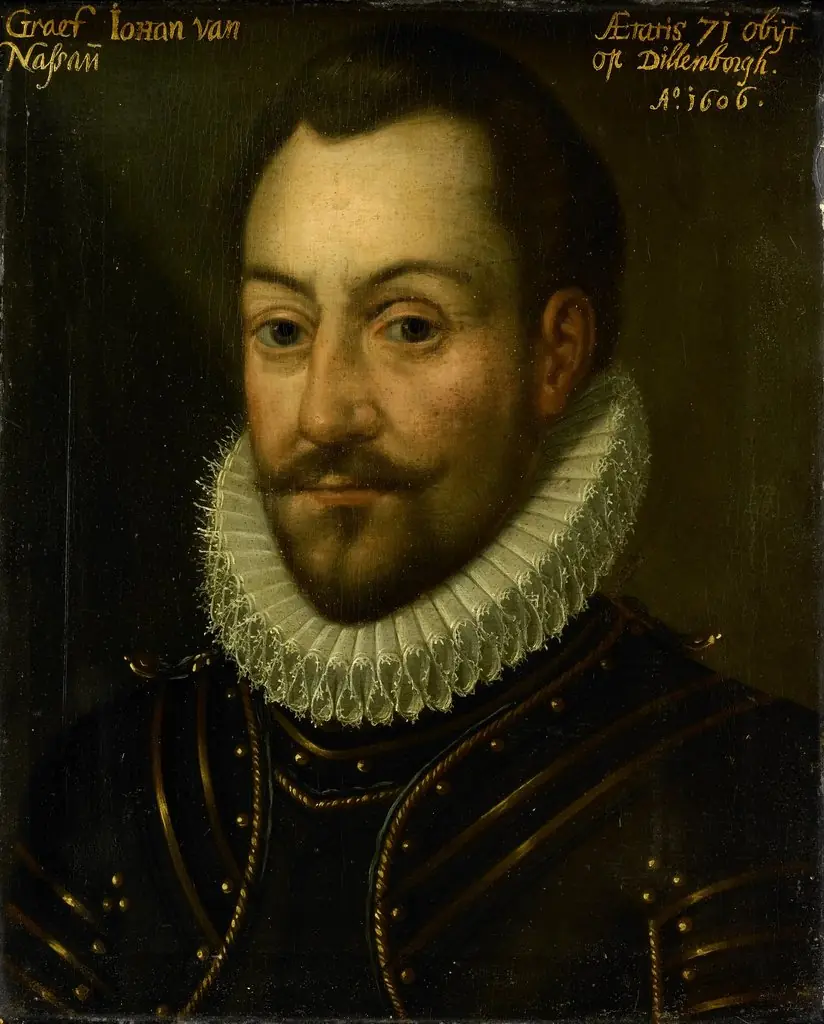 Portrait of an unknown count or officer, possibly Jan the Elder (1535-1606), Count of Nassau
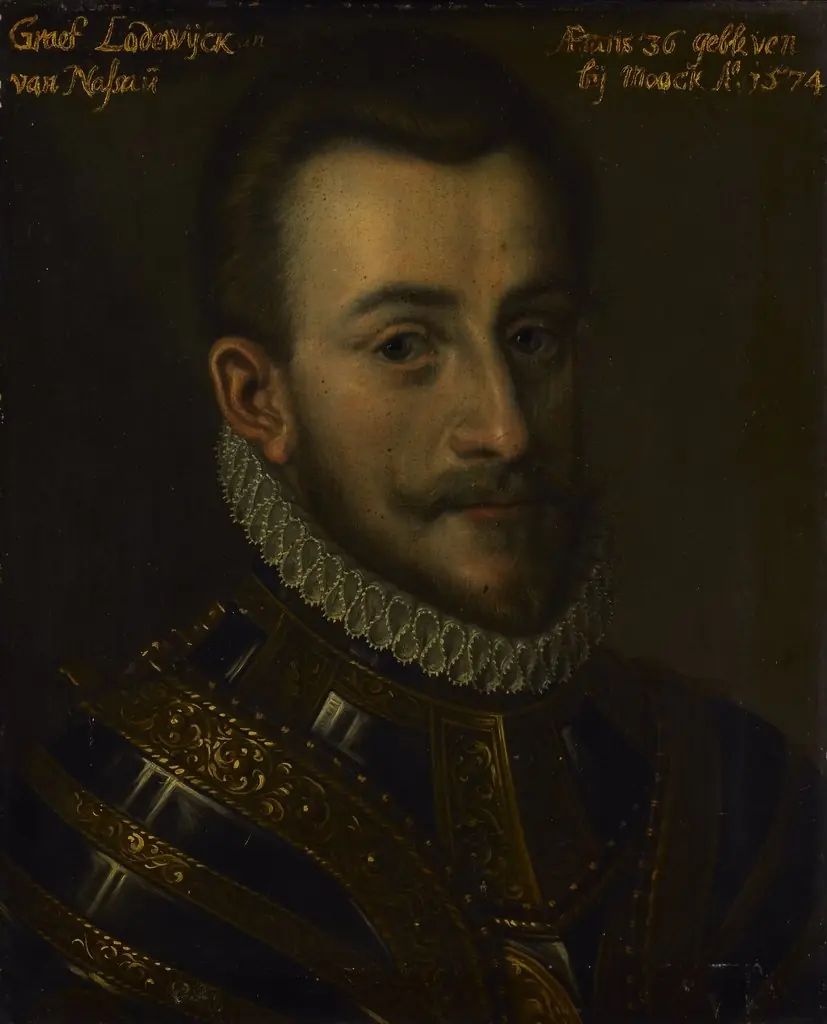 Portrait of Lodewijk (1538-74), Count of Nassau
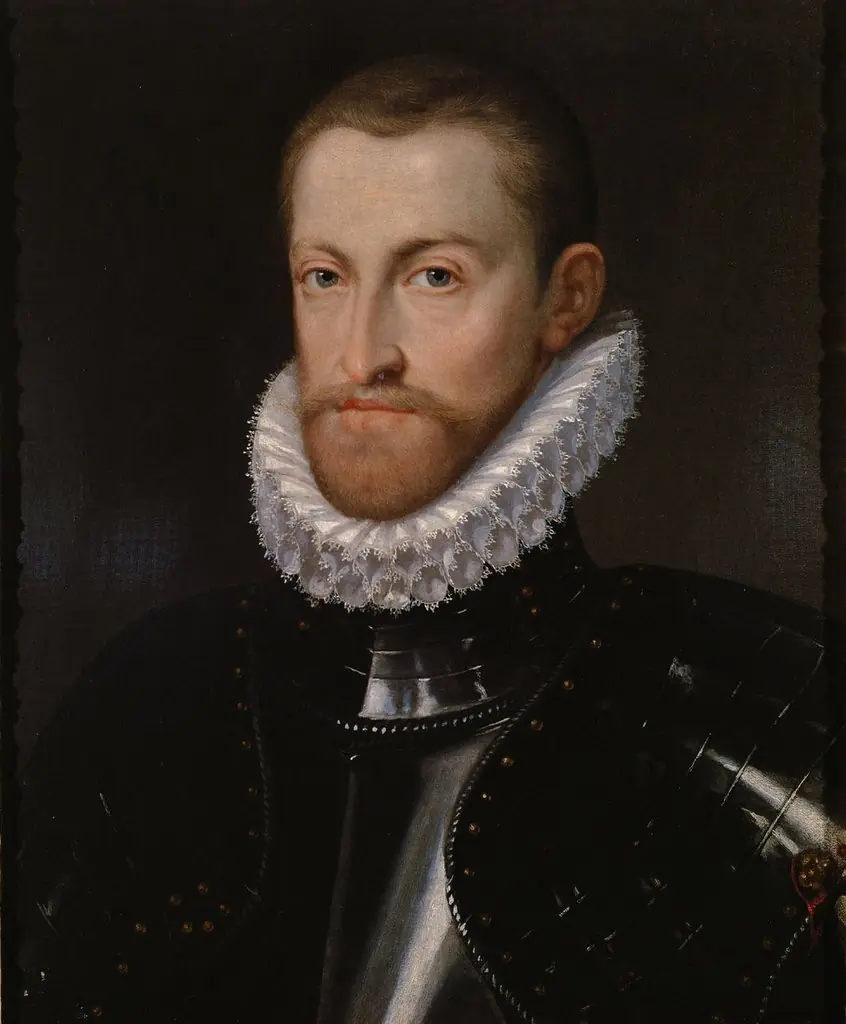 Emperor Rudolf II in Armour
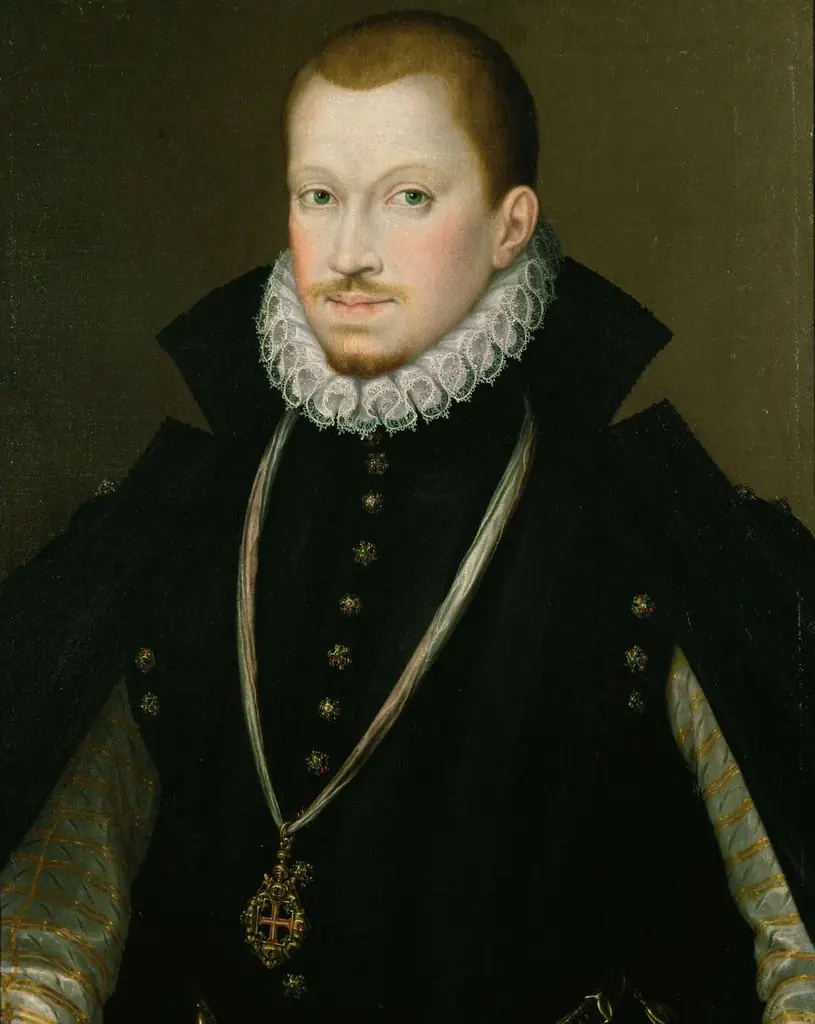 Don Sebastian (1554-nach 1578), König von Portugal, mit dem Kreuz des Christusordens, Halbfigur (beschnitten)
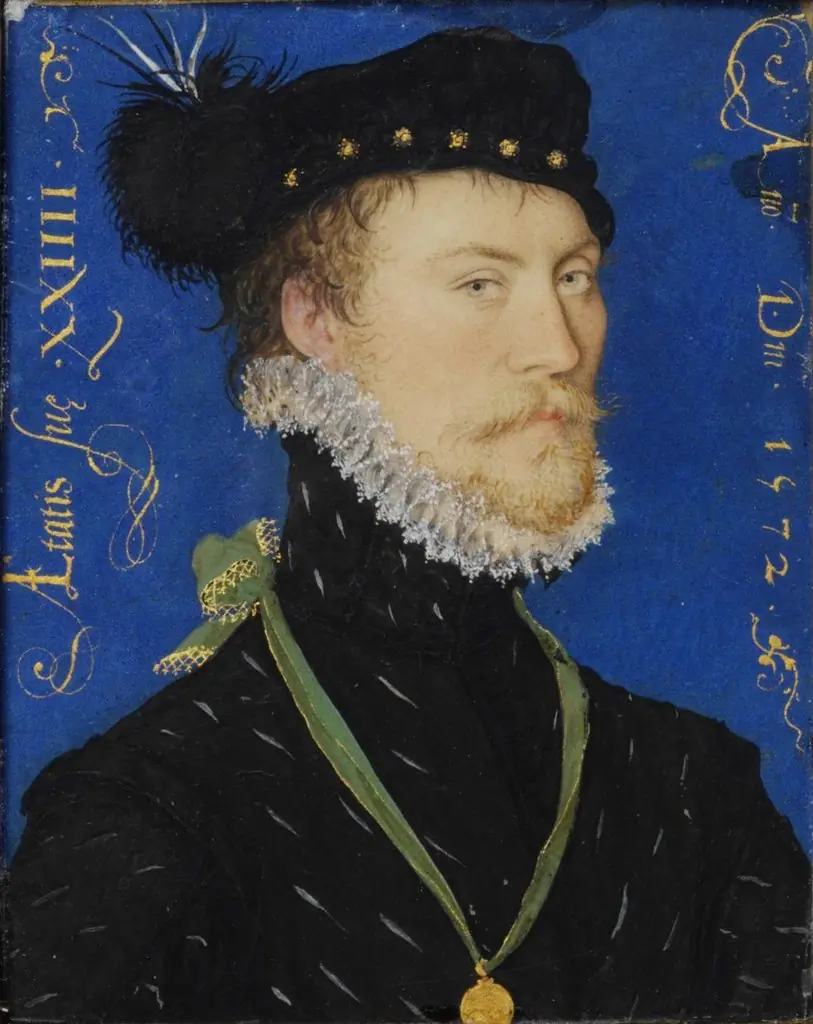 Portrait of an unknown man