Artwork
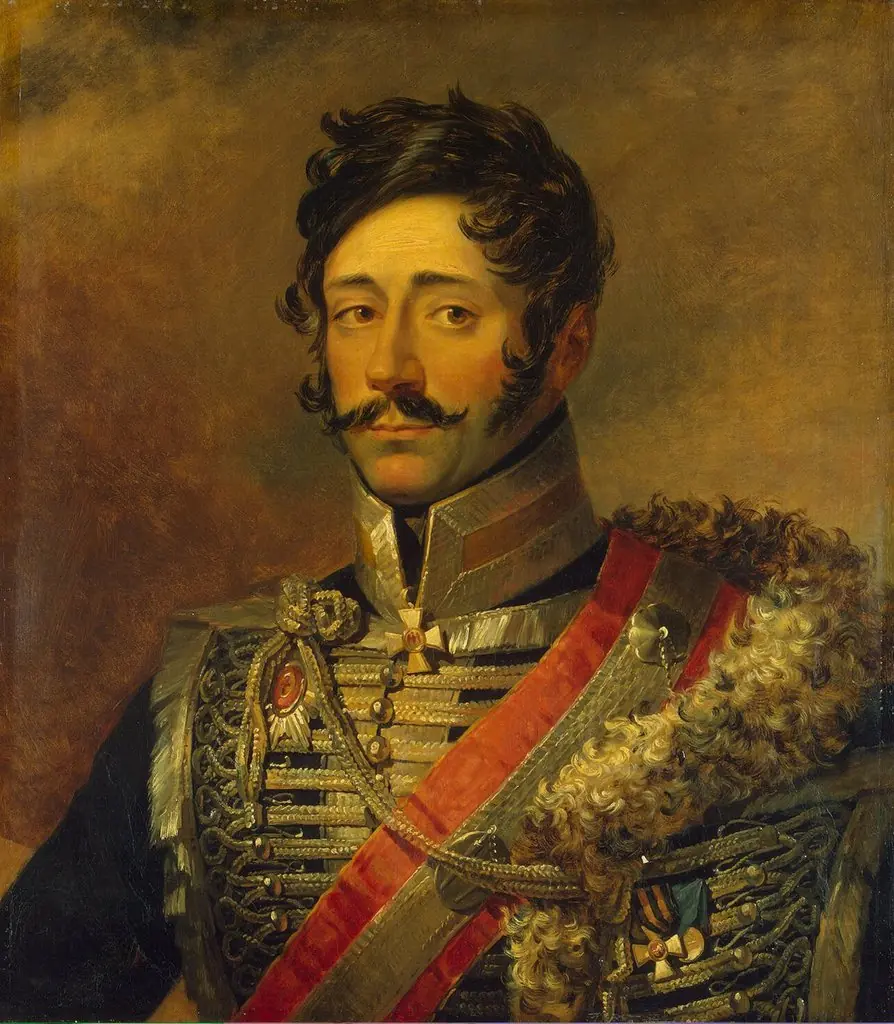
Portrait of Ivan Ye. Troshchinsky (1783-1832)
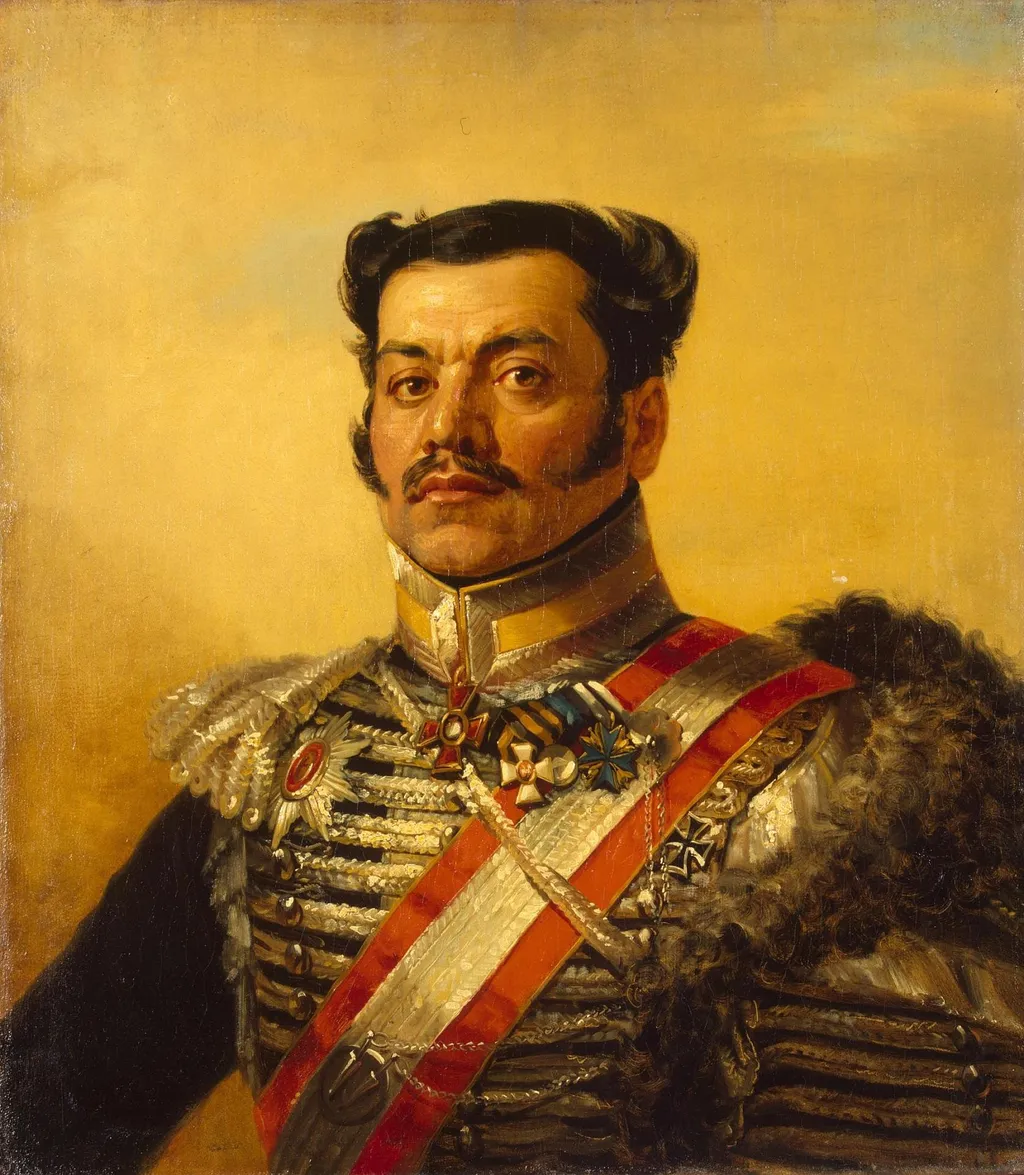
Portrait of Ivan Ye. Troshchinsky (1783-1832) is an oil painting by Unknown. It dates from 1822 and is held in the collection of the Hermitage Museum. The 1822 oil portrait depicts Ivan Ye.
About this work
The uniform is shiny with silver buttons, red sashes, and medals pinned to his chest.
A man in a fancy military uniform stands straight, looking serious. His dark hair is slicked back, and he wears a thick mustache. The uniform is shiny with silver buttons, red sashes, and medals pinned to his chest. The background is plain and warm, keeping all focus on him.
This portrait was painted in 1822, showing off the man’s high rank. The artist used soft lighting to make the uniform look even more official.
Want to see more? Check out the State Hermitage Museum for other portraits like this.
Overview
The 1822 oil portrait depicts Ivan Ye. Troshchinsky (1783‑1832) in full military regalia. He stands upright against a muted, warm backdrop, his dark hair slicked back and a pronounced mustache framing a solemn expression.
The uniform is rendered with a glossy sheen, highlighted by silver buttons, a red sash, and several medals affixed to the chest, emphasizing his rank and status.
Subject & Meaning
Troshchinsky, a senior officer of the Russian Imperial service, is presented as a figure of authority and decorum. The composition foregrounds his official attire, suggesting a visual affirmation of his loyalty and achievements within the military hierarchy. The restrained background removes distractions, directing attention to the symbols of rank that convey his public identity.
Technique & Style
The artist employs a soft, diffused lighting scheme that models the fabric’s texture and the metallic gleam of the buttons and medals. Brushwork is smooth and controlled, allowing subtle gradations of tone that enhance the three‑dimensionality of the uniform while maintaining a polished, formal aesthetic typical of early‑19th‑century Russian portraiture.
History & Provenance
Created in 1822, the work remained in private collections before entering the State Hermitage Museum’s holdings, where it is displayed among other contemporaneous portraits of Russian officials. Its accession reflects the museum’s broader effort to document the visual culture of the Imperial era and the individuals who shaped it.
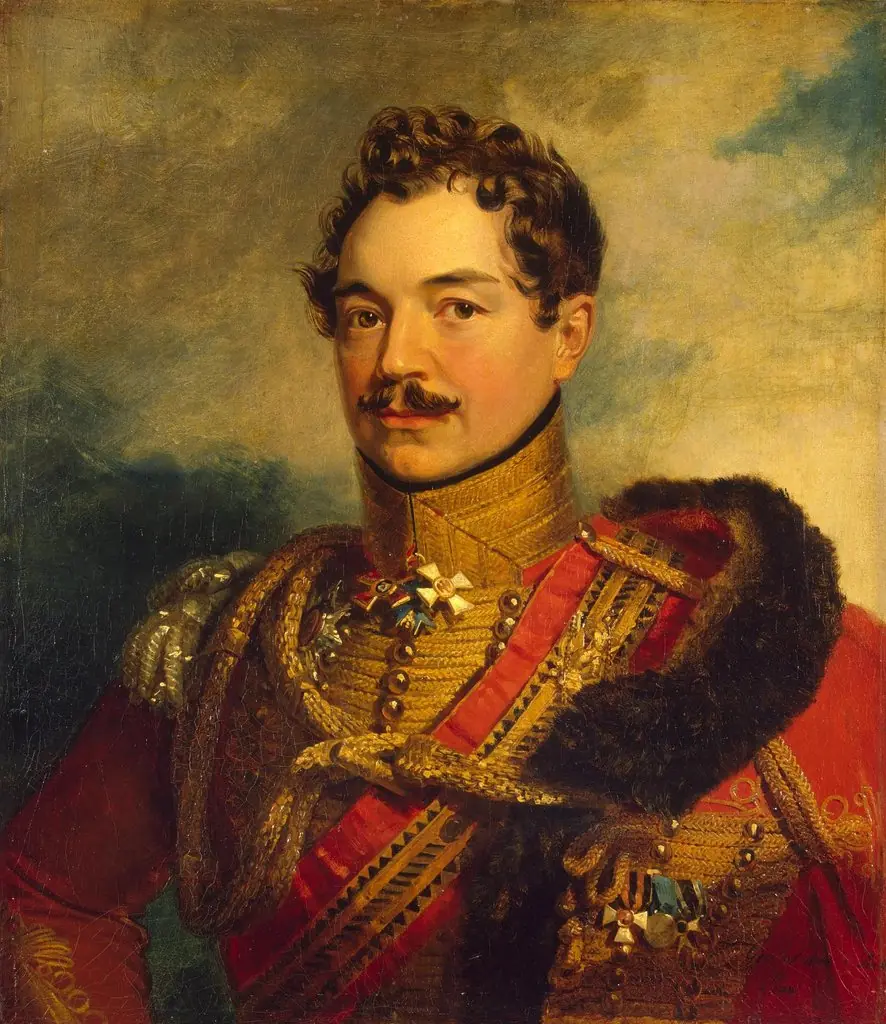
Artist & collection









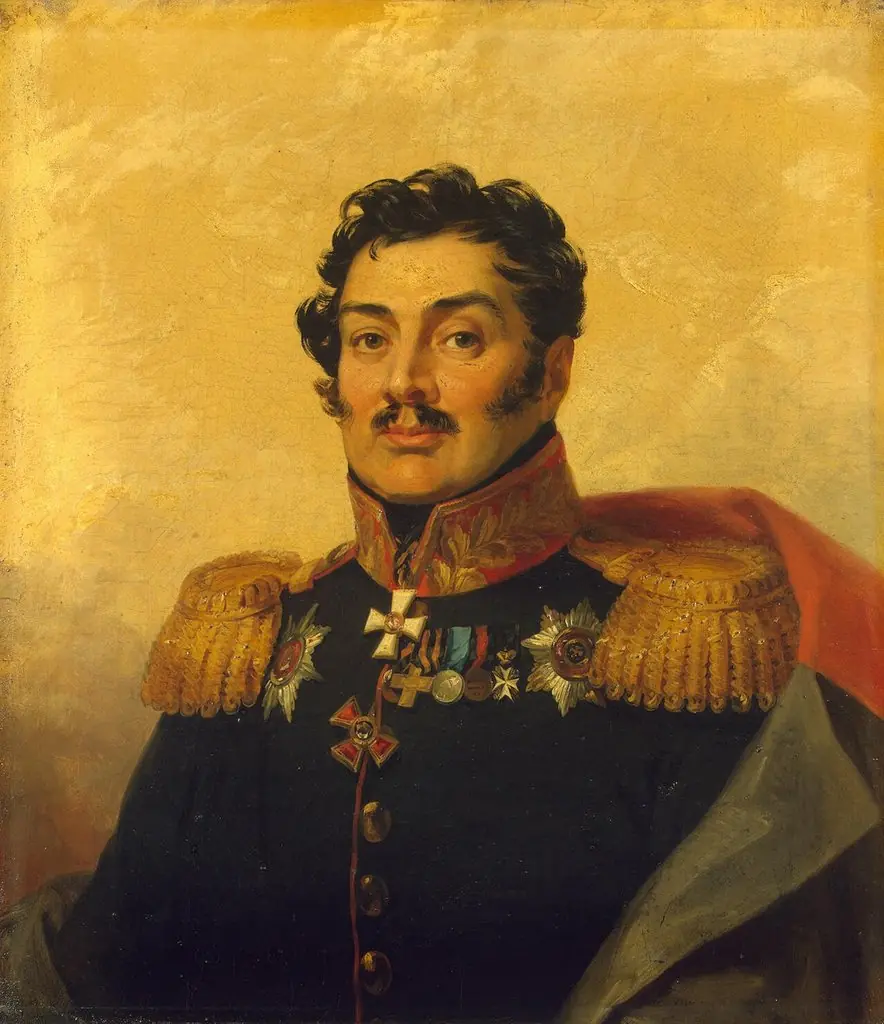 Portrait of Dmitry D. Shepelev (1771-1841)
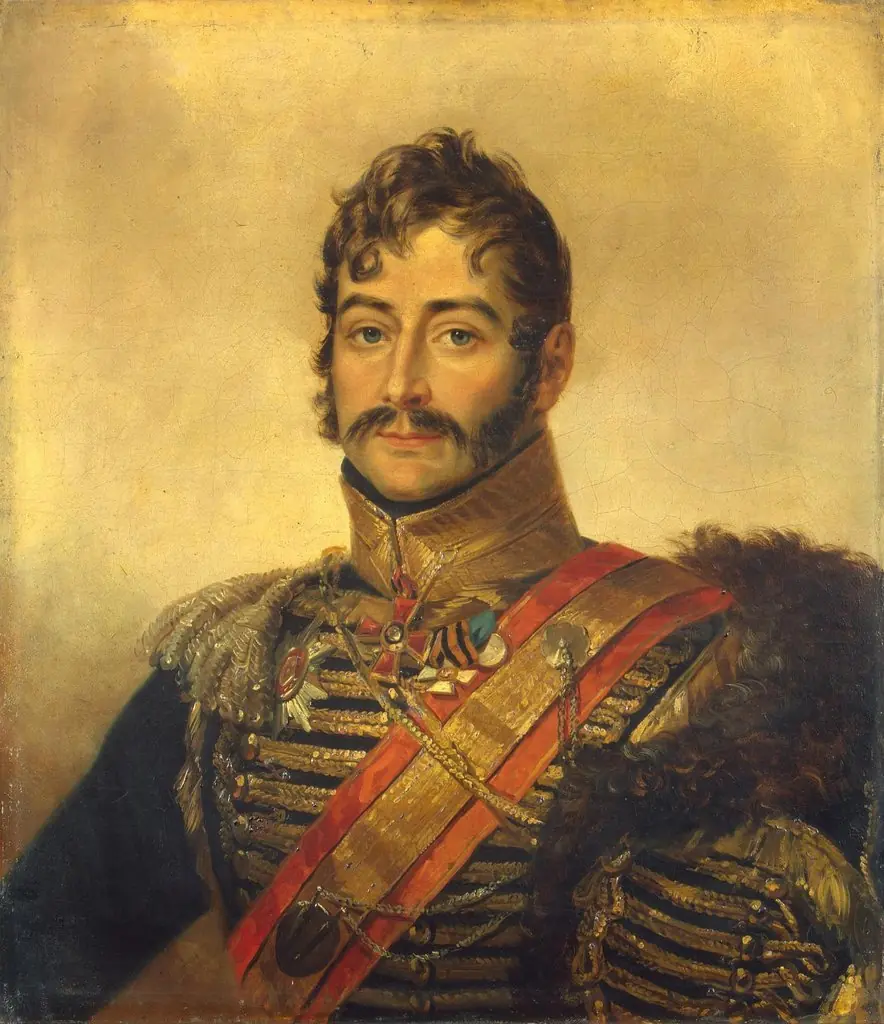 Portrait of Yegor I. Meller-Zakomelsky (1767-1830)
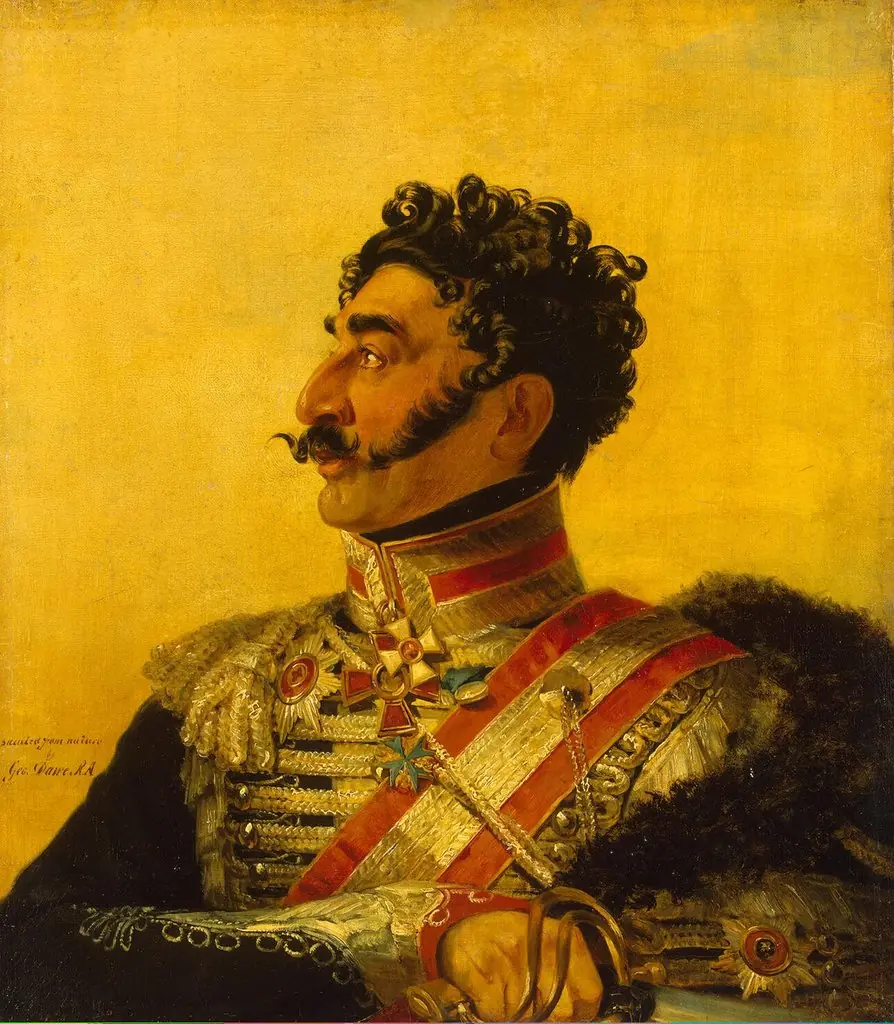 Portrait of Valerian G. Madatov (1782-1829)
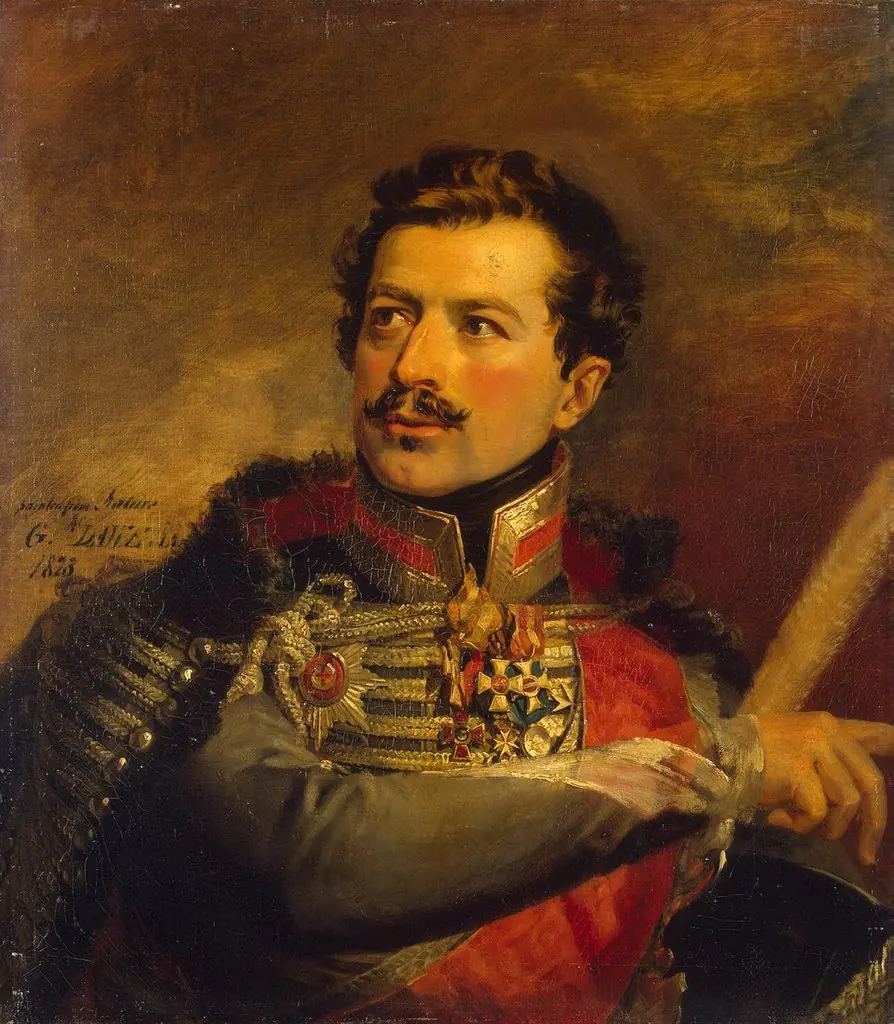 Portrait of Alexander N. Seslavin (1780-1858)
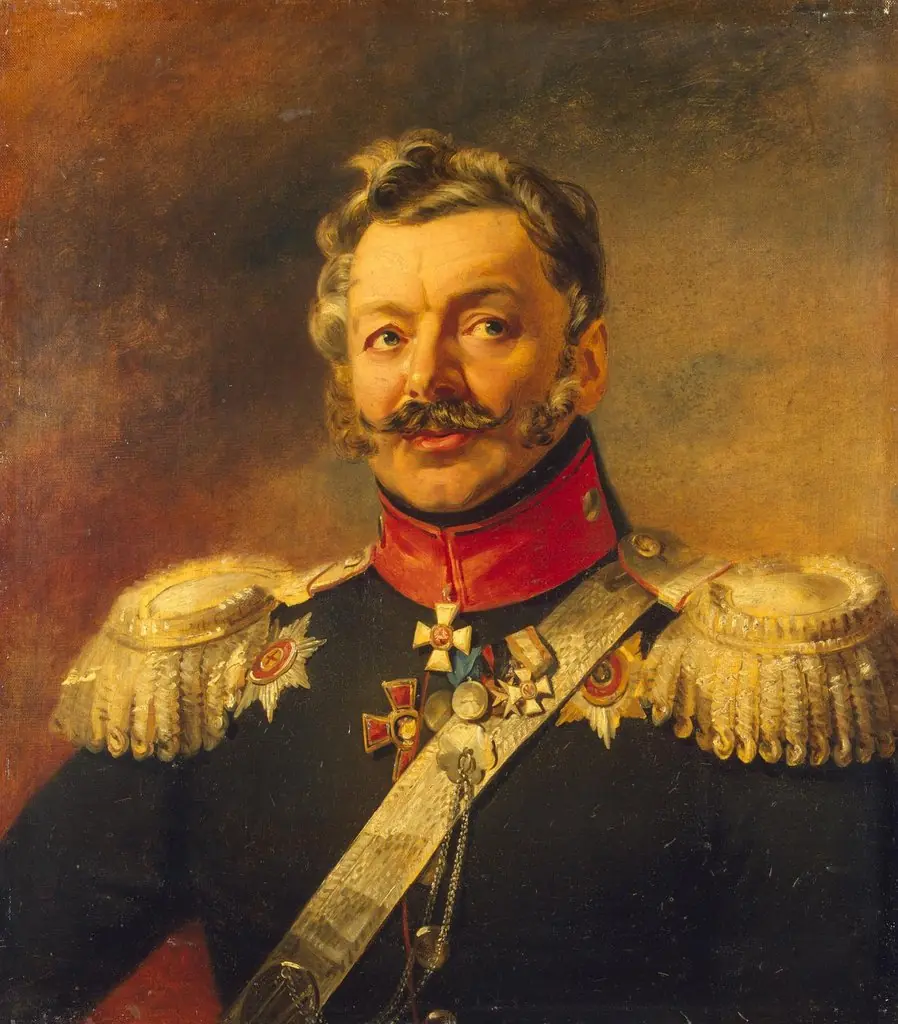 Portrait of Pavel P. Pahlen (1775-1834) (2nd)
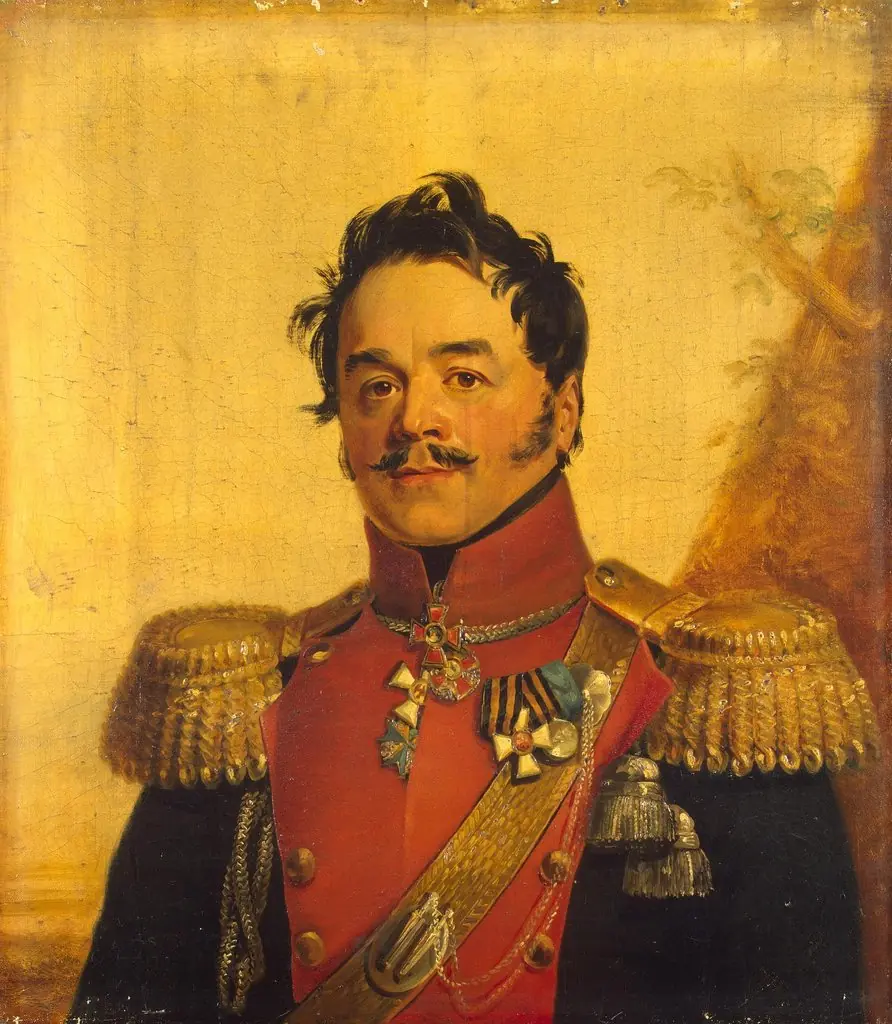 Portrait of Nikolai G. Shcherbatov (1777-1845)
 Portrait of Alexey P. Melissino (1759-1813)