Artwork
A Boy Standing on a Terrace
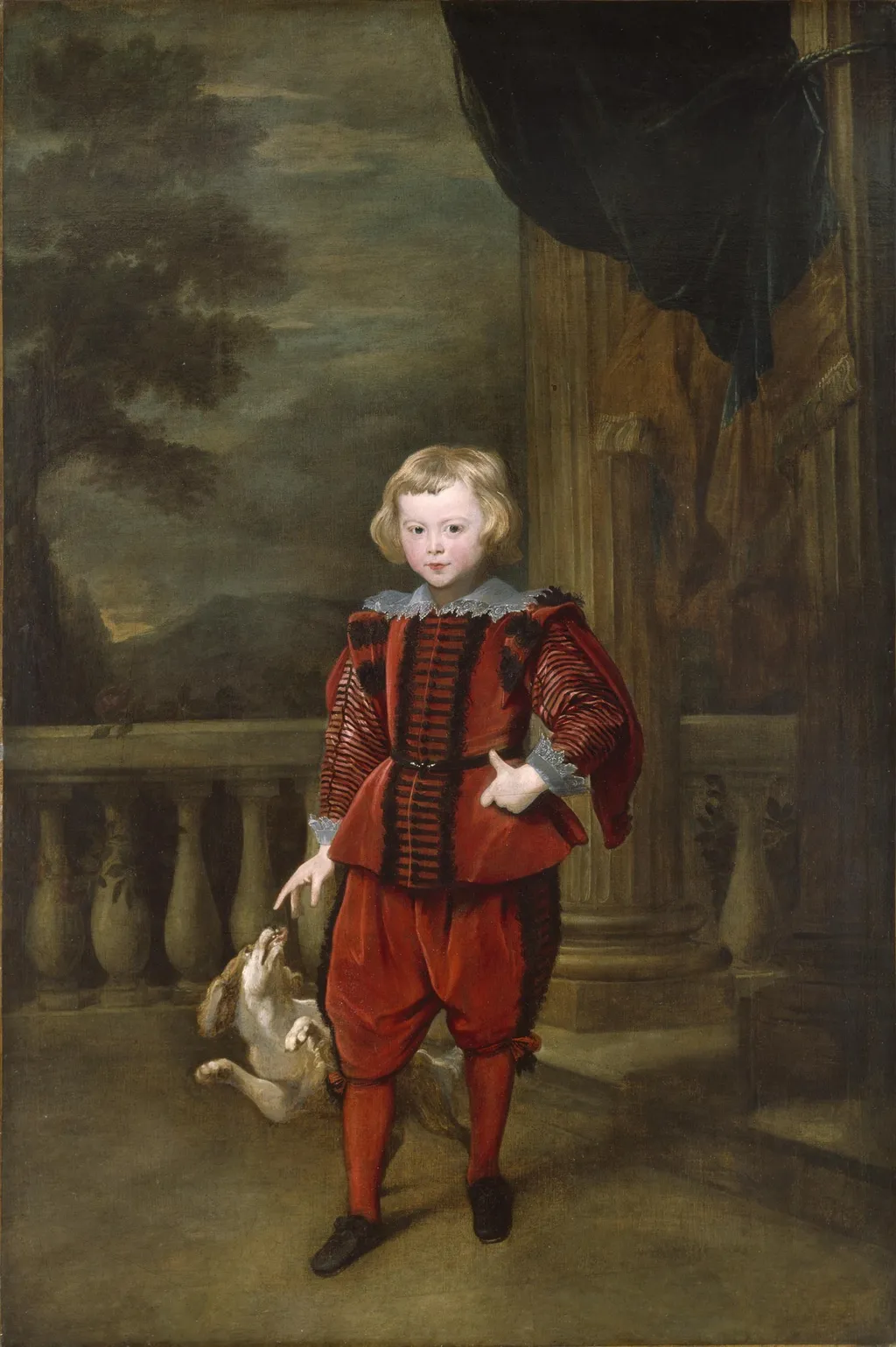
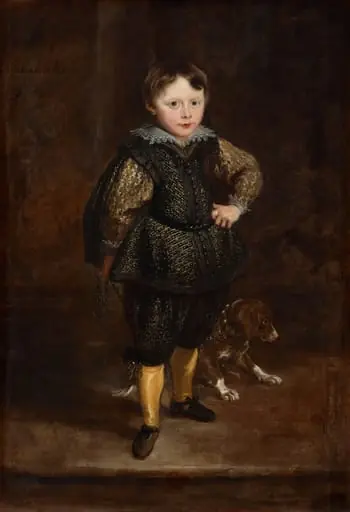
A Boy Standing on a Terrace is an oil painting by the Flemish Baroque painting artist Anthony van Dyck. It dates from 1625 and is held in the collection of the National Gallery of Ireland.
About this work
Subject & Meaning
The composition emphasizes the boy’s poised stance and refined clothing, which together frame the work as a portrait rather than a narrative scene.
The painting depicts a young boy standing on an outdoor terrace, accompanied by a small dog at his feet. The boy’s elegant attire and the architecture of the terrace suggest a setting of genteel leisure, while the presence of the dog may signal companionship and fidelity. The composition emphasizes the boy’s poised stance and refined clothing, which together frame the work as a portrait rather than a narrative scene.
The outdoor terrace and the boy’s direct gaze contribute to an impression of confident self-possession, characteristic of aristocratic portraiture of the period.
The work’s restrained yet expressive mood aligns with van Dyck’s early career, when he frequently portrayed youthful sitters in outdoor settings. The dog’s inclusion, though modest, adds a touch of domesticity without detracting from the sitter’s social status.
Technique & Style
Executed in 1625, this portrait by Anthony van Dyck is an oil painting on canvas. The work measures 188.3 cm in height and 125.3 cm in width. Stylistically, the composition features a young boy positioned on a terrace accompanied by a dog, adhering to the conventions of portraiture.
The application of oil paint on a fabric support allows for the detailed rendering of the figures and their setting.
History & Provenance
A Boy Standing on a Terrace is held in the collection of the National Gallery of Ireland. The institution lists the work's inception date as 1625. While the painting is documented as part of the gallery's holdings, the provided records do not specify a unique inventory or accession number for the piece. Furthermore, no details regarding its exhibition history are included in the available sources.
Context
Van Dyck's 'A Boy Standing on a Terrace' (1625) exemplifies his early mastery of portraiture within the Flemish Baroque tradition, blending naturalistic detail with psychological nuance. The work's composition, featuring a boy, dog, and terrace, reflects contemporary aristocratic ideals of education and refinement, situating it within the artist's broader development toward sophisticated group and conversational portraits. Its inclusion in the National Gallery of Ireland's collection underscores its recognized significance as a pivotal piece bridging Van Dyck's early independent output and his later prominence in English court portraiture.
Legacy
The painting's influence and legacy are anchored in its enduring presence within major collections and its role in shaping the understanding of Baroque portraiture. Its formal qualities, particularly the nuanced rendering of the boy's expression and the atmospheric terrace setting, have been cited in scholarly analyses of van Dyck's innovative approach to psychological depth in portraiture. The work's inclusion in prominent exhibitions, such as the 2015 retrospective at the National Gallery of Art, underscored its significance in re-evaluating van Dyck's impact on later European painters. Its continued visibility in public institutions reinforces its reputation as a key example of 17th-century portrait innovation.
Overview
A Boy Standing on a Terrace is a 1625 oil painting by Anthony van Dyck, a prominent Flemish Baroque artist who later served as a court painter in England. The work is a portrait genre piece, currently housed in the National Gallery of Ireland.
Own this work as a print
Artist & collection
Artist
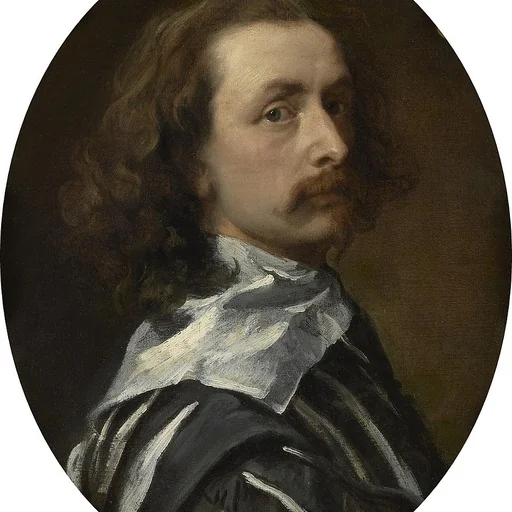
Sir Anthony van Dyck (; Dutch: Antoon van Dijck; 22 March 1599 – 9 December 1641) was a Flemish Baroque artist, who became the leading court painter in England after success in the Spanish Netherlands and Italy.

 Portrait of a Boy
 Filippo Cattaneo
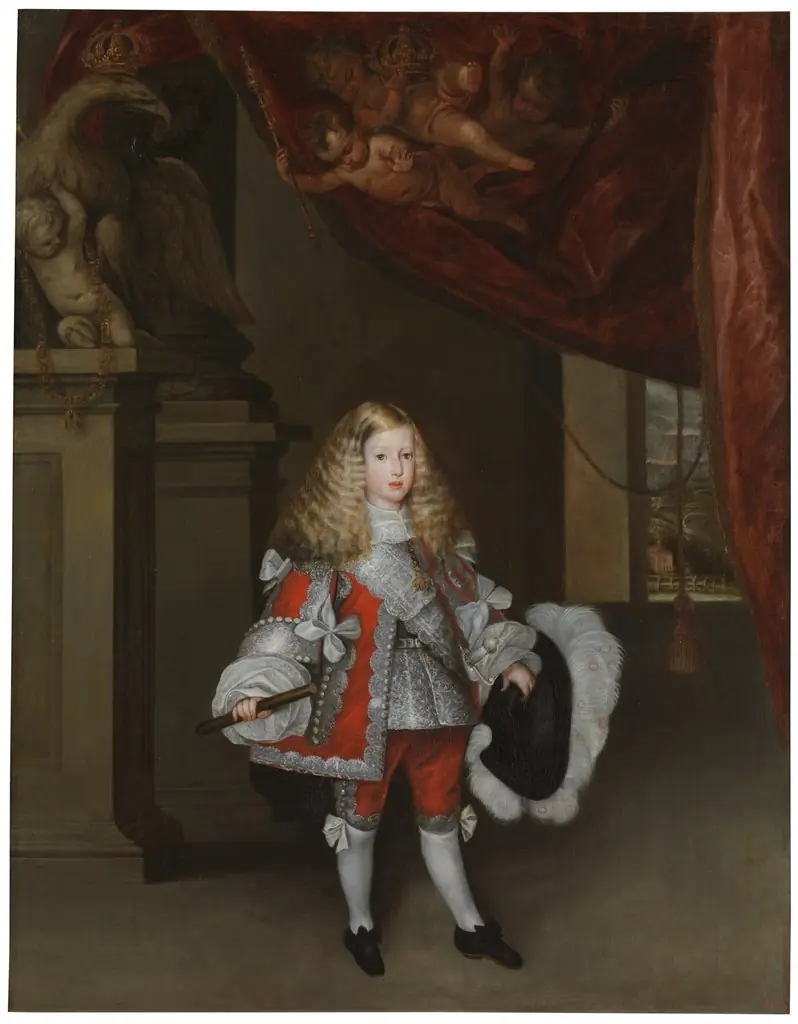 Charles II as a Child
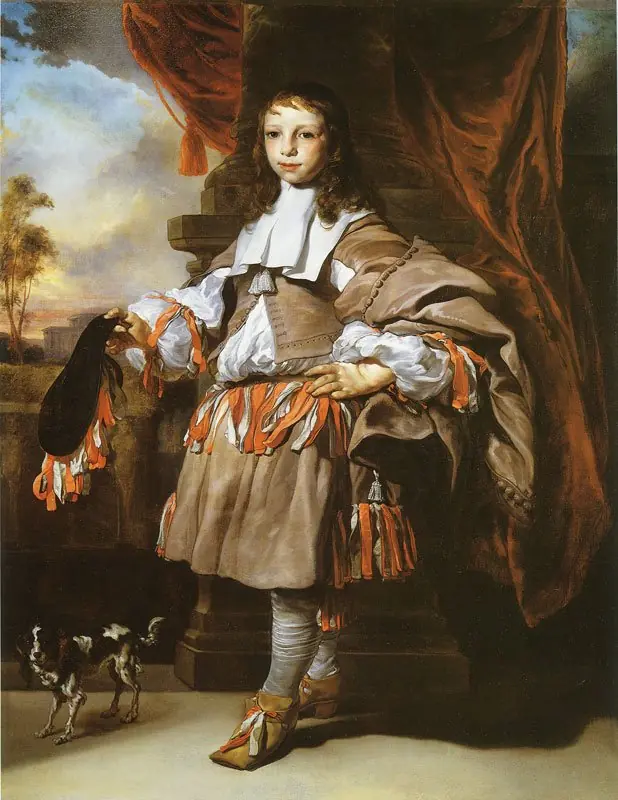 Portrait of a Boy
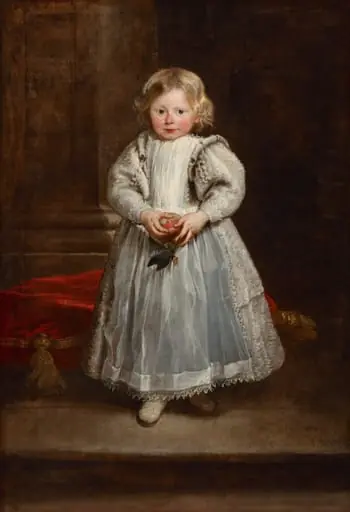 Maddalena Cattaneo
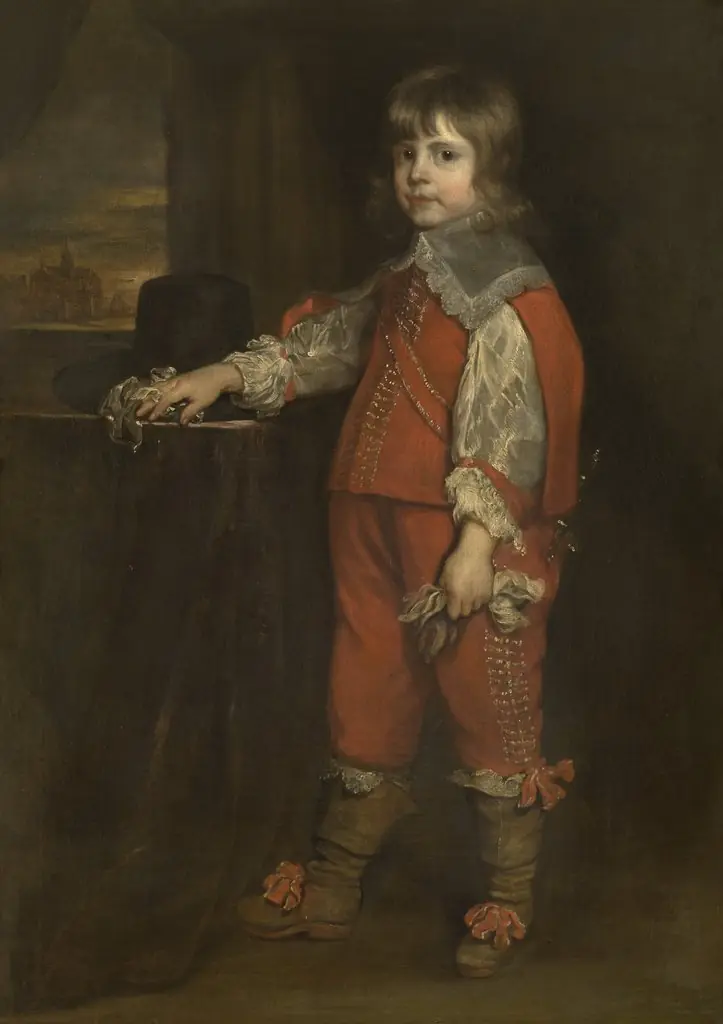 Charles II, when Prince of Wales
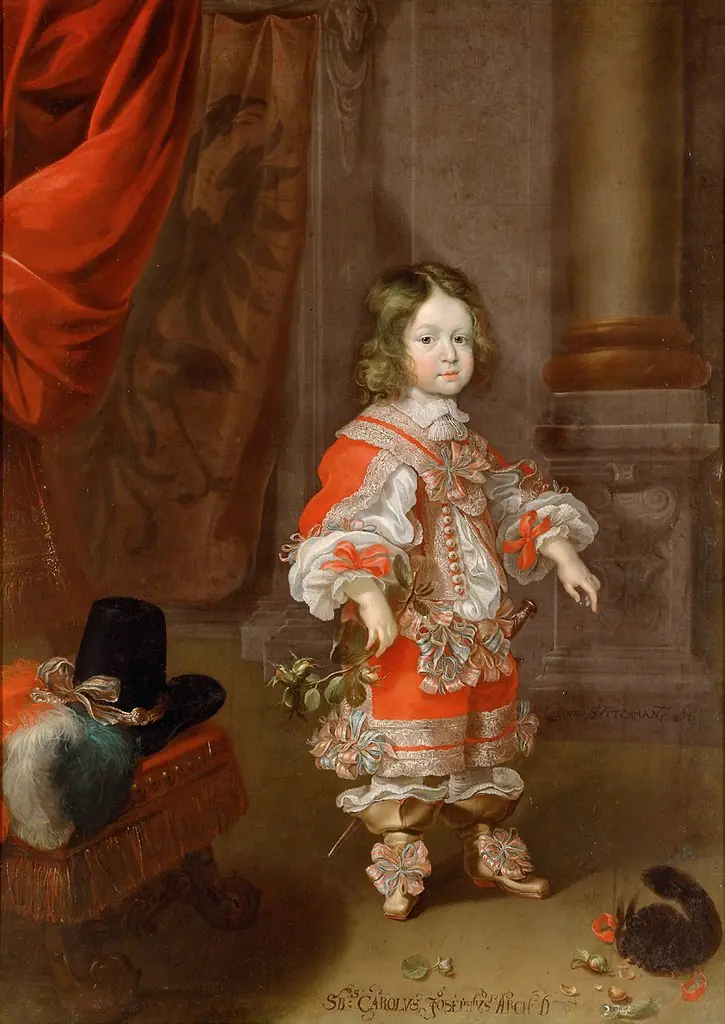 Erzherzog Karl Joseph (1649-1664) mit Eichhörnchen, im Alter von vier bis fünf Jahren
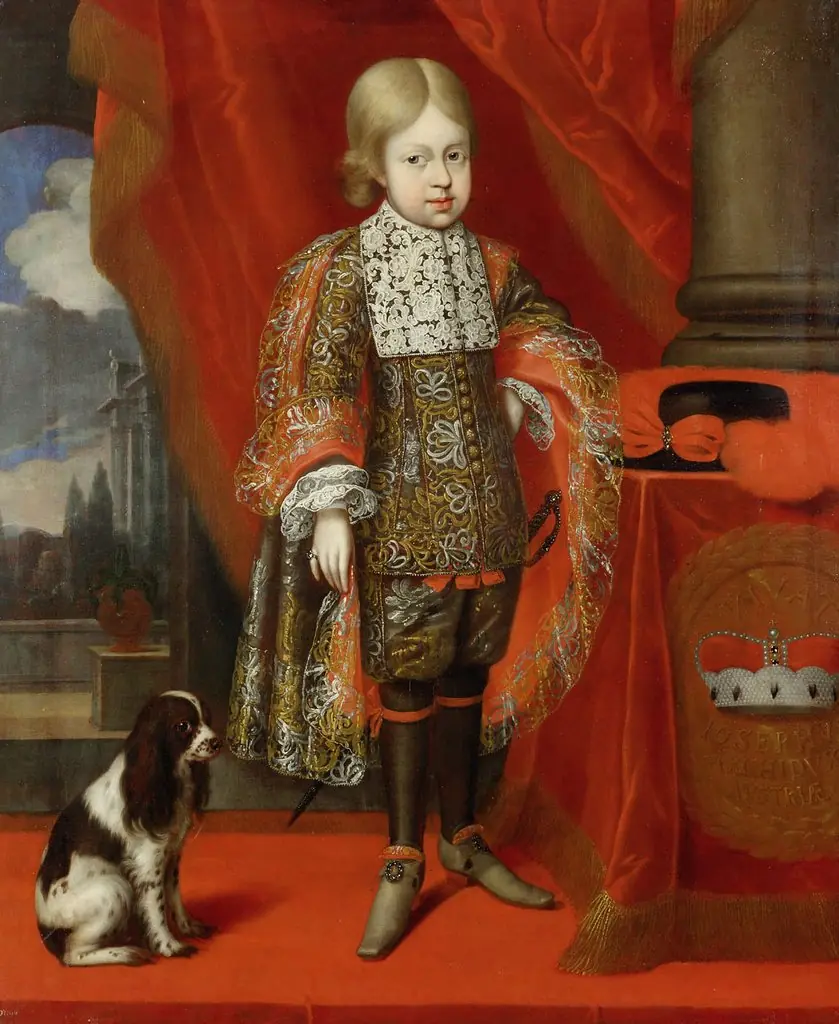 Portrait of Kaiser Joseph I. (1678-1711) at the age of six
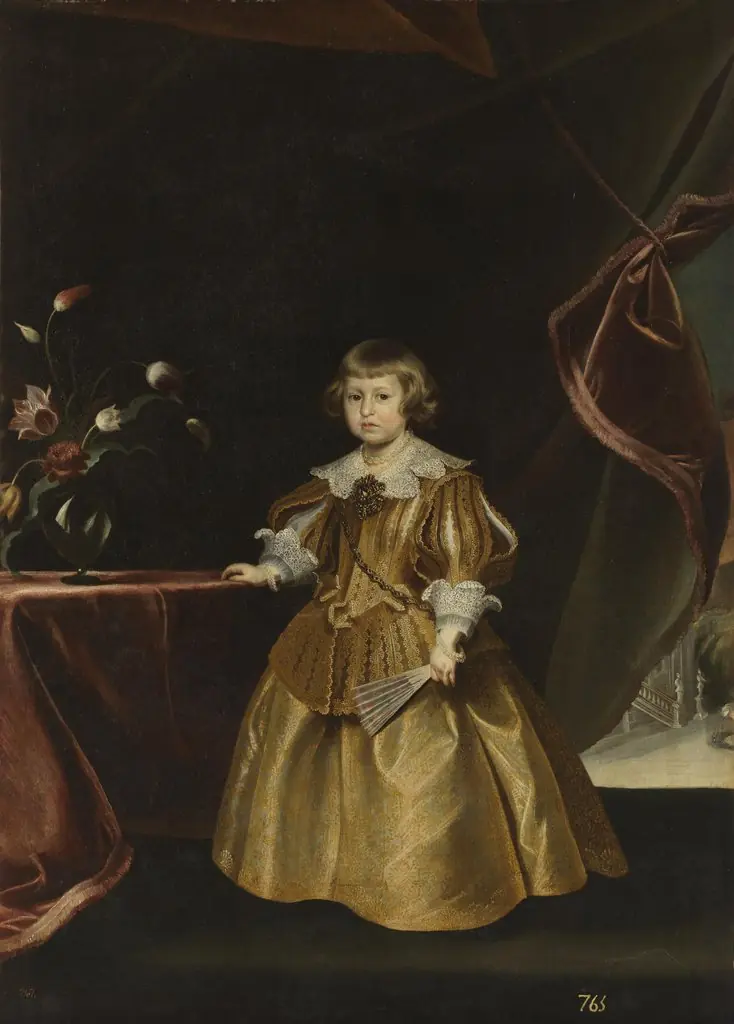 Portrait of an infanta
 Prince Balthasar Charles as a Hunter
 Portrait of Léopold Clément de Lorraine, Hereditary Prince of Lorraine (1707-1723)
- A Boy