Artwork
Portrait of Mikołaj Franciszek Radziwiłł (1659–1672)
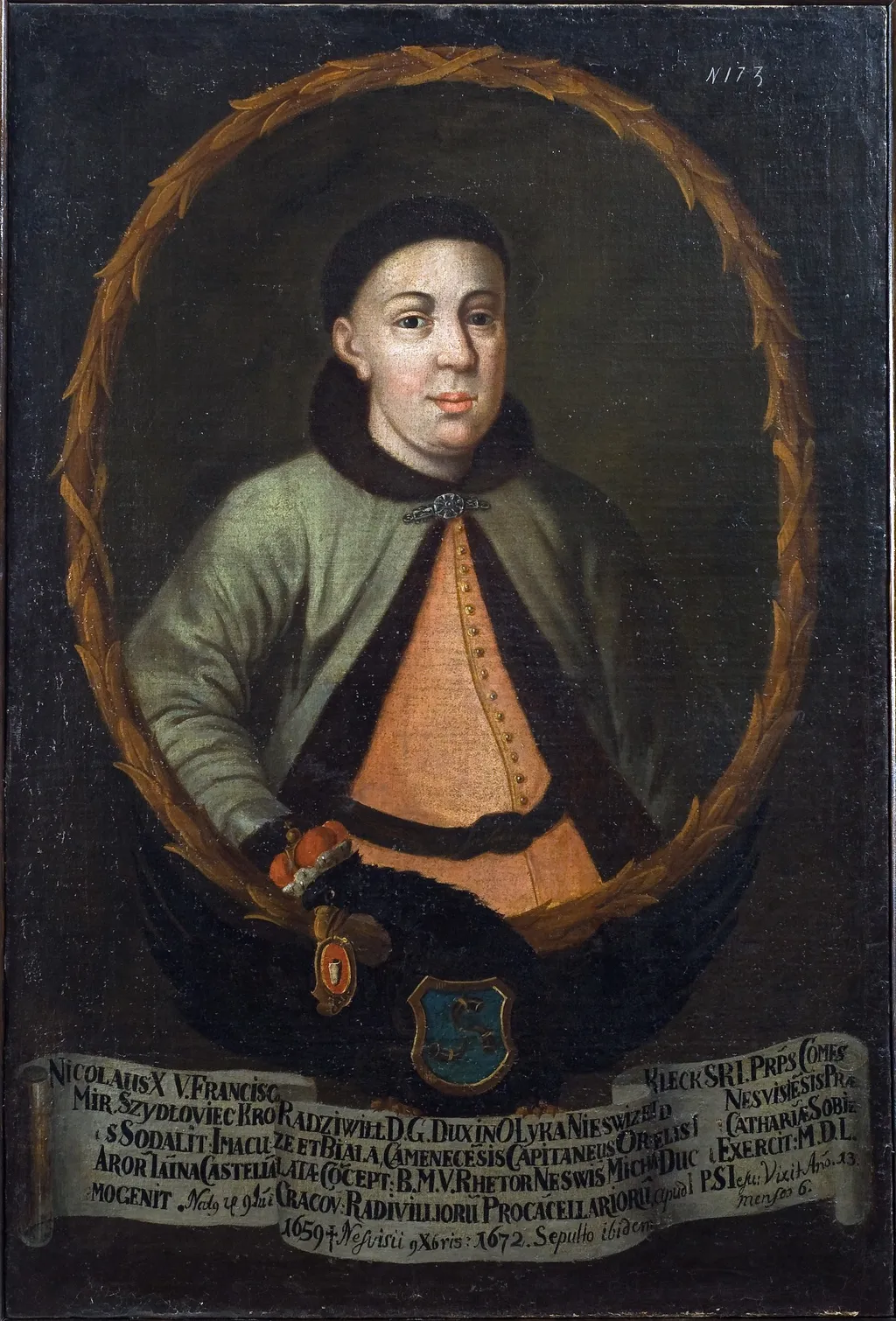
Portrait of Mikołaj Franciszek Radziwiłł (1659–1672) is an oil painting by the Rococo painting artist Unknown. It dates from 1735 and is held in the collection of the National Museum in Warsaw. The work is an oil painting titled Portrait of Mikołaj Franciszek Radziwiłł, dated between 1659 and 1672.
About this work
Overview
The work depicts a young male figure of the Radziwill family, combining heraldic and inscriptive elements with formal portraiture to commemorate a short life.
Portrait of Mikolaj Franciszek Radziwill (1659-1672) is an oil on canvas painting by an unknown artist, dated between 1733 and 1737. The artwork measures 111 cm in height and 74 cm in width and belongs to the portrait genre. It is part of a series of portraits set within painted laurel wreaths. The painting is held in the National Museum in Warsaw, where it is cataloged under the accession number MP 4789 MNW. The work depicts a young male figure of the Radziwill family, combining heraldic and inscriptive elements with formal portraiture to commemorate a short life.
Subject & Meaning
The painting depicts Mikolaj Franciszek Radziwill, a son of Michal and Katarzyna Sobieska, born on November 5, 1659, in Biala Podlaska, and deceased on December 9, 1672. He is shown as a youth facing slightly to his left, wearing a dark cap, a pale gray-green cloak with a dark fur collar fastened by a jeweled clasp, and a peach-colored doublet with small buttons beneath a dark vest. His right hand rests on his hip, displaying a sword hilt with an orange grip and a hanging medallion, signifying his noble status and martial lineage. Below the figure, a blue heraldic shield bearing gold devices is centered above a large inscribed scroll with Latin text, anchoring his identity within the broader Radziwill dynasty and its heraldic traditions.
Technique & Style
Executed in oil on canvas, the portrait demonstrates a smooth and controlled brushwork typical of formal portraiture. The artist employed a palette of deep browns, blacks, muted greens, and warm peach tones, highlighted by touches of gold in the laurel wreath and jewelry. The composition is structured around a painted oval laurel wreath frame that encloses the figure, set against a dark and muted background with subtle modeling. The overall finish is polished, with soft light illuminating the face and hands against the dark surroundings. Careful attention is given to textile textures and facial modeling, aligning the work with the naive portrait tradition represented in the National Museum in Warsaw's collection.
History & Provenance
Created between 1733 and 1737, the portrait is a posthumous representation, painted roughly six decades after the subject's death in 1672. The work forms part of the Niasviz Castle gallery of portraits, a substantial collection documenting the Radziwill family lineage. The painting eventually entered the collection of the National Museum in Warsaw, where it is identified by the artwork ID 510273 and accession number MP 4789 MNW. A small inscription reading N173 appears in the upper right corner of the canvas, likely an old inventory or collection mark from its history before or during its institutional tenure.
Context
The portrait operates within the tradition of dynastic memorialization prevalent among Central European nobility. As part of a series of portraits in a laurel wreath, it reflects a specific commemorative format used to assemble and visualize family heritage across generations. The Radziwill family, one of the most powerful magnate families in the Grand Duchy of Lithuania and the Polish-Lithuanian Commonwealth, utilized such extensive portrait galleries to assert their social and political standing. The posthumous creation of this image underscores the importance of documenting even brief lives, such as that of Mikolaj Franciszek, within the vast genealogical framework of the family's legacy.
Artist & collection









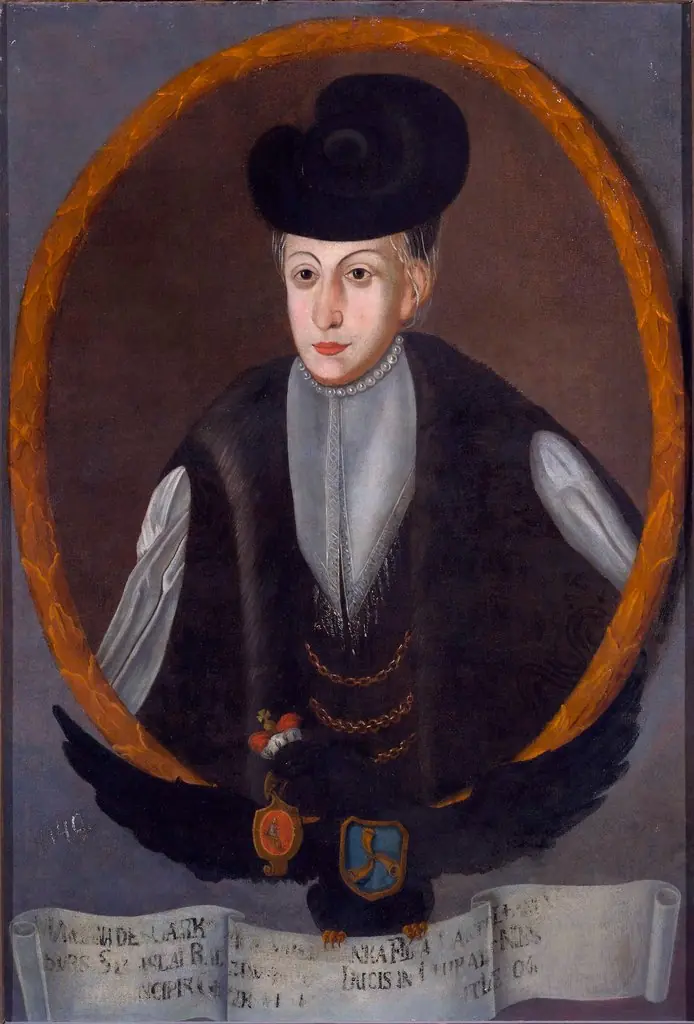
- Portrait of Marianna Radziwiłł née Myszka (1563–1600)
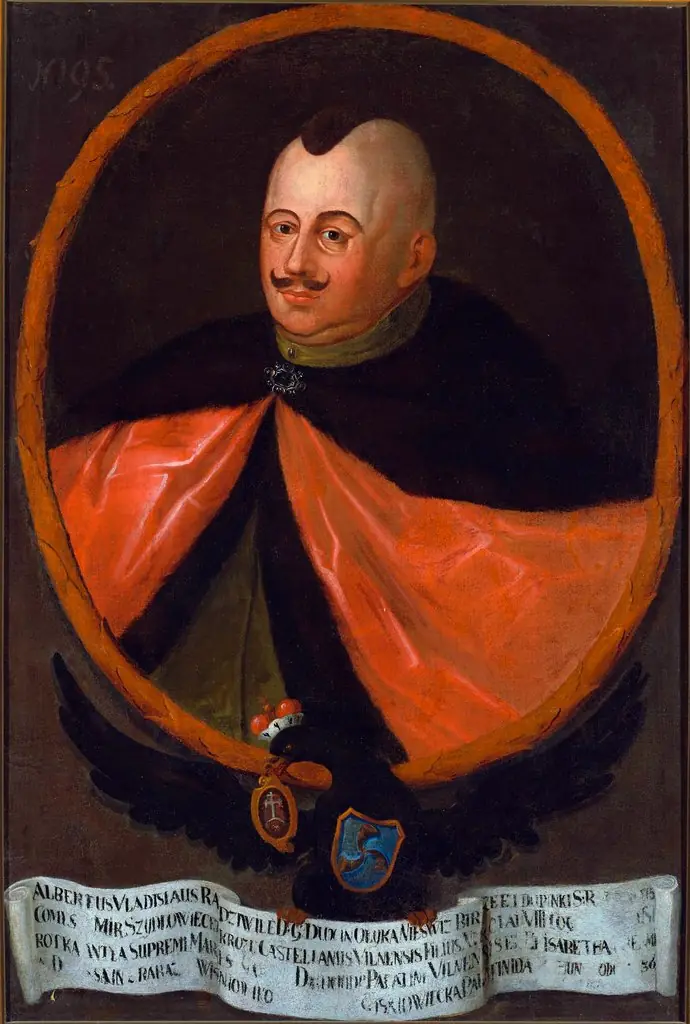 Portrait of Albert III Władysław Radziwiłł (1589–1636)
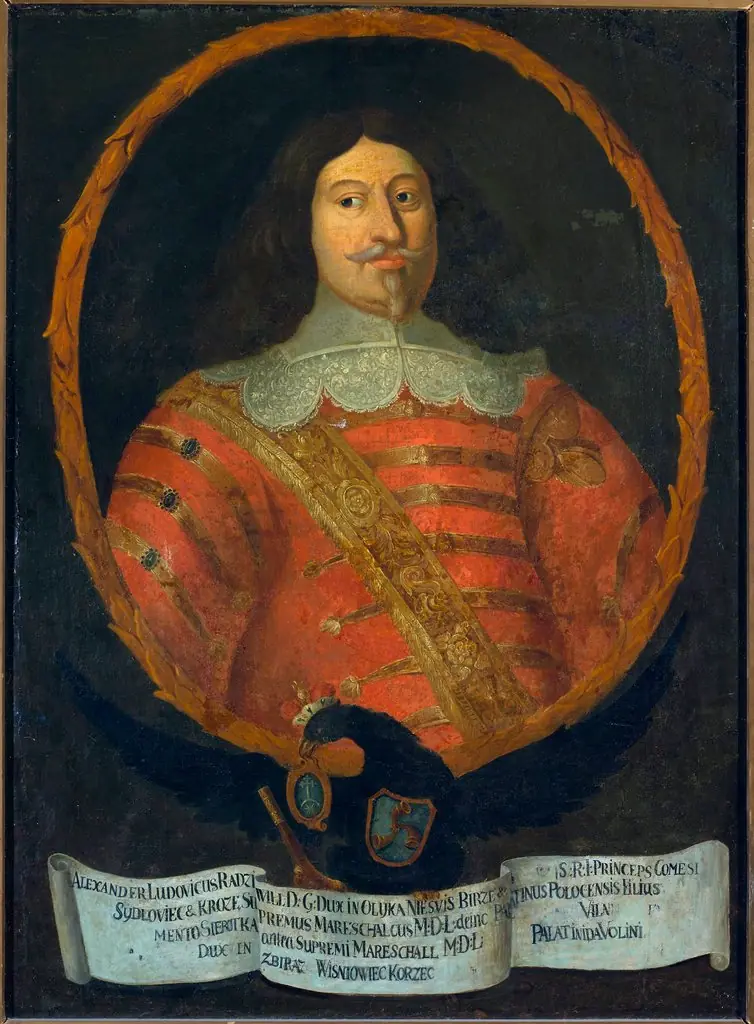 Portrait of Aleksander Ludwik Radziwiłł (1594–1654)
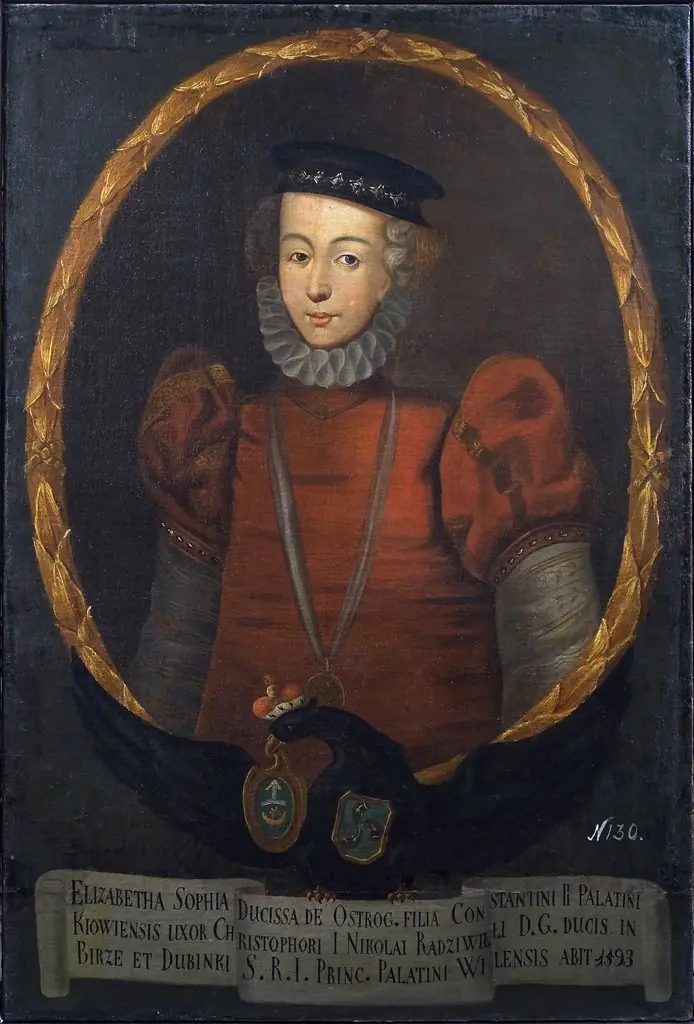 Portrait of Elżbieta Zofia Radziwiłł née Ostrogska (ca. 1560–1599)
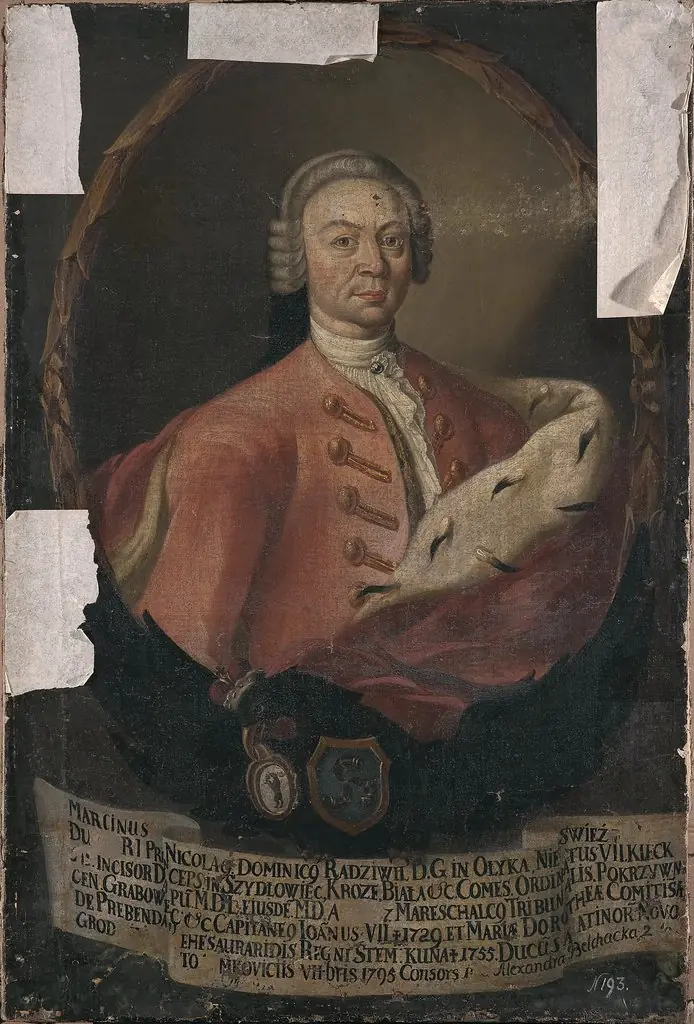 Portrait of Marcin I Mikołaj Radziwiłł (1705–1782)
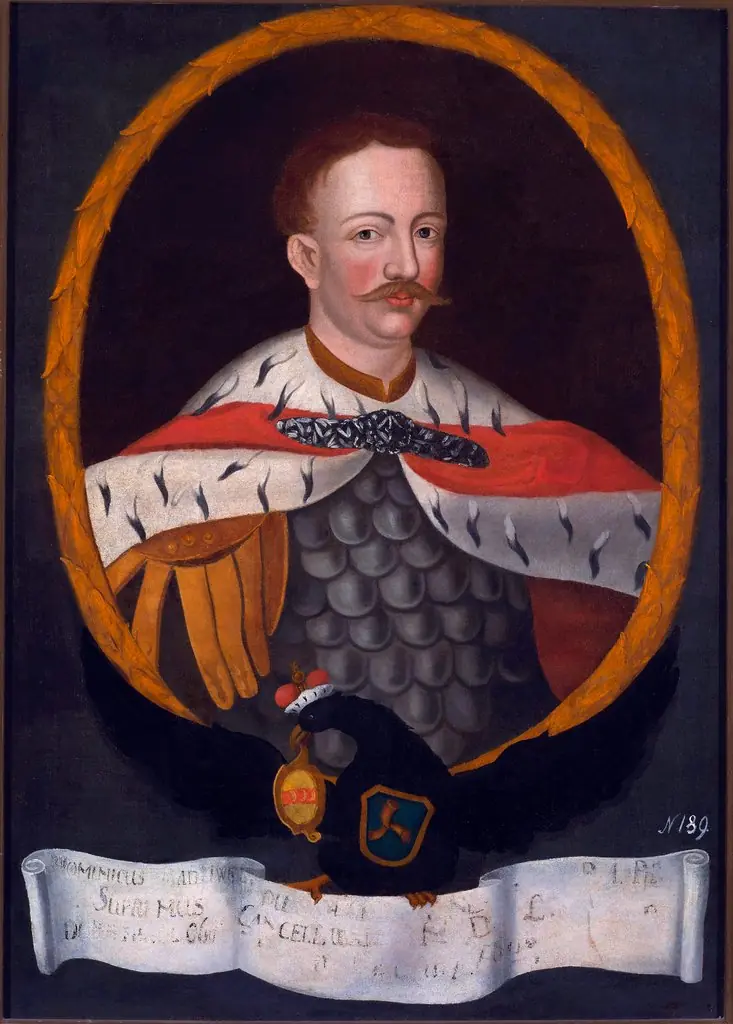 Portrait of Dominik I Mikołaj Radziwiłł (1643–1697)
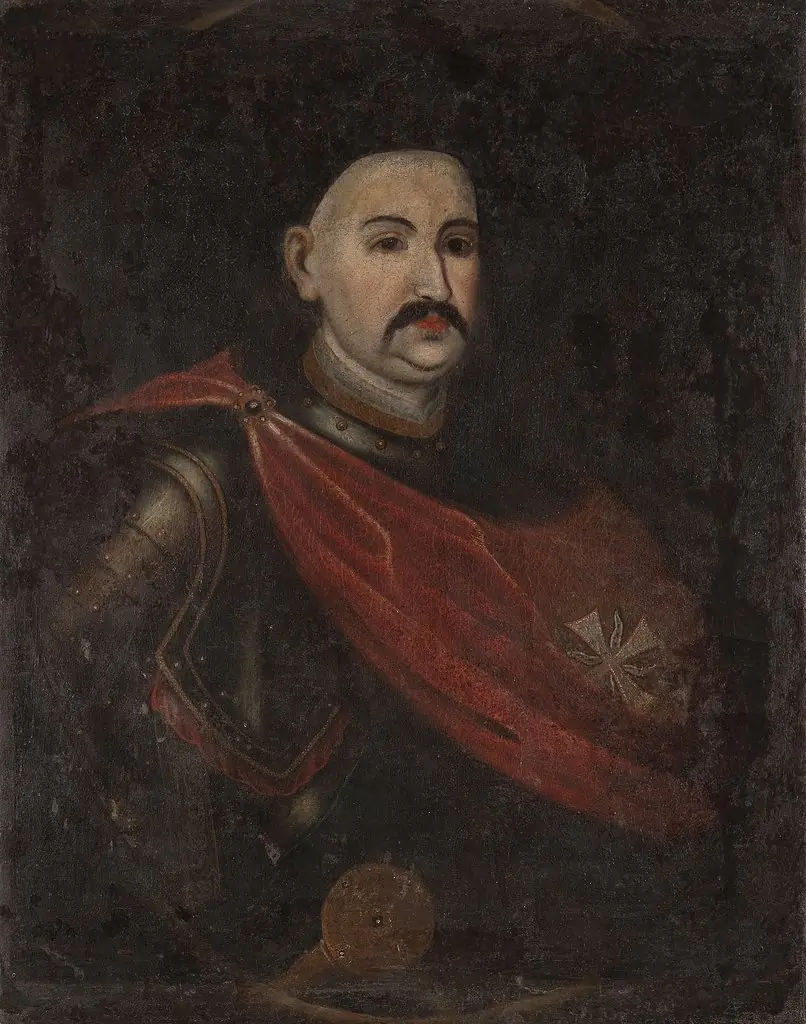 Portrait of Mikołaj Hieronim Sieniawski