Artwork
Portret van een man
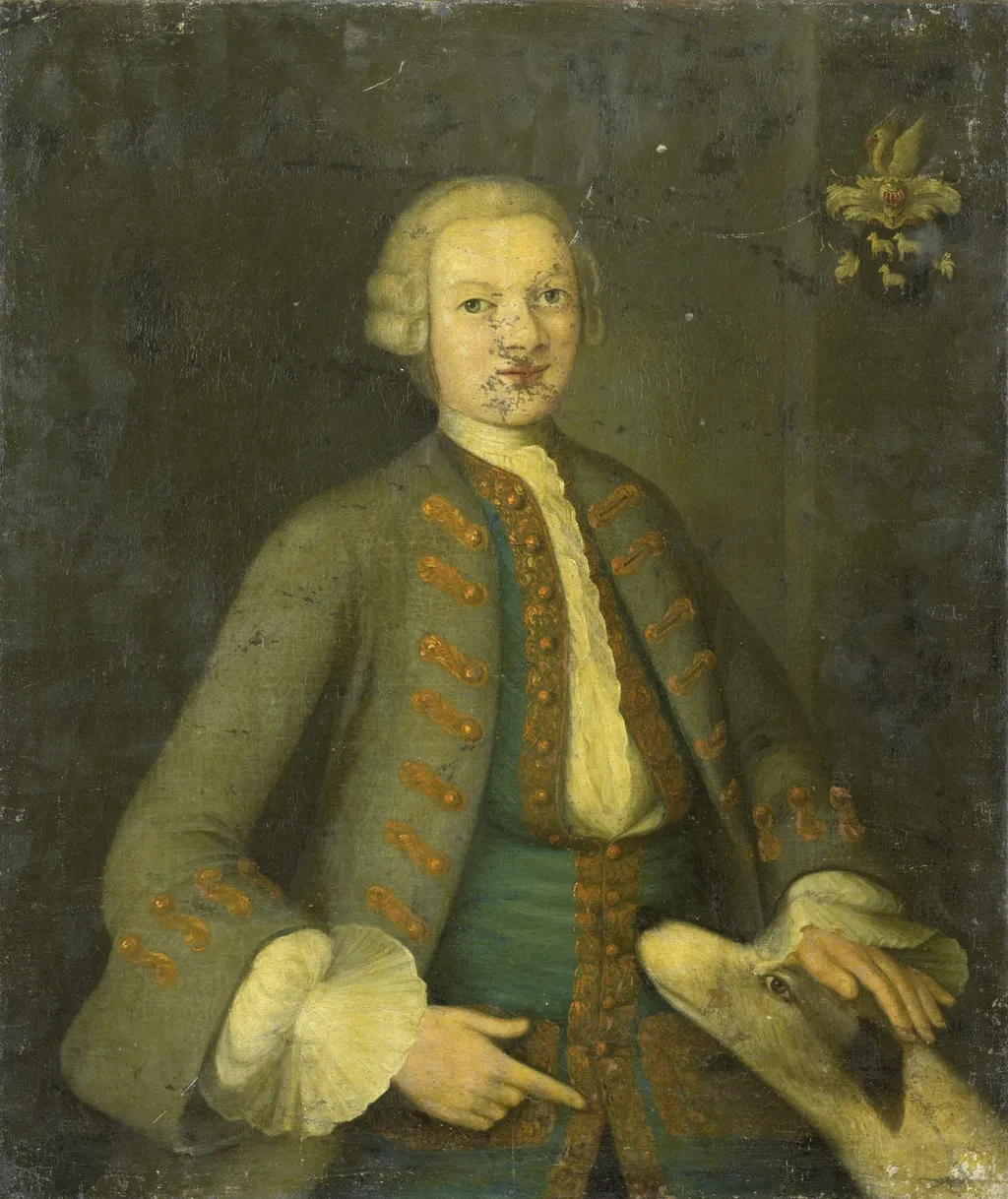
Portret van een man is an oil painting. It dates from 1760 and is held in the collection of the Rijksmuseum. The work is an oil painting portraying a gentleman from the waist up.
About this work
Subject & Meaning
Created in 1760 in the Northern Low Countries, the painting presents an anonymous male figure without additional contextual elements or narrative scenes.
The work is a portrait depicting a single man, identified as the main subject of the composition. Created in 1760 in the Northern Low Countries, the painting presents an anonymous male figure without additional contextual elements or narrative scenes. As a straightforward genre piece, the image focuses entirely on the representation of the individual, lacking specific iconographic attributes or symbolic objects that would suggest a deeper allegorical meaning or a particular historical identity.
The depiction serves as a direct visual record of the sitter rather than a vehicle for complex symbolism.
Technique & Style
The painting is executed in oil on canvas, with the support measuring 54 cm in height and 46 cm in width.
The handling is consistent with eighteenth-century Northern European portraiture, employing smooth, blended brushwork to render the sitter’s features with restrained realism. Subtle tonal transitions model the face and hands, while the restrained palette, dominated by earthy ochres and soft blacks, prioritizes clarity and dignity over dramatic effect. The restrained application and careful layering suggest a professional studio practice typical of the period.
Overview
The work is an oil painting portraying a gentleman from the waist up. He wears an elaborate green coat trimmed with gold buttons, a matching green waistcoat, and a white shirt, complemented by a lace cravat. His right hand rests on a surface while his left hand points downward, and a small bird appears in the upper right corner.
History & Provenance
The painting is catalogued under the Dutch title “Portret van een man.” No further details about its creation date, artist, or ownership history are provided in the available information.
Context
The work reflects the 17th‑century Dutch portrait tradition, where affluent patrons commissioned likenesses that emphasized clothing and material wealth. The elaborate green costume and gold detailing align with contemporary fashions among the mercantile elite.
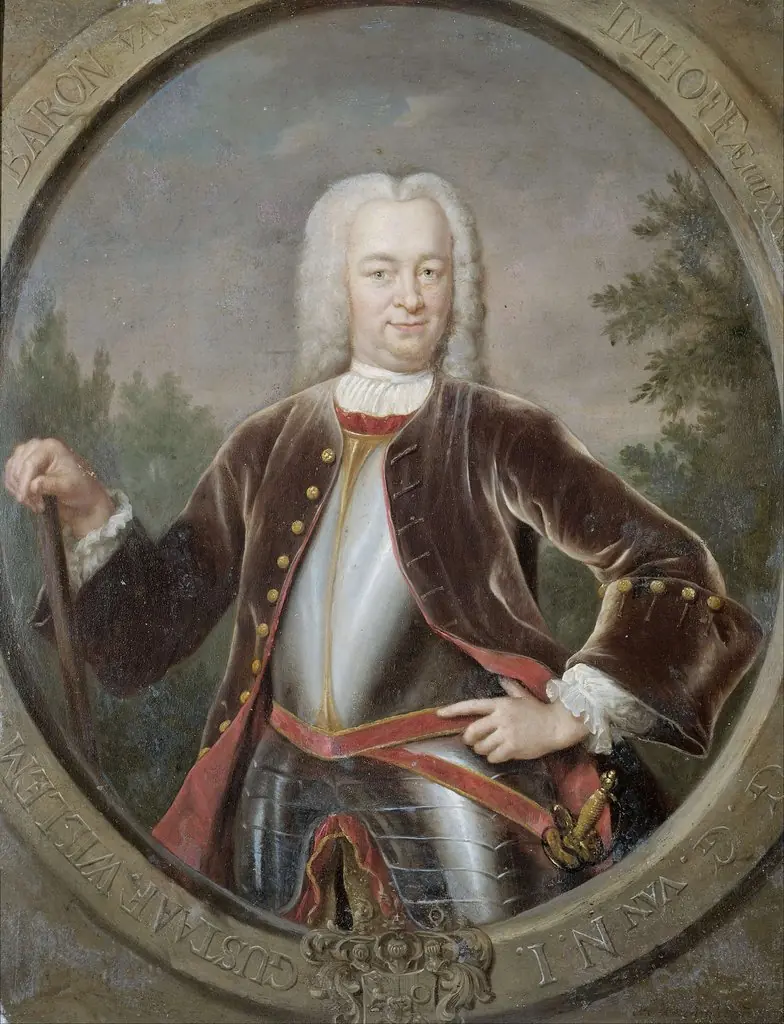
Artist & collection

- Portrait of Gustaaf Willem, Baron van Imhoff, Governor-General of the Dutch East India Company
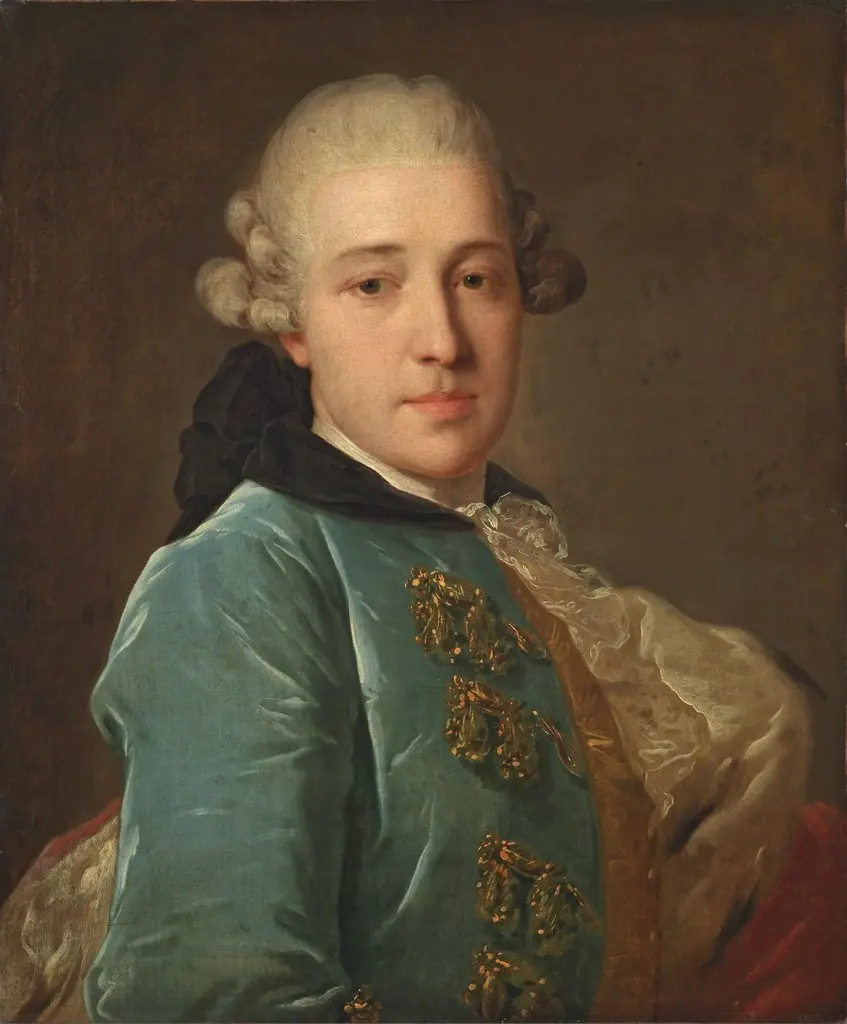 Portrait of Prince Dmitry Mikhailovich Golitsyn
 Contele Gotter
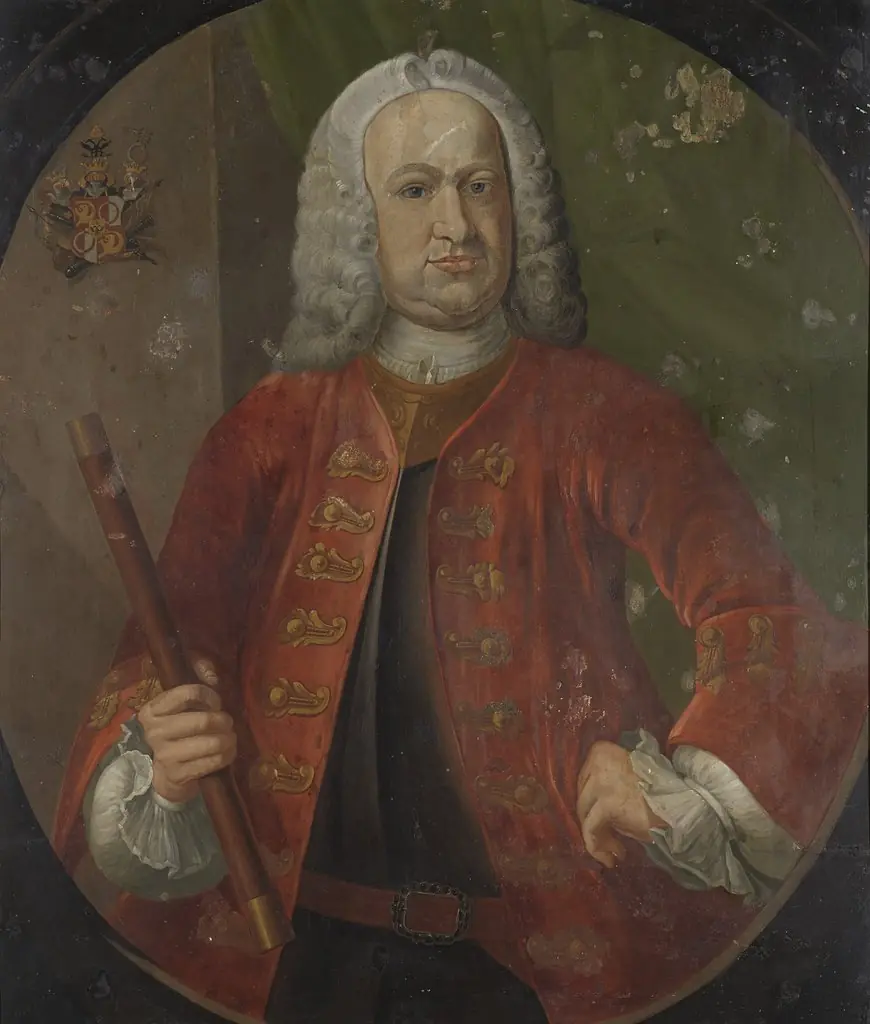 Portrait of Gustaaf Willem, Baron van Imhoff, Governor-General of the Dutch East India Company
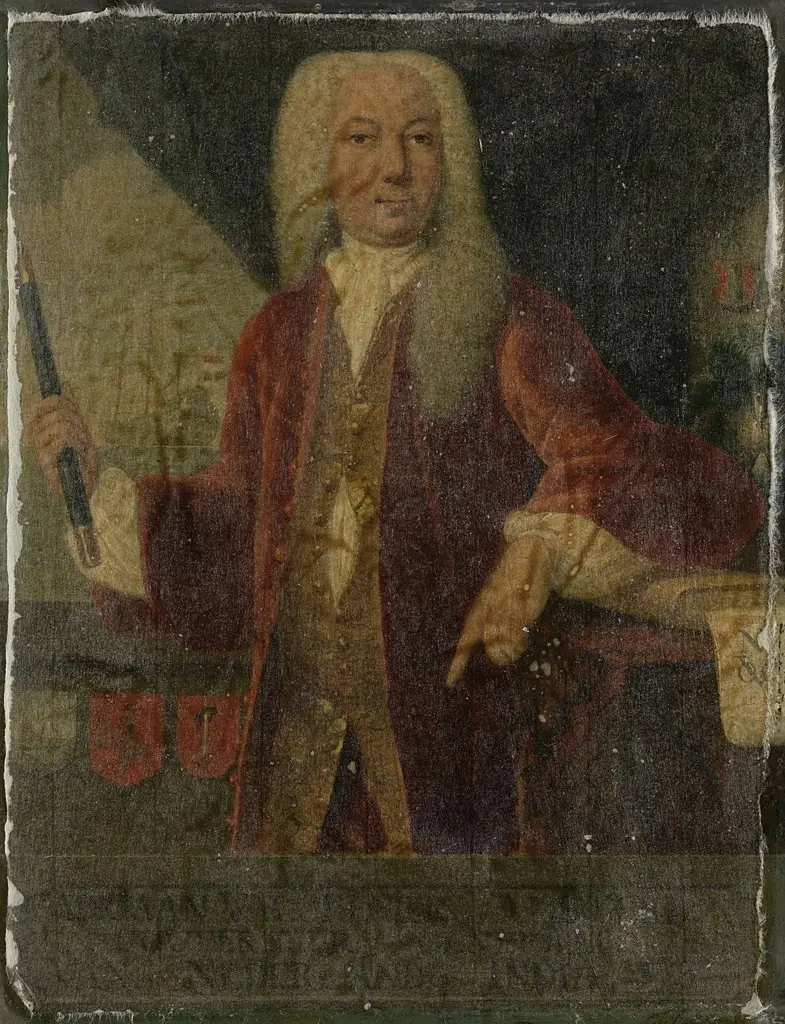 Portrait of Adriaan Valckenier (1695-1751), Gouverneur-generaal (1737-41)
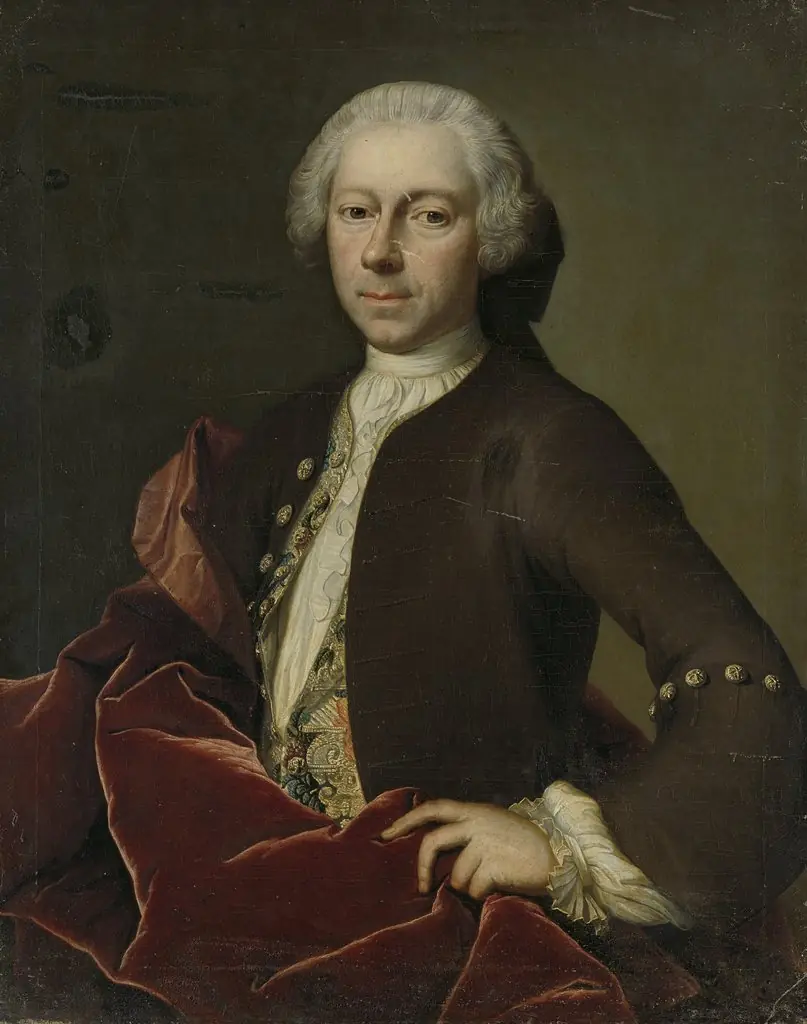 Portrait of Pieter Parker, Alderman, Burgomaster and Councilor of Goes
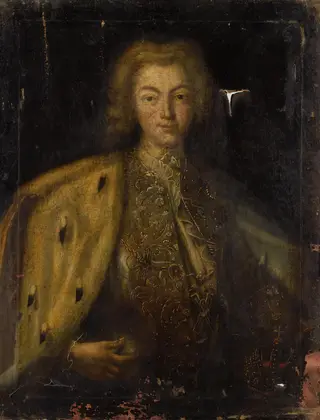 Portrait of Peter II
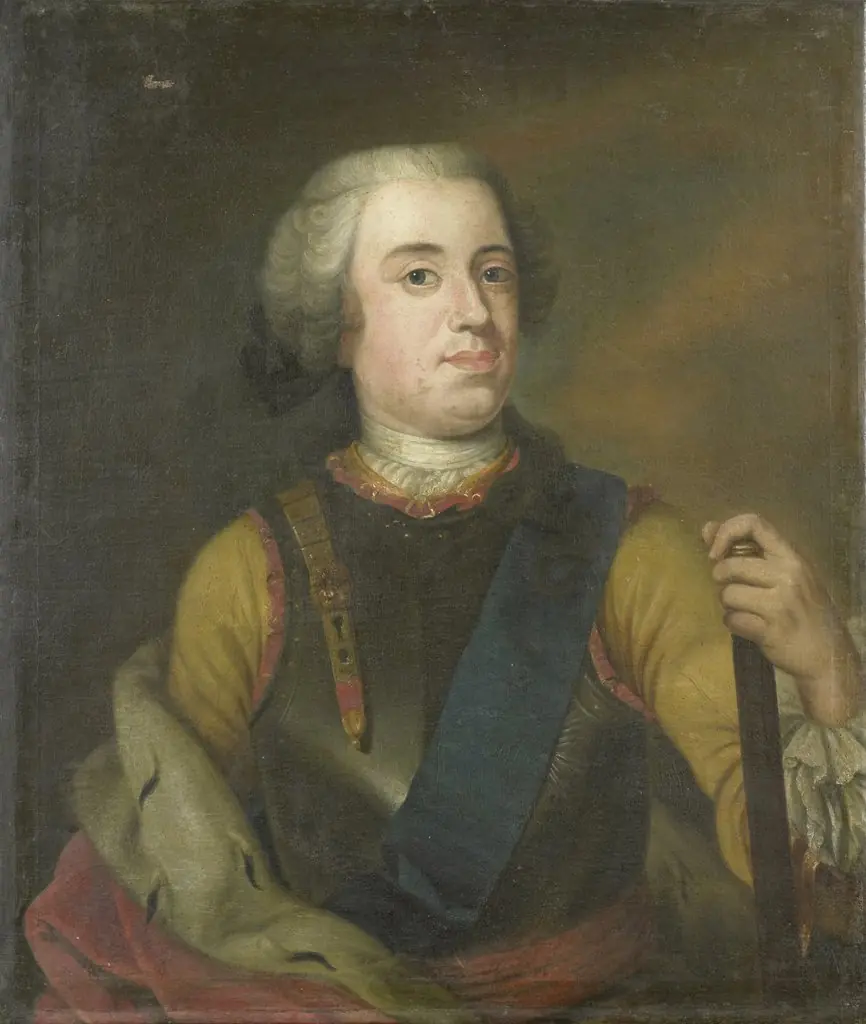 Portrait of William IV, Prince of Orange
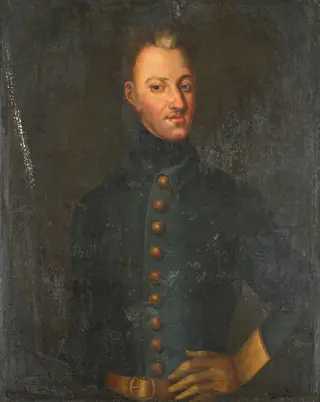 Charles XII (1682-1718), King of Sweden
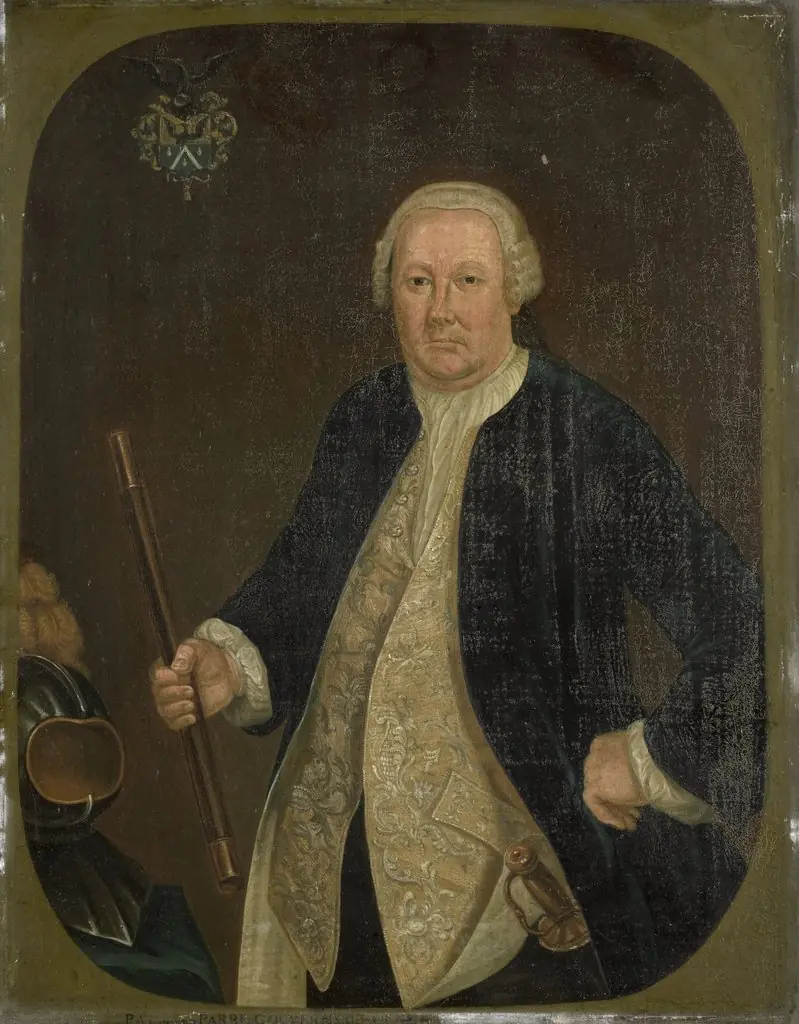 Portrait of Petrus Albertus van der Parra (1714-1775)
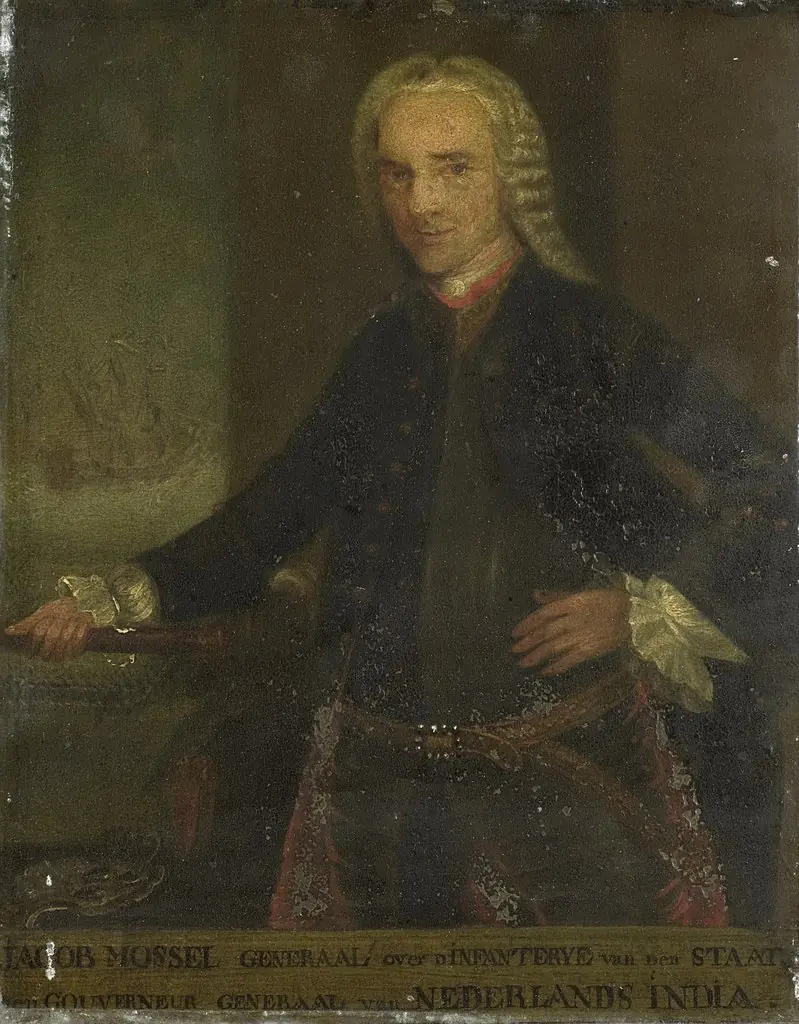 Portrait of Jacob Mossel (1704-1761)
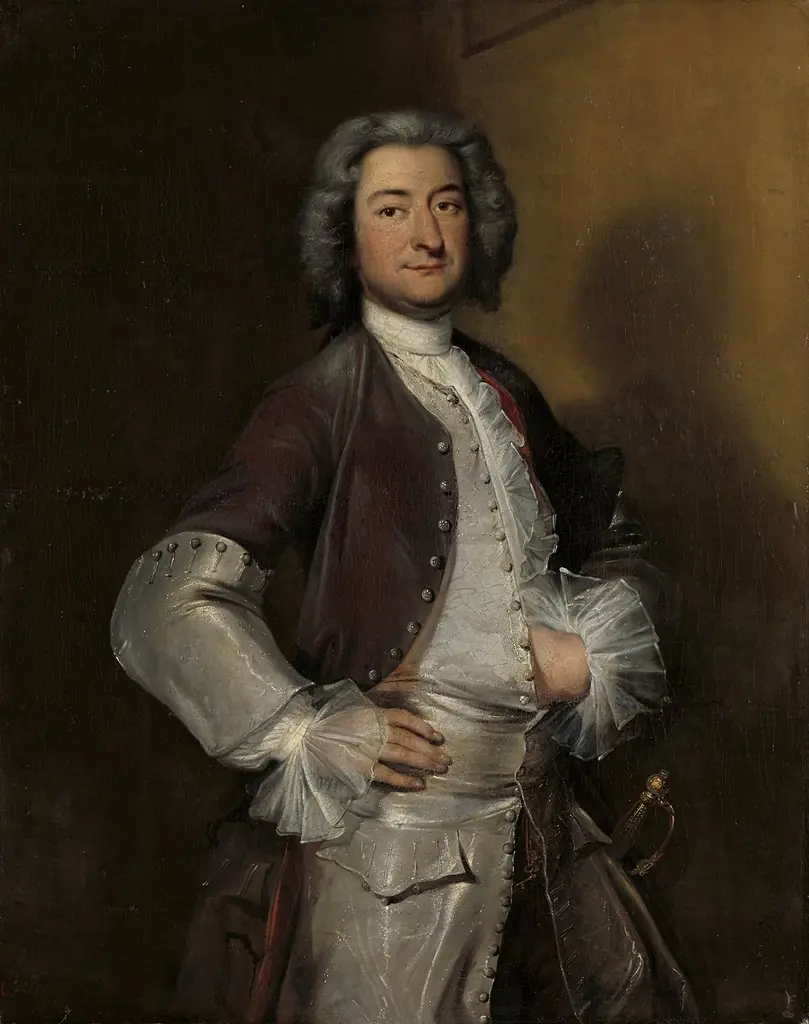 Portrait of Isaac Sweers, Chief Officer of Amsterdam and Governor of the Dutch East India Company