Artwork
Portrait of Sergey N. Lanskoy (1774-1814)
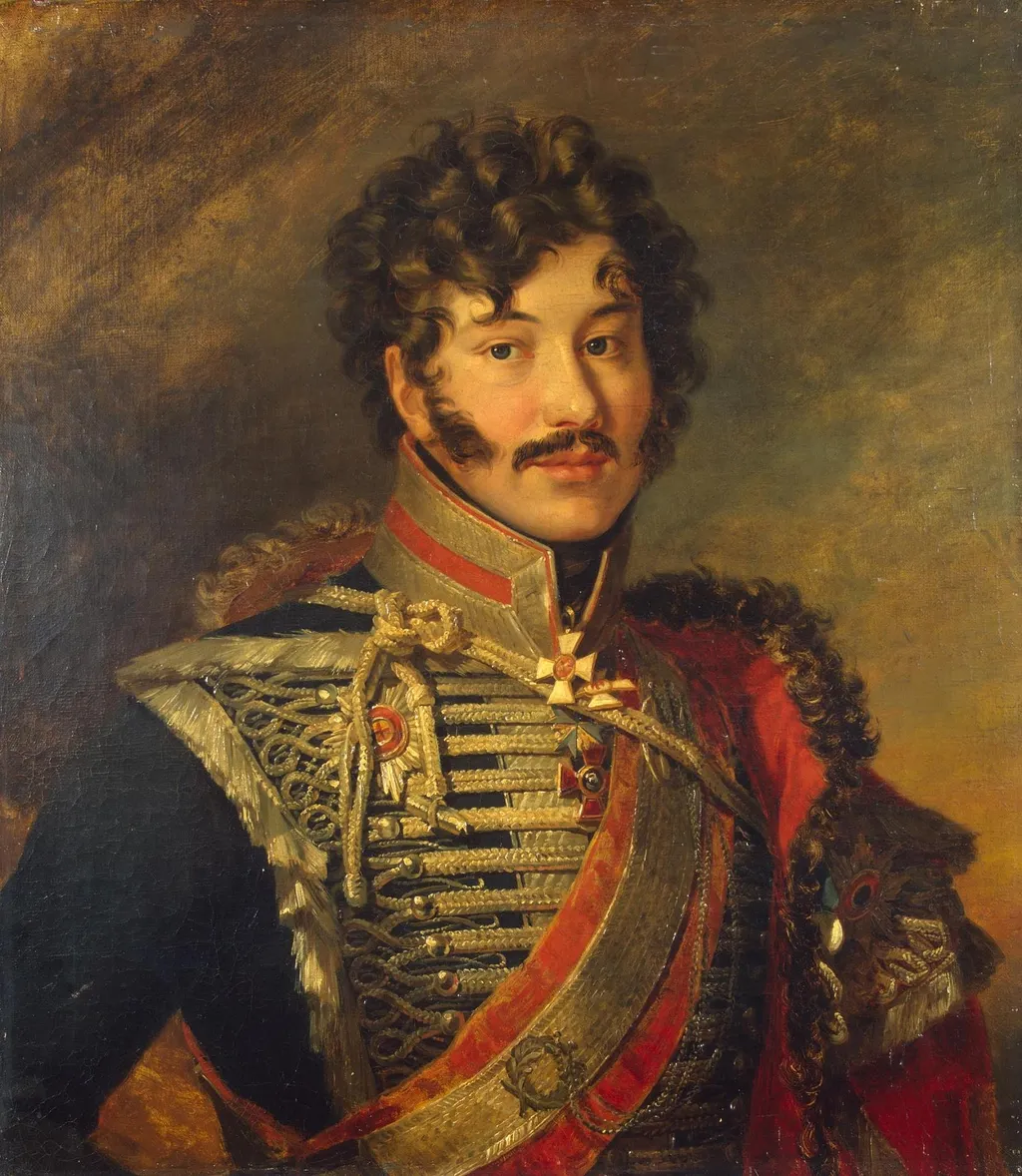
Portrait of Sergey N. Lanskoy (1774-1814) is an oil painting by the Russian Icon artist Unknown. It dates from 1822 and is held in the collection of the Hermitage Museum. The work is an oil painting portraying a gentleman dressed in an elaborate military costume.
About this work
Overview
Lanskoy (1774-1814) is an oil-on-canvas portrait painted between 1822 and 1825, now in the collection of the State Hermitage Museum in St.
The Portrait of Sergey N. Lanskoy (1774-1814) is an oil-on-canvas portrait painted between 1822 and 1825, now in the collection of the State Hermitage Museum in St. Petersburg. Measuring 70 by 62.5 centimeters, the work is attributed to the English painter George Dawe and his workshop, though some sources list the artist as unknown. The portrait belongs to the celebrated Military Gallery of the Winter Palace, a grand series of portraits commemorating Russian commanders who served during the Napoleonic Wars. As a posthumous likeness of a deceased general, the painting exemplifies the documentary and commemorative function of military portraiture in early nineteenth-century Russia, preserving the image of a significant figure for posterity while serving the political aims of the imperial state.
Subject & Meaning
The subject, Sergey Nikolaevich Lanskoy, was a Russian military officer who lived from 1774 to 1814. The portrait presents him as a bust-length figure turned three-quarters toward the viewer, his direct gaze meeting ours with an air of composed authority. His elaborate military uniform signals rank and distinction: a high collar trimmed in red, heavy gold braid and frogging across the chest, epaulettes with fringe, and a diagonal red sash. Multiple decorations hang from neck and chest, including a cross-shaped order, while a dark fur-trimmed pelisse drapes over his left shoulder. These insignia and ornaments are not merely descriptive but operate as a visual language of service and honor, transforming the portrait into a document of military identity. The posthumous nature of the work, painted after Lanskoy's death in 1814, suggests it functioned as a memorial, ensuring his continued presence within the pantheon of Russian military heroes assembled in the Winter Palace gallery.
Technique & Style
Executed in oil on canvas, the portrait displays the characteristic handling of British portrait traditions adapted to Russian imperial requirements. Light falls from the left, illuminating the face and metallic elements of the costume, which are rendered with precise, smooth technique. The brushwork in the uniform and decorations is tight and detailed, contrasting with the softer, more fluid treatment of the subject's thick, curly dark hair and the atmospheric background. The palette is dominated by deep blues, reds, golds, and earthy browns, with the warm brown and gray tones of the nondescript background kept deliberately loose to focus attention on the figure. This contrast between meticulous finish in the regalia and broader handling in secondary areas is typical of workshop production, where assistants may have contributed to the execution. The surface shows fine craquelure throughout, consistent with its age and medium.
History & Provenance
The portrait was created for the Military Gallery of the Winter Palace, a monumental project initiated after the Napoleonic Wars to honor Russian commanders. Dating sources vary slightly: the Hermitage records沉没records give 1822, while broader estimates place the work between 1822 and 1825, with some sources specifying "no later than 1825." The painting entered the collection of the State Hermitage, St. Petersburg, where it remains today, and is catalogued under Hermitage Museum work ID 39278. Its place within the Military Gallery indicates it was conceived as part of a coordinated decorative program rather than as an independent commission. The portrait has been exhibited and reproduced as part of this historic ensemble, with photographic documentation dating from at least 2007.
Context
George Dawe, an English painter who worked in Russia from 1819 until his death in 1829, was the principal artist responsible for the Military Gallery portraits, though his workshop played a substantial role in their production. The attribution of this particular canvas to "George Dawe (and workshop)" rather than to the master alone reflects the collaborative nature of such large-scale series, where speed and consistency were essential. The Military Gallery itself, located in the Winter Palace, represented one of the most ambitious portrait projects of its era, eventually comprising hundreds of likenesses. Dawe's role in this enterprise established him as a key figure in Russian artistic life, even as the workshop system complicates straightforward attribution. The portrait of Lanskoy, made after the subject's death, would have relied on earlier likenesses or descriptions, a common practice in commemorative series where not all subjects could be portrayed from life.
Legacy
The Portrait of Sergey N. Lanskoy endures as a component of one of the most significant collections of military portraiture in existence. The Military Gallery of the Winter Palace remains a major attraction at the Hermitage Museum, preserving the memory of the 1812 campaign and its participants for successive generations. The work's reproduction and circulation through stock image agencies and museum databases has extended its reach beyond the gallery walls, though this dissemination sometimes flattens the distinction between Dawe's autograph works and workshop products. For scholars, the portrait exemplifies the challenges of attribution in workshop practice and the role of posthumous portraiture in constructing national memory. Its continued presence in the Hermitage collection ensures its place within the broader narrative of Russian military history and the visual culture of the early nineteenth century.
Artist & collection









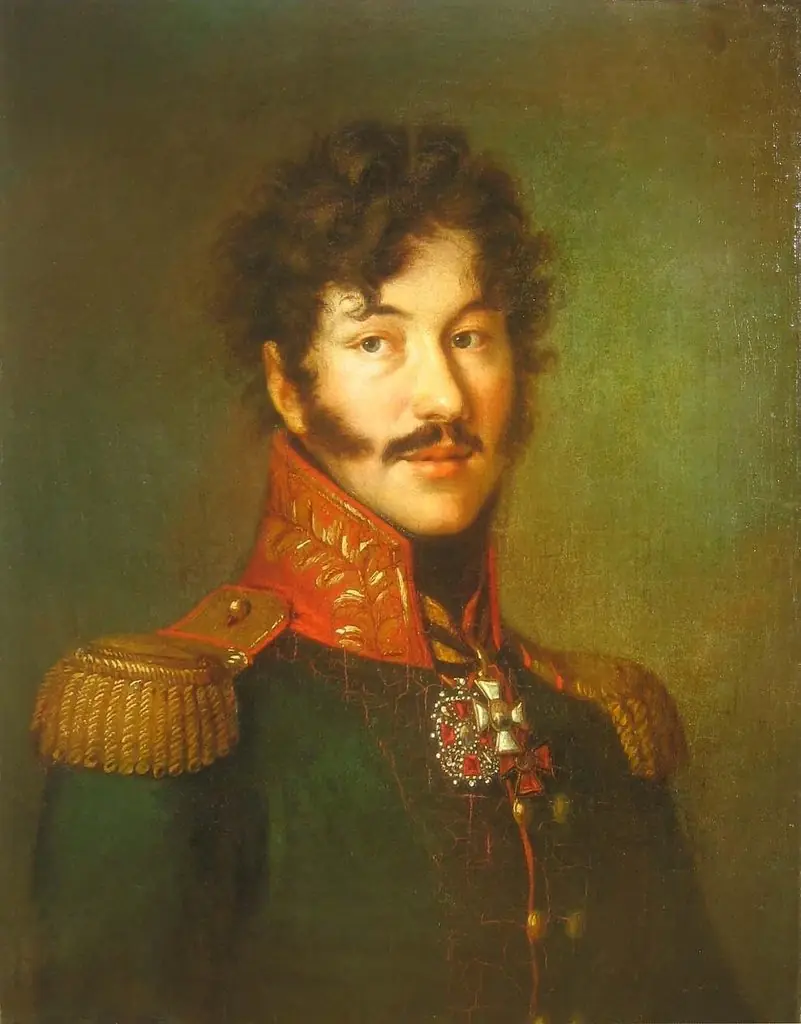 Portrait of S.N.Lanskoy
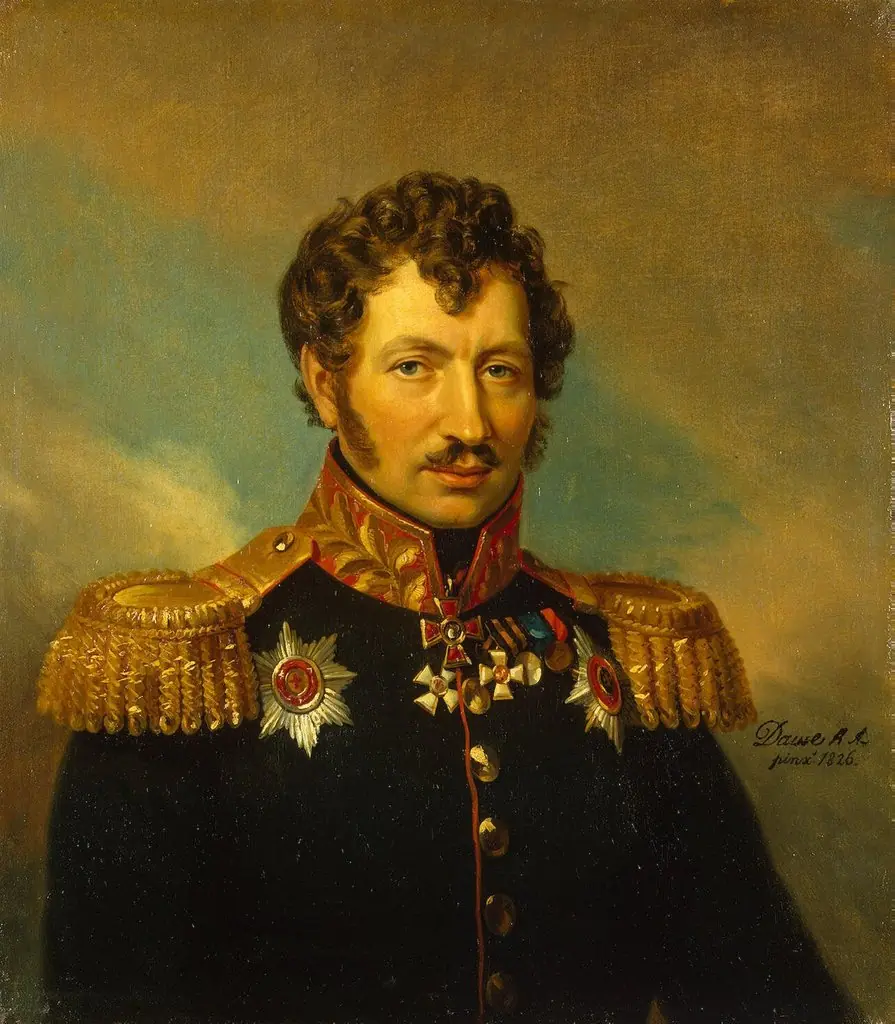 Portrait of Cyprian A. von Kreuz (1778-1850)
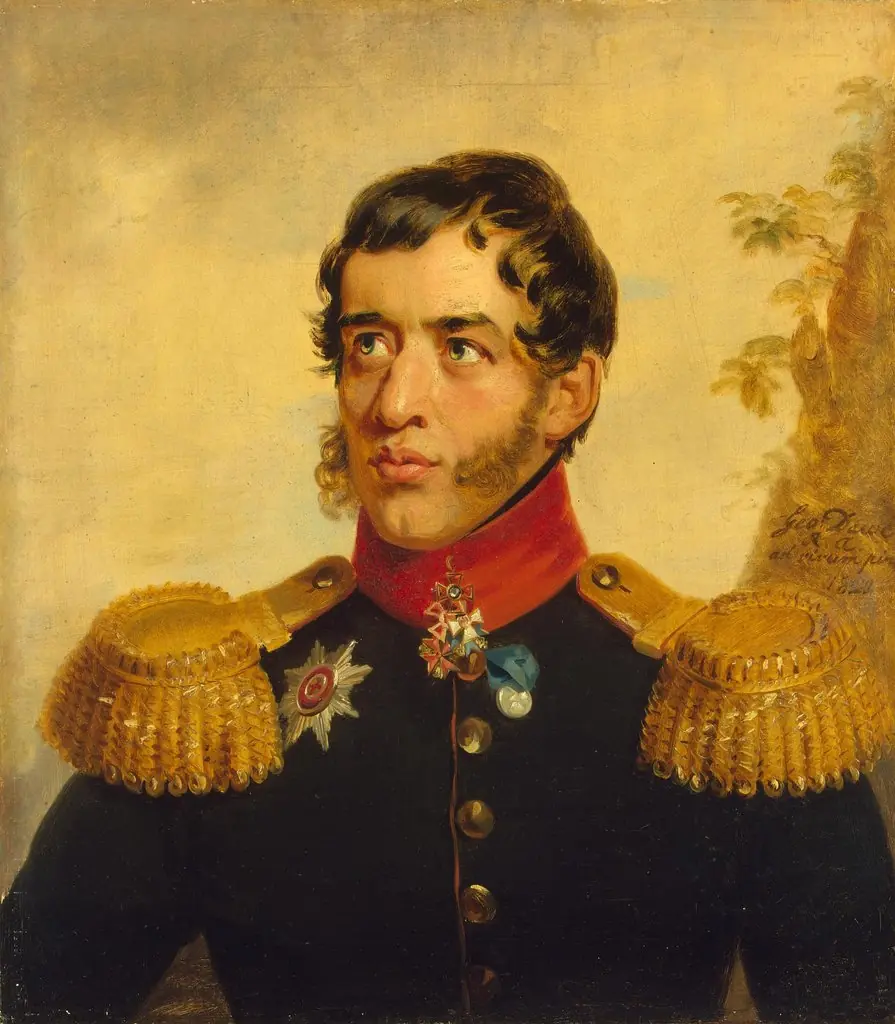 Portrait of Sergey G. Volkonsky (1788-1865)
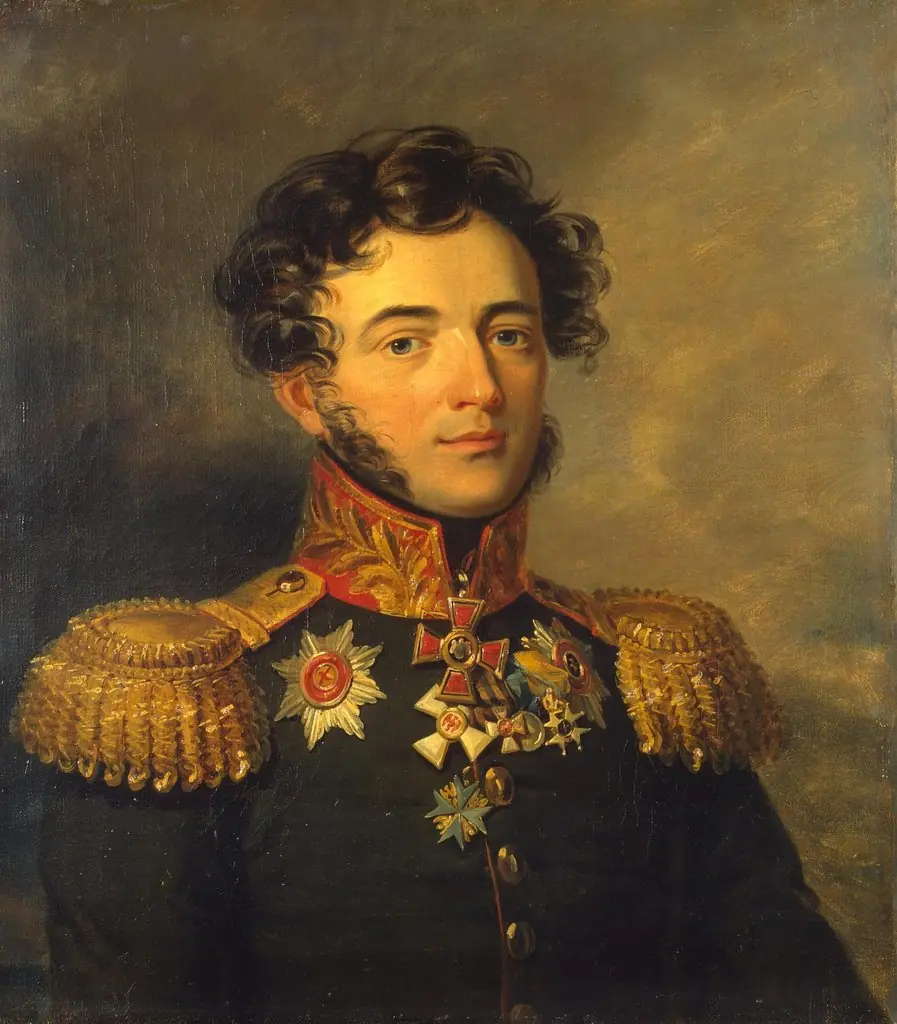 Portrait of Sergey F. Zheltukhin (1776-1833)
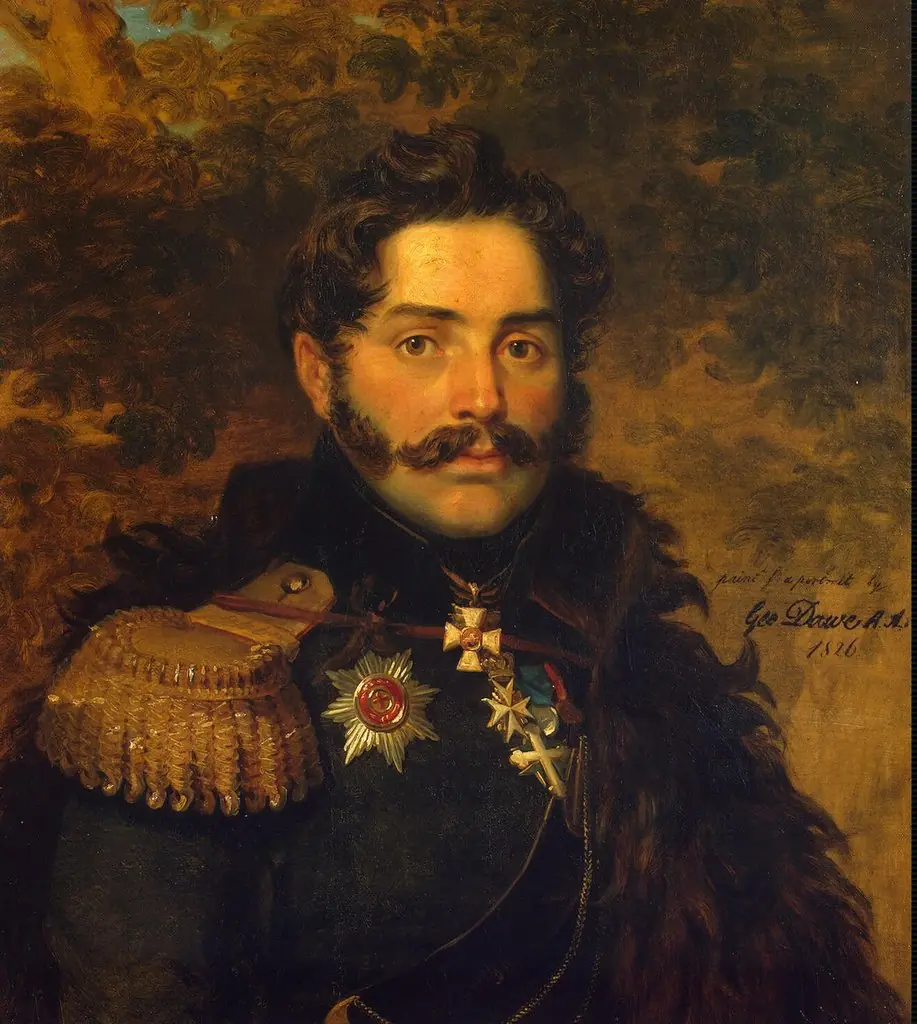 Portrait of Alexander F. Shcherbatov (1773-1817)
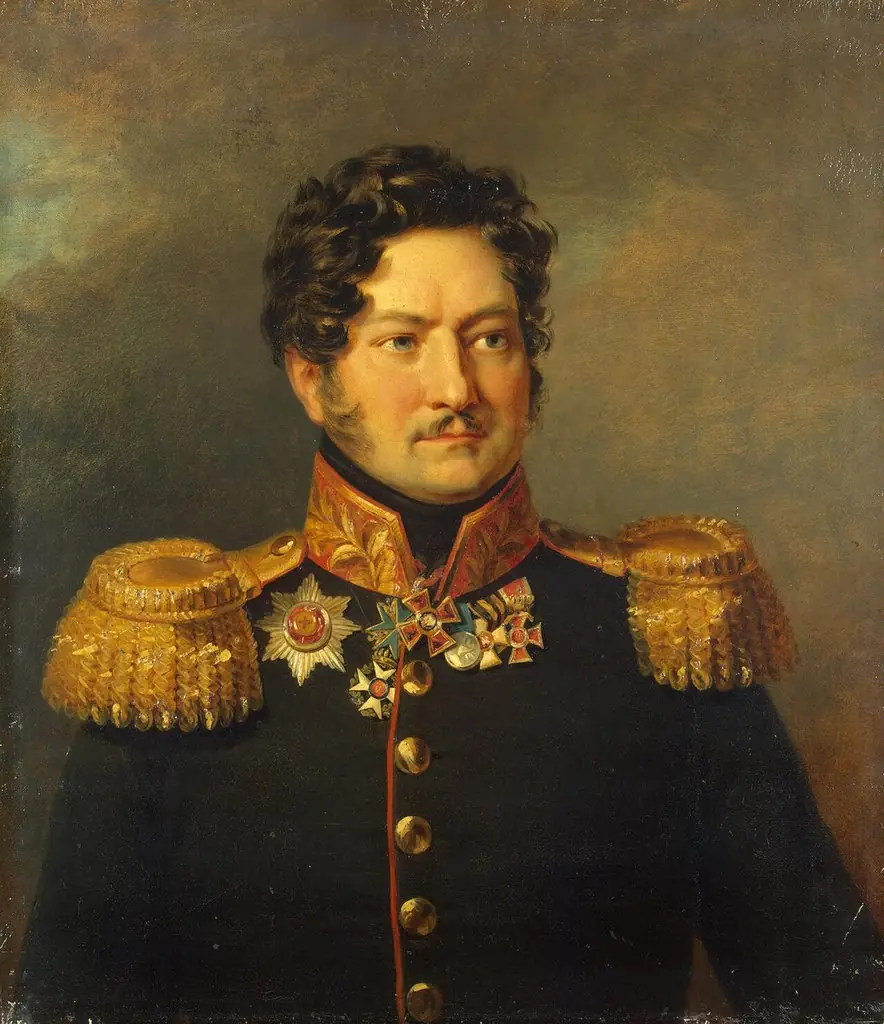 Portrait of Dmitry L. Ignatyev (1771-1833)
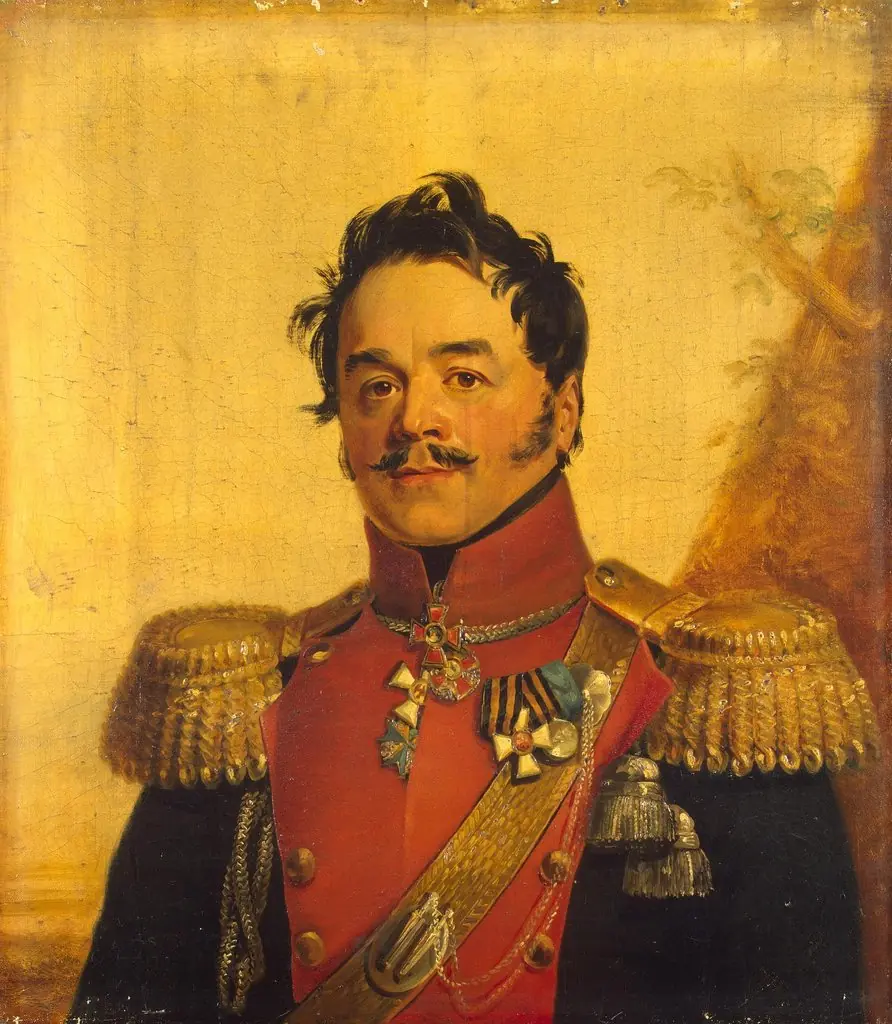 Portrait of Nikolai G. Shcherbatov (1777-1845)
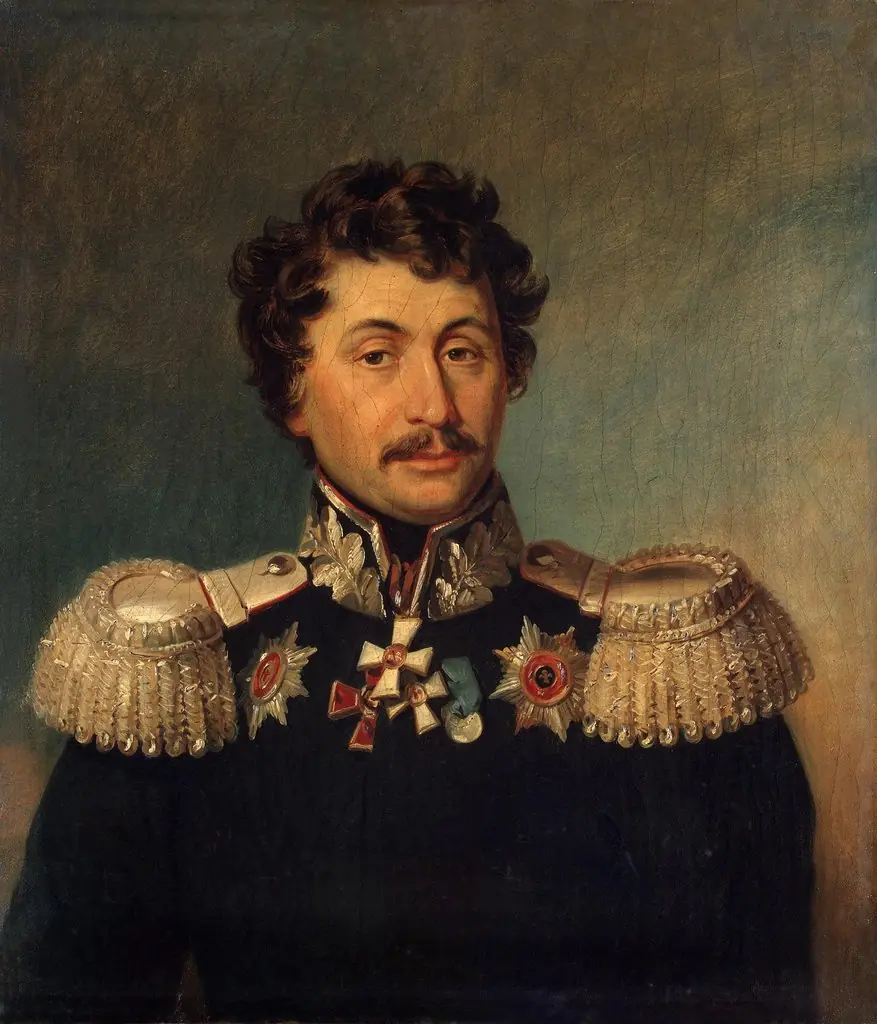 Portrait of Nikolai V. Ilovaisky (1772/73-1838) (5th)
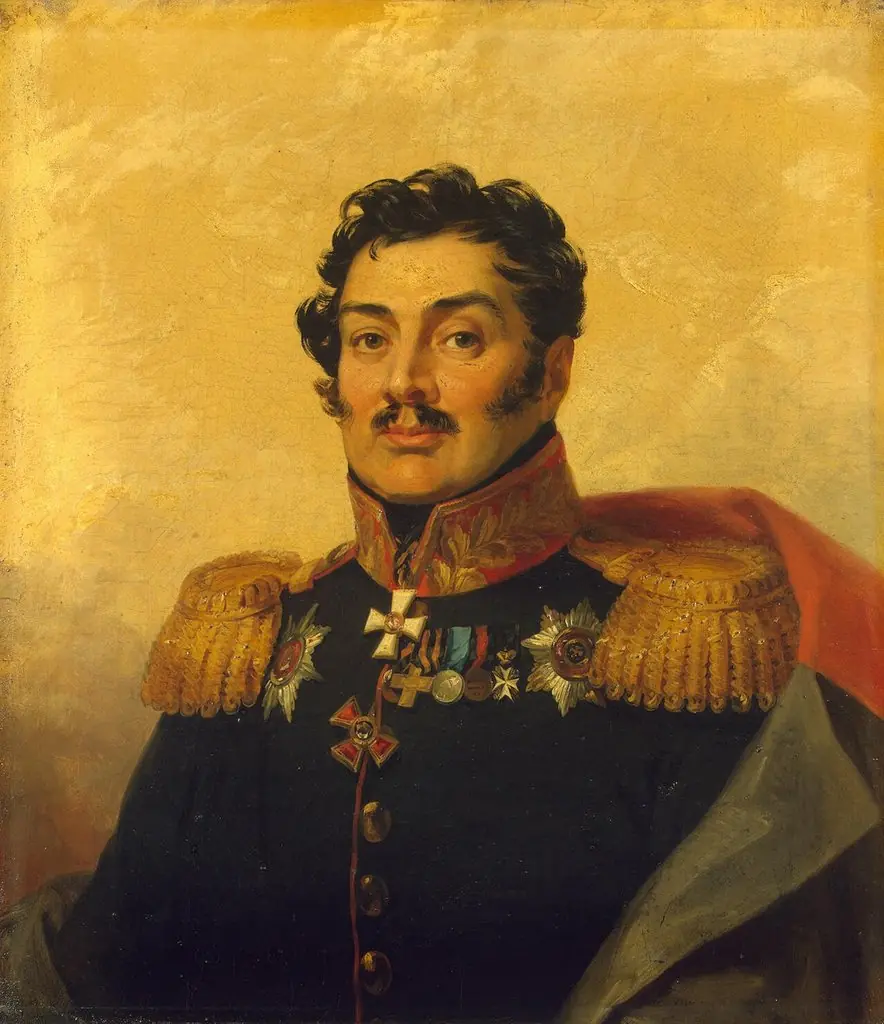 Portrait of Dmitry D. Shepelev (1771-1841)