Artwork
Procession of cupids
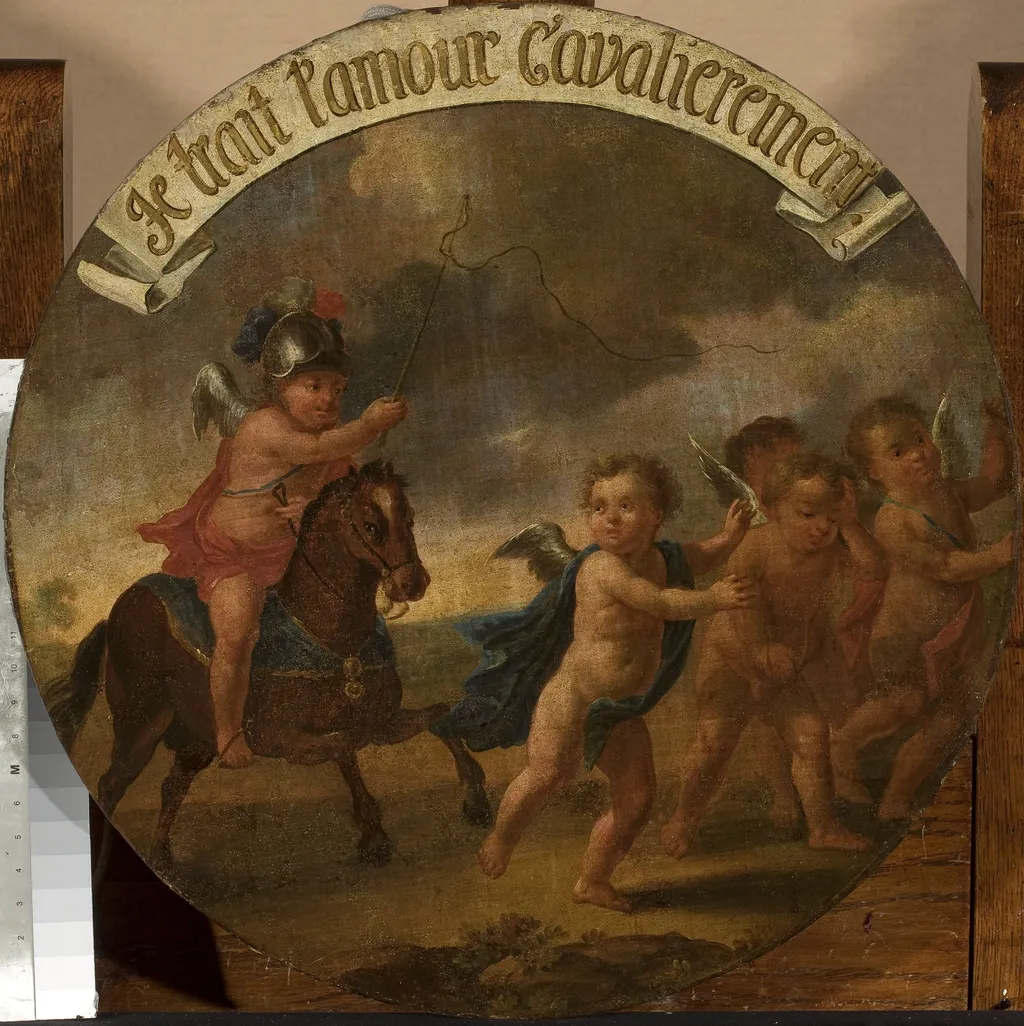
Procession of cupids is an oil painting by the Flemish Baroque painting artist Unknown. It dates from 1625 and is held in the collection of the National Museum in Warsaw.
About this work
The painting is held at the National Museum in Warsaw, which suggests it's considered important enough to be part of a national collection.
The painting is titled "Procession of cupids" and was made in 1625. It's an oil painting, which was a common medium back then. The artist who made it is not well-known to me, so I won't speculate about their style or other works.
The painting is held at the National Museum in Warsaw, which suggests it's considered important enough to be part of a national collection. This fact alone makes it interesting, as it implies the painting has some historical or cultural significance.
You can learn more about this type of art by looking into the technique of glazing.
Overview
Created in 1625, 'Procession of Cupids' is an oil painting held in the National Museum in Warsaw. Its inclusion in a national collection indicates recognition of its historical value, though the artist remains unidentified. The work belongs to a period when oil on panel or canvas was the dominant medium for European easel painting, particularly in regions influenced by Northern Renaissance traditions.
Subject & Meaning
The painting depicts a procession of cupids, mythological figures associated with love and desire. Their orderly movement suggests a ritual or allegorical scene, possibly reflecting contemporary themes of courtly love, moral allegory, or the playful nature of human passion. Such imagery was common in early 17th-century art, often serving as decorative or symbolic commentary rather than narrative storytelling.
Technique & Style
Executed in oil paint, the work likely employs glazing techniques to achieve subtle transitions of light and color, a hallmark of Northern European painting at the time. The composition appears orderly and intimate, with figures arranged in a linear formation. Details are rendered with care, though the style lacks the dramatic intensity seen in contemporaneous Baroque works from Italy or Spain.
History & Provenance
The painting has been part of the National Museum in Warsaw’s collection since at least the 19th century. Its presence there suggests it was acquired during a period of national cultural consolidation, possibly from a private Polish or Lithuanian collection. No documented provenance before this is publicly available, and its origins remain obscure.
Context
In the early 1600s, mythological scenes featuring cupids were popular in Central and Eastern Europe, often commissioned for private interiors or as symbols of aristocratic refinement. While Italian and Flemish artists frequently explored such themes, this work reflects a regional adaptation, possibly by a lesser-known painter working within a broader European visual language.
Legacy
Though not widely studied or reproduced, 'Procession of Cupids' remains a quiet example of early 17th-century mythological painting in Poland. Its preservation in a national museum underscores its role as a tangible link to a period when secular and allegorical imagery flourished alongside religious subjects in Central European art.
Artist & collection









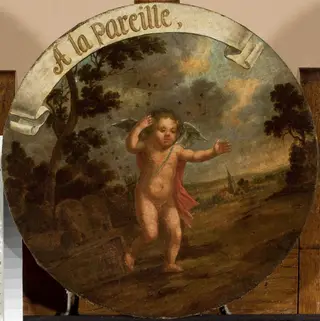 Eros fleeing from bees
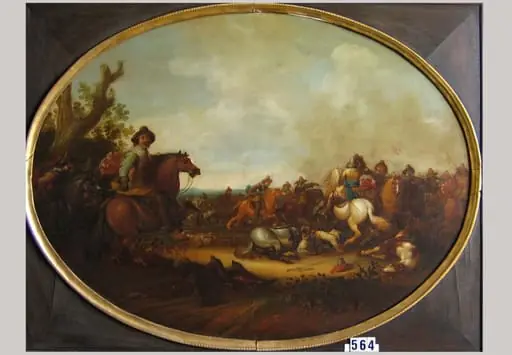 Matthias Gallas în luptă contra suedezilor (în Reg. Inv.: Luptă de cavalerie între austrieci și suedezi)
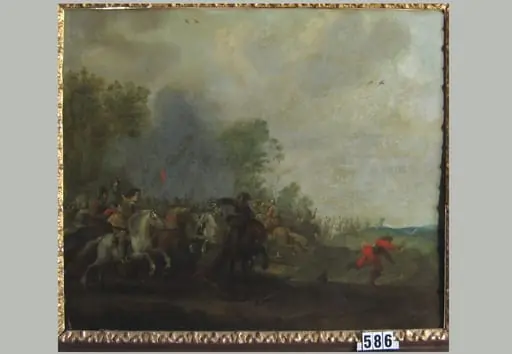 Luptă de cavalerie la marginea codrului
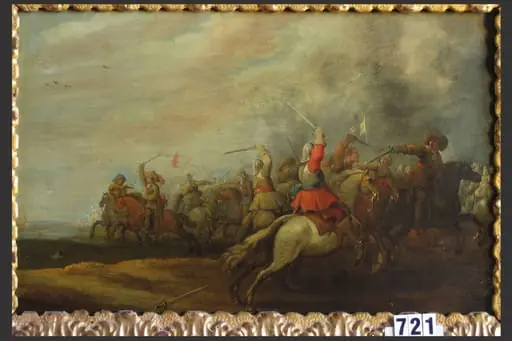 Urmărire după luptă
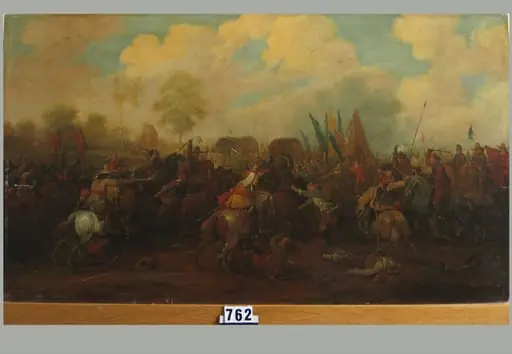 Luptă de cavalerie lângă o capelă. Pandant: Luptă de cavalerie lângă un oraș
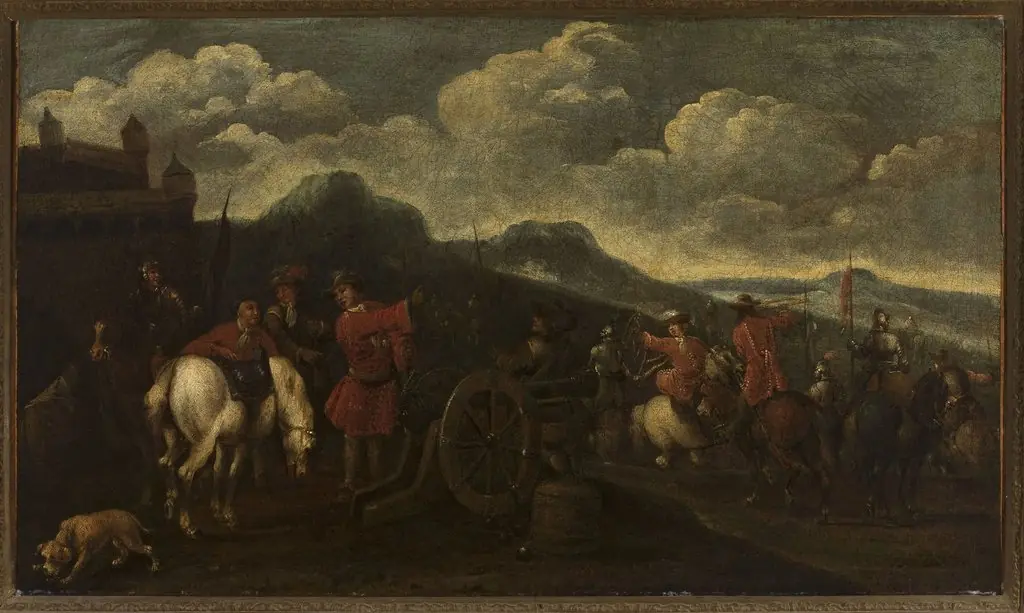 A battle scene
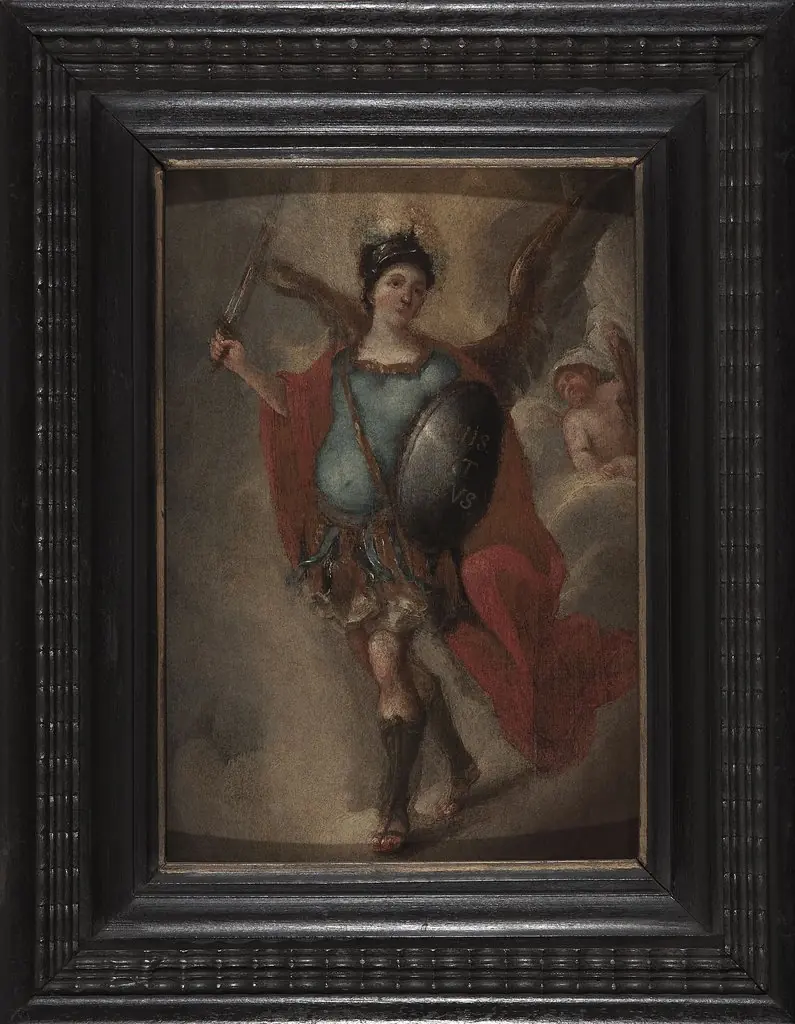 Saint Michael Archangel
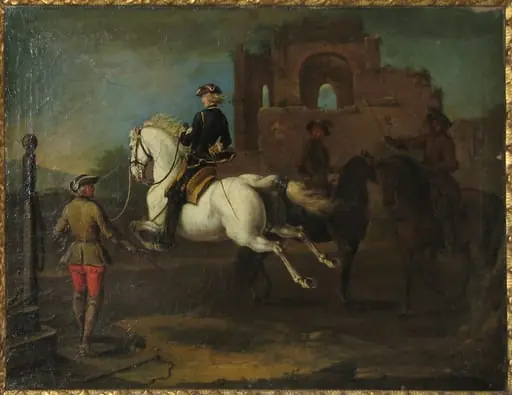 Manej
Manej Atacul hoților (în registrul inventar: Hoți atacând pe neașteptate)
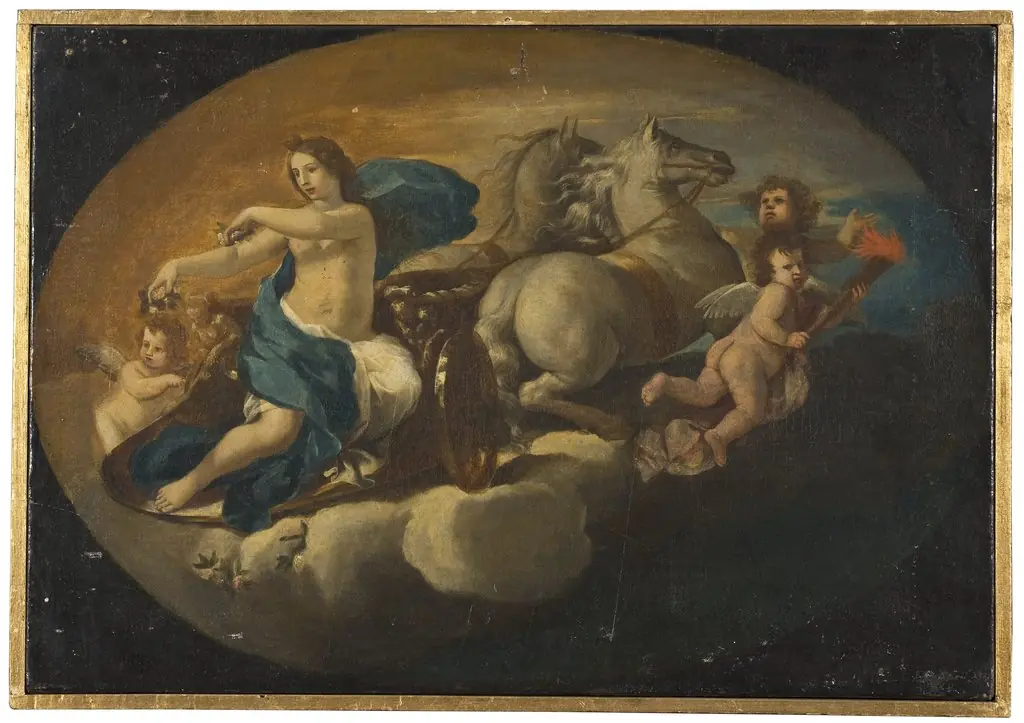 The Chariot of Aurora
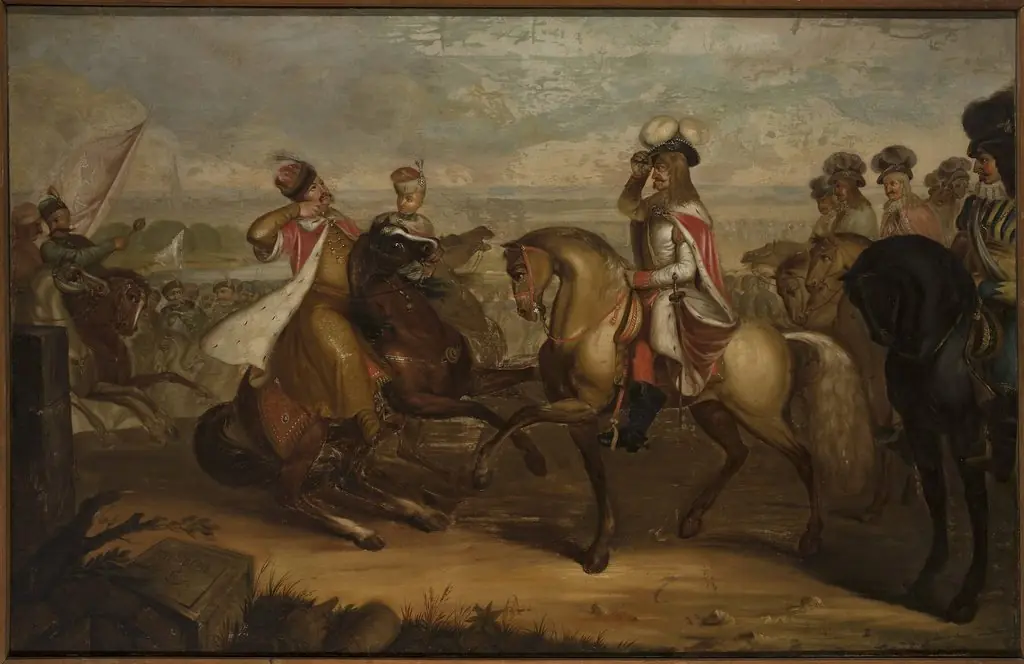 King John III Sobieski meets emperor Leopold at Vienna, replica
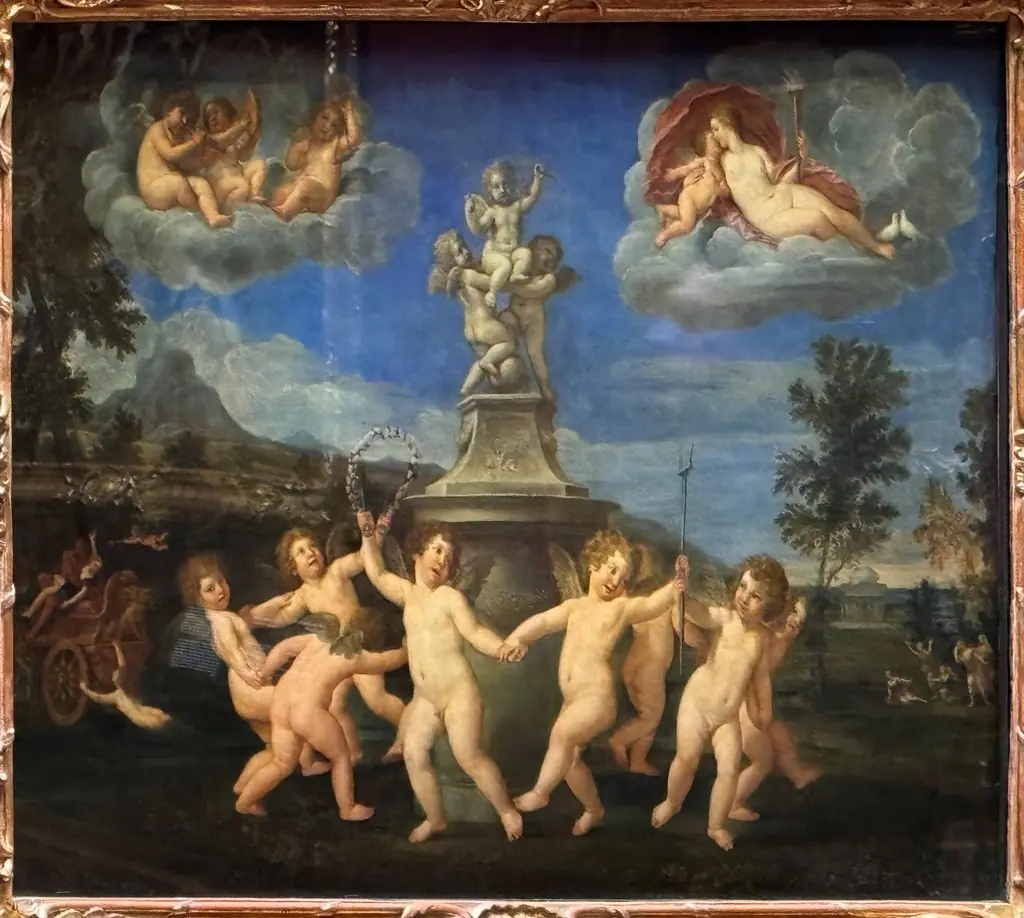
- Dance of the Cupids