Artwork
Rebus-Blazon
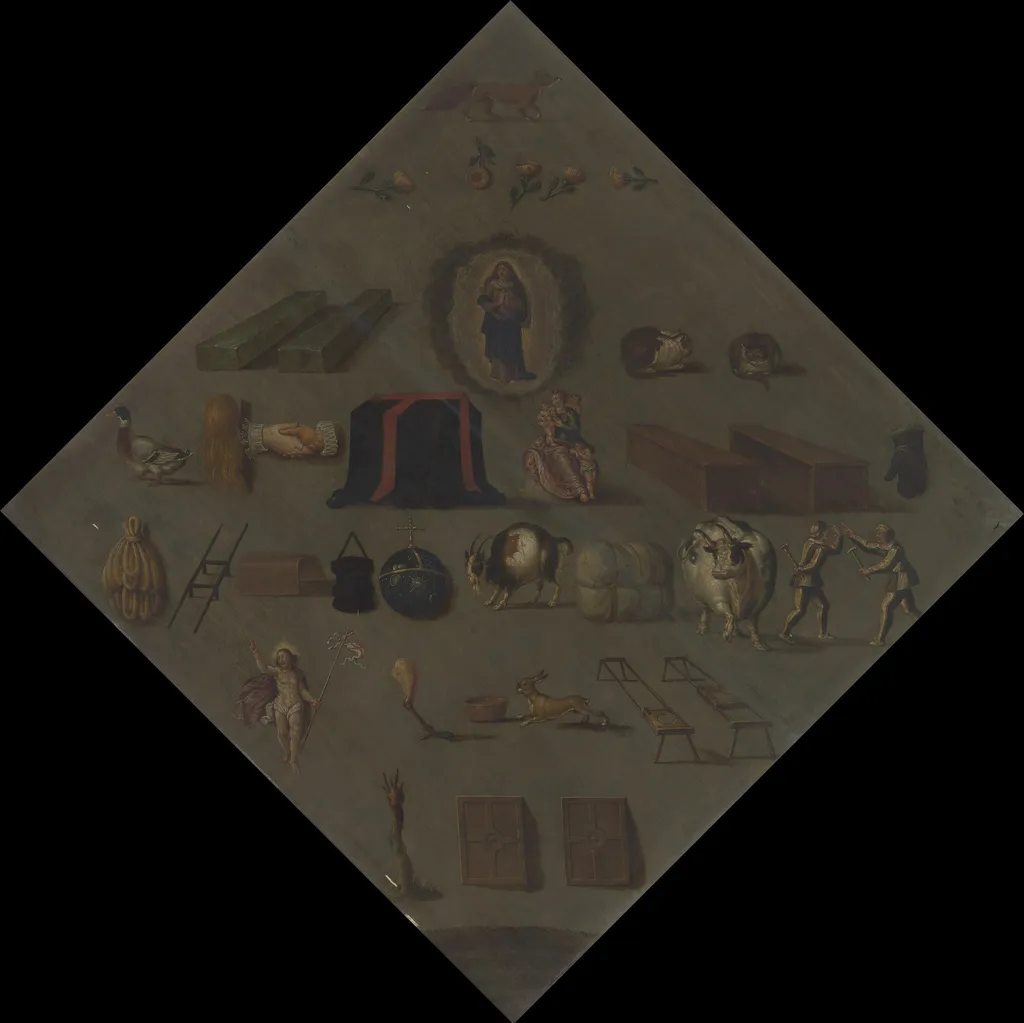
Rebus-Blazon is an oil painting by the Early Baroque Italian artist Unknown. It dates from 1600 and is held in the collection of the Royal Museum of Fine Arts Antwerp.
About this work
The painting is titled Rebus-Blazon. It was created with oil paint. The Royal Museum of Fine Arts Antwerp holds this work, which is notable for its early date of 1600-01-01, a time when artists were exploring various styles and techniques.
You can learn more about this type of art by looking up the museum: Royal Museum of Fine Arts Antwerp.
Overview
Rebus-Blazon is an oil painting dated to the very beginning of the 17th century, held in the collection of the Royal Museum of Fine Arts Antwerp.
Rebus-Blazon is an oil painting dated to the very beginning of the 17th century, held in the collection of the Royal Museum of Fine Arts Antwerp. Its creation coincides with a period of artistic experimentation in the Southern Netherlands, where painters began to blend symbolic imagery with emerging naturalistic approaches. The work stands as an early example of visual wordplay in Flemish art, reflecting the intellectual currents of its time.
Subject & Meaning
The painting employs a rebus, a visual puzzle using images to represent words or sounds, combined with heraldic elements typical of a blazon. Rather than depicting a narrative scene, it invites interpretation through symbolic objects, possibly referencing a name, lineage, or motto. This fusion of language and imagery was a cultivated form of elite communication, common among patrons seeking personalized artistic expression.
Technique & Style
Executed in oil on panel, the work displays careful rendering of textures and a restrained palette, typical of early 17th-century Flemish practice. The composition is tightly organized, with each element placed to support the rebus’s logic rather than to create spatial depth. Brushwork is precise, emphasizing clarity over flourish, aligning with the didactic intent of the visual puzzle.
History & Provenance
The painting has remained in the collection of the Royal Museum of Fine Arts Antwerp since at least the 19th century, though its earlier ownership is undocumented. Its survival into the modern era is notable, as many similar rebus works from this period were lost or dismantled. Its presence in the museum underscores the institution’s long-standing commitment to preserving regional artistic innovations.
Context
In the years around 1600, Antwerp was a center of print culture and humanist learning, where visual puzzles and emblems were popular among educated patrons. Artists responded to this demand by creating works that merged literary wit with visual skill. Rebus-Blazon reflects this trend, positioning itself within a broader European tradition of emblem books and symbolic portraiture.
Legacy
While not widely reproduced or influential in later artistic movements, Rebus-Blazon remains a rare surviving example of its kind. It offers insight into the intellectual tastes of early modern Flemish society and the role of art as a medium for coded communication. Its preservation allows scholars to study the intersection of language, identity, and visual culture in a formative period.
Artist & collection









 Viisi kirkkovuoden juhlateemaa
 Doll’s House of Petronella Oortman
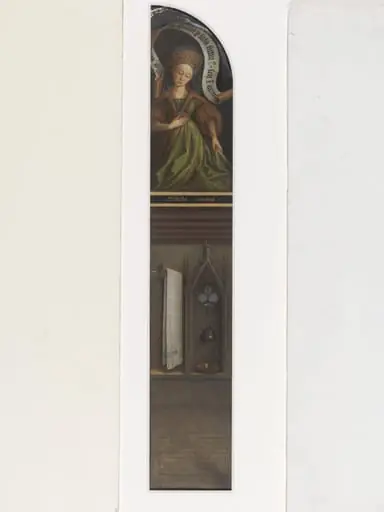 Copy of a detail of the Ghent Altarpiece, Sibyl of Cumaea, by Hubert and Jan van Eyck in the church of St Bavon, Ghent
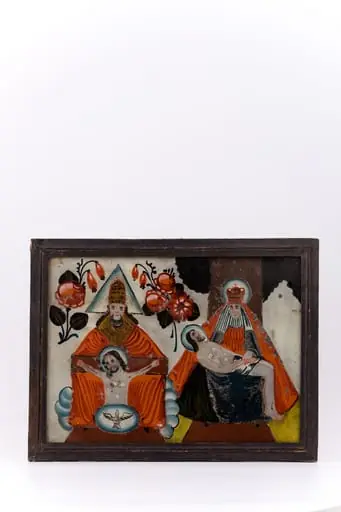 Icoana are o tematică iconografică foarte rară: în cea dintâi parte, este Sfânta Treime: Mântuitorul Iisus Hristos Răstignit pe brațele Lui Dumnezeu-Tatăl și ținut în veșmântul roșu al Pătimirii și Jertfei. Dumnezeu-Tatăl, Împărat al Cerurilor, are pe cap coroană și aureolă triunghiulară, reprezentând Sfânta Treime. Sfântul Duh este reprezentat prin porumbelul alb. Sfânta Treime are în registrul inferior o mandorlă de nouri rotunzi albi-albaștri și în registrul superior o ghirlandă din trandafiri și ramuri cu măceșe, simbolizând Grădina Raiului. În cea de-a doua parte, în dreapta, este Maica Domnului Împărăteasă ținând în brațe pe genunchi Trupul Mântuitorului Iisus Hristos, coborât de pe Cruce, plâns, jelit. Este asemenea unei Piete. Icoana este deosebită și foarte rară, prin compoziția tematică și viziunea iconografică greco-catolică. Fondul icoanei este alb-ivoriu-crem, în registrul superior și galben-solar, în registrul inferior. Cromatica este armonioasă: roșu vermillon-trandafiriu, brun-roșcat-acajou, galben-solar, albastru bleu-ciel, gri, alb , negru. Icoana este din Nordul Transilvaniei, Nicula.
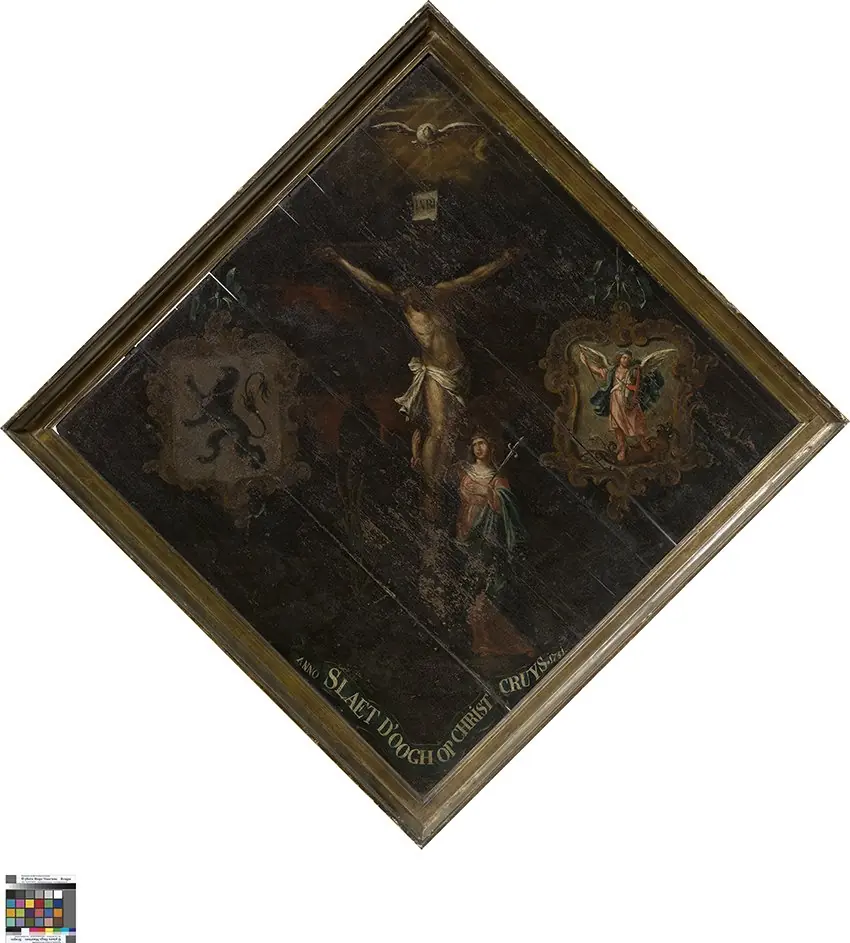 Wapenbord van de rederijkerskamer Kunst en Eendracht
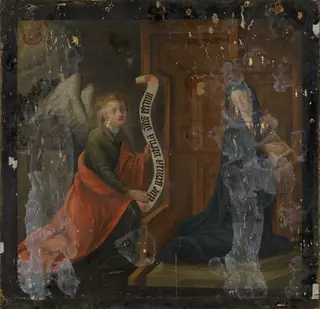 The Annunciation
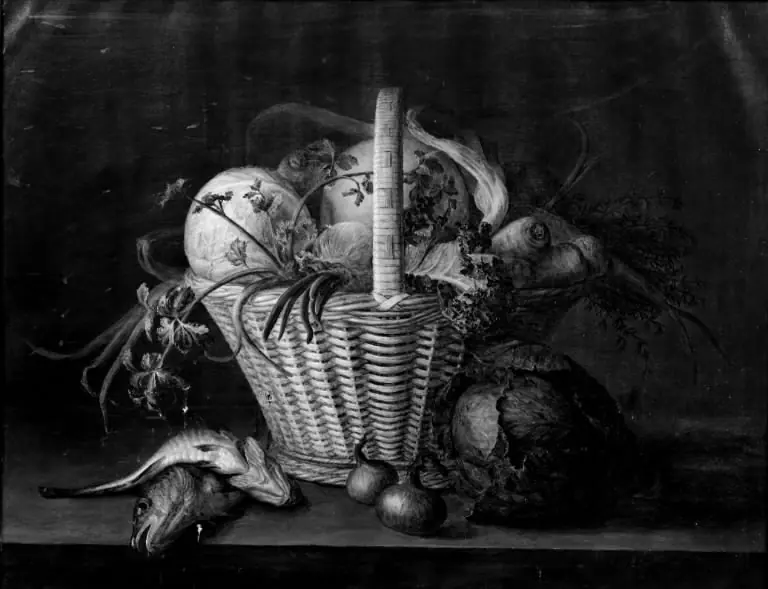 A Basket with Vegetables
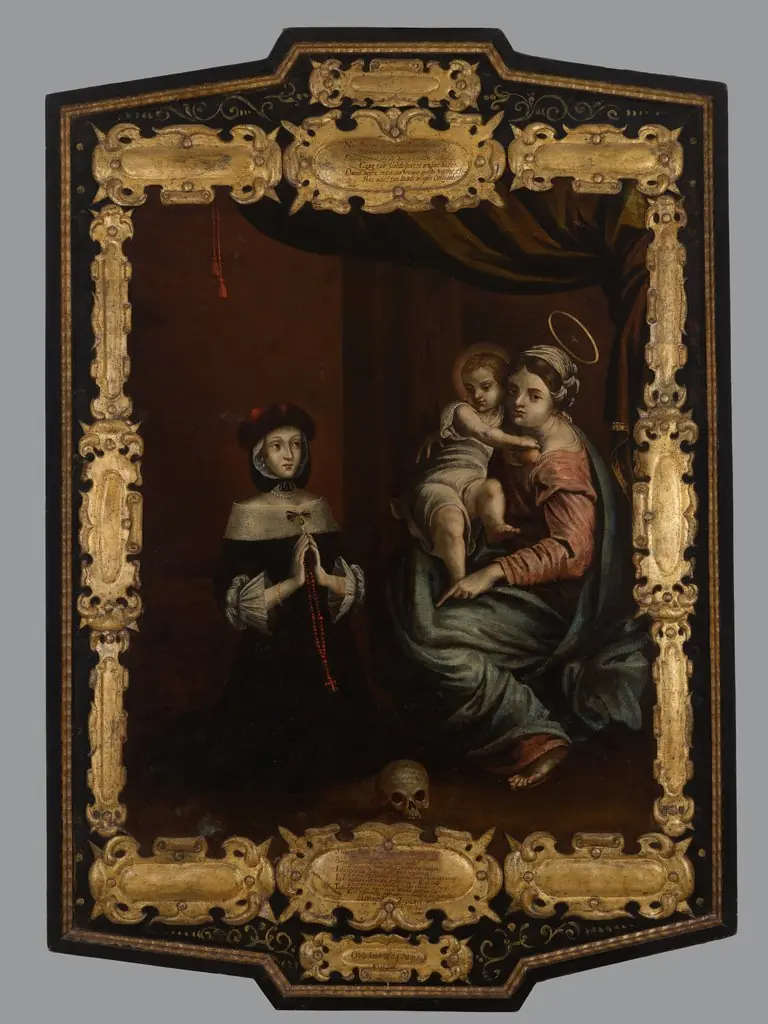 Epitaph of Katarzyna Jurgiewic, from the St Mary's Church in Krakow
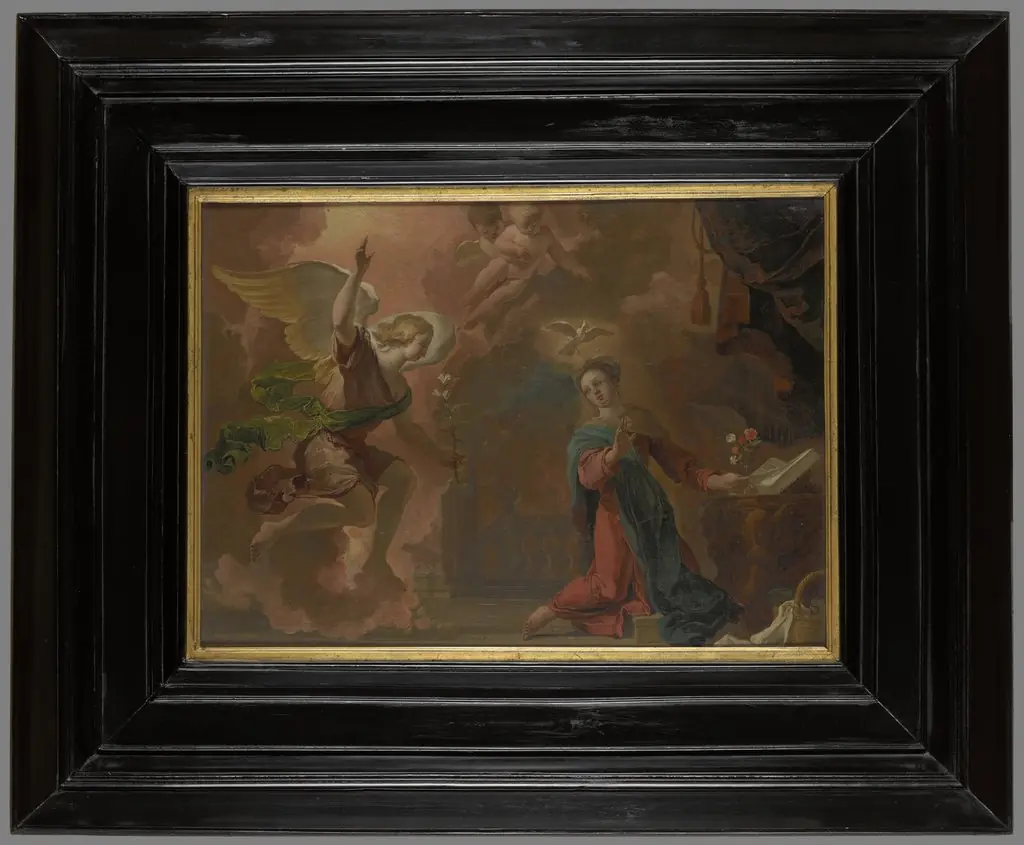 Annunciation