Artwork
Rebus-Blazon
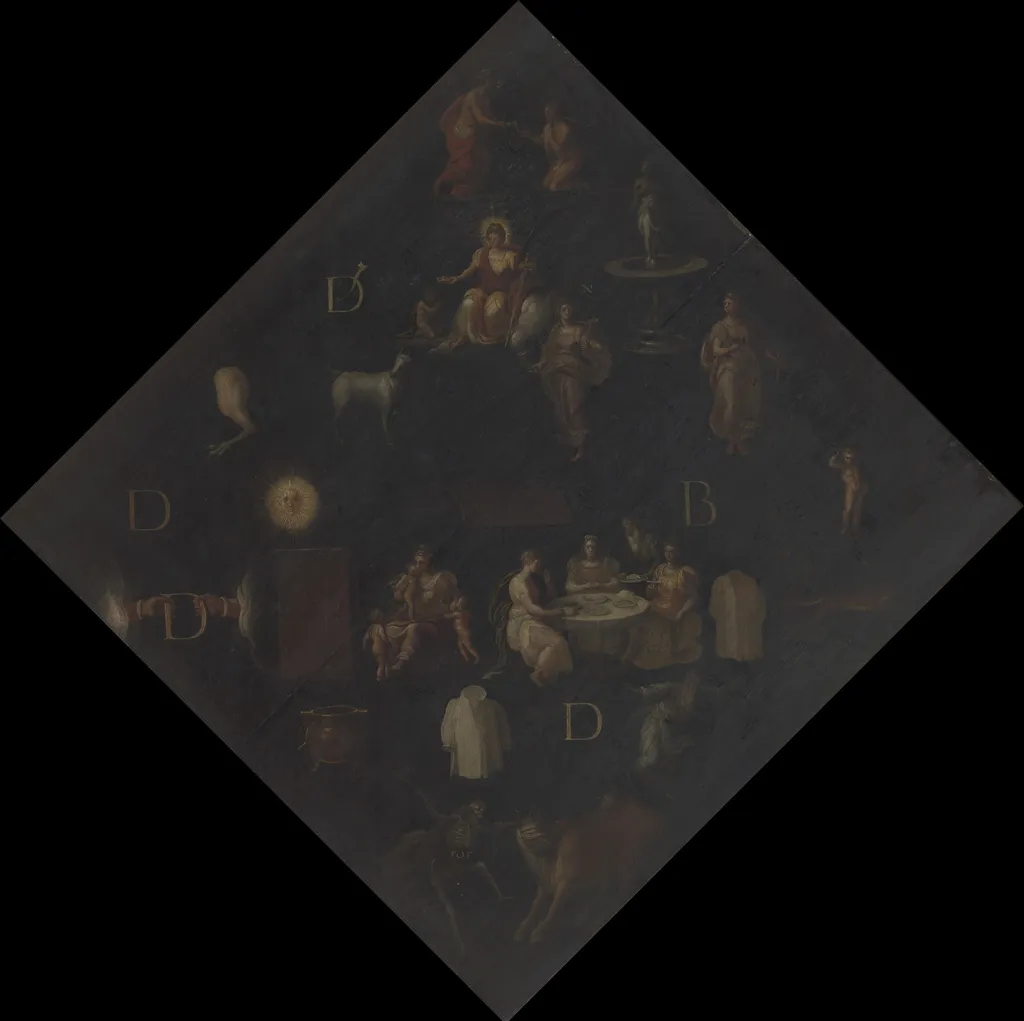
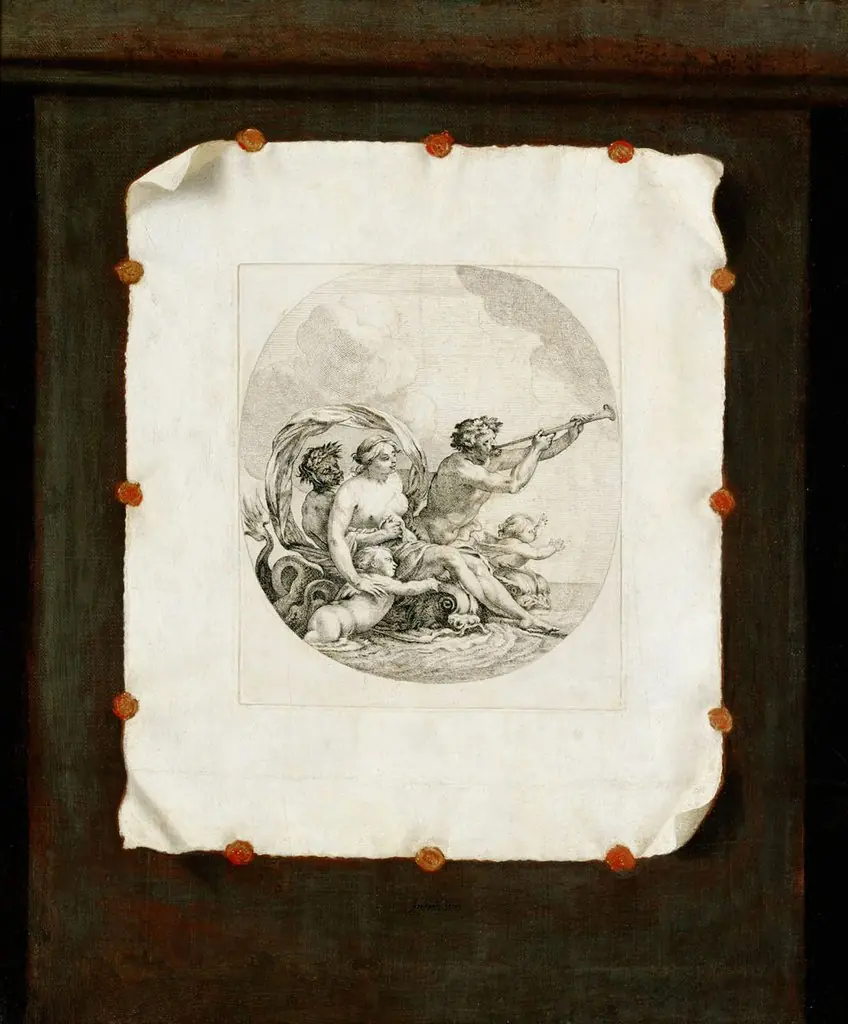
Rebus-Blazon is an oil painting by the Mannerist artist Unknown. It dates from 1550 and is held in the collection of the Royal Museum of Fine Arts Antwerp.
About this work
The painting is called Rebus-Blazon. It was made in 1550 using oil paint. The Royal Museum of Fine Arts Antwerp holds this work, which is an allegory - a painting that uses symbols to convey a message.
This painting is interesting because it's from a time when artists often used symbols and hidden meanings in their work. You can learn more about techniques like glazing.
Overview
The title suggests a play on imagery and wordplay, typical of rebus puzzles popular among educated audiences of the time.
Painted in 1550 using oil on panel, Rebus-Blazon is an allegorical work held by the Royal Museum of Fine Arts Antwerp. It belongs to a tradition in which visual symbols encode complex messages, reflecting the intellectual and cultural currents of mid-16th-century Northern Europe. The title suggests a play on imagery and wordplay, typical of rebus puzzles popular among educated audiences of the time.
Subject & Meaning
The painting functions as a visual riddle, combining heraldic elements and symbolic objects to convey a layered message, likely tied to identity, virtue, or social status. Each component, animals, tools, inscriptions, may represent letters or concepts, forming a coded statement. Such works were intended for viewers familiar with contemporary emblem books and Latin mottos, rewarding close observation and intellectual engagement.
Technique & Style
Oil paint was applied with precision, using glazing techniques to build depth and luminosity in surfaces. The composition is tightly structured, with careful attention to detail in textures and forms. Unlike overtly dramatic scenes, the work relies on quiet arrangement and symbolic economy, characteristic of Northern Renaissance painting’s preference for subtlety over spectacle.
History & Provenance
The painting has remained in the collection of the Royal Museum of Fine Arts Antwerp since at least the 19th century, with no documented changes in ownership prior. Its survival in good condition suggests it was valued as a curio or scholarly object rather than a devotional or public commission. Its attribution and date are consistent with regional workshop practices of the mid-1500s.
Context
In mid-16th-century Flanders, allegorical painting flourished among humanist circles, where visual puzzles mirrored literary riddles and emblems. Artists responded to a growing audience that prized wit and learned references. Rebus-Blazon reflects this trend, aligning with printed emblem collections and the rise of private collections that celebrated intellectual art over religious narrative.
Legacy
Though not widely reproduced or studied today, Rebus-Blazon exemplifies a distinctive phase in Northern art where painting served as a medium for encoded communication. It contributes to understanding how visual culture intersected with literacy, heraldry, and wordplay, offering insight into the private intellectual lives of its original patrons.
Artist & collection