Artwork
S. Paap
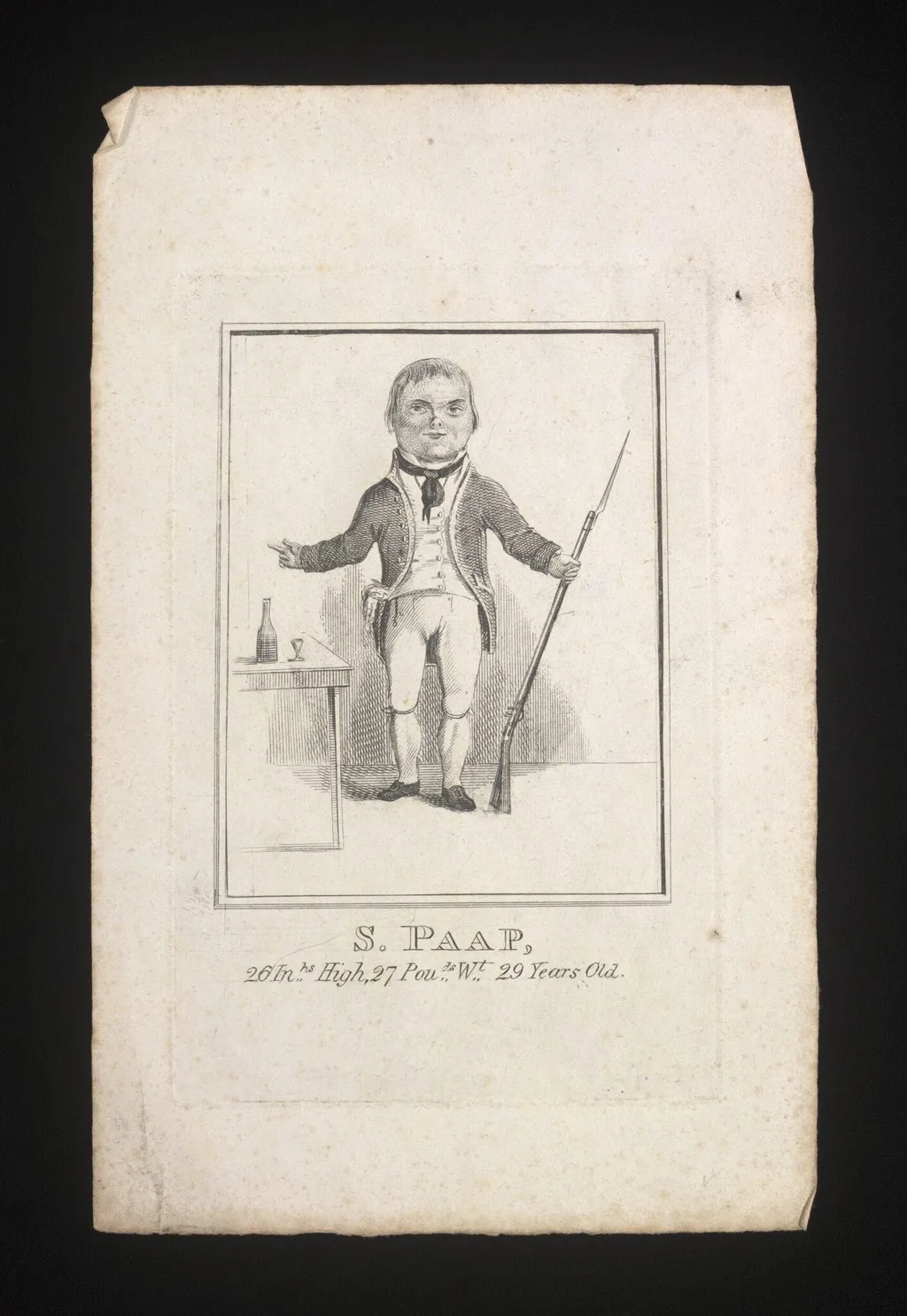
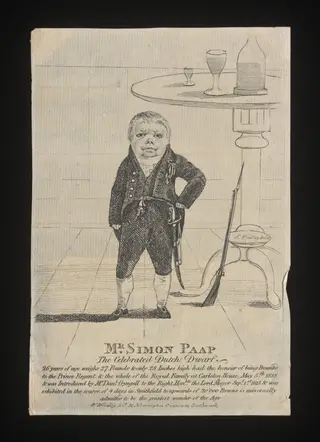
S. Paap is a print by Unknown. It dates from 1850 and is held in the collection of the Victoria and Albert Museum. This small 19th-century print portrays Simon Paap, a figure documented in the Harry Beard Collection.
About this work
Overview
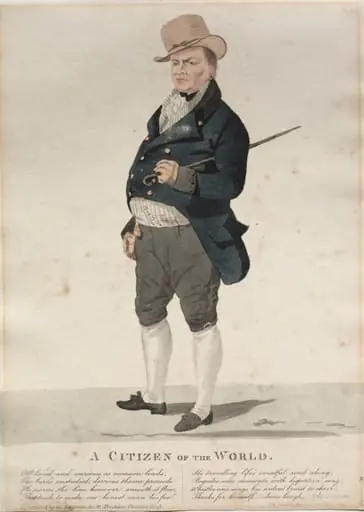
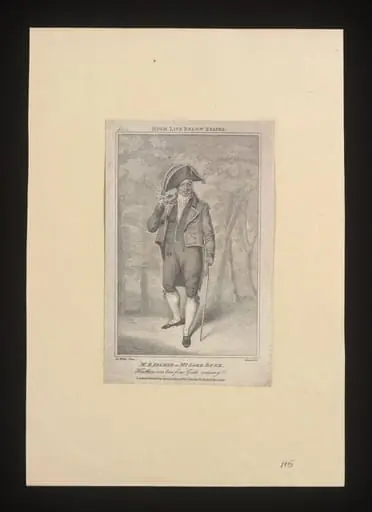
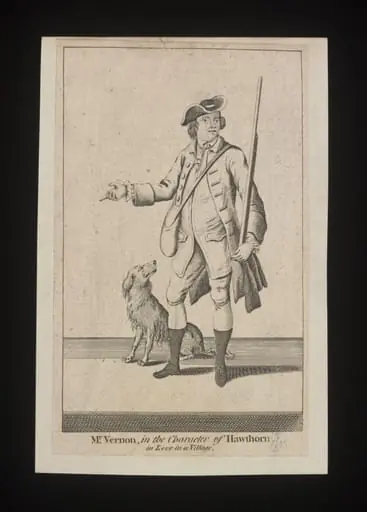
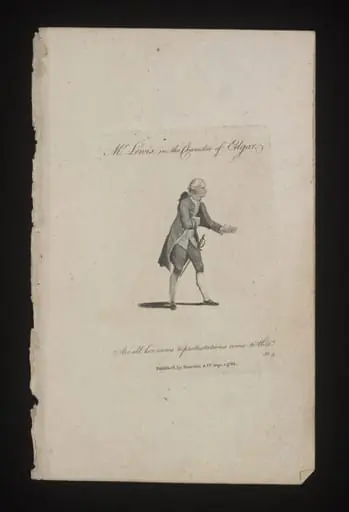
This small 19th-century print portrays Simon Paap, a figure documented in the Harry Beard Collection. Executed in a modest, straightforward style, it functions as a portrait record rather than a decorative piece. Its scale and simplicity suggest it was produced for personal or archival use, reflecting the era’s interest in preserving likenesses of individuals outside elite circles.
Subject & Meaning
Simon Paap is depicted with attention to personal detail, his facial features, attire, and hairstyle offer insight into middle-class appearance in early 1800s Britain. The portrait does not idealize or dramatize; instead, it presents a quiet, unadorned representation, possibly intended to affirm identity or social standing within a local context rather than public fame.
Technique & Style
Rendered in a linear, restrained printmaking technique, likely engraving or etching, the image emphasizes clarity over flourish. Fine lines define the texture of clothing and the contours of the face, with minimal shading. The composition is centered and frontal, prioritizing legibility and likeness over artistic experimentation, typical of documentary portraiture of the period.
History & Provenance
Its inclusion suggests Paap may have had some connection to the theater or cultural life of the time, though no further biographical details are recorded.
The print resides in the Harry Beard Collection, a group of 19th-century theatrical and personal portraits assembled by a British collector. Its inclusion suggests Paap may have had some connection to the theater or cultural life of the time, though no further biographical details are recorded. The collection’s preservation at the Victoria and Albert Museum underscores its value as social documentation.
Context
During the early 1800s, printed portraits like this one became more accessible due to advances in print technology. They allowed non-nobles to commission or acquire likenesses, expanding portraiture beyond oil paintings. This print reflects a broader trend of documenting ordinary individuals, capturing the visual culture of a society increasingly focused on personal identity and record-keeping.
Legacy
Though not widely known, the print contributes to historical understanding of everyday life in Regency-era Britain. Its survival in a major museum collection ensures its role as evidence of how ordinary people were visually represented before photography. It remains a quiet testament to the dignity assigned to individual identity in a time of social change.
Artist & collection