Artwork
Shiva and Devi
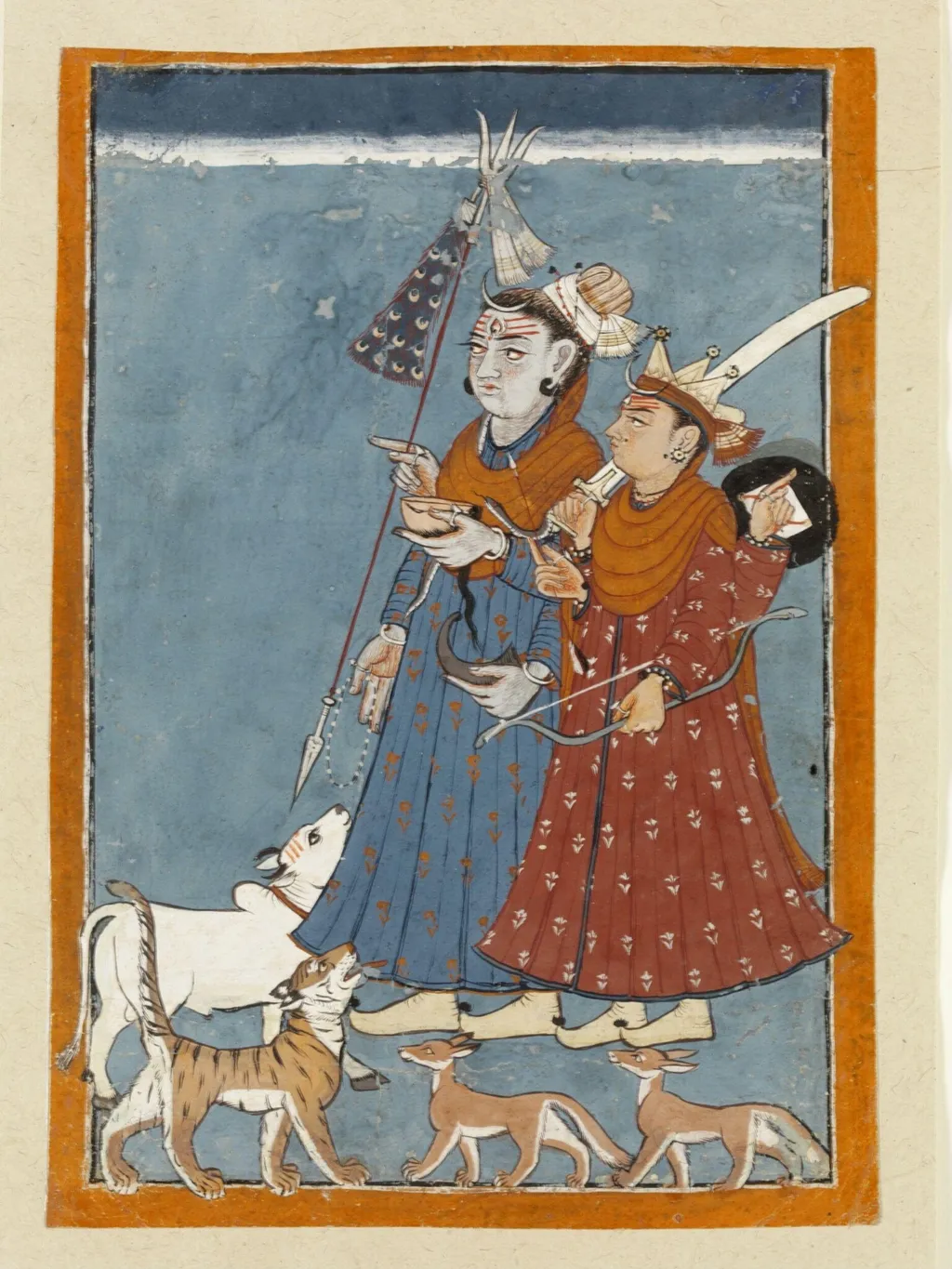
Shiva and Devi is a paint painting by the Baroque artist Unknown. It dates from 1740 and is held in the collection of the Victoria and Albert Museum.
About this work
Overview
Their companions, Nandi the bull, a tiger, and two jackals, reflect their divine associations with power, wild nature, and the liminal spaces of death.
This 18th-century painting from the Mandi region depicts the Hindu deities Shiva and Devi in a shared procession. Both figures are rendered with deliberate stillness, moving in unison through a symbolic landscape. Their companions, Nandi the bull, a tiger, and two jackals, reflect their divine associations with power, wild nature, and the liminal spaces of death. The slate blue background is characteristic of local artistic conventions of the period.
Subject & Meaning
Shiva, the ascetic destroyer, and Devi, the fierce goddess of cosmic energy, are portrayed as equal partners in motion. Devi’s warrior attire, sword, shield, and bow, emphasizes her role as a protector and force of transformation. The animals accompanying them symbolize their dominion over life and death: the bull as devotion, the tiger as primal strength, and the jackals as dwellers of sacred cremation grounds tied to Shiva’s rites.
Technique & Style
The painting employs fine brushwork and flat, decorative forms typical of Pahari miniatures. Figures are outlined with precision, and drapery is rendered in subtle folds without illusionistic depth. The slate blue ground, achieved with mineral pigments, creates a cool, meditative atmosphere. Composition is balanced yet asymmetrical, guiding the viewer’s eye along the procession without narrative climax.
History & Provenance
Originating in the hill kingdom of Mandi during the 1700s, the work reflects the region’s devotional painting traditions under Rajput patronage. It likely adorned a temple or royal collection, serving both spiritual and aesthetic purposes. The painting entered the Victoria and Albert Museum’s collection through documented acquisitions of South Asian art in the 19th and early 20th centuries.
Context
Mandi painters drew from broader Pahari styles but developed distinct color palettes and compositional rhythms. This work aligns with a regional trend of depicting deities in dynamic, intimate pairings, often emphasizing their dual natures, ascetic and active, gentle and fierce. Such imagery reinforced theological ideas of divine balance and the interdependence of masculine and feminine cosmic forces.
Legacy
The painting remains a key example of Mandi’s contribution to Indian miniature traditions. Its quiet intensity and symbolic richness continue to inform scholarly study of Hindu iconography and regional artistic identity. Though not widely exhibited, it is referenced in academic works on Pahari painting and the representation of divine couples in South Asian art.
Artist & collection









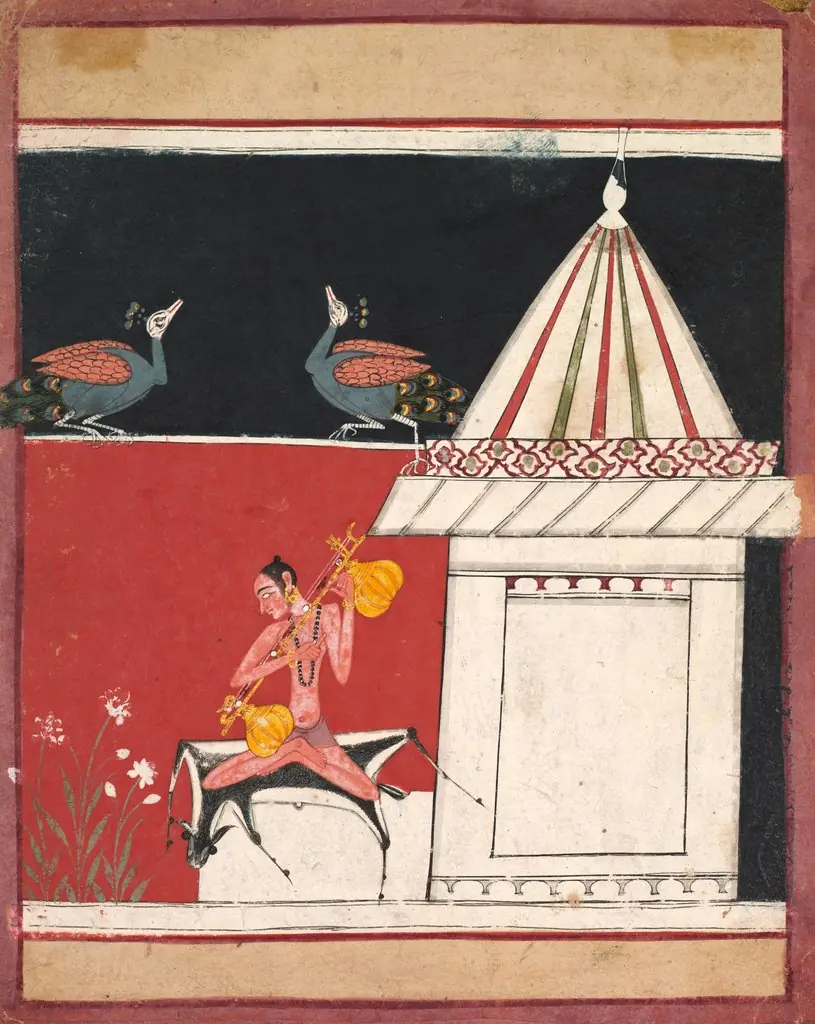 Kedara Ragini
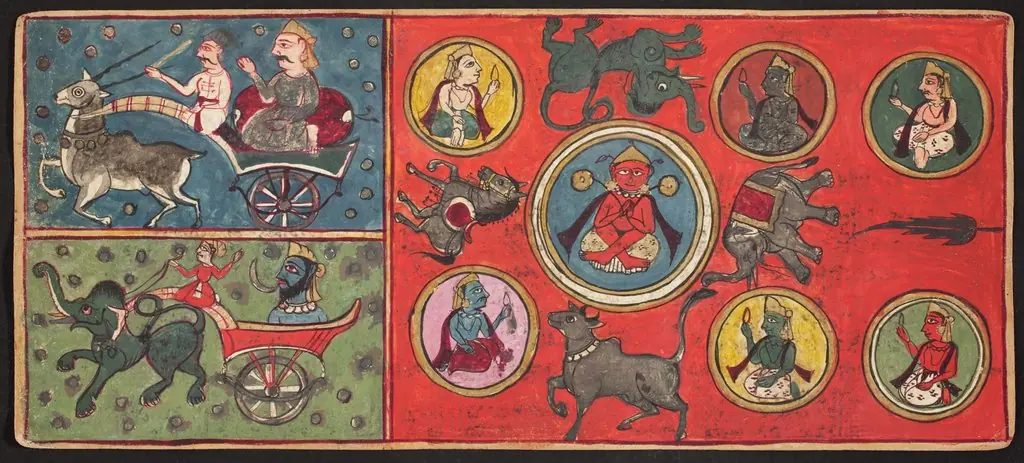 Tantric Manuscript, "Sangrahani Sutra"
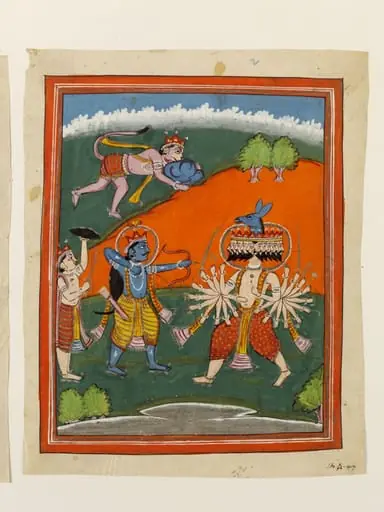 Rama and Ravana
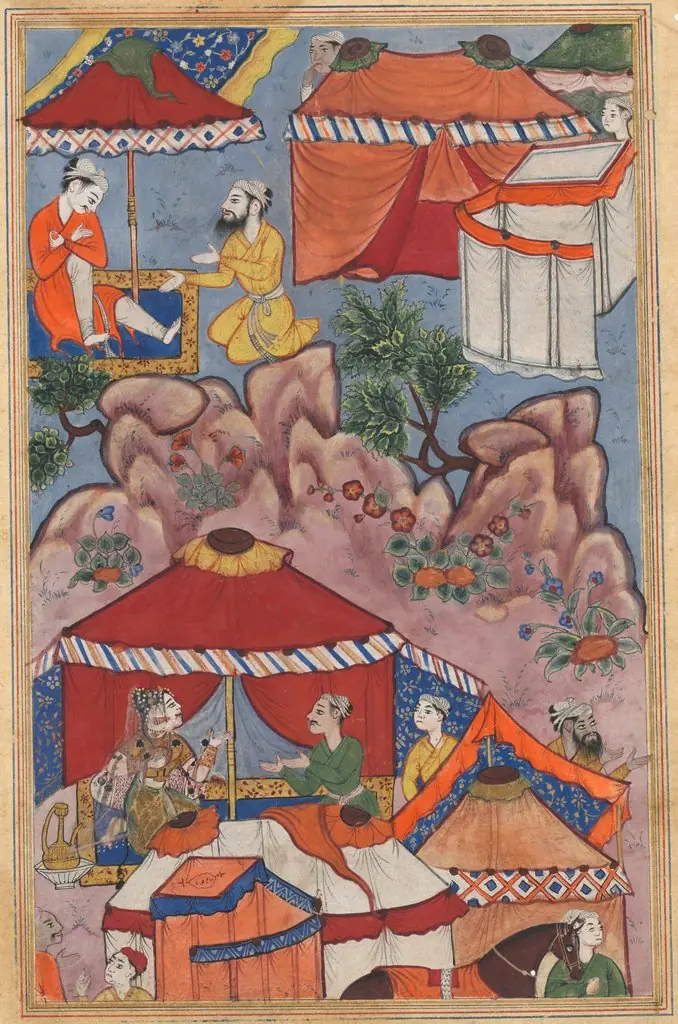 Bashir confides his love for Habbaza to an Arab friend, and sends him to her with a message, from a Tuti-nama (Tales of a Parrot): Twenty-fourth Night
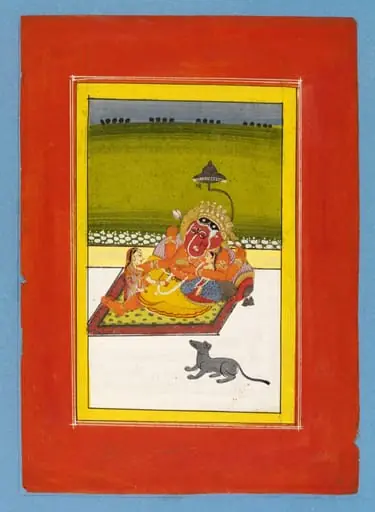 Ganesh
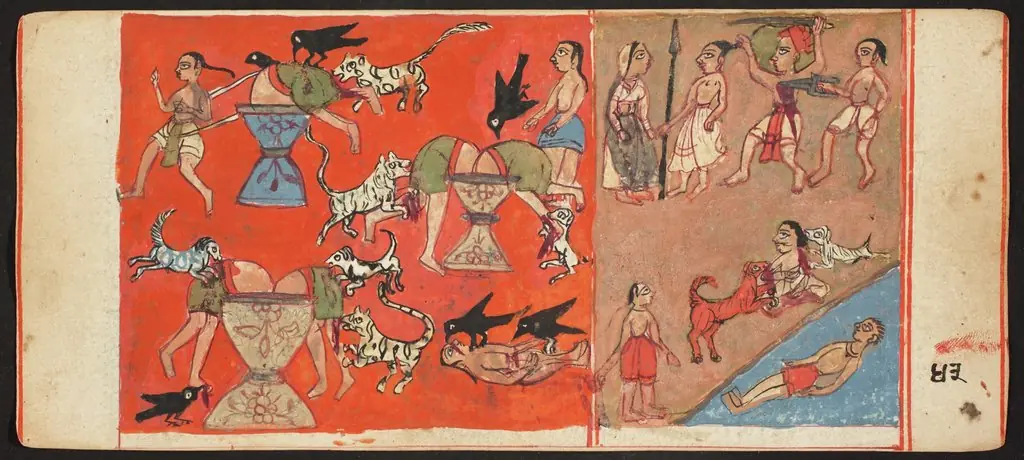 Tantric Manuscript, "Sangrahani Sutra"
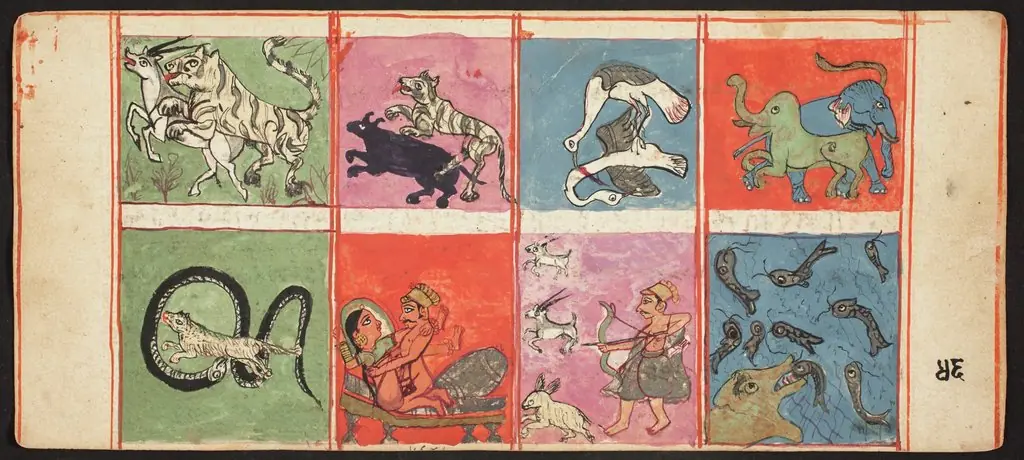 Tantric Manuscript, "Sangrahani Sutra"
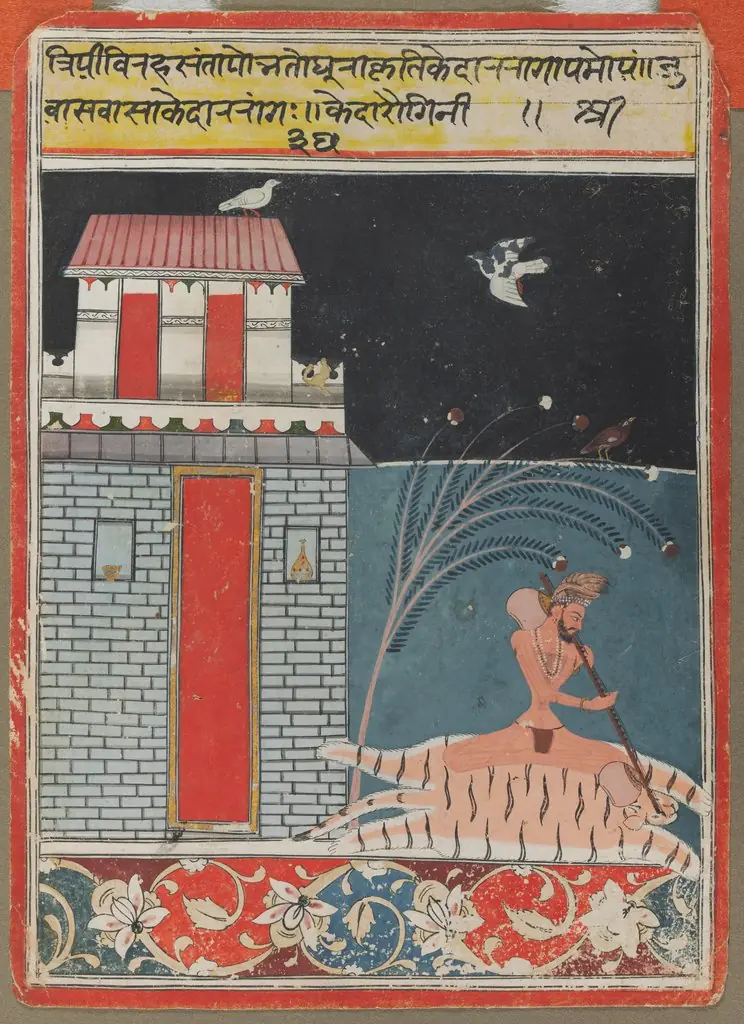 Kedara Ragini
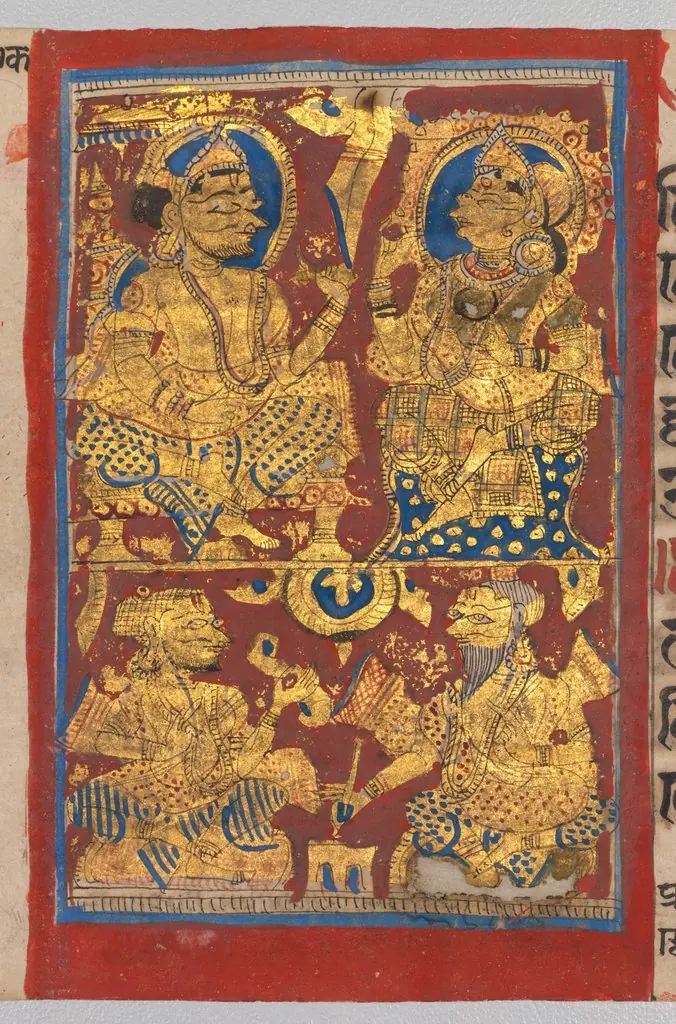 King Siddhartha and Queen Trishala with the Dream Diviners, from a Kalpa-sutra
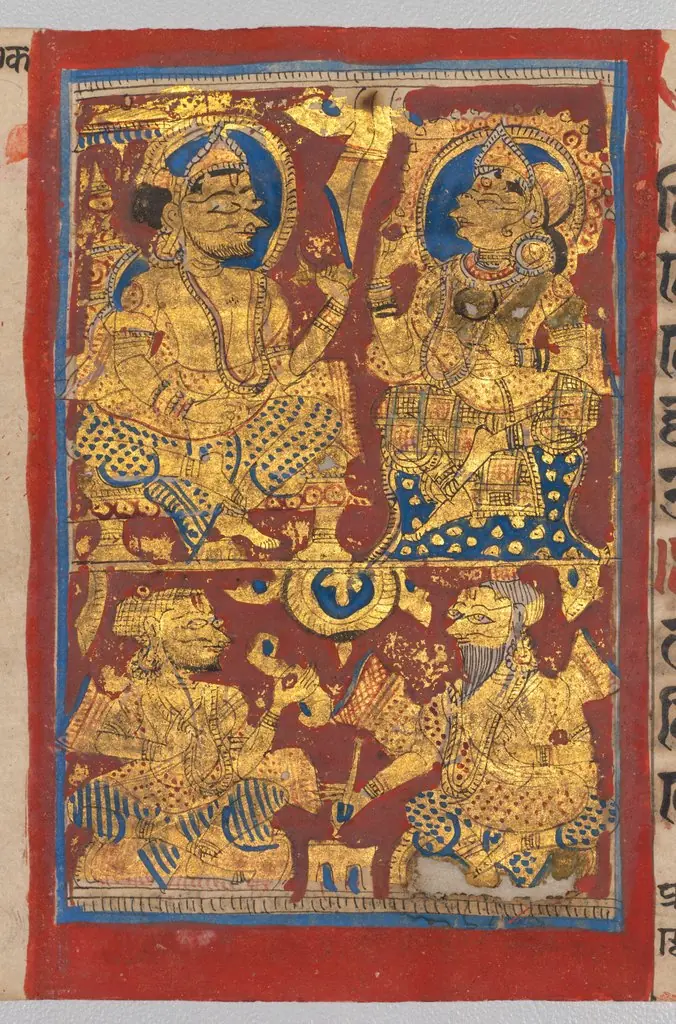 Kalpa-sutra manuscript with 24 illuminations