Artwork
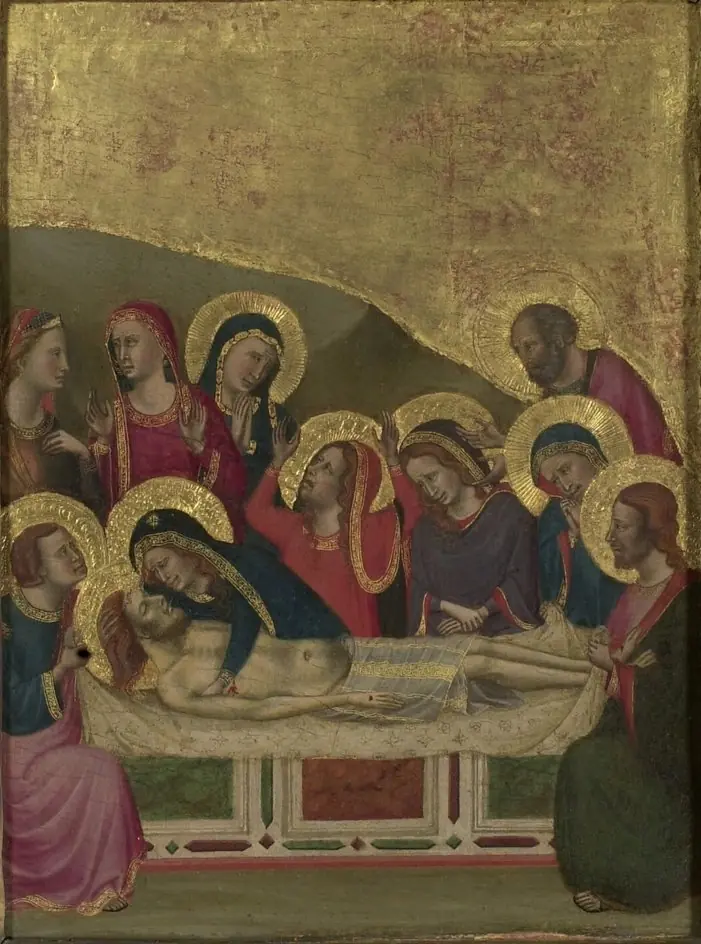
The Entombment
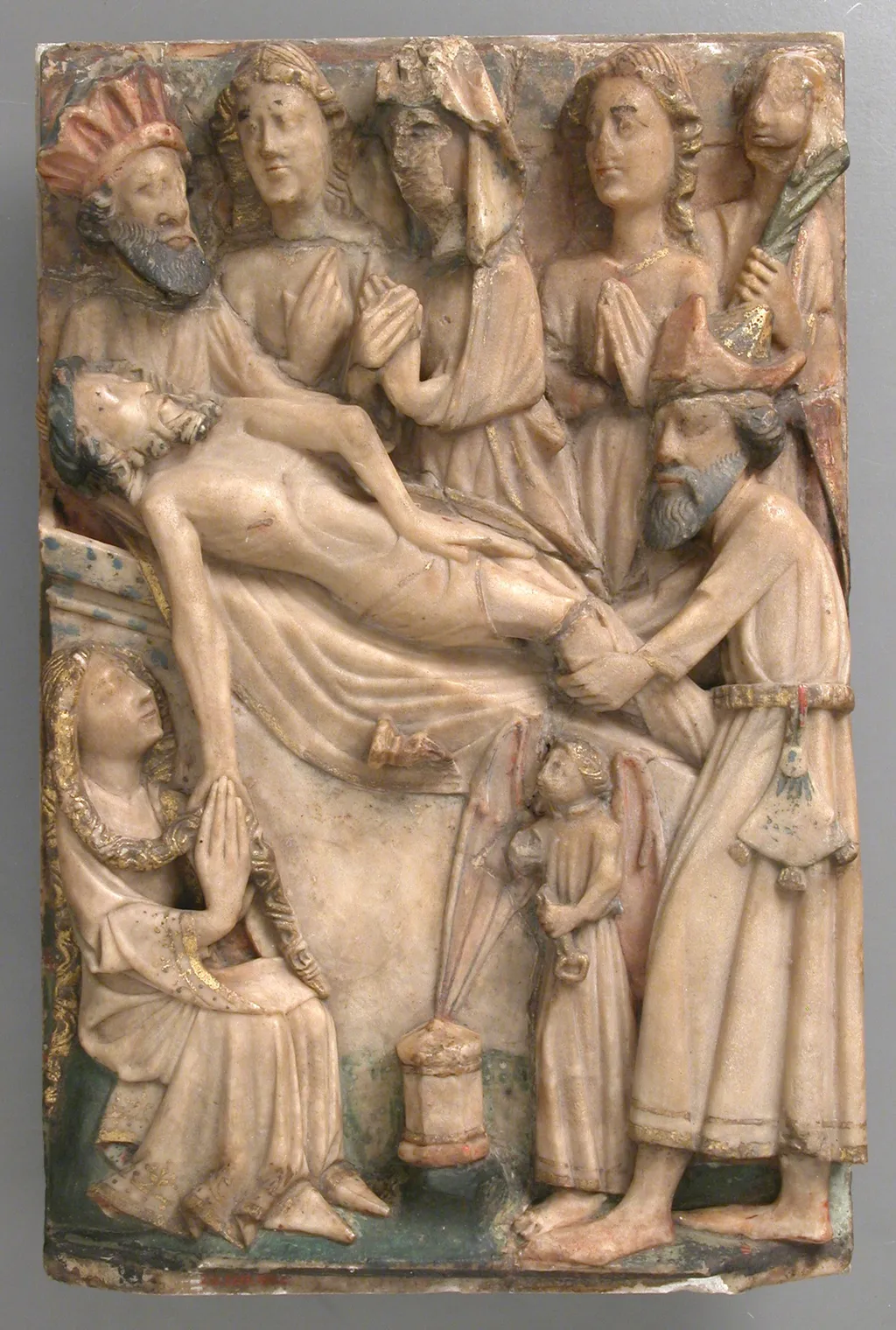
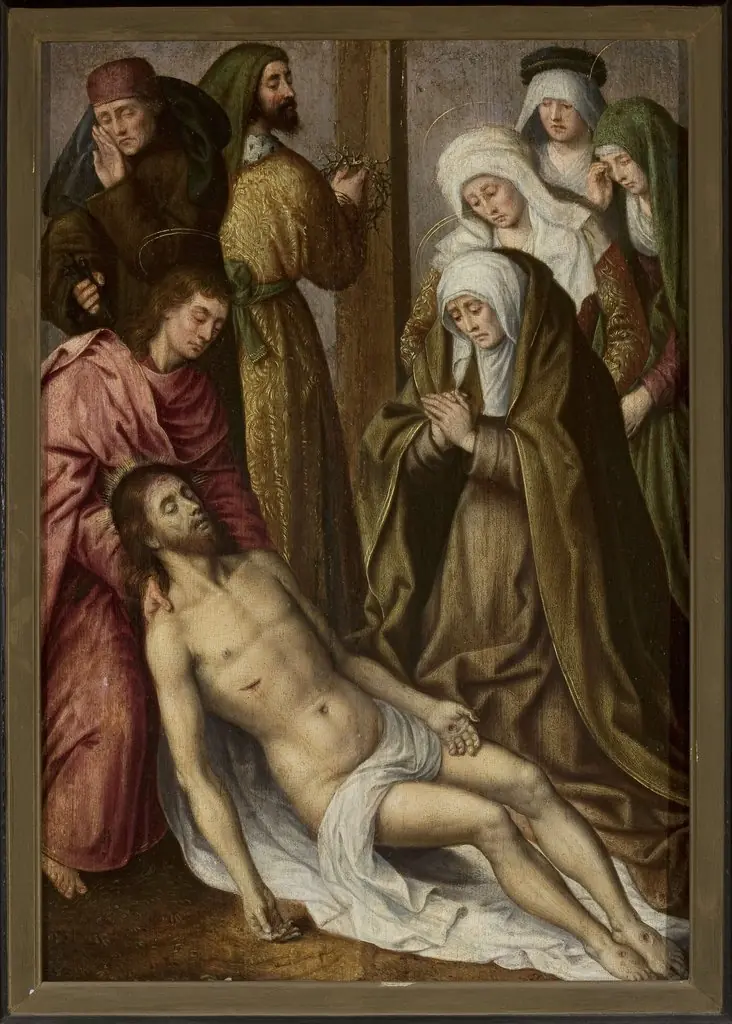
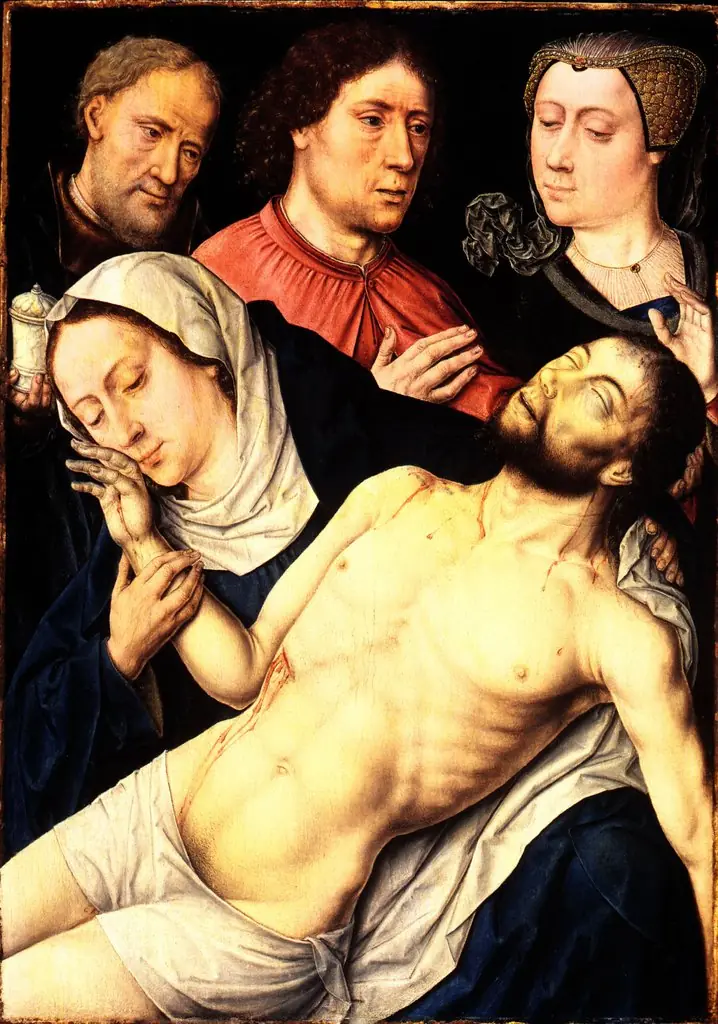
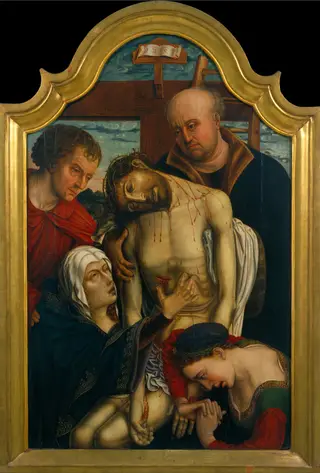
The Entombment is an unspecified painting. It dates from 1450 and is held in the collection of the Metropolitan Museum of Art.
About this work
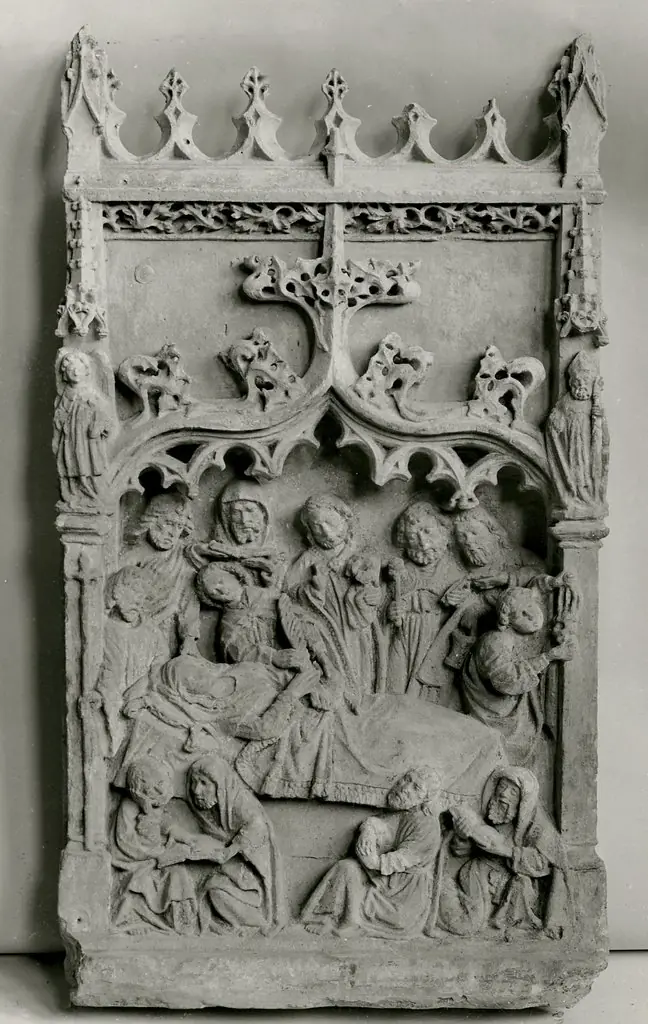
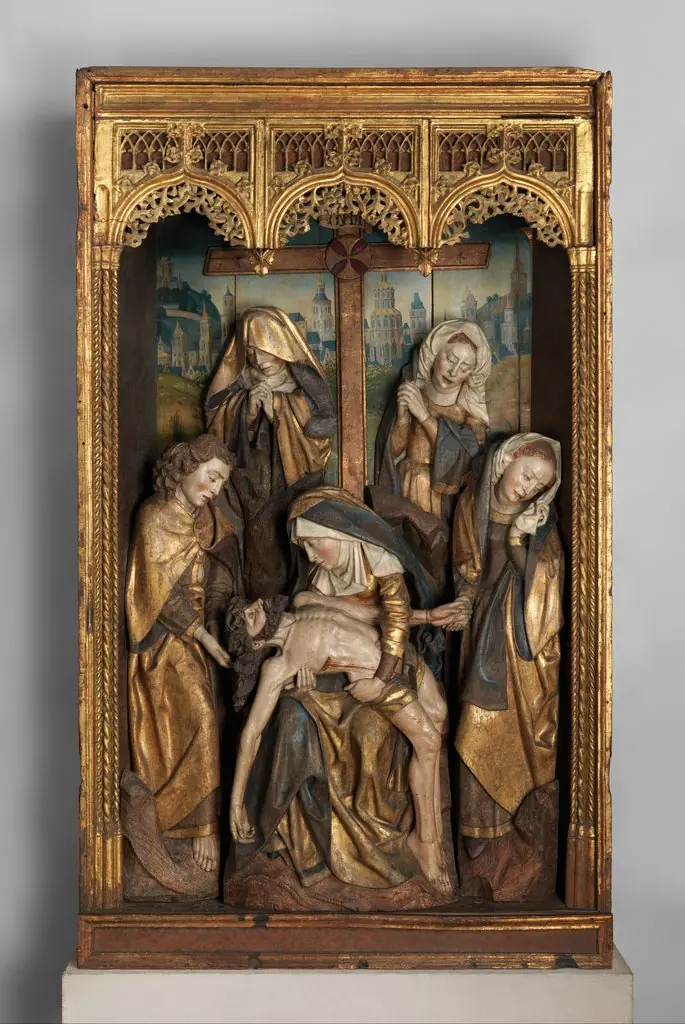
The people in the sculpture are dressed in long robes, and some of them have their heads bowed or their eyes closed.
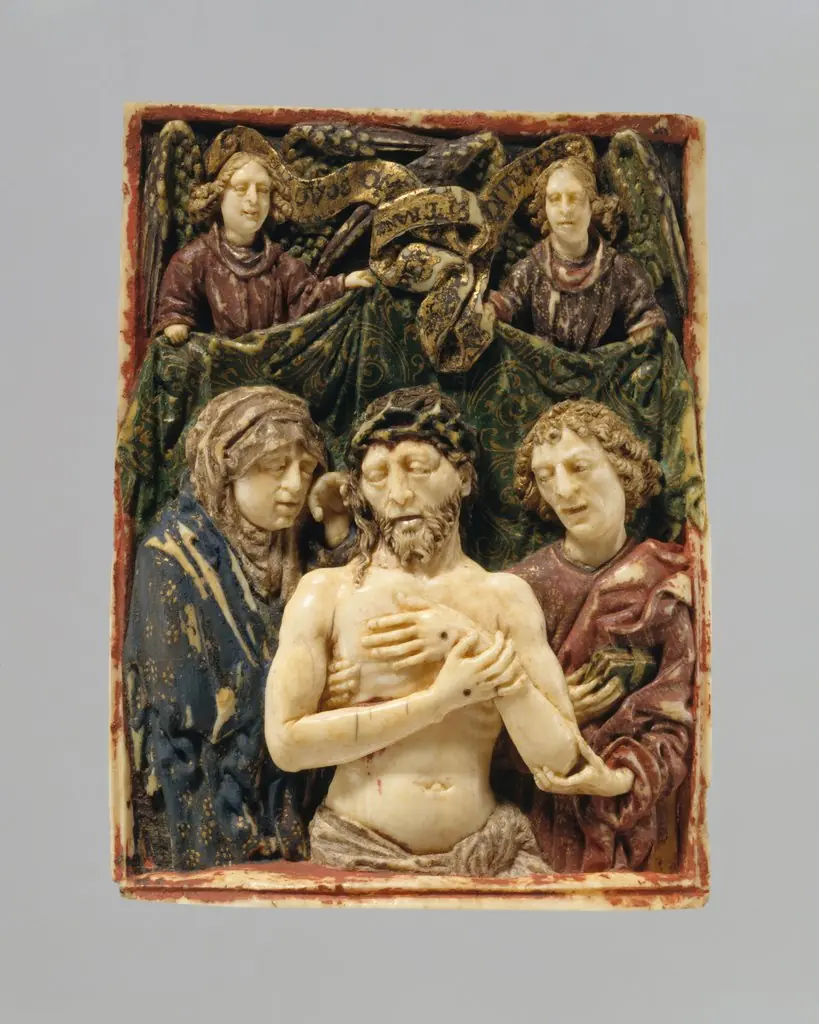
This is a sculpture of a group of people surrounding a body. The body is lying down, and the people are gathered around it, some with their hands on the body. The sculpture is made of a light-colored material, possibly stone or marble, and has a rough texture.
The people in the sculpture are dressed in long robes, and some of them have their heads bowed or their eyes closed. The body is also dressed in a long robe, and its face is serene. The sculpture appears to be depicting a scene from the Bible, possibly the entombment of Jesus Christ.
The sculpture is held at the Metropolitan Museum of Art, and it is a great example of the art of the 15th century. If you're interested in learning more about this style of art, you might want to look up the artist, who is unknown.
Subject & Meaning
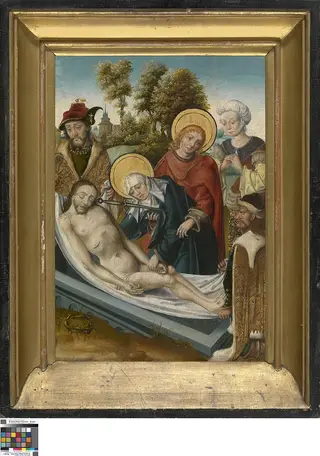
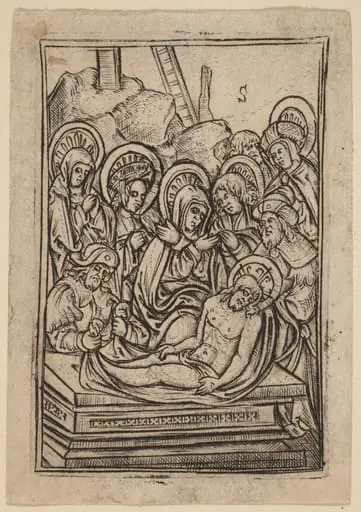
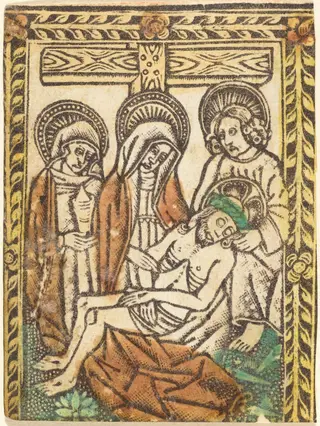
The painting depicts the entombment of Christ, showing Jesus Christ and a man, part of the Passion cycle. It is classified as religious art, created circa 1450, and is housed in the Metropolitan Museum of Art. The subject reflects the biblical narrative of Christ's burial, symbolizing sacrifice and the promise of resurrection.
Iconographically, it follows traditional representations of the entombment, emphasizing solemnity and devotion. The work's meaning lies in its devotional function within a religious context, inviting contemplation of Christ's suffering and redemption.
History & Provenance
Created circa 1450, this religious painting depicts the Entombment of Christ. The work is currently held in the collection of the Metropolitan Museum of Art, where it is cataloged under the accession number 25.120.482. While the specific circumstances of its original commission and the identity of the patron remain unrecorded in the available documentation, the piece is attributed to an anonymous artist.
The museum acquired the panel in 1925, establishing its modern provenance, though details regarding its ownership history prior to this acquisition are not specified in the current records. The work has been classified consistently as a religious genre painting since its entry into the institution.
Context
The Entombment is a 15th‑century religious painting that belongs to the corpus of works portraying the entombment of Christ. It is housed in the Metropolitan Museum of Art (accession 25.120.482) and dates to 1450, as recorded in its metadata. The composition depicts Christ’s burial, a common devotional subject in early Renaissance art, and reflects the genre of religious imagery favored by contemporary patrons.
Because the work is anonymous, it offers insight into the production of devotional paintings in this period, and its presence in a major museum has made it a point of reference for scholarship on early Netherlandish religious art.
Overview
This artwork, titled The Entombment, is a sculptural group depicting a pivotal moment from the New Testament. Crafted from a light-colored material, it portrays several figures gathered around a recumbent body. The piece exemplifies 15th-century artistic conventions, focusing on narrative clarity and emotional depth. It is currently housed within the collection of the Metropolitan Museum of Art.
Technique & Style
Fashioned from a pale stone or marble, the sculpture exhibits a somewhat rough texture, contributing to its tactile presence. The artist's approach to drapery, with its long, flowing robes, is characteristic of 15th-century European art. The detailed rendering of facial expressions and body language, despite the material's texture, conveys the narrative with emotional directness, reflecting the period's evolving naturalism.
Artist & collection