Artwork
Thomas Linley/ (Mrs. Sheridan's brother)
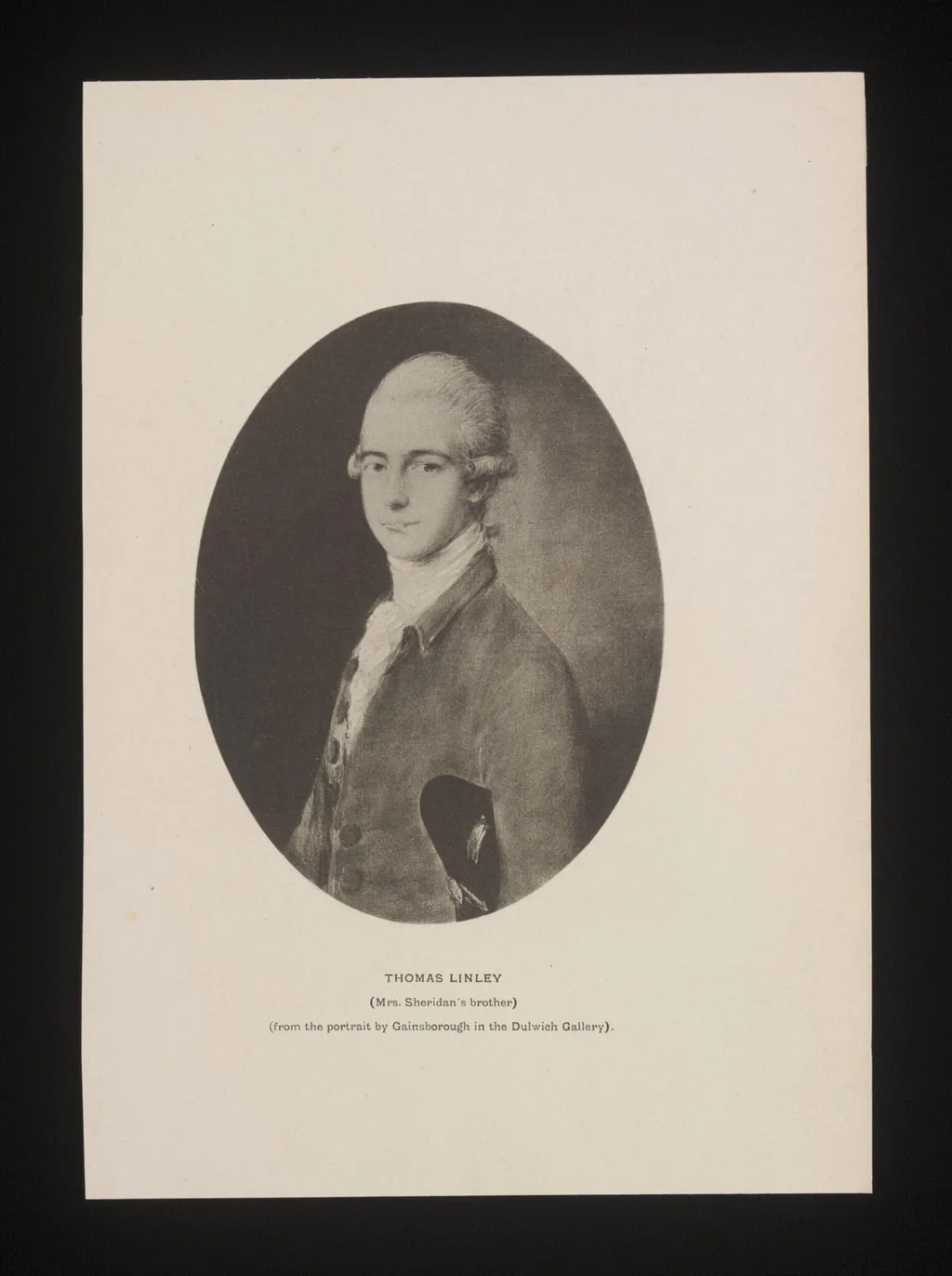
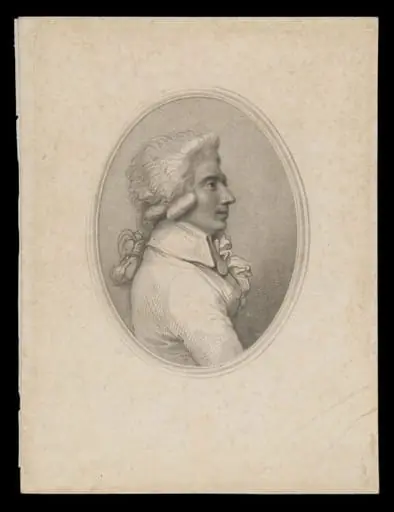
Thomas Linley/ (Mrs. Sheridan's brother) is a print by Unknown. It dates from 1750 and is held in the collection of the Victoria and Albert Museum.
About this work
The print is interesting because it gives us a glimpse of what people looked like back then, and it was made from a collection by Harry Beard.
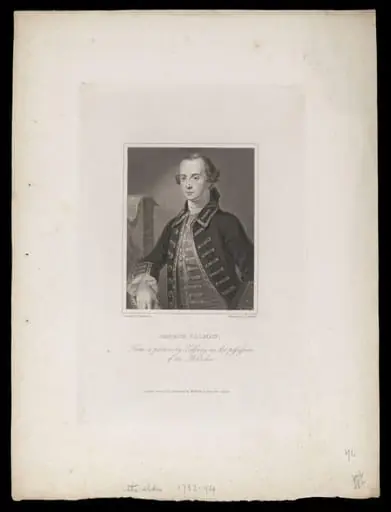
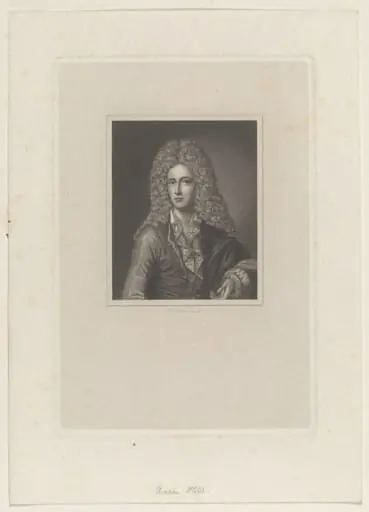
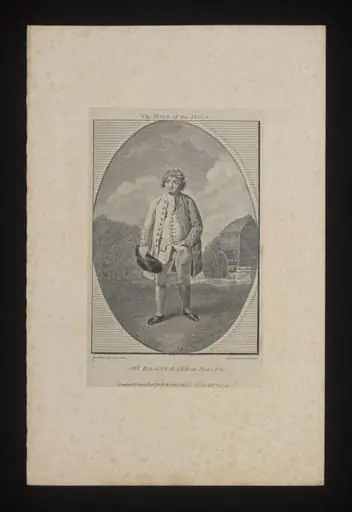
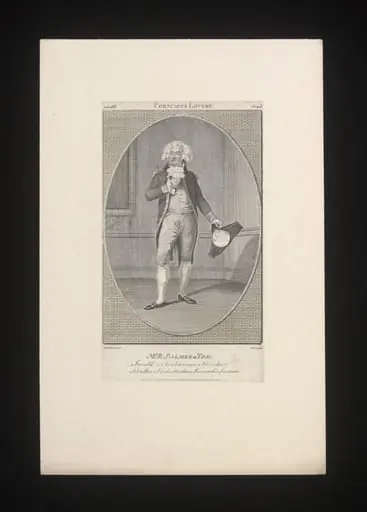
This print shows a man, Thomas Linley, in a simple setting. He was a musician and the brother of Mrs. Elizabeth Sheridan. The print is interesting because it gives us a glimpse of what people looked like back then, and it was made from a collection by Harry Beard.
The fact that it's a print from the late 18th century makes it special. It tells us about the people who lived during that time. We can learn about their clothes and hairstyles.
You can learn more about this kind of art at the museum: Victoria and Albert Museum.
Overview
This late‑eighteenth‑century print portrays Thomas Linley (1758–1778), a noted English musician and the brother of the actress Elizabeth Sheridan. Executed in a modest, domestic setting, the image offers a visual record of a young man of the period, reflecting contemporary dress and grooming. The work is part of the Harry Beard Collection and is held by the Victoria and Albert Museum.
Subject & Meaning
Thomas Linley, celebrated for his compositional talent, is presented here in a straightforward pose that emphasizes his personal identity rather than any allegorical narrative. By linking him to his sister, Elizabeth Sheridan, the portrait underscores the family's cultural prominence within the Georgian artistic milieu, suggesting a familial pride in artistic achievement.
Technique & Style
The image is a print, likely produced by engraving or etching, techniques common for disseminating likenesses in the 1700s. The line work is restrained, focusing on the figure’s features, clothing, and modest background, while the limited tonal range conveys a sense of immediacy typical of portrait prints intended for private collection.
History & Provenance
Created circa the late 1700s, the print entered the Harry Beard Collection, a private assemblage of Georgian-era artworks. It later transferred to the Victoria and Albert Museum, where it remains catalogued as part of the institution’s holdings on British portraiture and print culture.
Artist & collection