Artwork
Saint Bartholomew
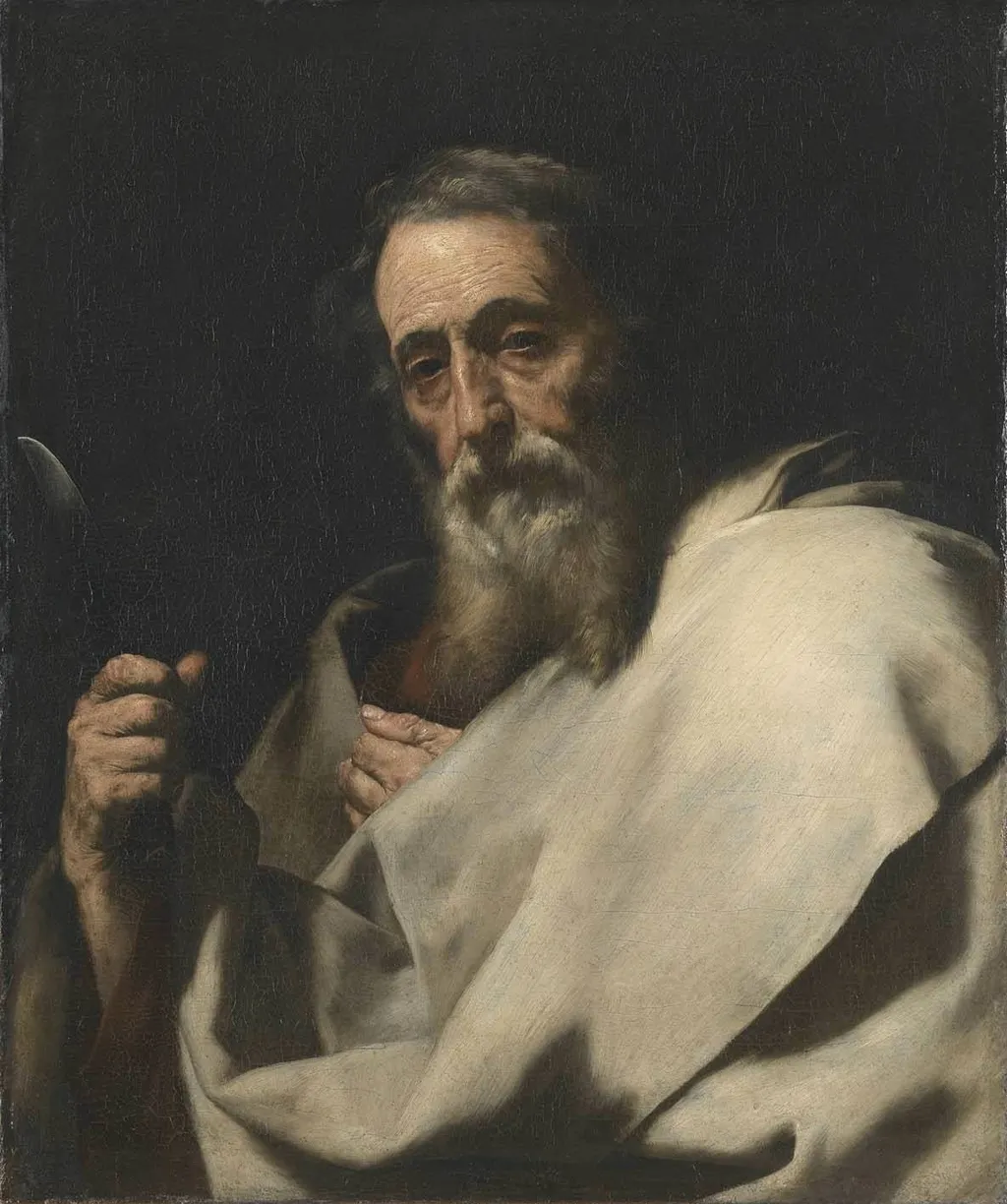
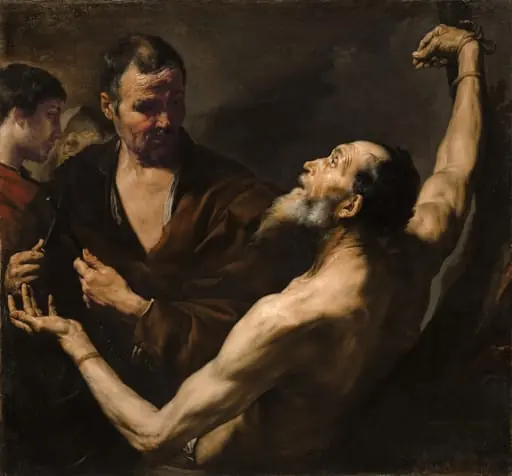
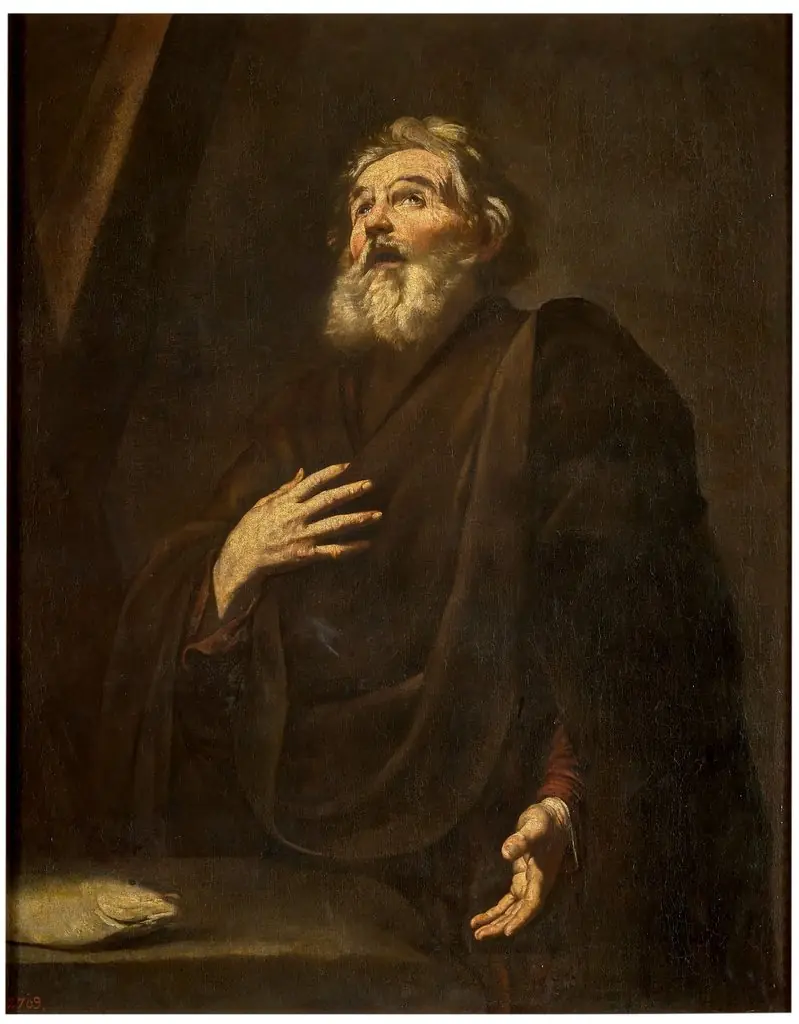
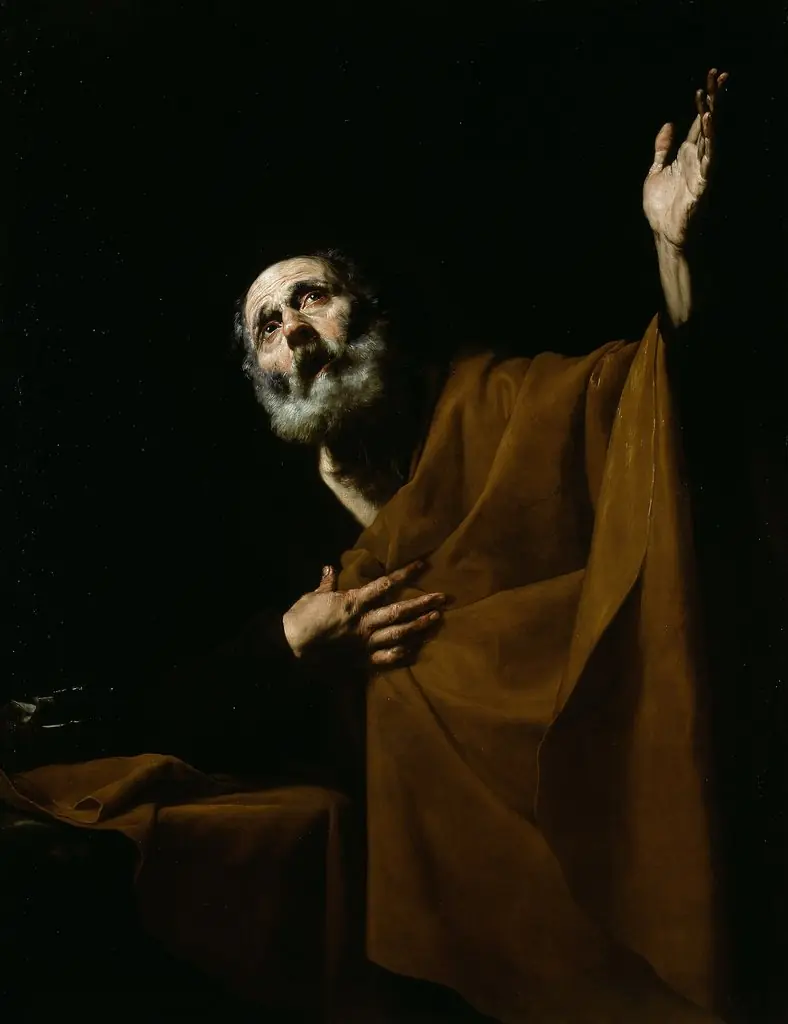
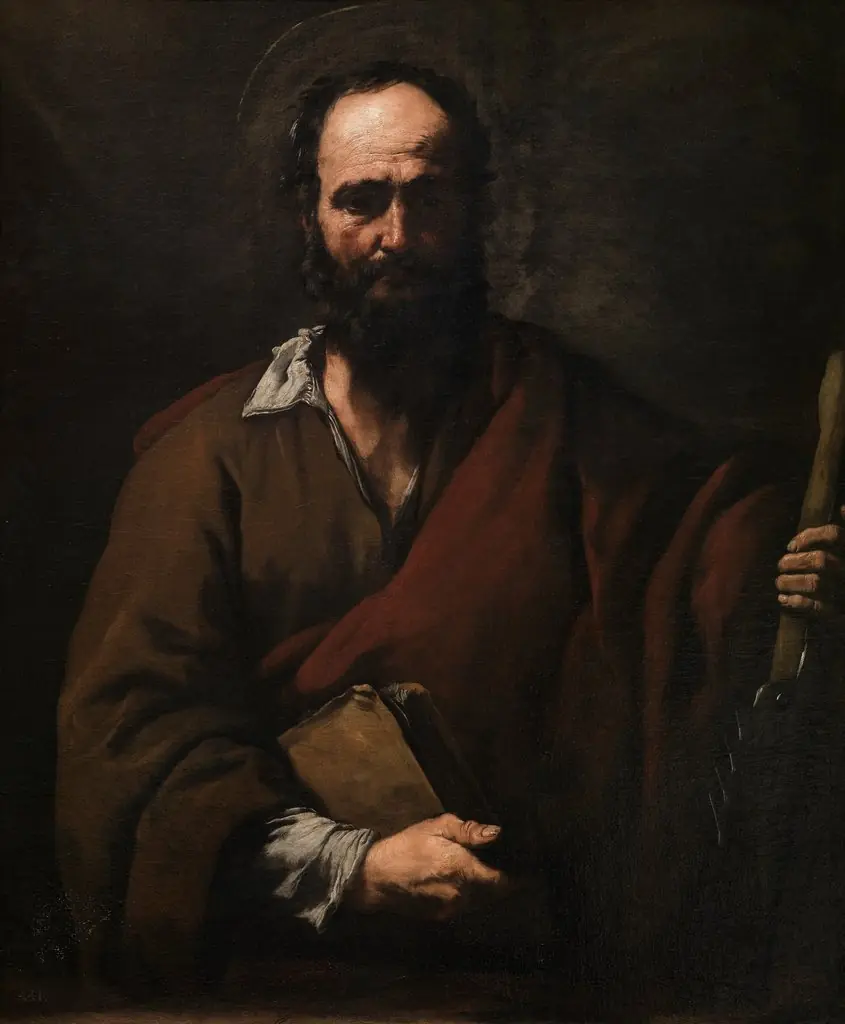
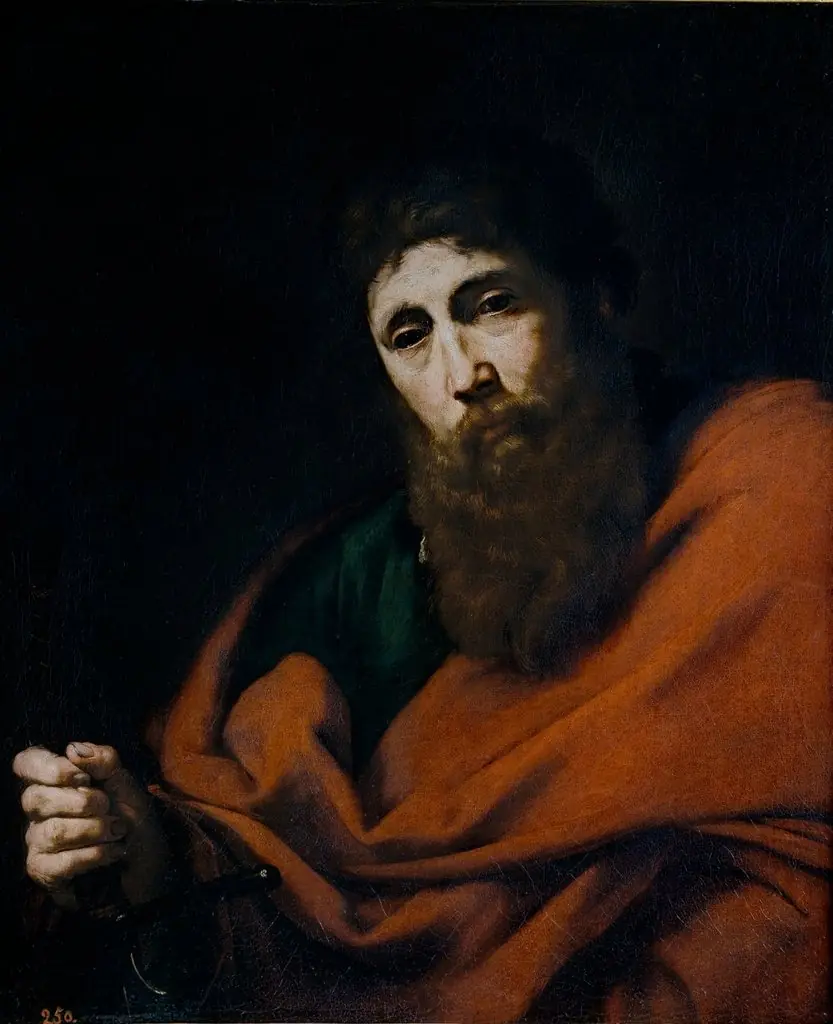
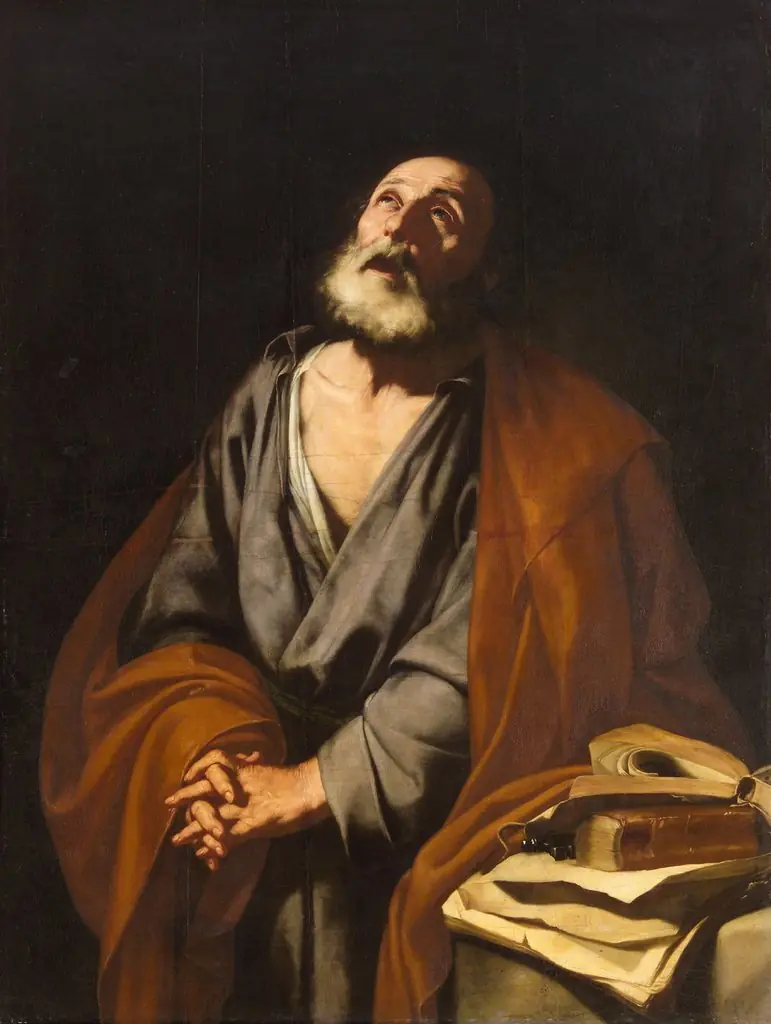
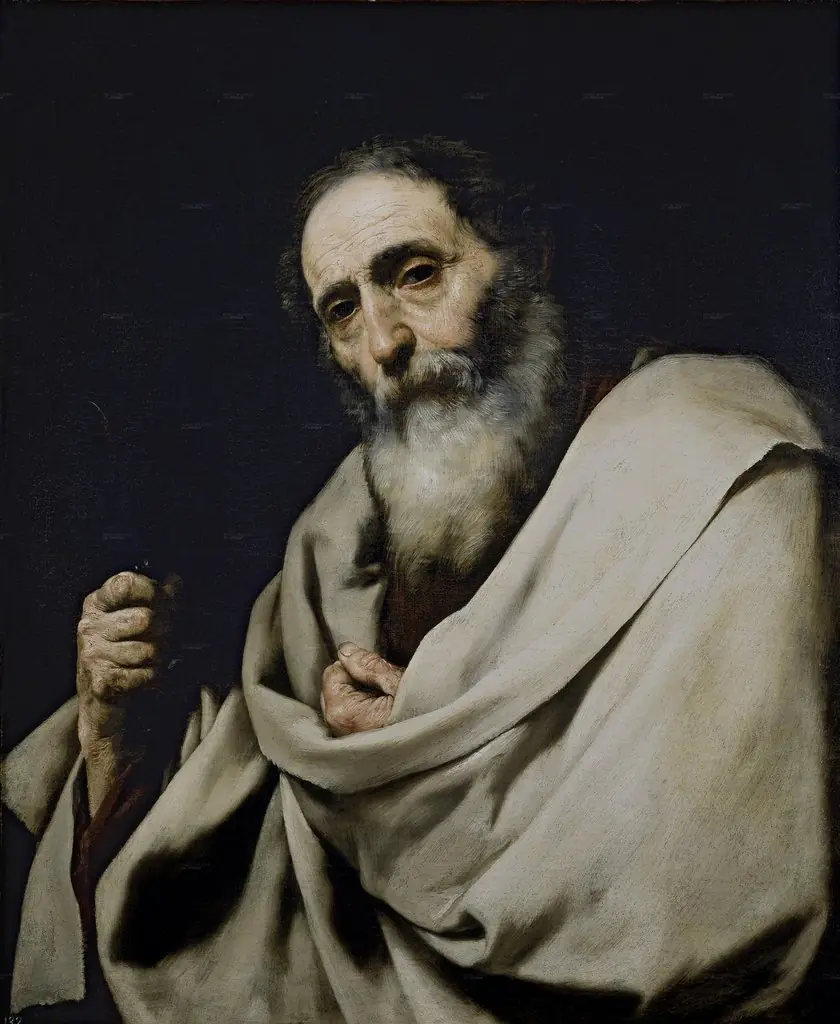
Saint Bartholomew is an unspecified painting by the Early Baroque Italian artist Jusepe de Ribera. It dates from 1634 and is held in the collection of the Bavarian State Painting Collections.
About this work
Subject & Meaning
As a religious artwork, it serves to represent the saint, likely intended for devotional or ecclesiastical contexts typical of 17th-century Spanish painting.
The painting depicts Bartholomew the Apostle, a figure central to religious art traditions. Created by Jusepe de Ribera in 1634, the work falls within the religious genre and focuses entirely on the apostle as its main subject. As a religious artwork, it serves to represent the saint, likely intended for devotional or ecclesiastical contexts typical of 17th-century Spanish painting.
The composition centers on the individual identity of the apostle, distinguishing him as the sole figure of veneration within the frame.
Technique & Style
Executed in oil on canvas in 1634, the painting measures 76.5 cm in height and 64 cm in width. Ribera employed a restrained, tenebrist lighting to model the apostle’s muscular torso and taut skin, conveying both anatomical precision and devotional intensity. The handling emphasizes tactile realism in the saint’s flesh and beard, while the coarse drapery folds and worn sandal communicate a stark, earthbound asceticism.
The restrained palette and concentrated focus on the figure typify Ribera’s Caravaggisti approach, merging naturalism with a palpable spiritual gravity.
History & Provenance
The painting Saint Bartholomew was created by Jusepe de Ribera in 1634. This religious work depicts the Apostle Bartholomew and is currently held within the collection of the Bavarian State Painting Collections. The artwork is located at the Alte Pinakothek in Munich, Germany.
While the specific commission details or original ownership chain are not detailed in the provided records, the work's inception is established as 1634.
Saint Bartholomew is held in the Alte Pinakothek in Munich, Germany, within the Bavarian State Painting Collections, and is cataloged under inventory number 2887. The work was first displayed publicly in 1826 as part of the Royal Palace exhibition and later featured in the 1888 Munich Secession retrospective. It was included in the 1930 exhibition "Masterpieces of Spanish Painting" at the Alte Pinakothek and again in the 2005 exhibition "Ribera in Bavaria" celebrating the museum’s Spanish collection.
Overview
Created in 1634 by Jusepe de Ribera, this oil painting portrays the apostle Bartholomew during the artist’s productive period in Naples, where he led the local Baroque school. The work belongs to the collection of the Alte Pinakothek in Munich and exemplifies Ribera’s mature approach to religious subjects.
Artist & collection
Artist
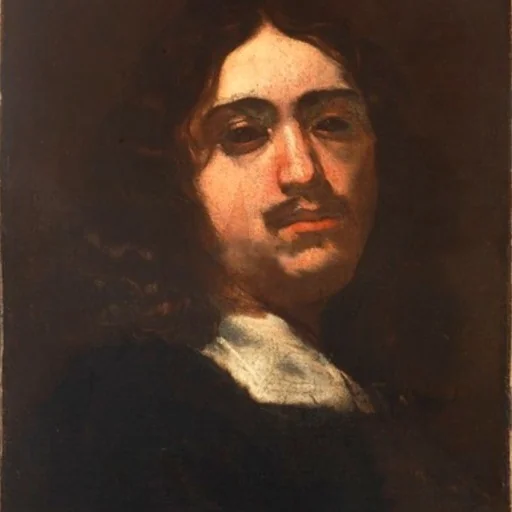
Jusepe de Ribera (Valencian:; baptised 17 February 1591 – 3 November 1652) was a Spanish painter and printmaker.