Artwork
Untitled
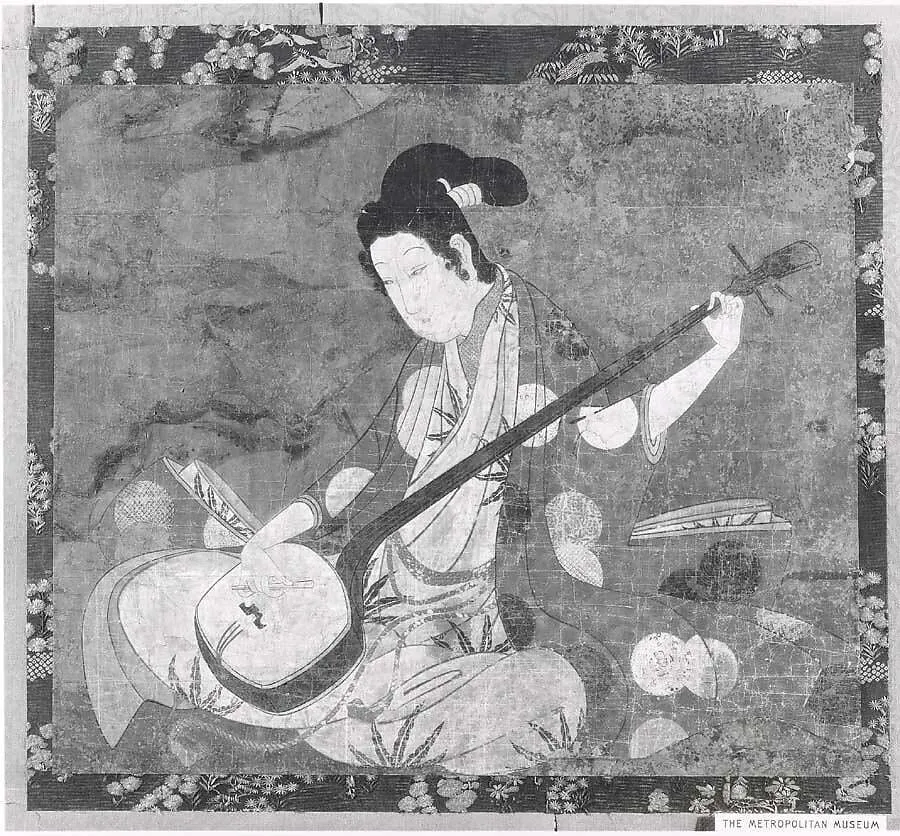
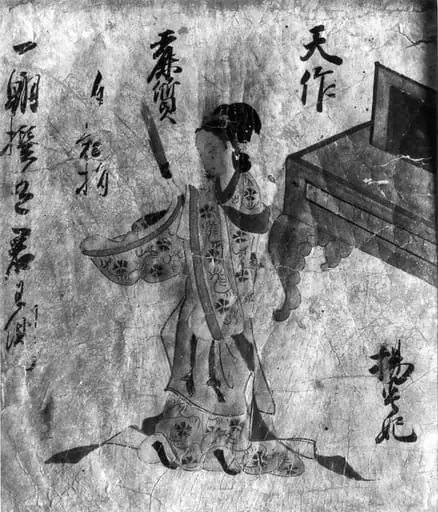
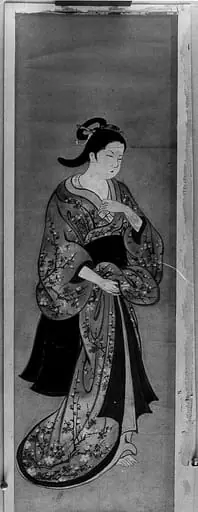
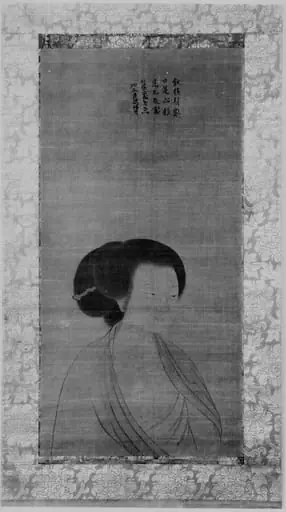
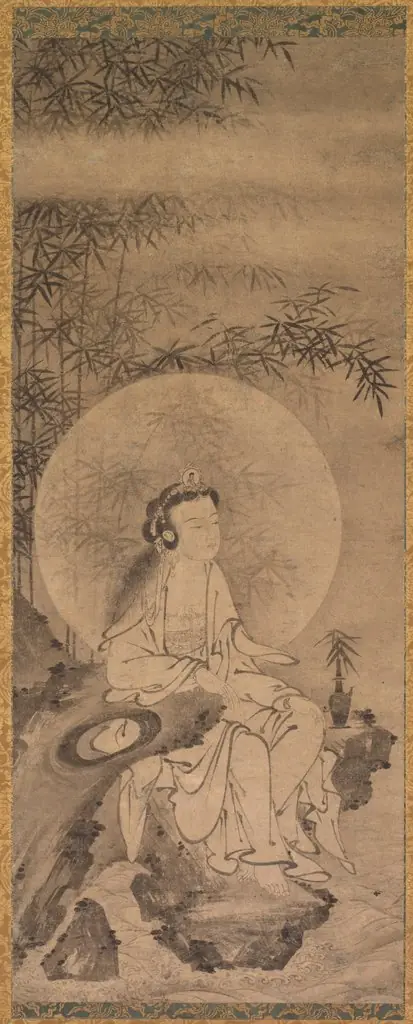
Untitled is an ink painting. It dates from 1638 and is held in the collection of the Metropolitan Museum of Art. This work consists of a remounted fragment of a traditional Japanese folding screen, rendered in ink and color on paper.
- Accession no.
- 29.100.455
- Credit line
- H. O. Havemeyer Collection, Bequest of Mrs. H. O. Havemeyer, 1929
About this work
Subject & Meaning
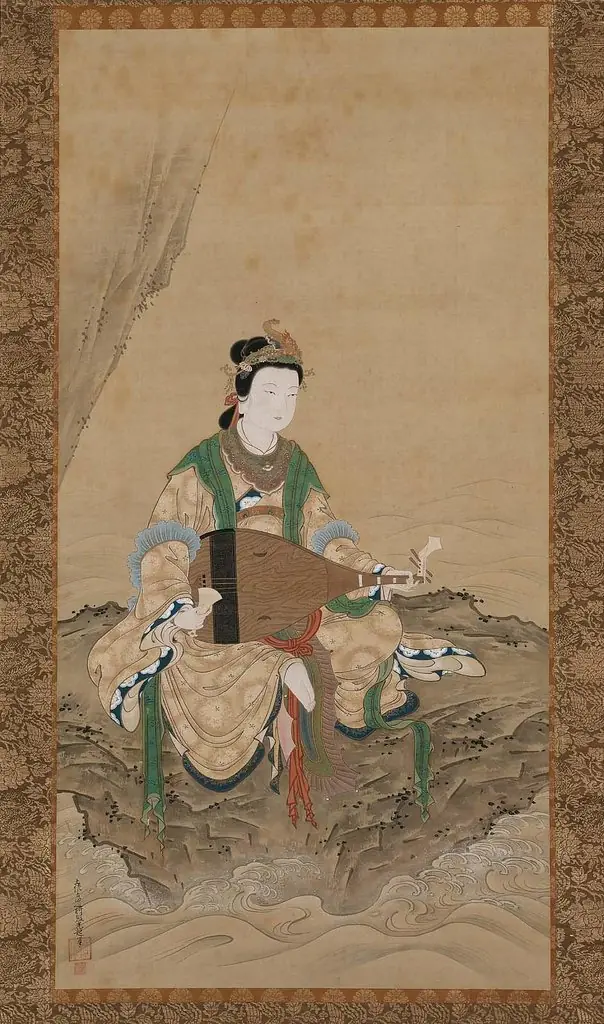
The inclusion of the instrument and the woman's posture suggest themes of domestic music-making and leisure within the genre of Japanese screen painting.
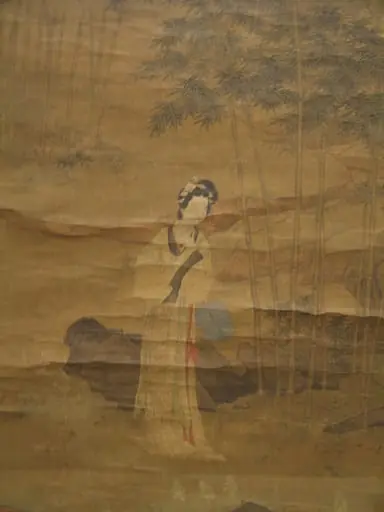
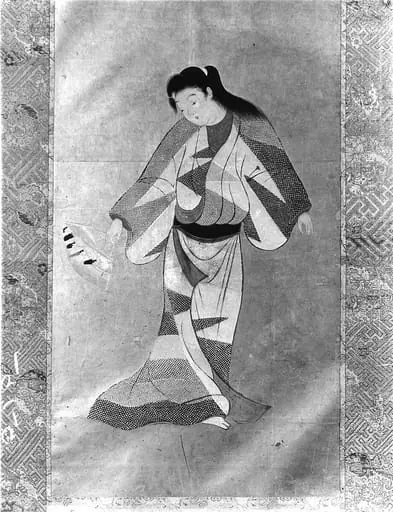
The painting depicts a woman seated with a musical instrument, likely a koto, a traditional Japanese stringed instrument. The inclusion of the instrument and the woman's posture suggest themes of domestic music-making and leisure within the genre of Japanese screen painting. Such scenes often reflect ideals of refined culture and private enjoyment during the Edo period. The work's anonymity and the absence of overt narrative elements emphasize atmosphere and activity over explicit storytelling.
Technique & Style
The work is executed in ink and color on paper, dated 1638. It takes the form of a remounted section of a screen, repurposing an original architectural element into a framed or mounted painting format. The classification places it within the broader category of paintings, and the imagery depicts a musical instrument and a woman, consistent with a Japanese genre scene.
History & Provenance
The work entered the collection of the Metropolitan Museum of Art in New York by 1911, where it has remained since. Its creation date is given as 1638, in the early Edo period in Japan. No record of a named patron or specific commission survives; the artist is recorded as anonymous, and the medium, a remounted section of a screen in ink and color on paper, places it within the tradition of Japanese screen painting of the seventeenth century. No specific accession number or exhibition history is recorded in the provided sources.
Legacy
The painting, titled Untitled, dates to 1638 and is classified as a genre-scene work by an anonymous Japanese hand. It is executed as a remounted section of a screen using ink and color on paper. The composition shows a musical instrument alongside a woman.
The work is part of the Metropolitan Museum of Art's collection in New York, and its inclusion there has made it a reference point for scholarship on early Japanese screen paintings and anonymous genre scenes from the Edo period.
Overview
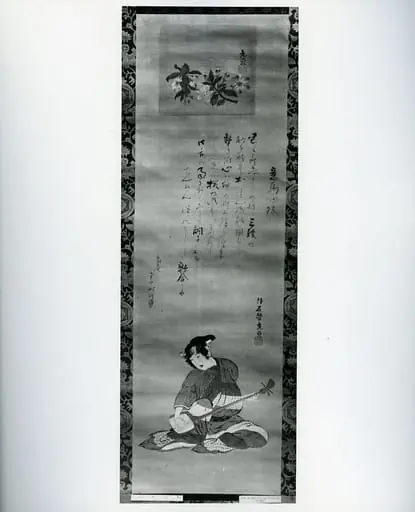
This work consists of a remounted fragment of a traditional Japanese folding screen, rendered in ink and color on paper. The scene captures a seated woman gently plucking a three‑stringed shamisen, while a backdrop of stylized bamboo and clouds recedes behind her. The piece is presented as a standalone panel after being detached from its original larger composition.
Context
Folding screens (byōbu) were commonly used in Japanese interiors to partition space and display decorative art. Musical subjects, especially the shamisen, frequently appeared in such works, reflecting the instrument’s popularity among both aristocratic and common households during the Edo period.
Artist & collection