Artwork
Untitled
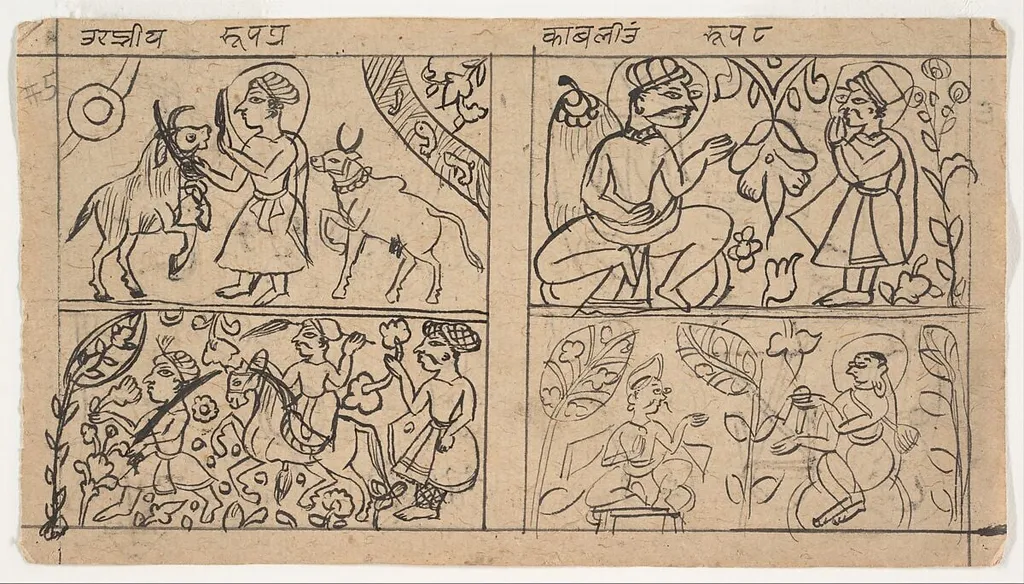
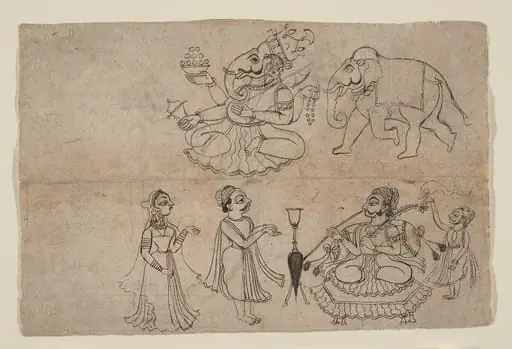
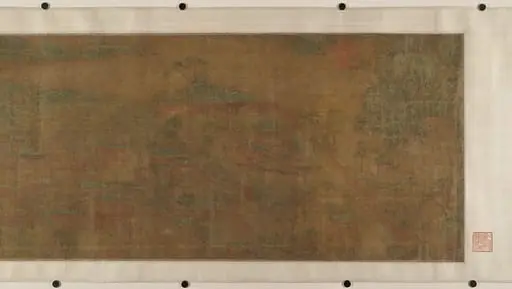
Untitled is an ink painting. It dates from 1675 and is held in the collection of the Metropolitan Museum of Art.
About this work
Subject & Meaning
At its modest scale, the composition focuses attention on the relationship between rider, mount, and animals as carriers of meaning within a devotional context.
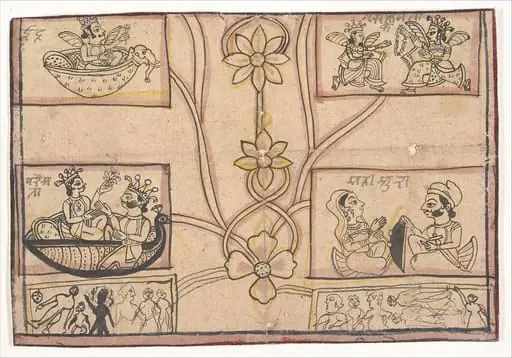
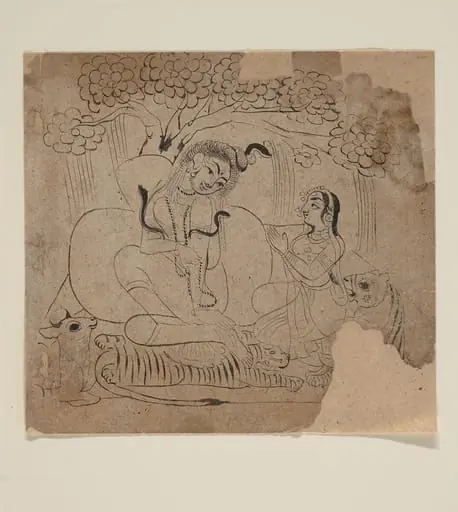
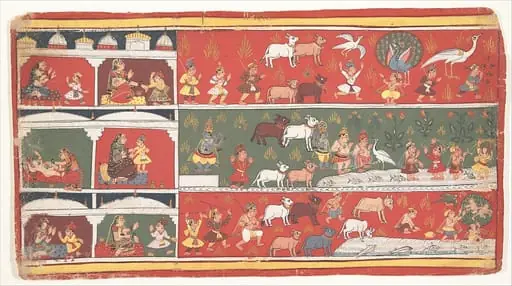
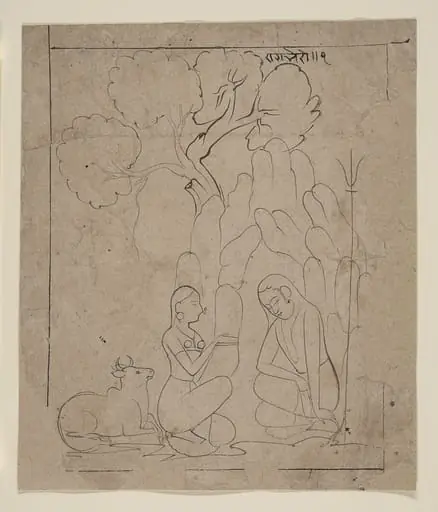
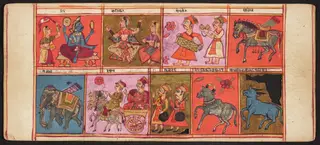
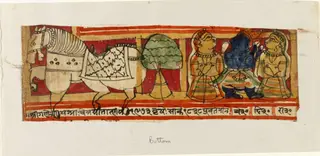
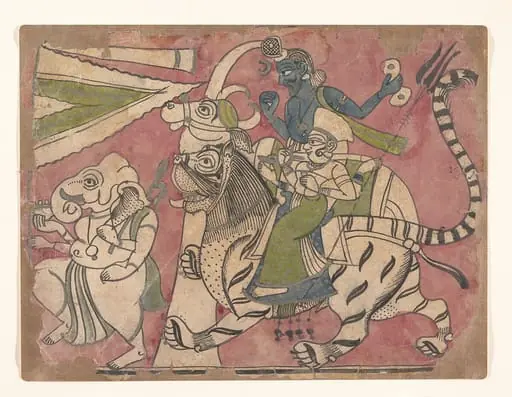
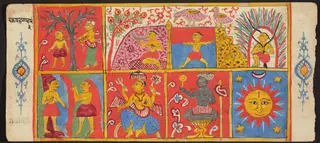
The untitled 1675 ink-on-paper work is classified as religious art and depicts an equestrian scene featuring a man on horseback accompanied by cattle. The combination of a rider, horse, and grazing or herded cattle is a common motif in Indian religious painting traditions of the period, where pastoral and equestrian imagery often carried devotional or narrative significance. The presence of livestock alongside a mounted figure suggests themes of herding, travel, or a specific scriptural episode, though the precise iconographic identification remains tied to the broader religious genre rather than a named saint or deity.
At its modest scale, the composition focuses attention on the relationship between rider, mount, and animals as carriers of meaning within a devotional context.
Technique & Style
The work is executed in ink on paper, a medium typical of seventeenth-century Indian devotional drawings. Its small scale (12.4 × 17.8 cm) and rapid, calligraphic handling suggest a preparatory or votive function rather than a finished panel painting. Linear contours define the figures, horse, rider, and cattle, while minimal washes model volume, emphasizing outline over internal detail.
Stylistic traits include attenuated proportions and abbreviated landscape cues, aligning with contemporaneous Rajasthani or Deccani traditions that favored schematic composition and expressive gesture over naturalistic finish.
History & Provenance
Created in 1675 in India, this ink-on-paper work is attributed to an anonymous artist. The piece depicts religious themes featuring a man, cattle, and equestrian scenes. It entered the collection of the Metropolitan Museum of Art in 1977, specifically cataloged under the accession number 1977.440.5a, b. While the specific commission details and the full chain of ownership prior to the museum's acquisition are not recorded in the available sources, the work's creation is firmly dated to the late seventeenth century.
The artwork measures 12.4 by 17.8 centimeters and remains part of the museum's holdings, representing a significant example of anonymous Indian religious art from that period.
The work is held by the Metropolitan Museum of Art, New York, inventoried as 1977.440.5a, b. It entered the museum’s collection in 1977. The painting has been exhibited under the museum’s general holdings and within thematic presentations of Indian religious art; however, specific exhibition records prior to its acquisition are not documented in the cited sources.
Overview
This untitled ink drawing on paper, attributed stylistically to 17th-century India, depicts a man guiding livestock along a path. Despite its small scale, roughly the size of a postcard, the artwork conveys a sense of dynamic movement and detailed observation. Its anonymous creator utilized precise ink work to render a vivid, everyday scene.
Artist & collection