Artwork
Untitled
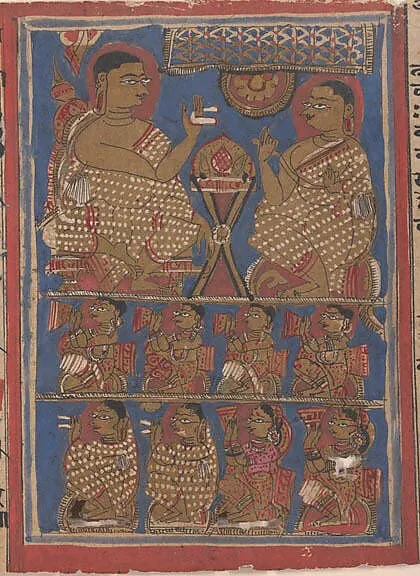
Untitled is a watercolor painting. It dates from 1449 and is held in the collection of the Metropolitan Museum of Art.
About this work
Subject & Meaning
Executed in ink, opaque watercolor, and gold on paper, the artwork functions as a visual representation of Jain beliefs and figures.
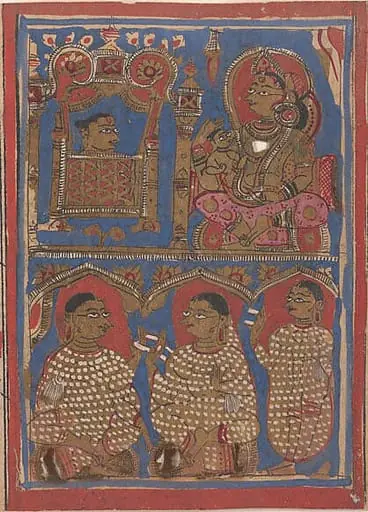
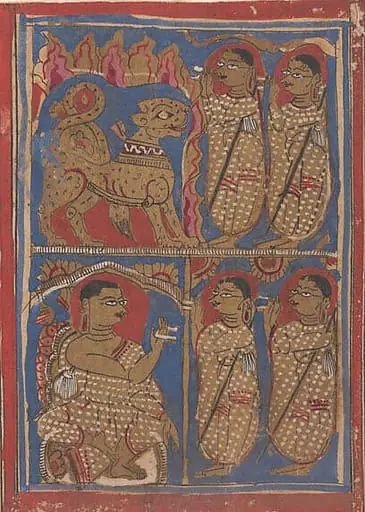
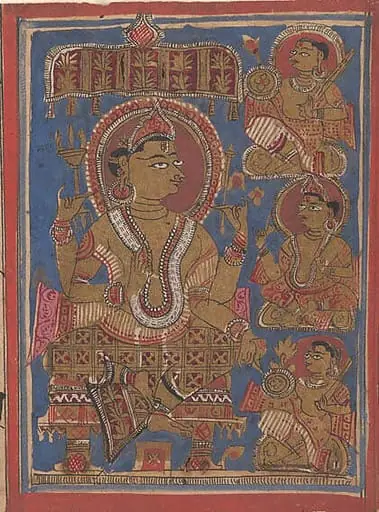
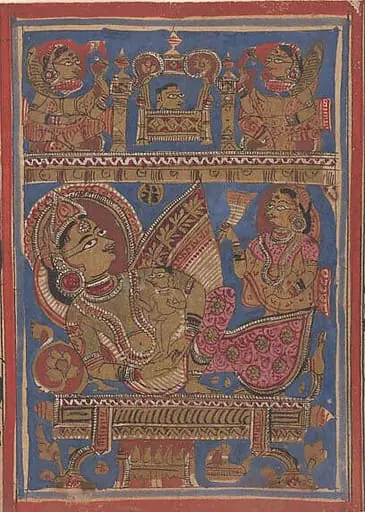
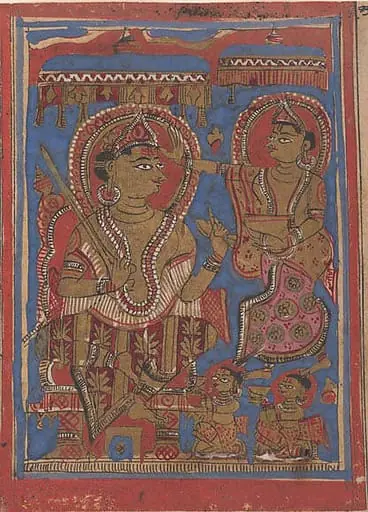
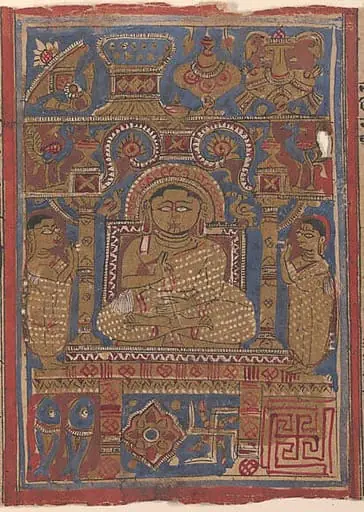
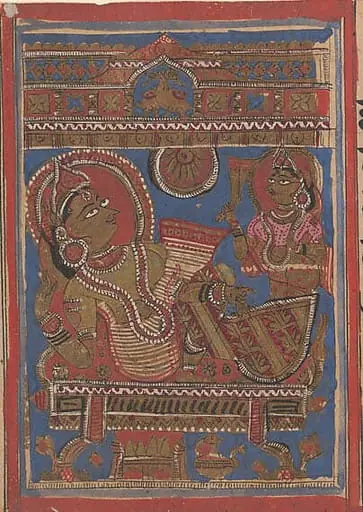
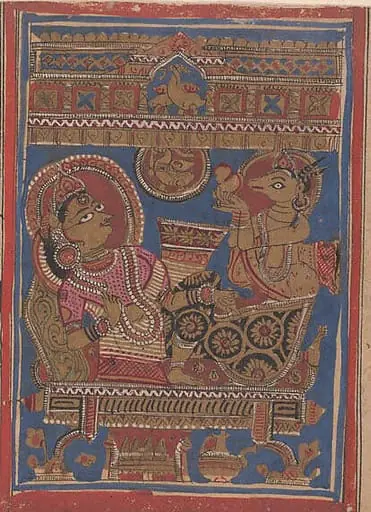
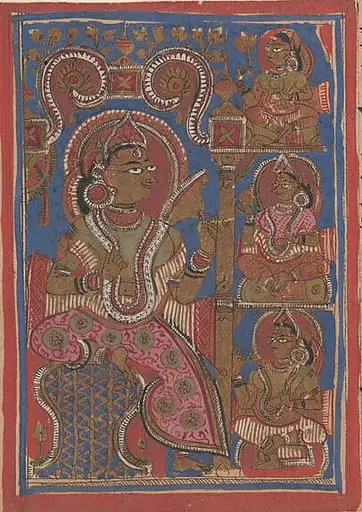
Created in 1449 in India, this anonymous work is a religious painting rooted in the Jainism tradition. The composition depicts a man and a woman, figures central to the narrative or devotional context of the piece. Executed in ink, opaque watercolor, and gold on paper, the artwork functions as a visual representation of Jain beliefs and figures.
While the specific narrative identity of the individuals is not detailed in the available records, their presence within a genre explicitly classified as religious art indicates the work serves a spiritual or didactic purpose consistent with 15th-century Indian Jain iconography. The use of gold further underscores the sacred nature of the subject matter.
History & Provenance
"Untitled" is a 1449 religious painting executed in ink, opaque watercolor, and gold on paper, depicting a man and woman associated with Jainism. It was created in India and entered the collection of the Metropolitan Museum of Art, where it remains. The work is attributed to an anonymous painter; no record of commission or subsequent owners is provided.
The dating is based on the manuscript's inscription, and its physical dimensions are 11.1 × 27 cm. The painting is classified within the genre of religious art.
Untitled, a 1449 Jain religious painting, is part of the Metropolitan Museum of Art's collection in New York. The work is catalogued in the museum's holdings but no specific inventory or accession number is disclosed in the available record. Measuring 11.1 cm in height and 27 cm in width, the ink, opaque watercolor, and gold on paper work depicts a man and woman within a Jain narrative.
Its presence in the museum has not been linked to any documented temporary exhibitions or loan histories in the sources consulted.
Context
The painting, dated 1449 and executed in ink, opaque watercolor, and gold on paper, exemplifies early Indian religious art. Its anonymous authorship and depiction of Jain figures, man, woman, and symbolic motifs, place it within the broader tradition of Jain manuscript illumination. Classified as a religious genre work, it was produced in India and is now part of the Metropolitan Museum of Art collection, where it is studied as a representative example of 15th‑century devotional painting.
Scholars reference the piece when examining the development of Jain visual culture and the stylistic conventions of anonymous painters in the pre‑Mughal period.
Overview
This small, vibrant painting, rendered with ink, opaque watercolor, and gold on paper, depicts a man and woman seated beneath a tree, surrounded by a multitude of tiny figures and animals. Created in Gujarat, India, during the 15th century, the artwork's golden background imparts a luminous, ethereal quality, suggesting a dream-like or sacred atmosphere within its compact composition.
Technique & Style
Executed with ink, opaque watercolor, and gold on paper, the artwork showcases the intricate detail characteristic of manuscript illumination from the period. The prominent use of gold leaf, applied behind the central figures, serves more than a decorative purpose. Its radiant glow elevates the scene, signifying the inherent sacredness and spiritual importance of the depicted moment within the Jain tradition.
Artist & collection