Artwork
Whaling Fleet, Icebound
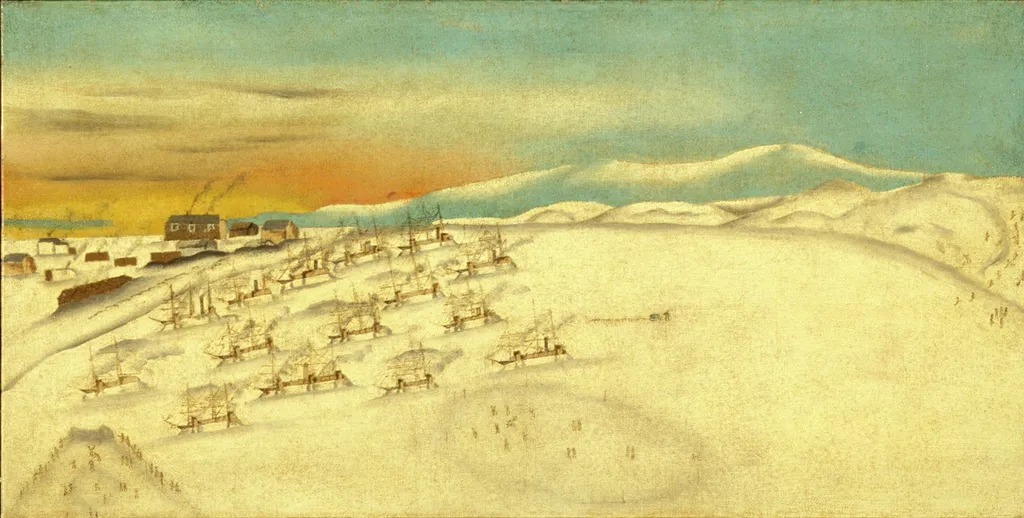
Whaling Fleet, Icebound is an oil painting by the Hudson River School artist Unknown. It dates from 1860 and is held in the collection of the Detroit Institute of Arts. This oil painting captures a whaling fleet immobilized in Arctic ice, presenting a quiet, frozen moment in time.
About this work
Overview
The palette is restrained, dominated by cool grays and blues, reinforcing the stillness and isolation of the scene.
This oil painting captures a whaling fleet immobilized in Arctic ice, presenting a quiet, frozen moment in time. The vessels are tightly clustered, their masts and rigging rising above a uniform white expanse. Distant structures with wisps of chimney smoke suggest a nearby settlement.
The palette is restrained, dominated by cool grays and blues, reinforcing the stillness and isolation of the scene.
Subject & Meaning
The scene portrays the vulnerability of human enterprise against nature’s forces. The whaling ships, symbols of industry and exploration, are halted not by storm but by the silent, inevitable advance of ice. The absence of human figures heightens the sense of abandonment, suggesting the fragility of ambition in extreme environments.
Technique & Style
The artist employs chiaroscuro to model forms subtly, using soft contrasts between light and shadow to suggest volume in the ice and hulls. Brushwork is controlled and precise, avoiding dramatic strokes. The muted tones and even lighting create a uniform atmosphere, enhancing the painting’s meditative tone and spatial depth without theatricality.
History & Provenance
The painting originates from the 19th century, likely produced by an American or British artist familiar with Arctic whaling expeditions. It may have been commissioned by a shipowner or merchant involved in the industry. Its survival suggests it was preserved within private or institutional collections, though specific ownership records remain undocumented.
Context
During the mid-1800s, Arctic whaling was a major commercial enterprise, driven by demand for whale oil. Expeditions often became stranded in ice for months, a known risk among crews. This painting reflects a real but rarely depicted aspect of the trade, not the hunt, but the prolonged, passive endurance required in frozen seas.
Legacy
The work contributes to a niche genre of maritime art that emphasizes endurance over action. Unlike heroic seascapes, it presents quiet resilience, influencing later depictions of polar exploration that favor atmosphere over drama. Its understated realism offers a counterpoint to romanticized narratives of Arctic adventure.
Artist & collection









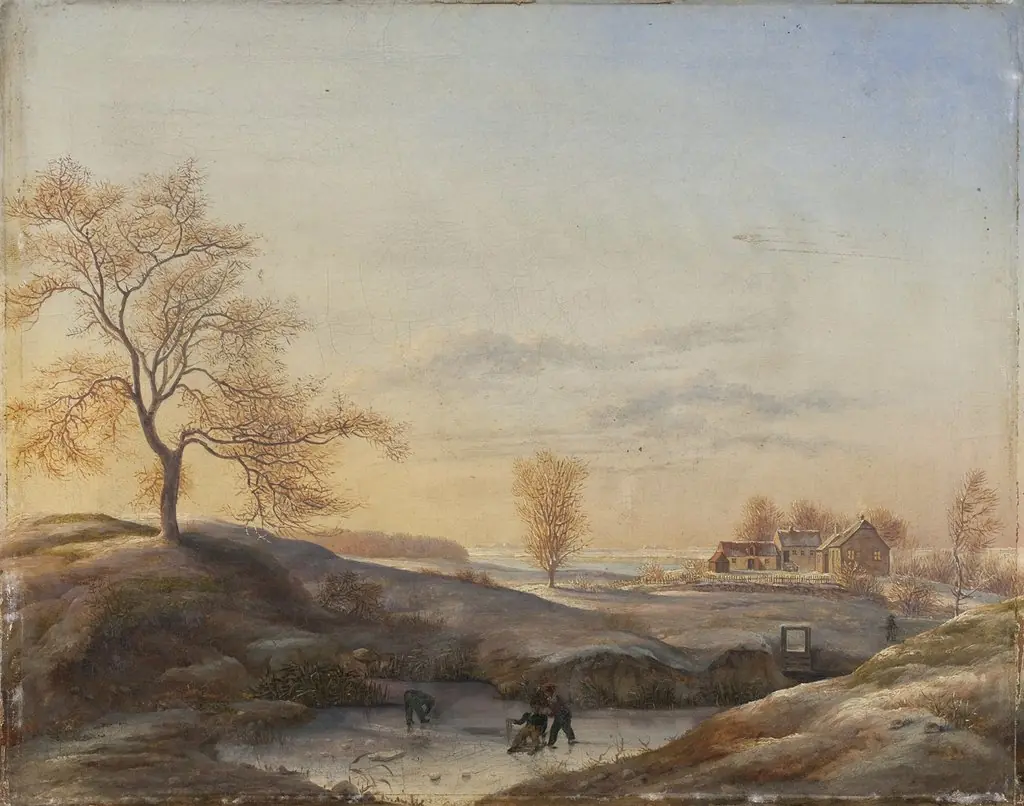
- Vinterlandskab fra Frederiksdal med skøjteløbere
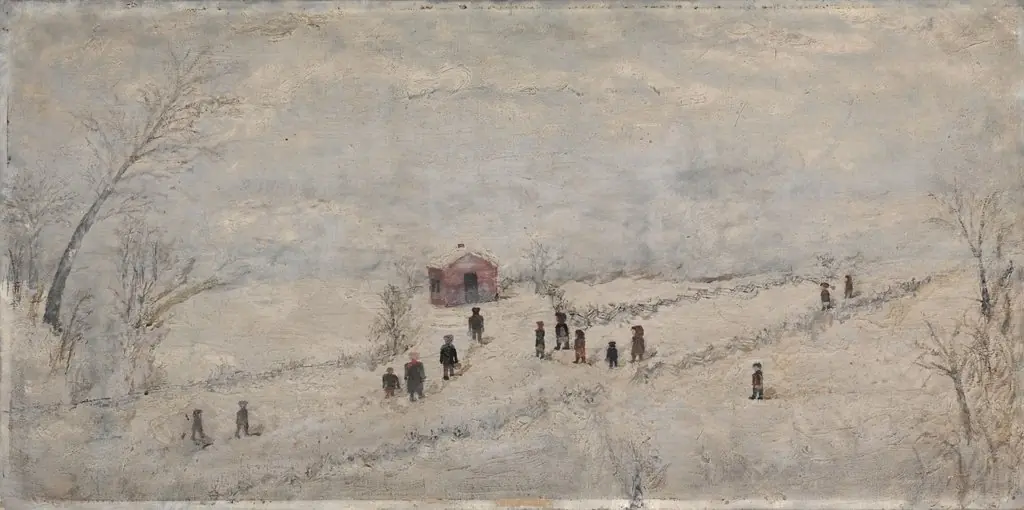 Snow Scene
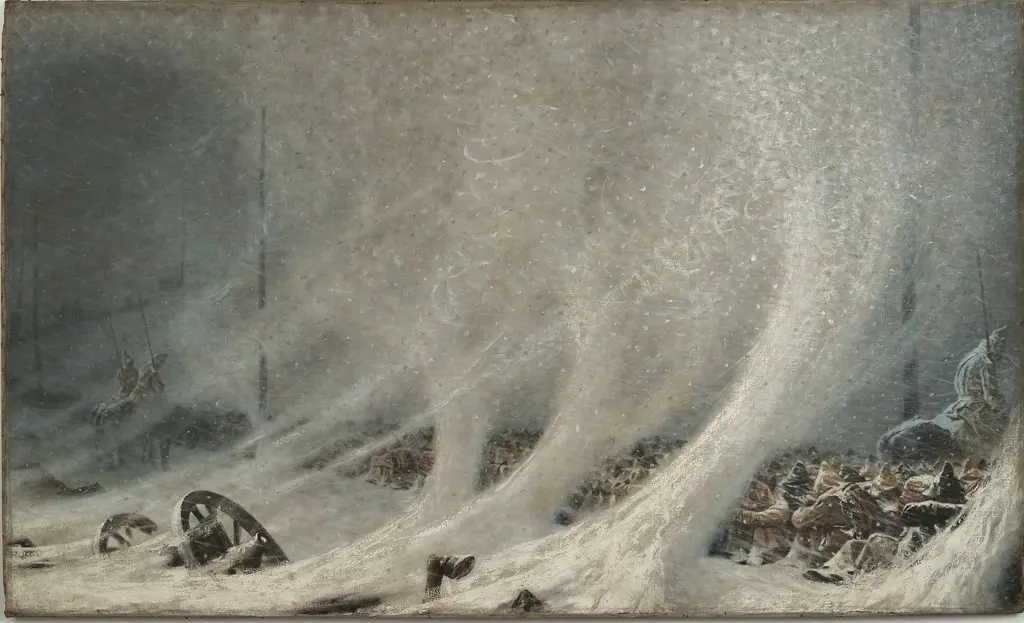 A Resting Place of Prisoners
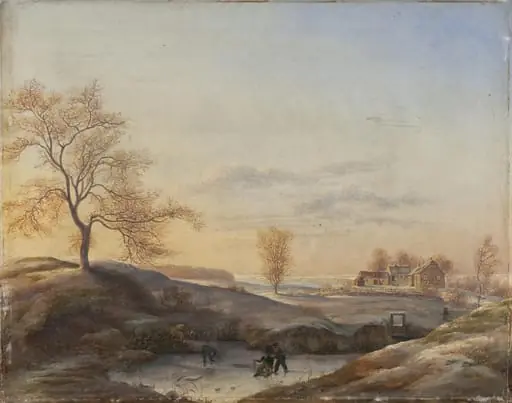 Vinterlandskab fra Frederiksdal med skøjteløbere
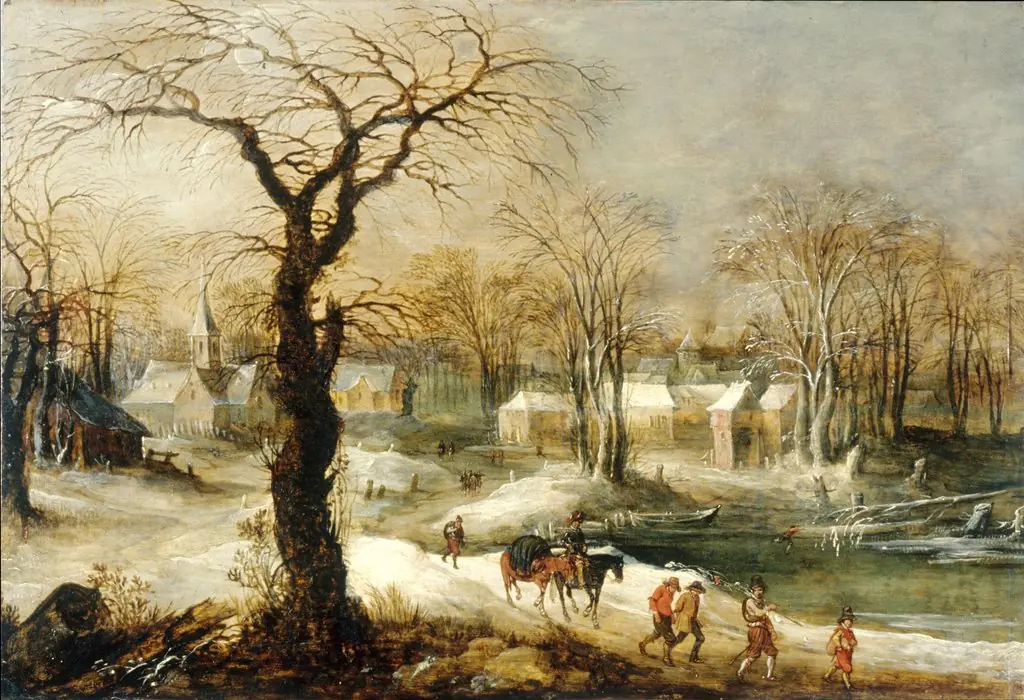 Winter Landscape
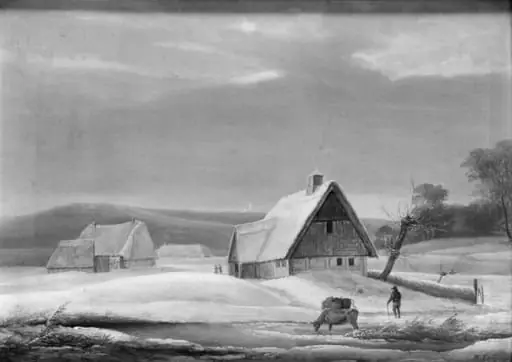 Vinterlandskab med to gårde ved en tilfrossen å
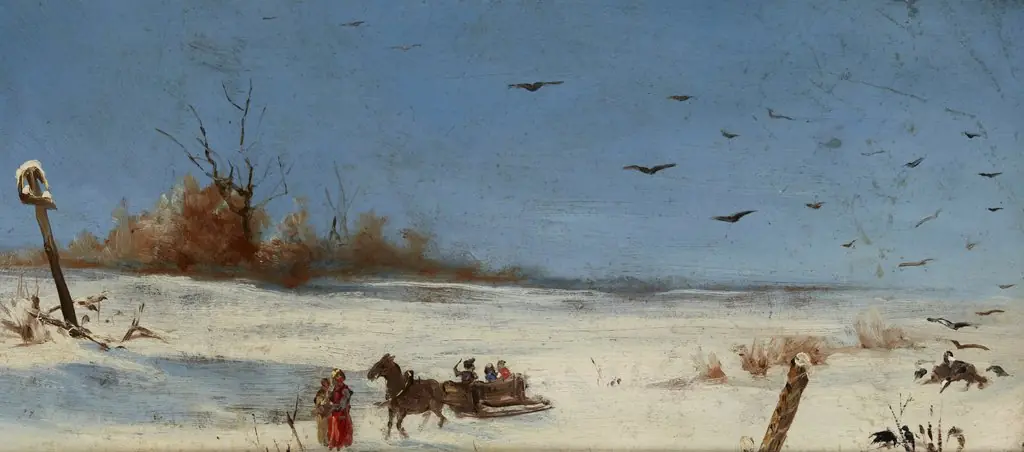 Sledging
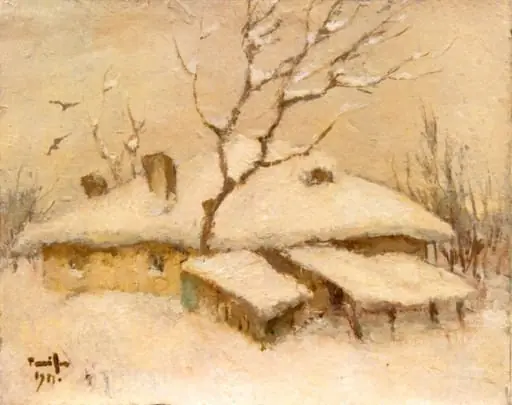 Case sub zăpadă
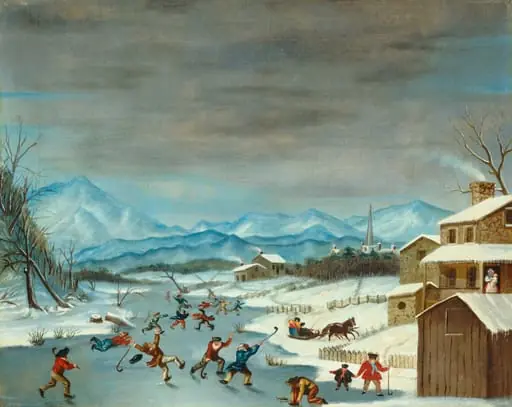 Skating Scene
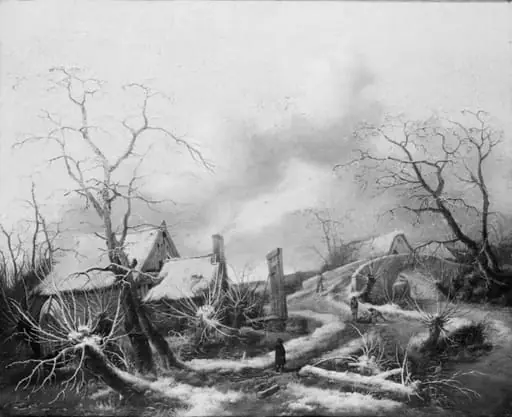 Winter Scenery
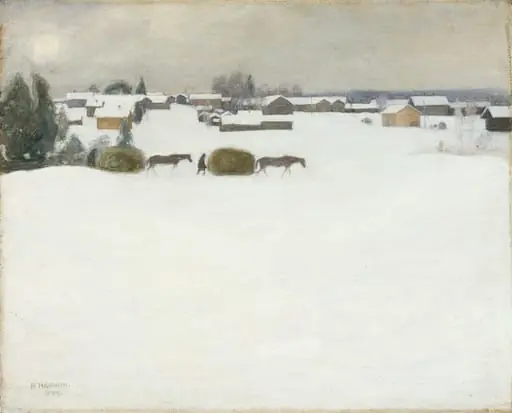 Heinäkuormia
 Snowfall on a village beside a frozen canal