Artwork
Alexander Nevsky
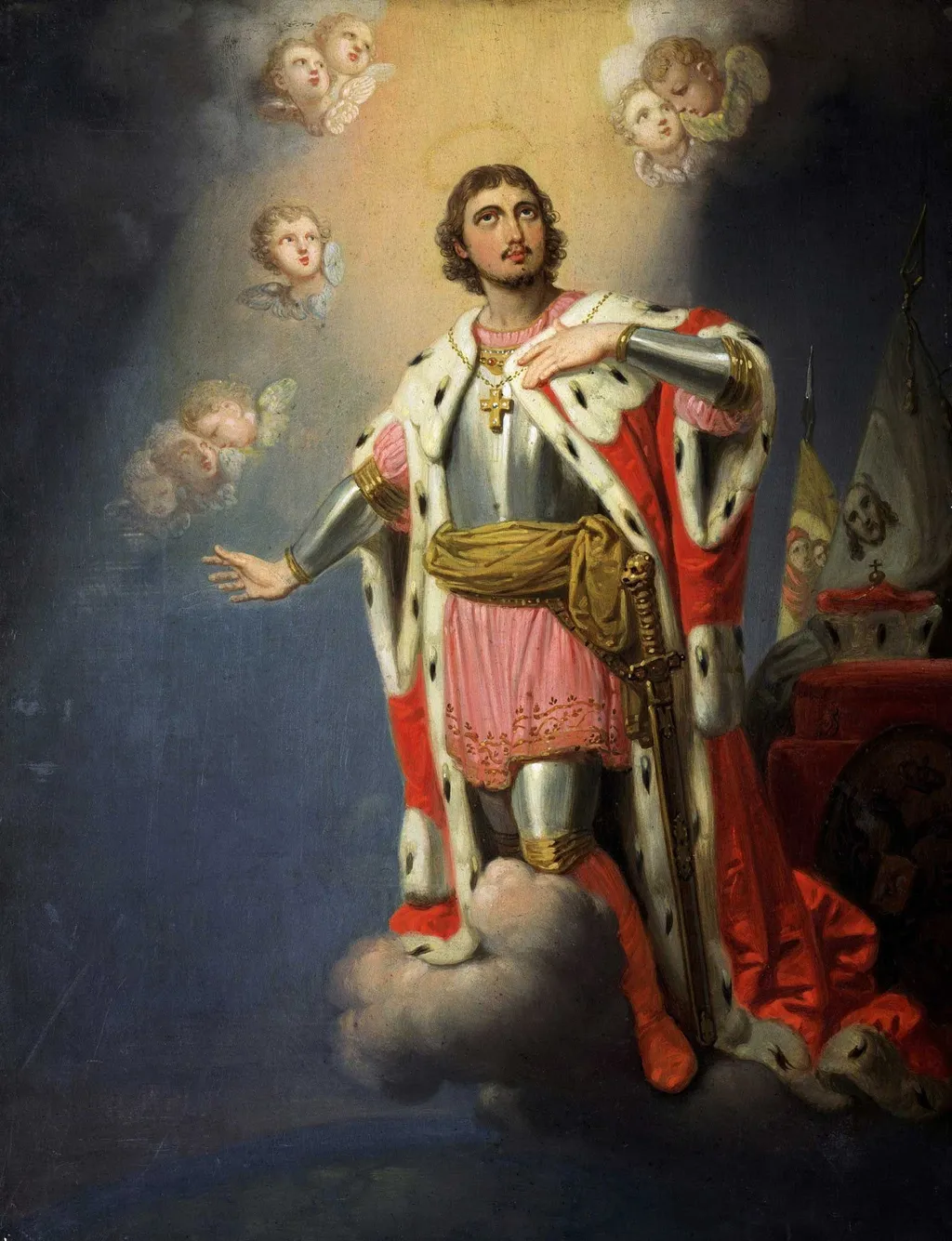
Alexander Nevsky is an oil painting by Vladimir Borovikovsky. It dates from 1801 and is held in the collection of the Tretyakov Gallery.
About this work
Overview
Painted around 1801 by Vladimir Borovikovsky, this oil portrait presents Alexander Nevsky not as a battlefield commander but as a saintly figure.
Painted around 1801 by Vladimir Borovikovsky, this oil portrait presents Alexander Nevsky not as a battlefield commander but as a saintly figure. Borovikovsky, a Ukrainian-born artist active in the Russian imperial court, blended Western portraiture traditions with Orthodox iconography. The work reflects the early 19th-century Russian interest in historical and religious national identity, commissioned during a period of cultural consolidation under Tsar Alexander I.
Subject & Meaning
Alexander Nevsky, a 13th-century prince of Novgorod, was canonized for defending Russian lands against Teutonic and Swedish invaders. In this depiction, he is shown in celestial form, elevated above earthly conflict. His outstretched arm and hand over the chest suggest blessing and inner devotion.
The inclusion of cherubs and a radiant halo frames him as a divine intercessor, reinforcing his dual role as warrior and saint in Russian Orthodox tradition.
Technique & Style
Borovikovsky employed soft, luminous brushwork to render the figure’s robes and celestial elements, creating a sense of ethereal weightlessness. Gold highlights on the robe and halo contrast with the muted blues of the sky, drawing focus to the central figure. The composition avoids dramatic action, favoring stillness and solemnity.
This restrained elegance aligns with courtly portraiture of the era, yet infuses it with spiritual symbolism uncommon in secular portraits.
History & Provenance
The painting entered the collection of the Tretyakov Gallery in the late 19th century, following its acquisition from private Russian collections. It was likely commissioned by a patron aligned with the imperial court’s renewed interest in historical saints during the Napoleonic Wars. Borovikovsky’s reputation as a leading portraitist ensured the work’s prominence, and its religious tone resonated with the state’s efforts to unify national identity through shared heritage.
Context
In the early 1800s, Russia sought to define its cultural identity beyond Western European models. Portraits of historical saints like Alexander Nevsky served as visual anchors for national pride. Borovikovsky’s fusion of courtly refinement with Orthodox iconography mirrored this trend.
The painting emerged alongside state-sponsored projects that elevated medieval rulers as moral exemplars, reinforcing continuity between Russia’s past and its imperial present.
Legacy
The painting remains a key example of how Russian artists reinterpreted historical figures through a sacred lens. While not widely exhibited outside Russia, it influenced later generations of painters who sought to blend realism with spiritual symbolism. Its presence in the Tretyakov Gallery underscores its role in the institutionalization of Russian national art, preserving a vision of heroism rooted in faith rather than conquest.
Own this work as a print
Artist & collection
Artist
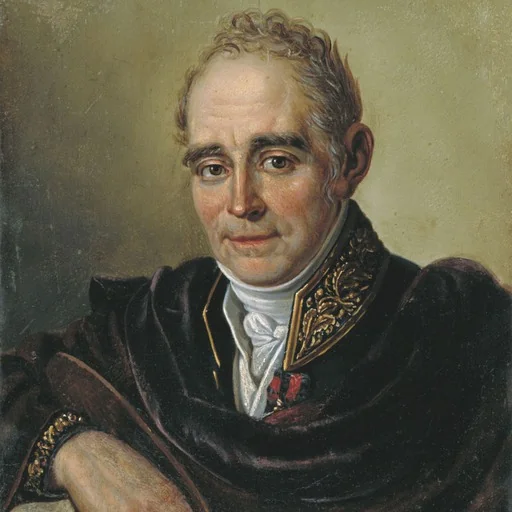
Vladimir Lukich Borovikovsky (August 4 1757 – April 18 1825) was a Russian artist of Ukrainian Cossack origin. He served at the court of Catherine the Great and dominated portraiture in Russia at the turn of the 19th century.

 Portrait of Grand DuchessYelena Pavlovna
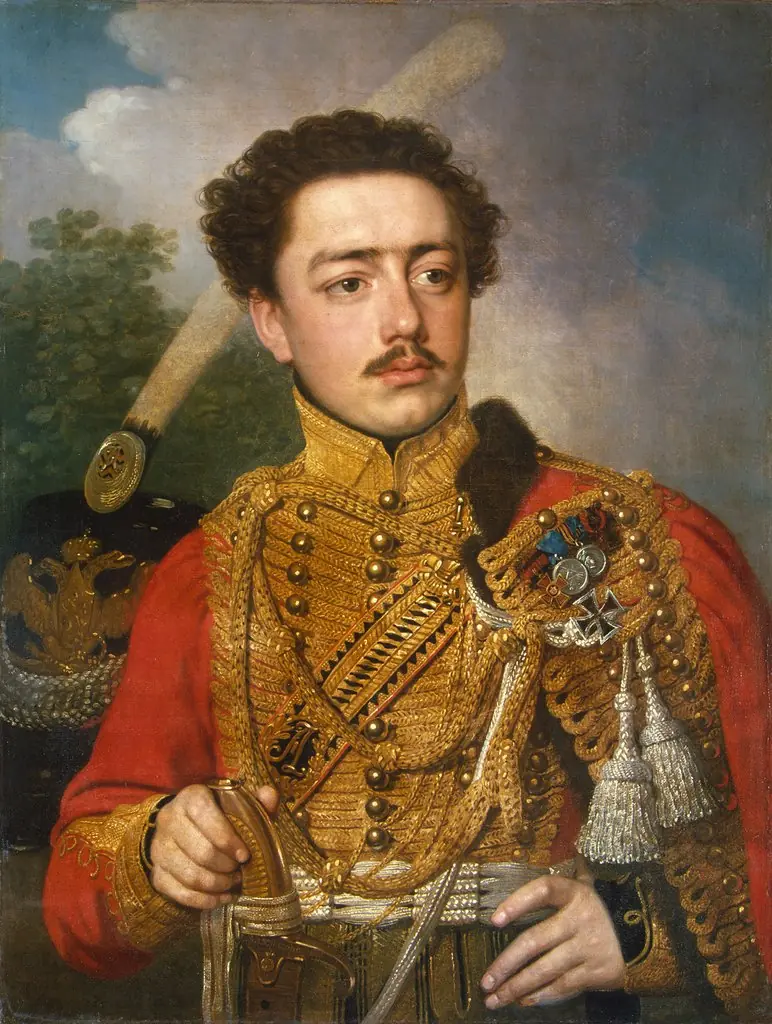 Portrait of Pavel Masyukov, the Cavalry Captain of the Life-Guards Hussar Regiment
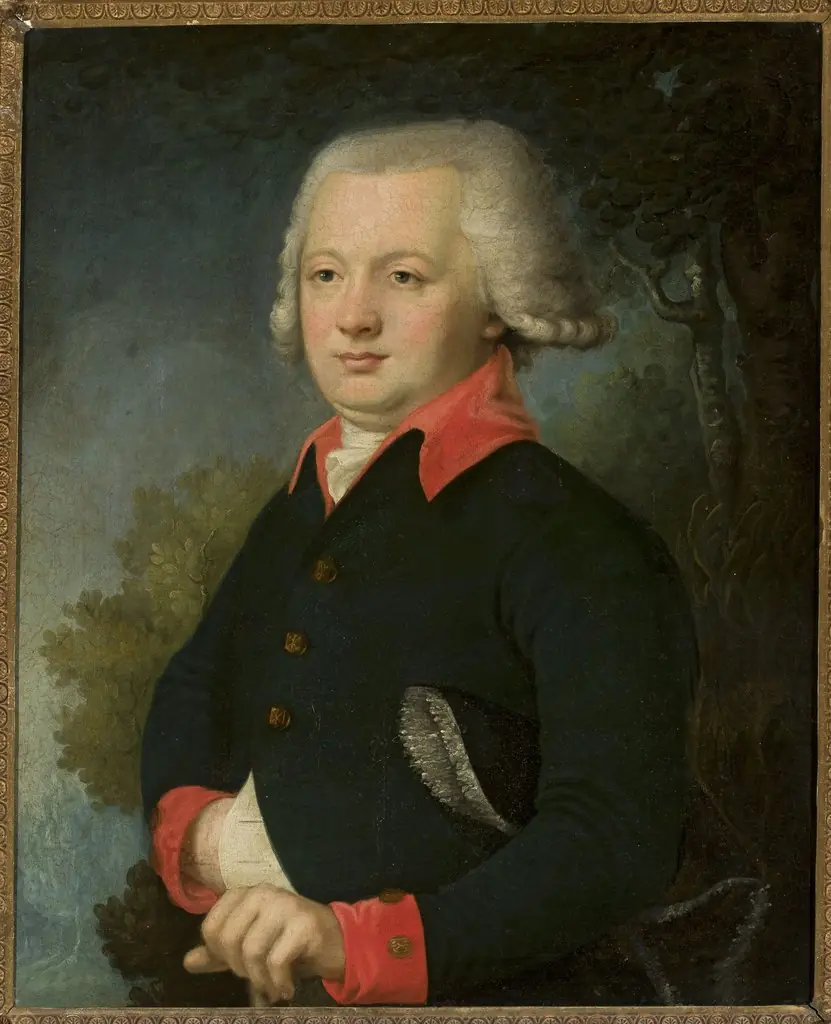 Portrait of a young man
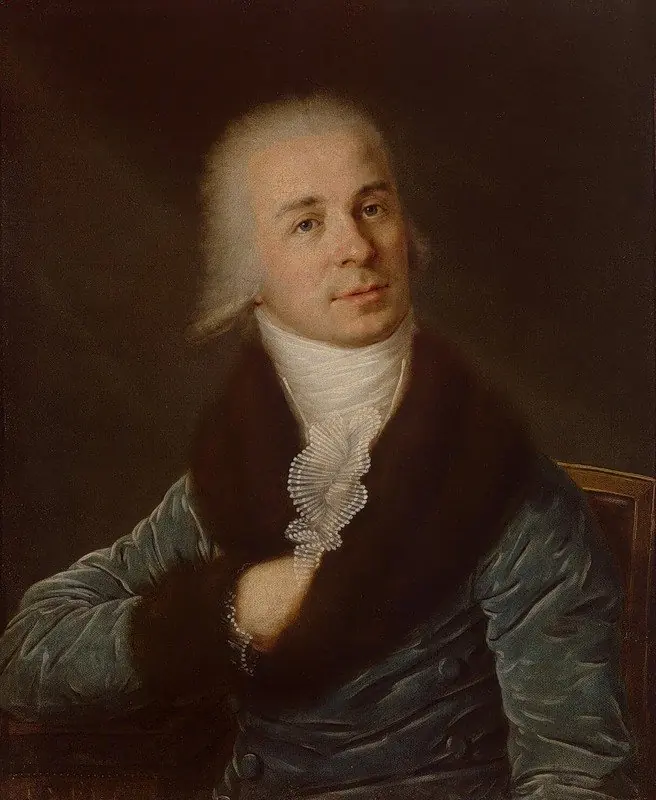 Portrait of Gavrila Derzhavin
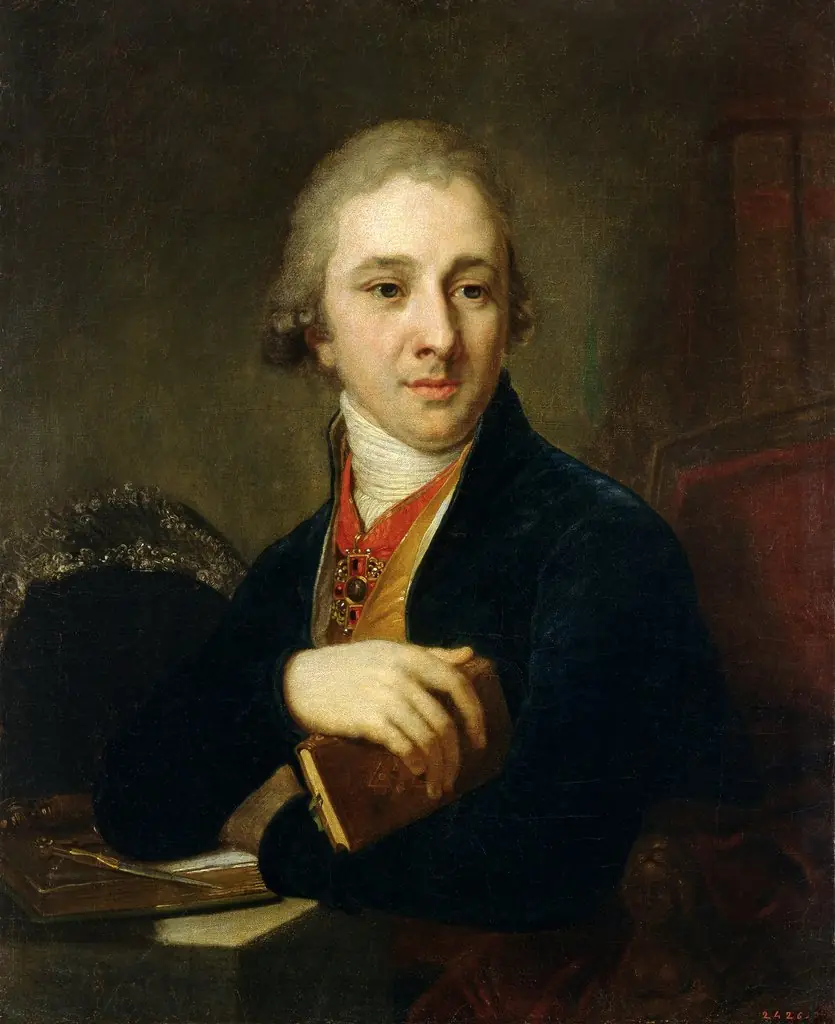 "Portrait of Alexander Labzin" (1766-1825)
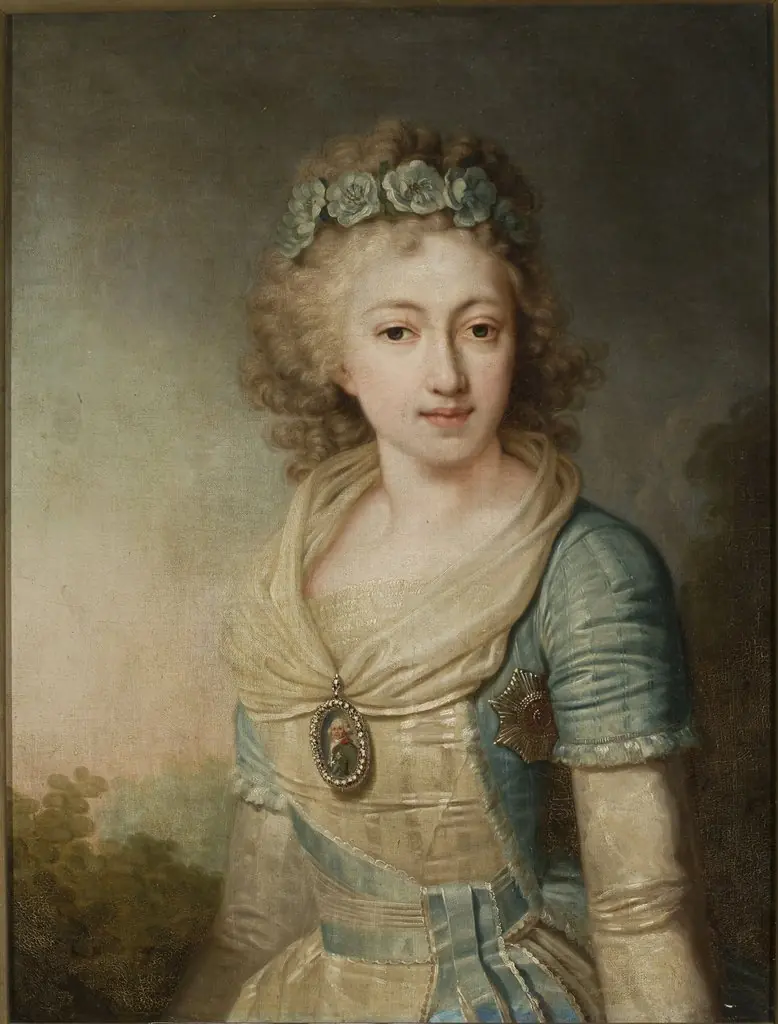 Portrait of Paul I’s daughter – Helena
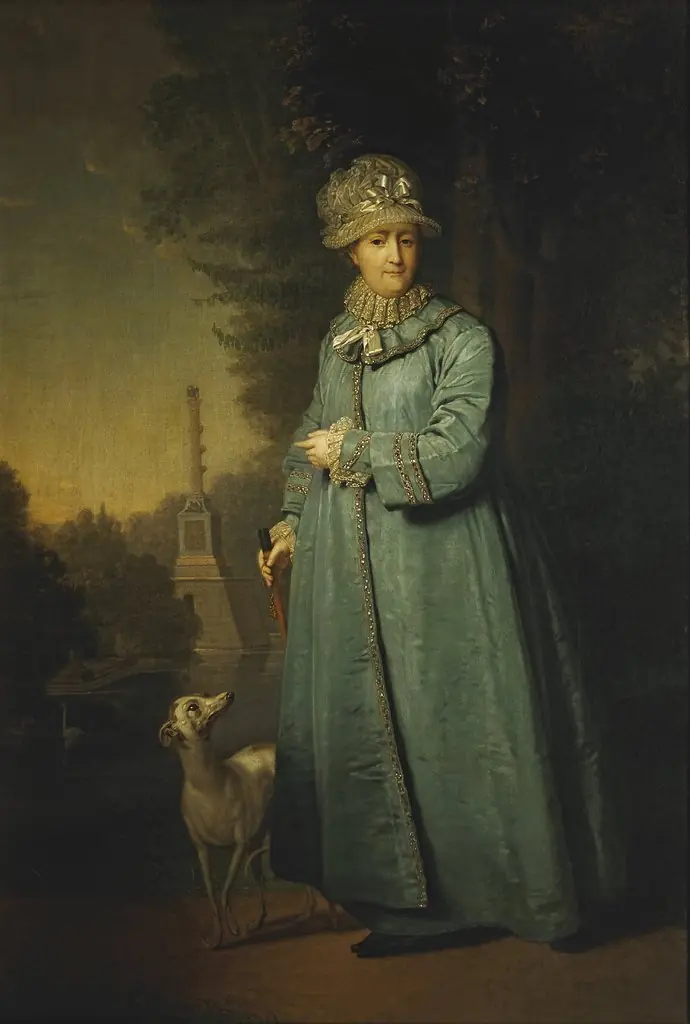 Catherine II during a walk in the Tsarskosyelsky Park
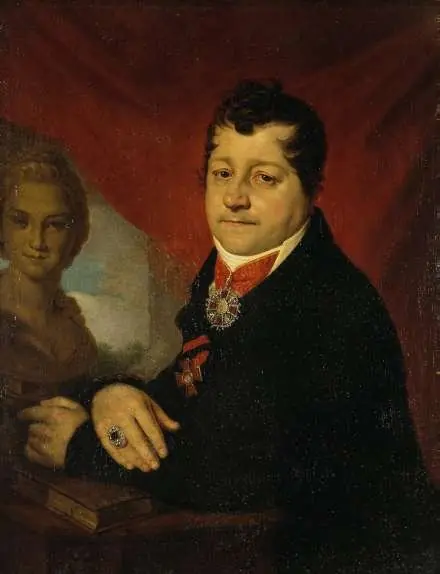 Portrait of Sergei Yakovlev
- Baudouin I, King of Jerusalem
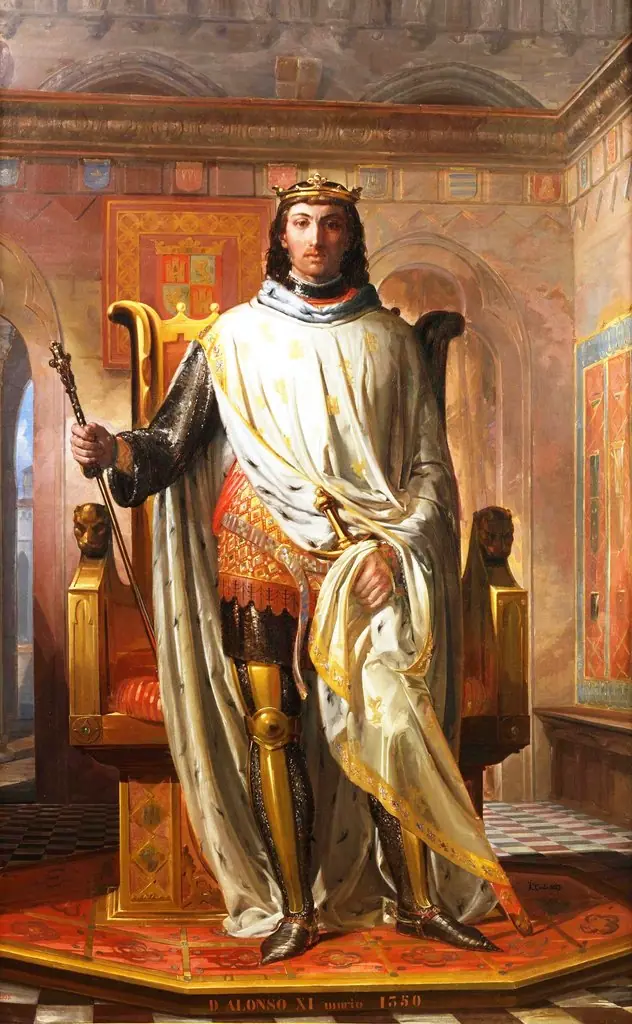 Alfonso XI
 Louis de Champagne, comte de Sancerre, connétable de France en 1397
 Alfonso V
 Don García Aznar; conde de Aragón
 Ordoño II rey de León
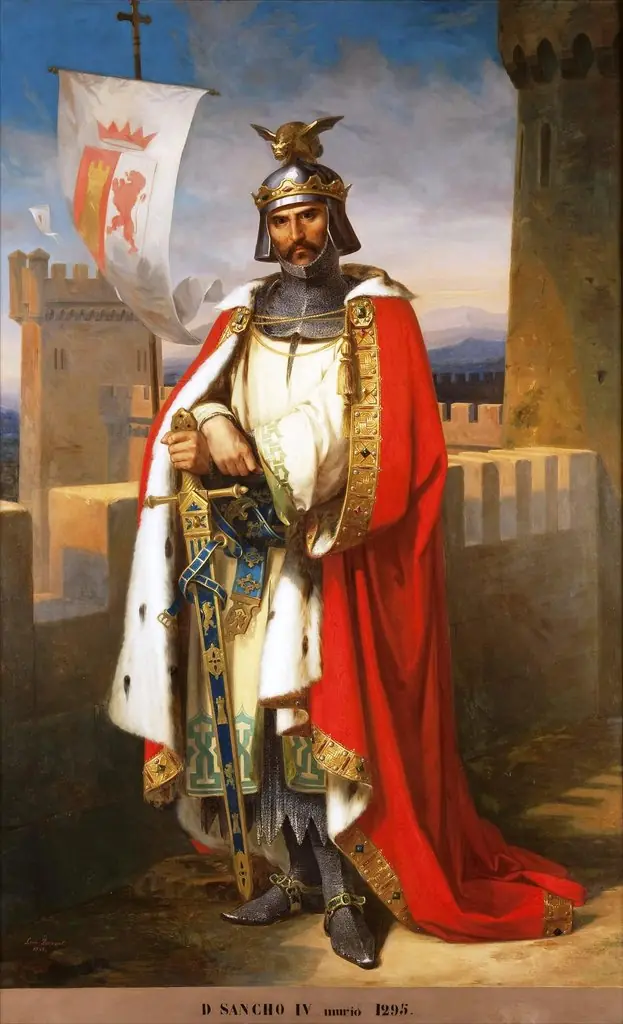 Sancho IV
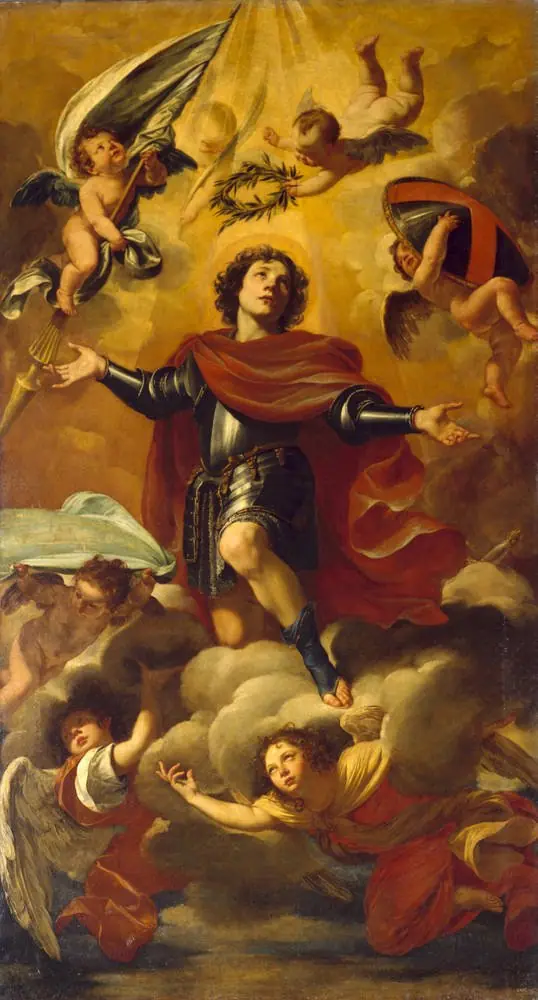 Die Entrückung des heiligen Theodor
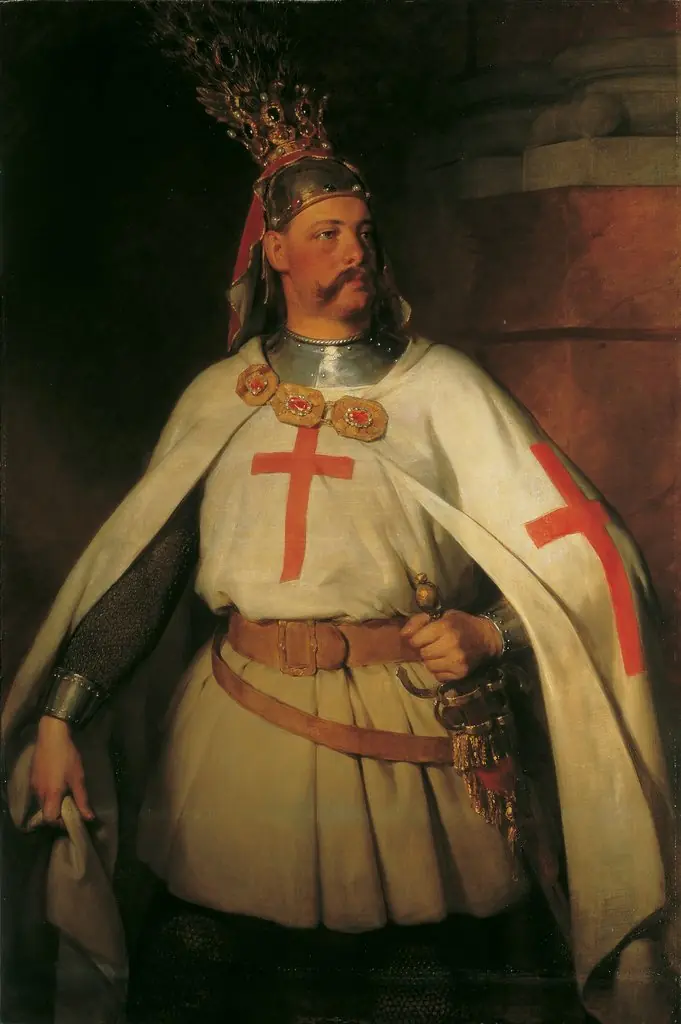 Archduke Leopold as Crusader
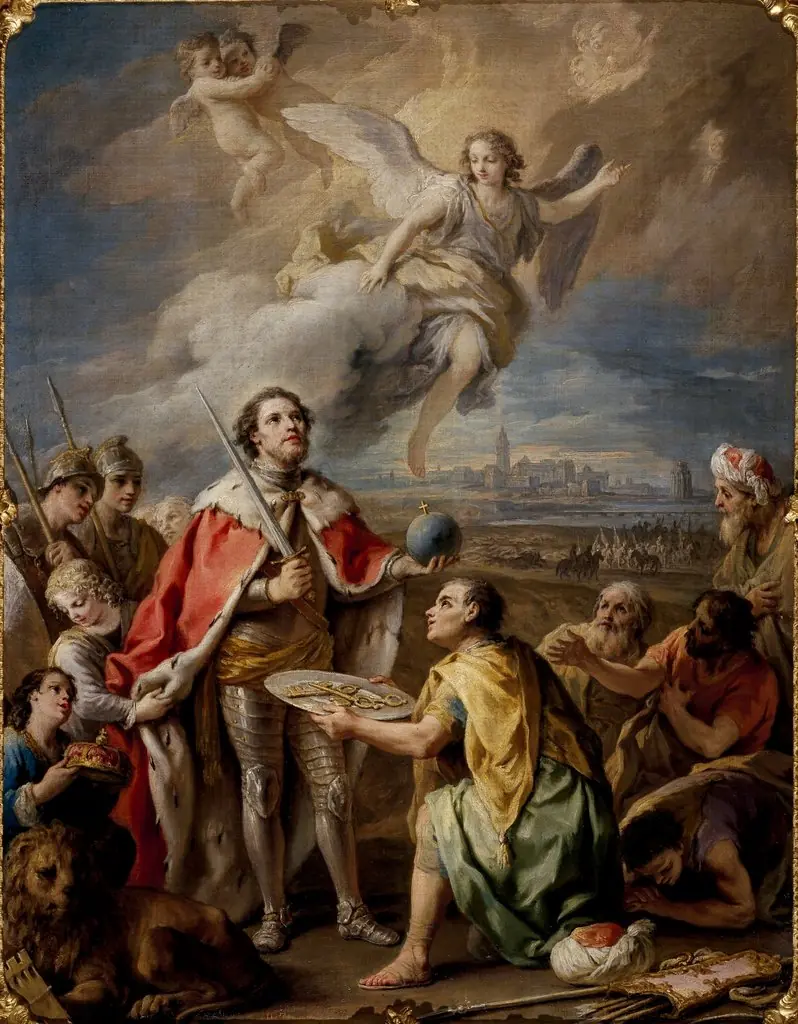 Seville Surrenders to the king, Saint Ferdinand
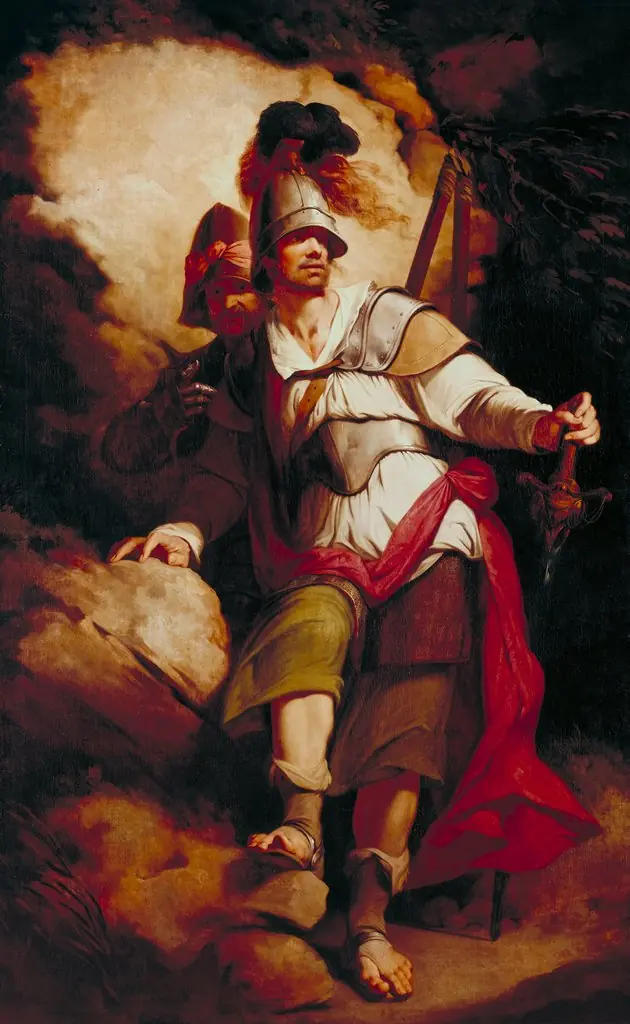 Sir Arthegal, the Knight of Justice, with Talus, the Iron Man (from Spenser's `Faerie Queene')
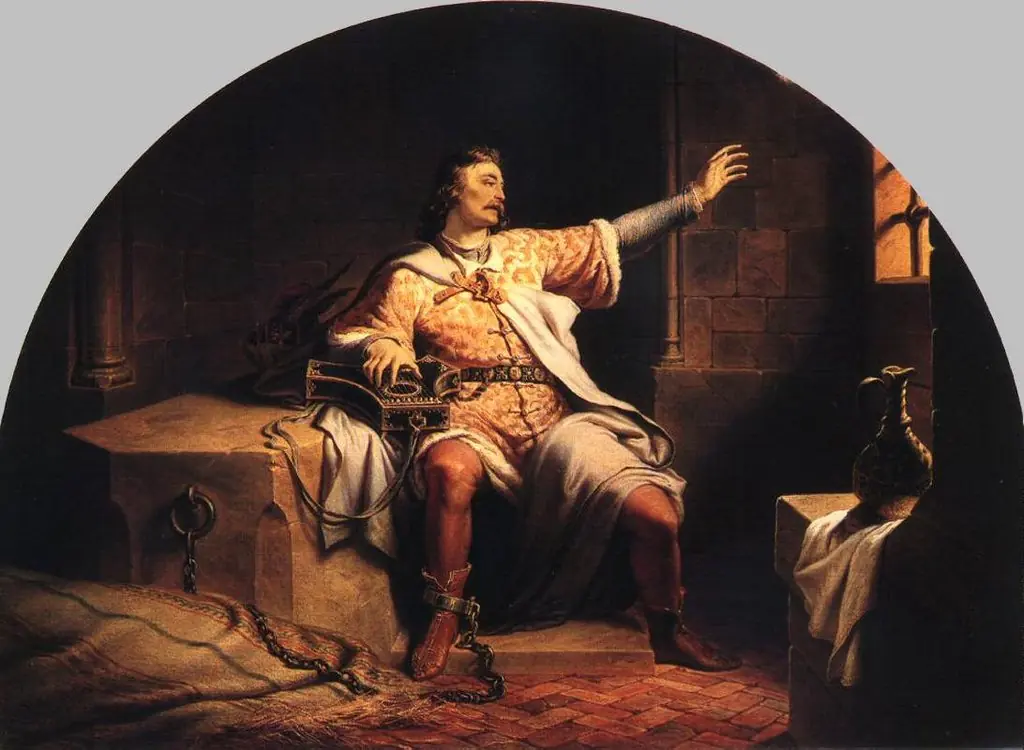 King Solomon in Prison