Artwork
Silent Dawn
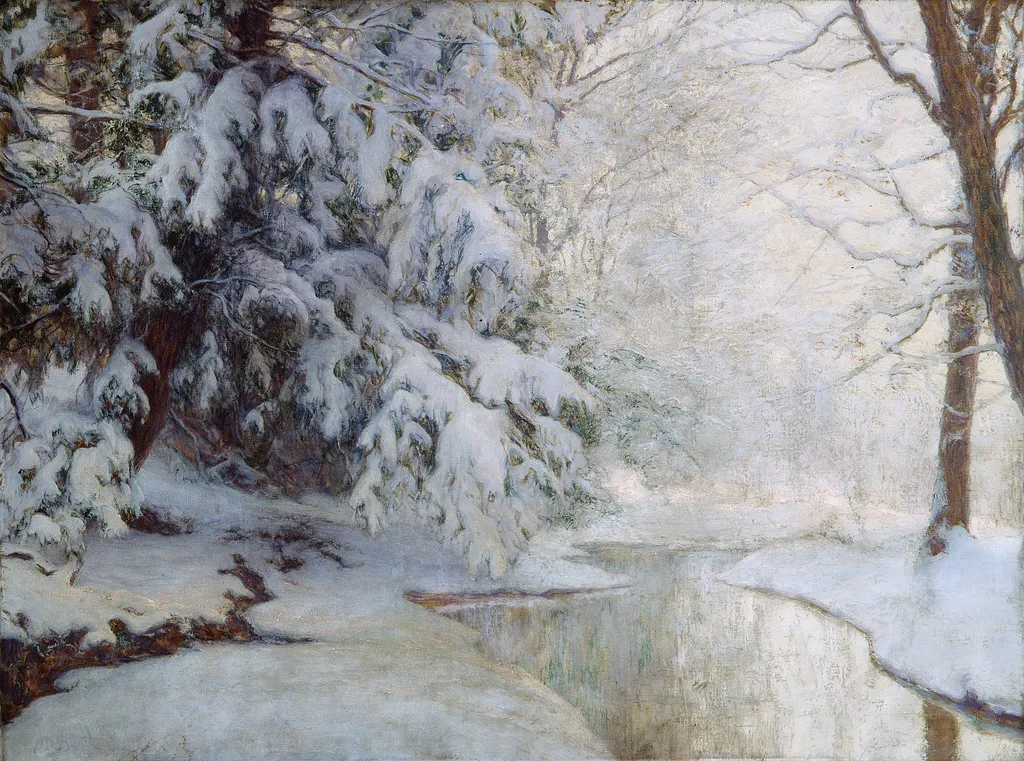
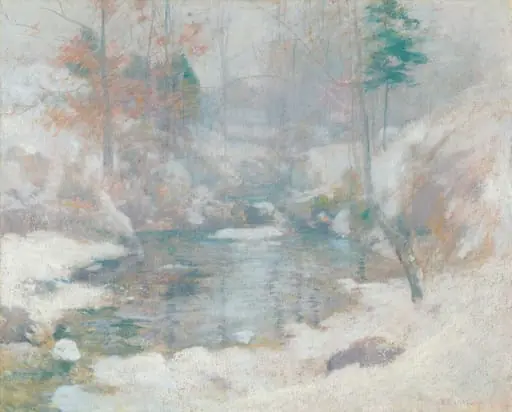
Silent Dawn is an oil painting by the American Impressionist artist Walter Launt Palmer. It dates from 1919 and is held in the collection of the Metropolitan Museum of Art.
About this work
Subject & Meaning
Together, these elements evoke a tranquil moment of transition from night to morning, inviting contemplation of stillness and hope.
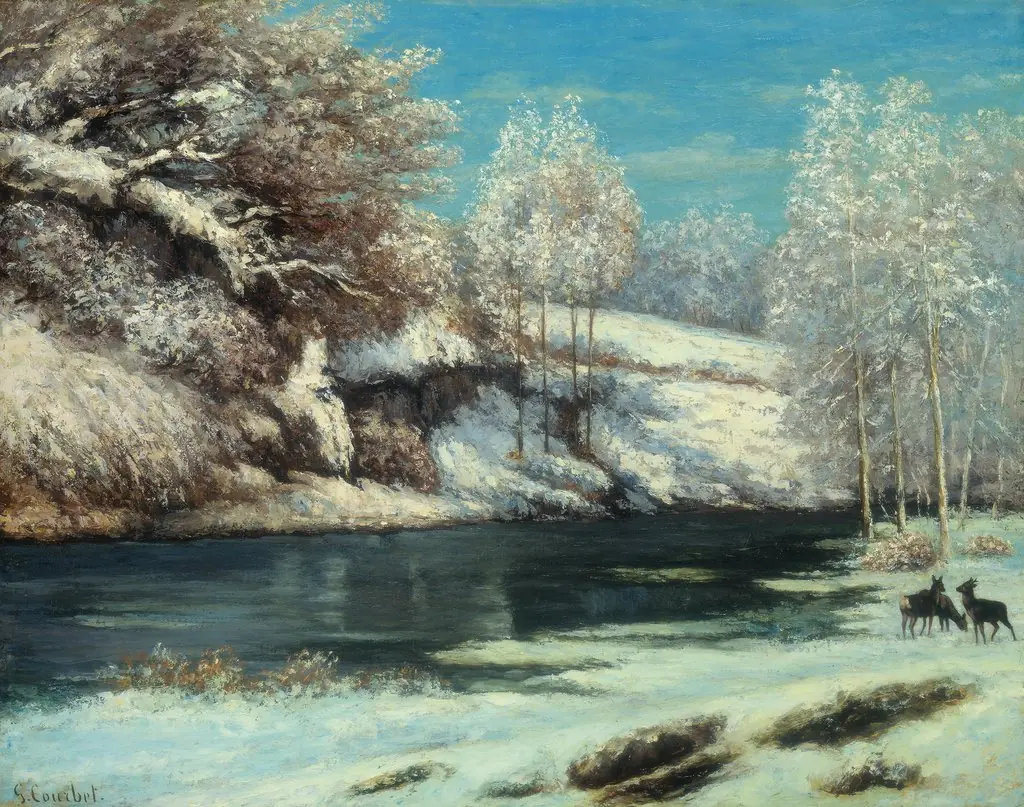
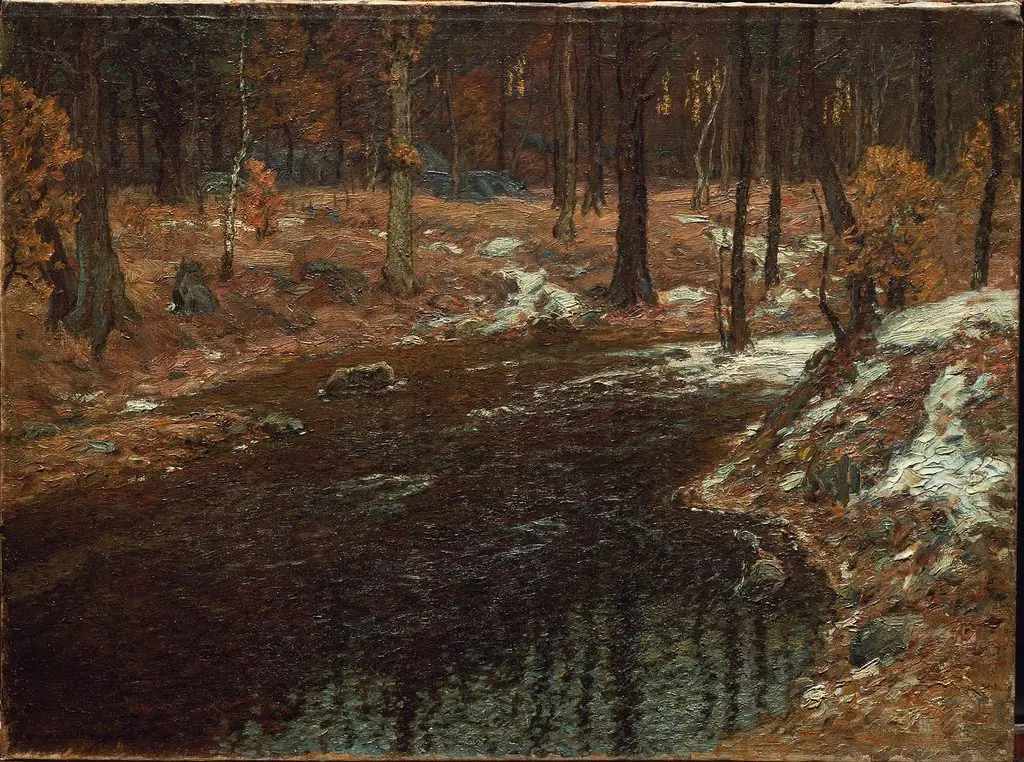
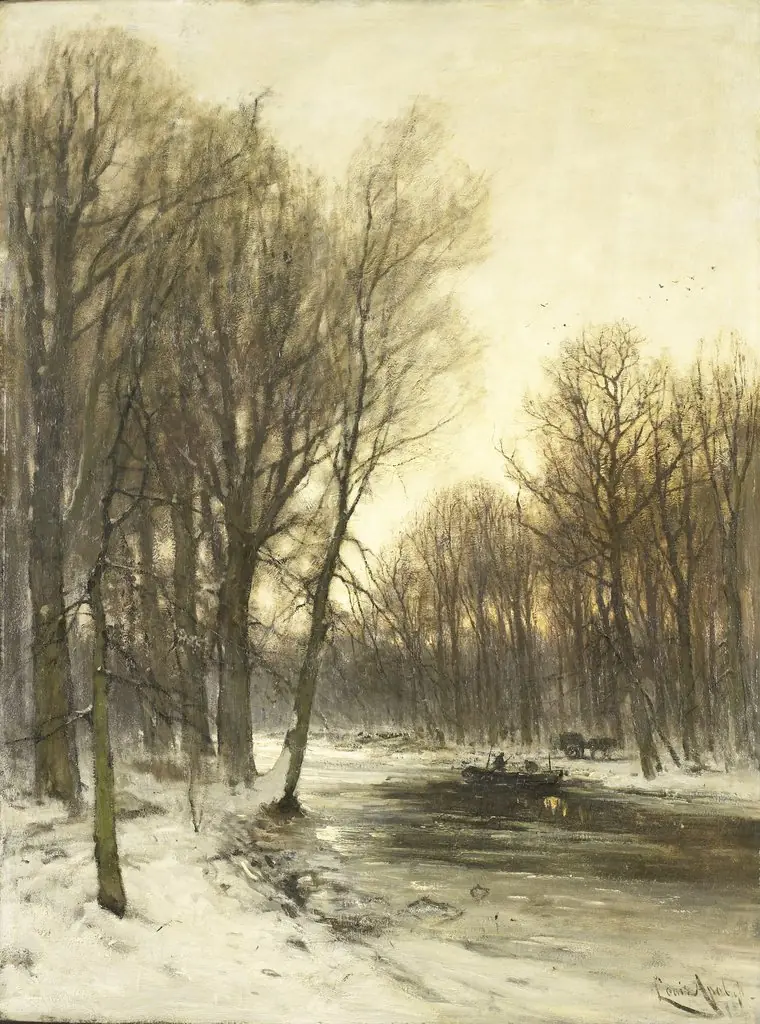
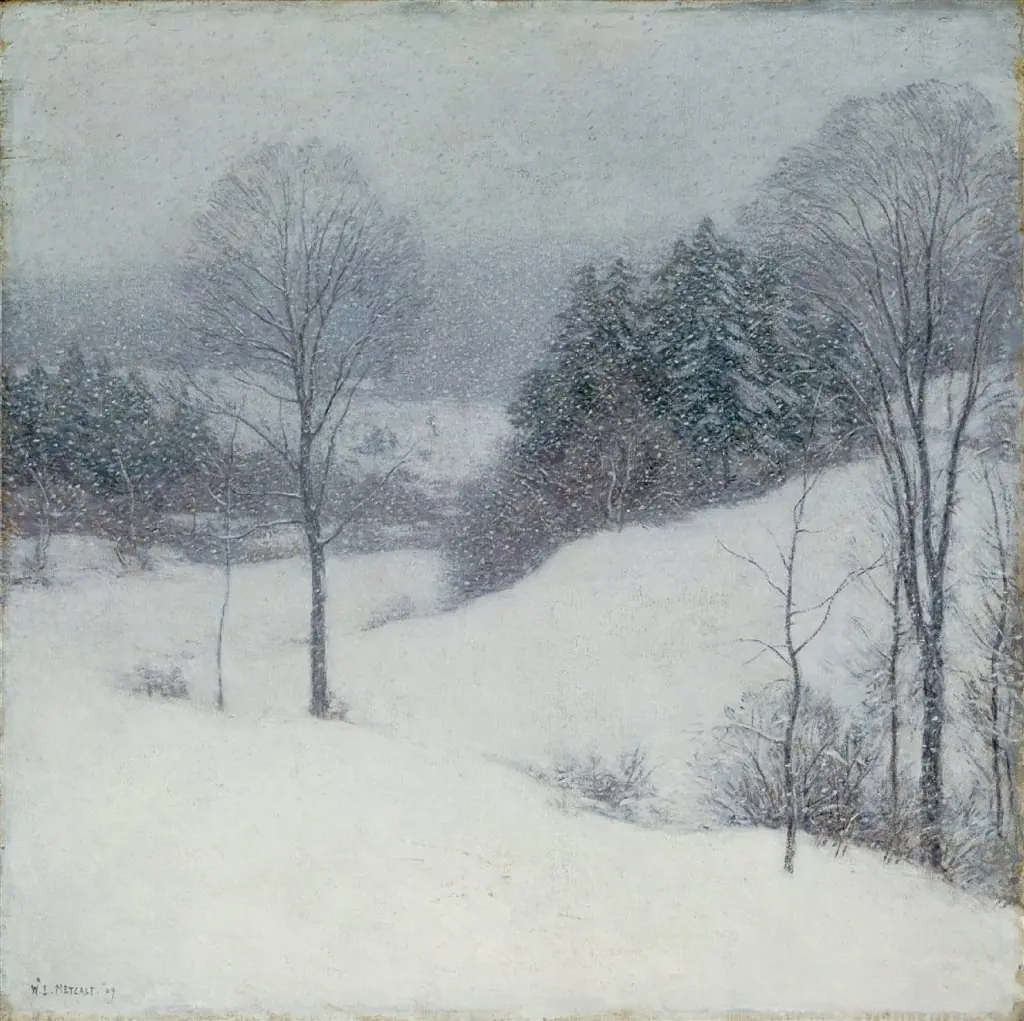
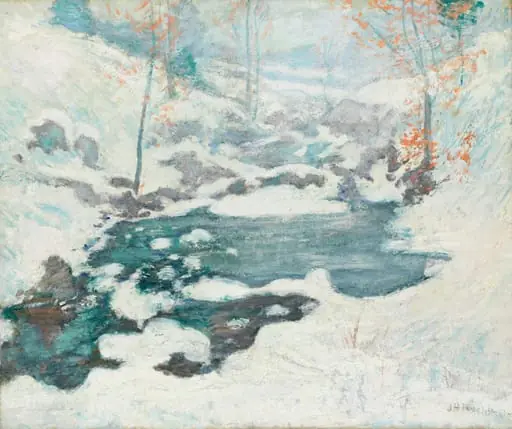
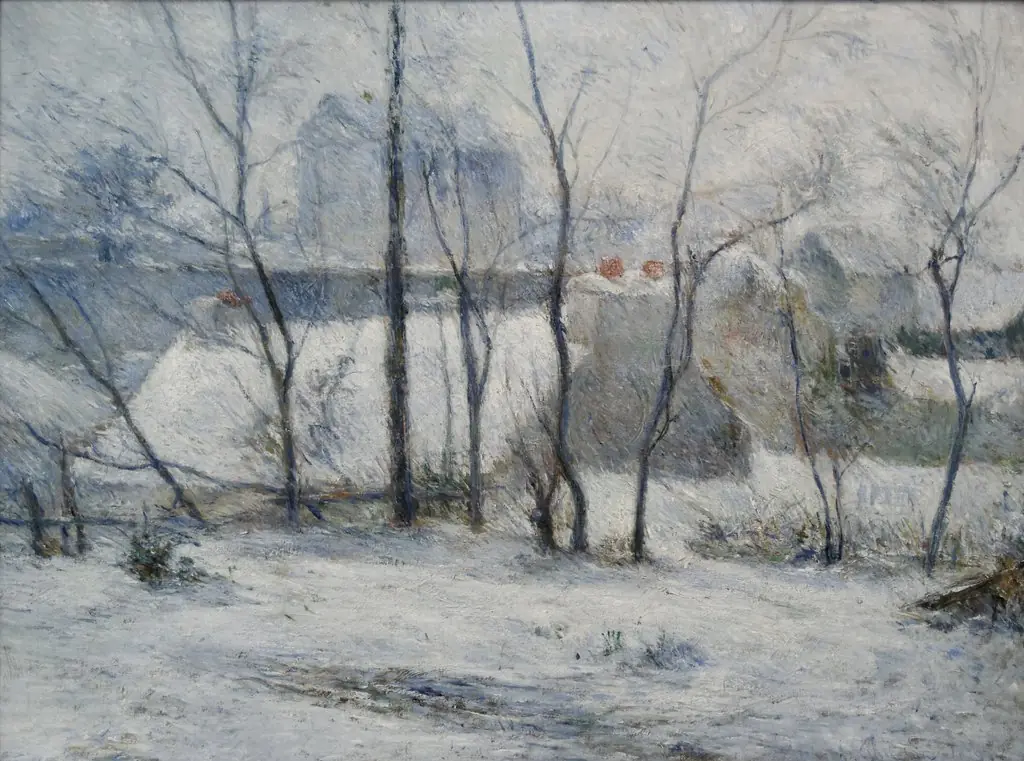
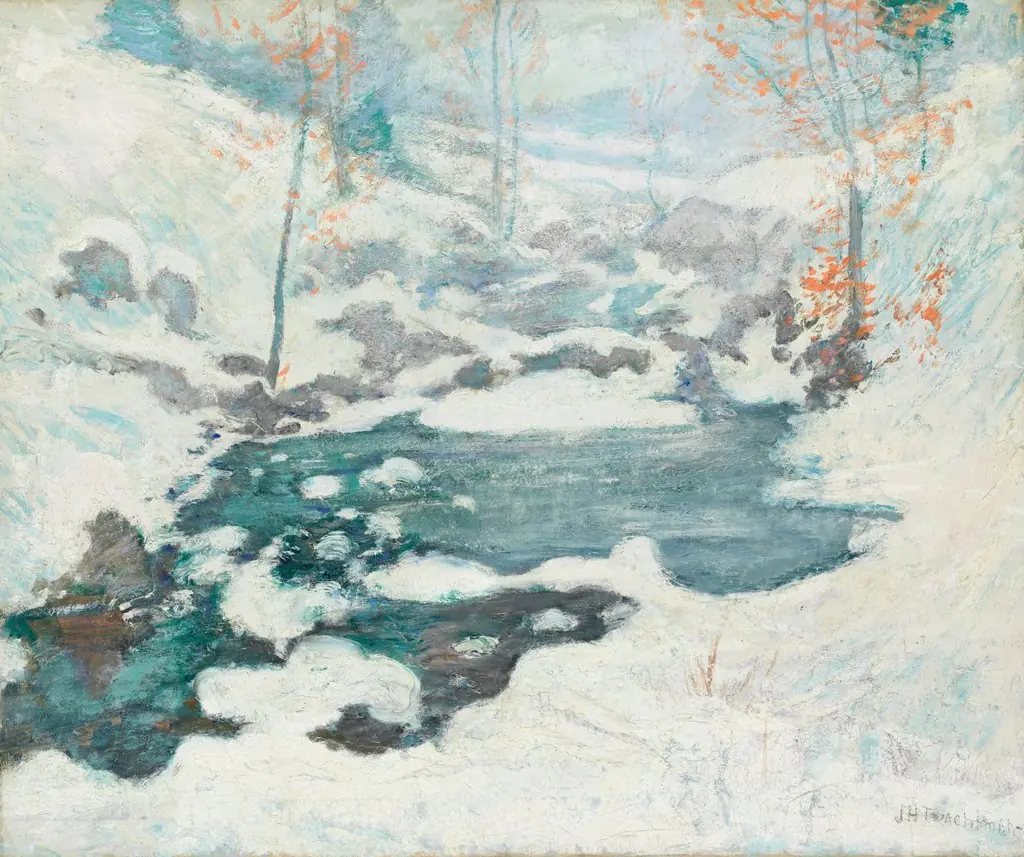
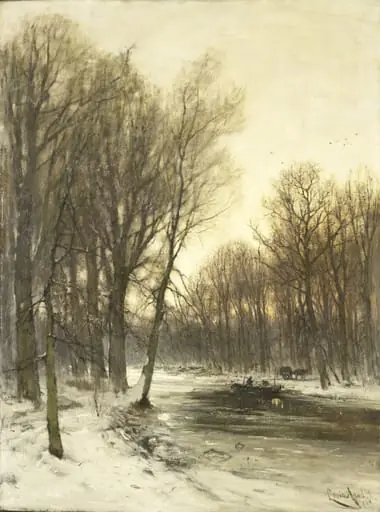
Silent Dawn depicts a winter landscape centered on a solitary tree standing in a field of snow, as indicated by the work's title and its description as a tree, landscape, and snow scene. The bare tree and expansive snowfield convey a sense of quiet endurance and purity, while the title's reference to dawn suggests the first light of day and the promise of renewal. Together, these elements evoke a tranquil moment of transition from night to morning, inviting contemplation of stillness and hope.
Technique & Style
Silent Dawn, executed in 1919 by Walter Launt Palmer, is an oil painting on canvas. The work measures 76.2 centimeters in height and 101.6 centimeters in width. Palmer employed oil paint to render a winter landscape, specifically depicting a snow-covered scene with trees.
The formal qualities focus on the atmospheric representation of a snowy dawn, utilizing the medium to capture the specific light and texture of the winter environment.
History & Provenance
Silent Dawn is an oil-on-canvas painting executed in 1919 by American artist Walter Launt Palmer. The painting measures 76.2 × 101.6 cm and depicts a snow-covered landscape with a solitary tree. It is held at the Metropolitan Museum of Art under accession number 1975.1.211. The available records do not document major public exhibitions for this piece.
Overview
Walter Launt Palmer, an American painter associated with Impressionism, completed Silent Dawn in 1919. This oil painting presents a winter landscape, characteristic of his later career. The work exemplifies the American Impressionist approach to capturing transient light and atmospheric conditions, particularly in natural settings.
Context
Walter Launt Palmer's artistic development was shaped by significant mentors. He initially trained with portraitist Charles Loring Elliott, gaining foundational skills. Subsequently, he studied landscape painting under Frederic Edwin Church, a prominent artist of the Hudson River School.
This diverse training likely influenced Palmer's ability to combine detailed observation with an evocative rendering of natural environments, as seen in his Impressionistic landscapes.
Own this work as a print
Artist & collection
Artist
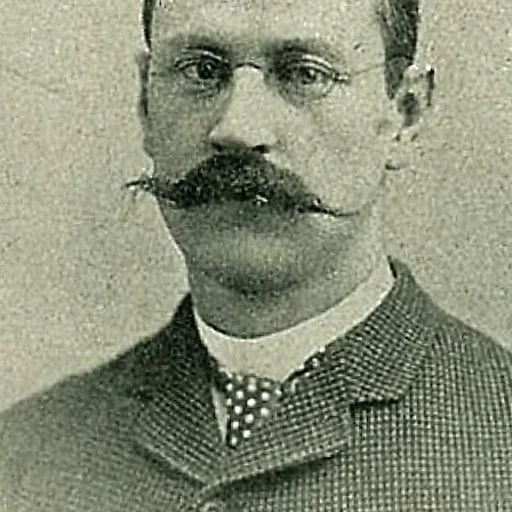
Walter Launt Palmer (August 1, 1854 – April 16, 1932) was an American Impressionist painter.